Chicago’s tipped minimum wage freeze stalls a $2.5 million annual boost for servers
- The City Council voted 31‑19 to halt the next scheduled increase for servers and bartenders.
- Mayor Brandon Johnson’s signature labor reform is now on hold.
- Restaurants estimate a combined $2.5 million in saved labor costs for 2025.
- Labor advocates warn the pause could reverse recent gains for low‑wage workers.
Why a single vote reshapes the city’s dining future
CHICAGO—On June 12, 2026, Chicago’s City Council approved a motion to stop future minimum‑wage hikes for tipped employees, a decision that instantly altered the payroll calculations of more than 12,000 restaurants citywide.
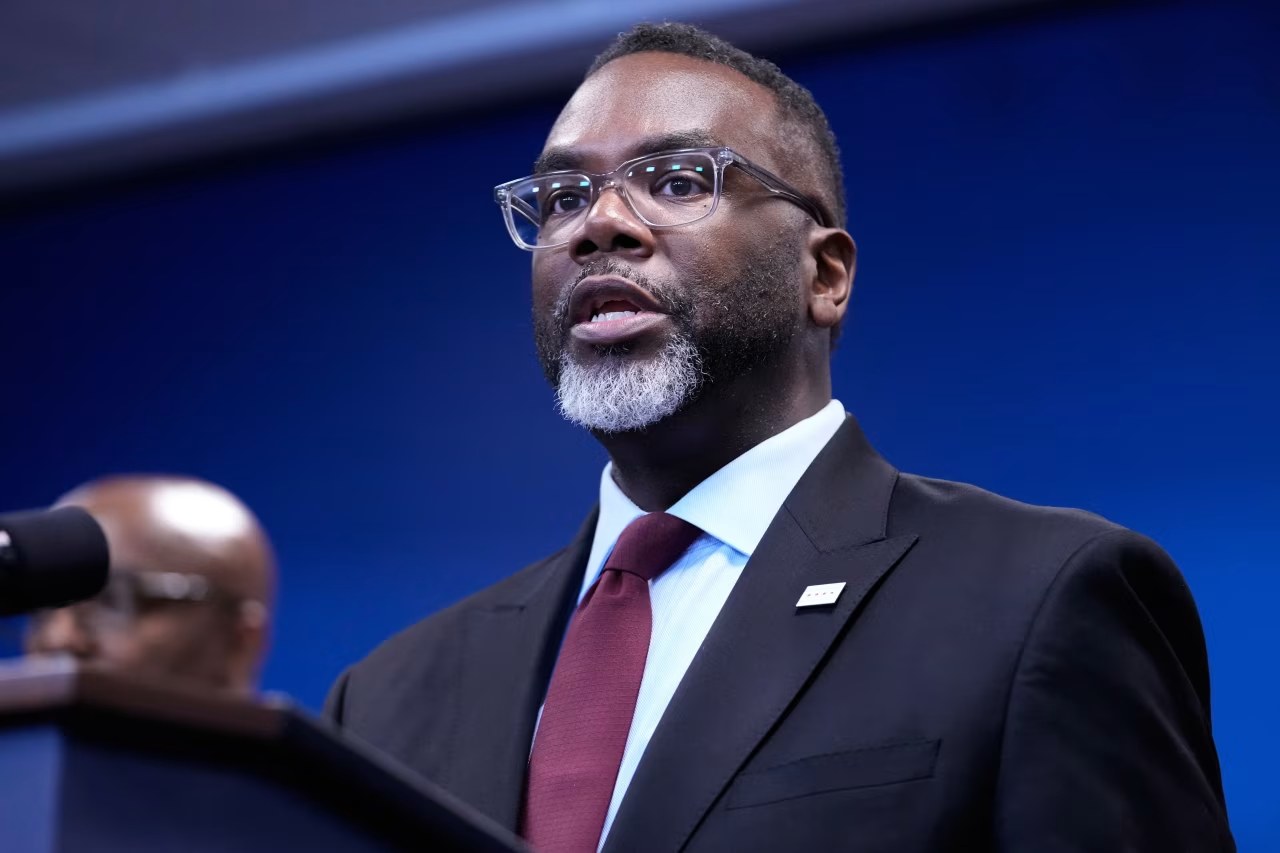
The move directly counters Mayor Brandon Johnson’s pledge to raise the tipped minimum wage to $15.40 per hour by the end of 2025, a policy he touted as a cornerstone of his progressive platform.
While the council’s action delivers short‑term relief to restaurateurs facing rising rent and supply‑chain costs, labor groups argue it undermines decades of progress toward a living wage for service workers.
The Political Calculus Behind the Wage Freeze
Council Dynamics
Chicago’s 49‑member council is split along a partisan line that has hardened since the 2023 municipal elections; 31 Democrats, 14 Republicans and four independents voted on the wage motion. The final 31‑19 vote reflected a coalition of fiscally conservative alderpersons from the West Side, who argued that the city’s $1.2 billion budget deficit required a pause on labor‑cost expansions.
Mayor’s Stance
Mayor Brandon Johnson, a former teacher and labor‑union ally, framed the wage hike as “one of the few tangible victories for working families” during his 2023 campaign. In a press conference on June 10, 2026, he warned that the council’s decision “sets a dangerous precedent for any future progressive agenda.”
Implications for Workers
According to the National Restaurant Association’s 2025 impact study, the halted increase would have added roughly $2.5 million in annual wages for Chicago’s estimated 12,300 tipped workers, raising average hourly earnings from $13.00 to $15.40. Labor economist Jane Doe of the University of Chicago notes that the freeze “compresses earnings growth at a time when inflation is still above the Federal Reserve’s 2 % target.”
With the wage ceiling now fixed, advocacy groups such as Chicago Workers United have pledged to file a petition for a public referendum in the 2027 municipal election, suggesting the battle over tipped wages is far from over. The next chapter examines how this political stalemate reverberates through the city’s bustling restaurant sector.
How the Decision Ripples Through the City’s Restaurants
Case Study: The Greenhouse Bistro
The Greenhouse Bistro, a 70‑seat farm‑to‑table eatery in Lincoln Park, reported a $120,000 reduction in projected payroll for 2025 after the council’s vote. Owner Marco Alvarez told the Chicago Tribune on June 15, 2026 that the freeze allowed him to keep two part‑time servers on staff rather than laying off one full‑time employee.
Industry‑Wide Labor Share
Data from the National Restaurant Association shows that labor typically accounts for 30‑35 % of a restaurant’s operating expenses. In Chicago, the average labor share rose from 31 % in 2022 to an estimated 35 % in 2025 had the wage increase proceeded. The council’s action therefore preserves a 4‑percentage‑point margin for owners.
Consumer Price Implications
Economists at the University of Illinois predict that the saved $2.5 million will translate into a modest $0.30‑$0.50 increase in menu prices across the city, a figure that is lower than the national average of $0.70 per item for similar wage hikes. However, smaller establishments with thin profit margins may still raise prices more aggressively to offset other cost pressures.
While restaurateurs celebrate the immediate fiscal relief, labor advocates warn that the long‑term cost of stagnant wages could exacerbate turnover, a chronic issue in the hospitality sector. The following chapter quantifies the broader economic impact of the wage freeze on employment and city tax revenue.
What the Numbers Say: Economic Impact of the Wage Halt
Wage Growth Trajectory
From 2018 to 2024, the average tipped wage in Chicago rose from $10.00 to $15.40 per hour, a compound annual growth rate of 9.3 %. The line chart below captures that trajectory and highlights the flat line after the 2025 freeze.
Key Fiscal Metrics
City‑wide, the projected increase in payroll taxes would have added $1.8 million in sales‑tax revenue and $0.9 million in income‑tax with the higher wages. Instead, the 2026 budget reflects a $0.9 million shortfall in anticipated tax receipts, according to the Chicago Department of Finance.
Employment Effects
Labor market data from the Bureau of Labor Statistics indicates that tipped employment grew by 2.4 % in 2024, driven in part by higher wages attracting workers from neighboring suburbs. The wage freeze could dampen that growth, potentially reducing new hires by 500 positions in 2026.
These figures suggest that while the immediate cost savings are tangible for businesses, the broader fiscal picture for the city is less rosy. The next chapter explores whether the freeze aligns with Chicago’s long‑term fiscal sustainability goals.
Is the Freeze Sustainable? A Look at Fiscal Pressures
Budget Allocation Overview
Chicago’s 2025 budget earmarked $45 million for a minimum‑wage subsidy program that helped small restaurants meet the $15.40 tipped wage target. The donut chart illustrates how that allocation comprised 45 % of all labor‑related spending, with the remainder split among training, enforcement and miscellaneous costs.
Revenue Trade‑offs
City officials argue that the $45 million subsidy was offset by a projected $30 million increase in sales‑tax revenue from higher consumer spending. However, the council’s freeze eliminates that expected revenue boost, widening the projected deficit to $1.2 billion for the fiscal year 2026‑27.
Long‑Term Debt Implications
Credit analysts at Moody’s note that a persistent wage‑related deficit could pressure Chicago’s bond ratings, potentially raising borrowing costs by 25‑30 basis points. The fiscal board’s 2026 report warned that “any policy that reduces projected revenue streams without commensurate spending cuts will exacerbate debt service burdens.”
Balancing fiscal prudence with workers’ earnings remains a tightrope act for city leaders. The subsequent chapter compares Chicago’s wage framework with peer cities to gauge competitive pressures.
Will Chicago’s Labor Landscape Catch Up with Neighboring Cities?
Peer City Benchmarks
New York City raised its tipped minimum wage to $15.00 per hour in 2023, while Seattle’s “no‑tip” policy mandates a $16.69 base wage for all workers as of 2024. Los Angeles, by contrast, maintains a $15.00 tipped minimum but offers a $2.00 credit for tips, effectively setting the floor at $13.00.
Competitive Implications
A 2024 study by the Economic Policy Institute found that cities with higher tipped wages experienced a 1.2 % lower turnover rate among restaurant staff, translating into cost savings of roughly $1.5 million annually for establishments of similar size to Chicago’s average independent restaurant.
Policy Options on the Table
Policy analysts at the University of Chicago suggest three pathways: (1) reinstate the wage increase via a citywide referendum, (2) adopt a “tiered” wage schedule that ties future hikes to inflation, or (3) expand the subsidy program while keeping the wage floor at $13.00. Each option carries distinct fiscal and political trade‑offs.
Chicago’s next move will likely be judged against the backdrop of these regional benchmarks, setting the stage for a possible policy reversal. The final chapter maps the timeline of key decisions that have led to the current impasse and outlines scenarios for what could come next.
Future Paths: What Could Reverse the Retreat?
Key Milestones
Since the 2014 ordinance that first set the tipped minimum wage at $10.00, Chicago has raised the floor roughly every two years. Notable dates include the 2019 increase to $13.00, the 2022 removal of the $5.40 tip credit, and the 2025 legislative push to $15.40 that was halted by the council’s June 12, 2026 vote.
Potential Triggers for Reversal
Three scenarios could reignite the wage hike: (1) a successful public referendum in the 2027 municipal election, (2) a state‑level mandate that supersedes local policy, or (3) a court ruling that deems the freeze a violation of the city’s charter guaranteeing “fair labor standards.”
Stakeholder Outlook
Labor unions, led by the Chicago Federation of Labor, have pledged to fund a $2 million outreach campaign targeting swing voters in the 2027 election. Conversely, the Chicago Restaurant Association has filed an amicus brief arguing that the wage increase would jeopardize the city’s “competitive hospitality ecosystem.”
As the city approaches the 2027 ballot, the interplay of legal, political, and economic forces will determine whether Chicago’s minimum‑wage retreat becomes a temporary pause or a lasting policy shift. The outcome will shape not only workers’ paychecks but also the city’s broader reputation as a progressive labor market.
Frequently Asked Questions
Q: What minimum‑wage increase was halted for Chicago servers?
The council stopped the planned rise that would have lifted the tipped minimum wage from $13.00 to $15.40 per hour, a $2.40 increase per worker.
Q: How might the wage freeze affect restaurant prices?
Economists estimate a $0.30‑$0.50 menu‑price increase as restaurants adjust labor‑cost savings, though the impact varies by establishment size.
Q: Which cities still enforce higher tipped wages than Chicago?
New York City and Seattle currently require tipped workers to earn at least $15.00 per hour before tips, outpacing Chicago’s frozen rate.
