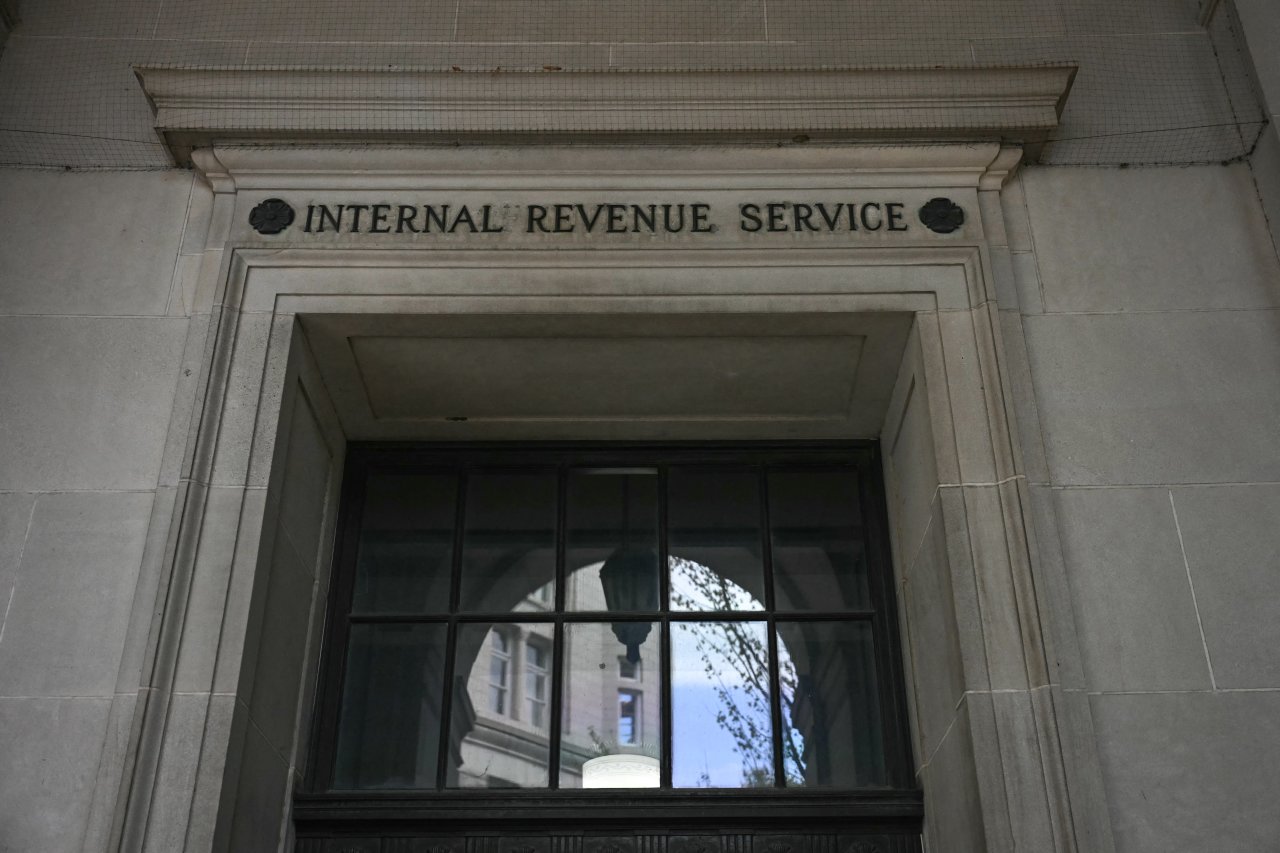
In a stunning turn of events, it has come to light that Congress may have inadvertently waived many of the tax code’s filing and payment deadlines for a period of three and a half years during the pandemic. This revelation has sent shockwaves through the financial and legal communities, with attorneys racing to file refund claims after the IRS lost a pivotal court case. The implications are far-reaching, with millions of Americans potentially affected by this unforeseen development.
The Financial Implications
The potential financial implications of this waiver are staggering. With the IRS having lost the court case, attorneys are now scrambling to file refund claims on behalf of their clients. This could result in a significant influx of refunds, potentially totaling millions of dollars. The exact amount is still unknown, but one thing is certain: the fallout from this decision will be felt for years to come.
Experts warn that the waiver could also have a profound impact on the US tax system as a whole. ‘This is a game-changer,’ said one tax attorney. ‘If the government is not able to collect taxes during a period of three and a half years, it could lead to a significant loss of revenue.’ The IRS has yet to comment on the matter, but it is clear that the agency is facing an unprecedented challenge.
As the situation continues to unfold, one thing is clear: the waiver of tax deadlines during the pandemic has created a complex and chaotic situation. With millions of Americans potentially affected, it is imperative that the government takes swift action to address the issue and provide clarity on the way forward.
Furthermore, the waiver also raises questions about the role of Congress in providing pandemic relief. The $2.2 trillion Coronavirus Aid, Relief, and Economic Security (CARES) Act, signed into law by President Trump on March 27, 2020, was designed to provide financial assistance to individuals and businesses affected by the pandemic. However, the unintended consequences of this legislation are only now becoming apparent.
The Road Ahead
As the IRS navigates this uncharted territory, lawmakers are under pressure to provide a solution. One possible approach could be to introduce new legislation to clarify the tax code and provide a clear framework for the waiver period. This could involve working with the IRS to establish a process for filing refund claims and providing guidance on how to navigate the complex tax landscape.
In addition, there are also concerns about the potential for abuse and exploitation. With the IRS facing a significant backlog of refund claims, there is a risk that some individuals may attempt to take advantage of the situation. To mitigate this risk, the government will need to implement robust safeguards and oversight mechanisms to ensure that the refund process is fair and transparent.
Ultimately, the waiver of tax deadlines during the pandemic is a complex issue that requires a comprehensive and multifaceted solution. As the situation continues to evolve, one thing is clear: the government must take swift and decisive action to address the fallout and provide clarity on the way forward. This will require a coordinated effort from lawmakers, the IRS, and other stakeholders to ensure that the US tax system emerges from this crisis stronger and more resilient than ever.
