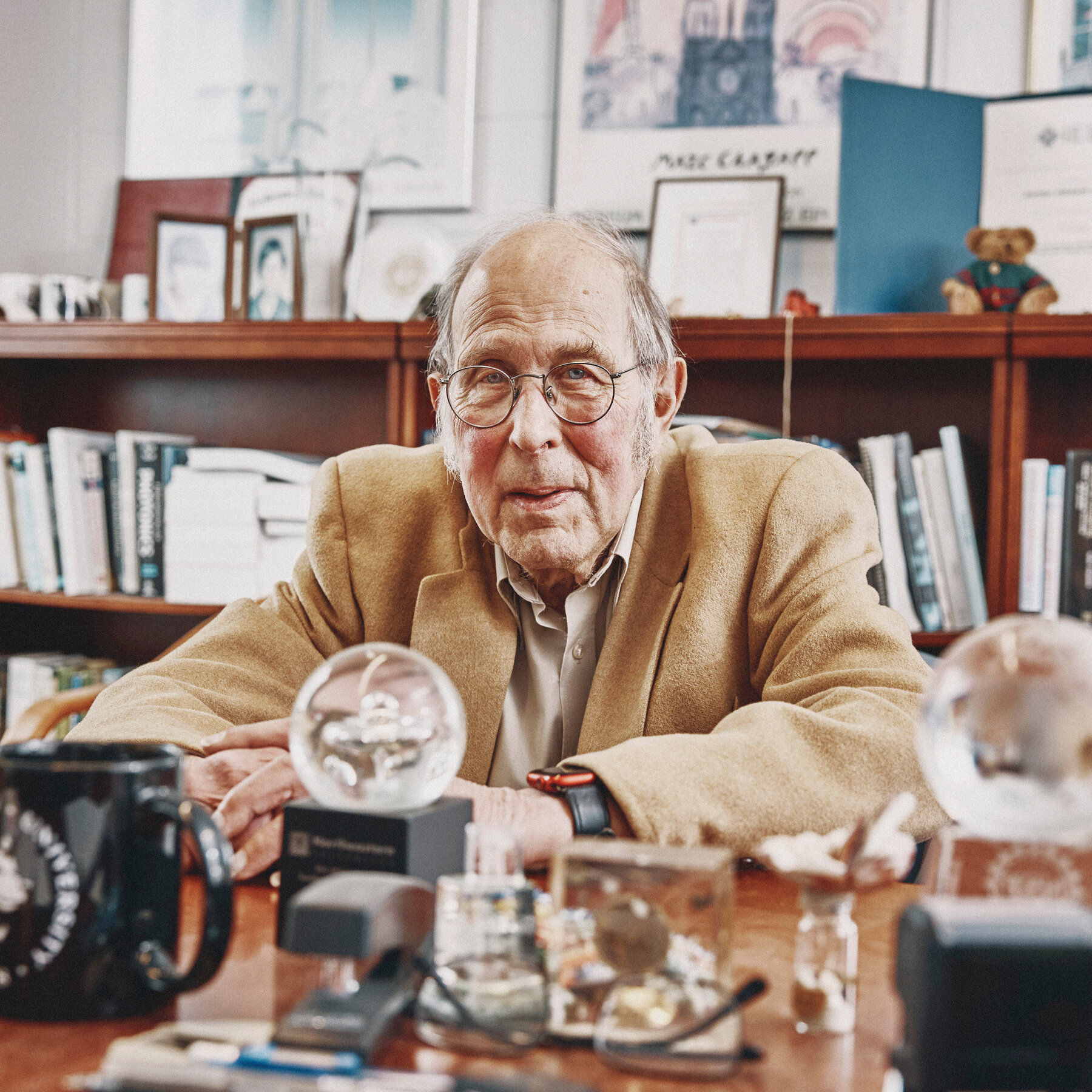
CROWD SAFETY—Michael Silevitch, a renowned expert in crowd safety, had his research abruptly halted last April. The sudden stoppage of his work has raised questions about the future of public safety in crowded areas, such as those encountered during the World Cup. As the leader of a research center dedicated to protecting busy public spaces, Silevitch’s team had been devising innovative ways to keep large crowds safe. But with the cessation of their work, the implications for global event security are significant.
The Safety of World Cup Crowds: A Growing Concern
The World Cup, a premier international sporting event, draws massive crowds from around the globe. Ensuring the safety of these crowds is a monumental task, requiring meticulous planning, cutting-edge technology, and a deep understanding of crowd dynamics. Michael Silevitch and his team were at the forefront of this effort, developing strategies to mitigate risks and prevent accidents in crowded public spaces.
Crowd Safety Challenges
Crowd safety is a complex issue, with multiple factors at play. These include the design of the venue, the behavior of the crowd, and the adequacy of emergency response plans. Silevitch’s team was working to address these challenges through research and innovation, exploring new methods to predict and prevent crowd-related hazards.
Importance of Continued Research
The sudden halt to Silevitch’s research has significant implications for the safety of future World Cup crowds. Without continued innovation and development in this field, the risk of accidents and injuries may increase, jeopardizing the well-being of thousands of spectators. As such, it is essential that research into crowd safety be allowed to proceed, with experts like Silevitch given the freedom to explore new solutions and strategies.
The Role of Research in Enhancing Public Space Security
Research centers like the one led by Michael Silevitch play a vital role in enhancing public space security. By studying crowd behavior, developing new safety protocols, and testing innovative technologies, these centers help to create safer, more secure environments for people to gather. The work of Silevitch’s team, though halted, has contributed significantly to our understanding of crowd safety and has the potential to inform security strategies for future events.
Collaboration and Knowledge Sharing
Effective public space security requires collaboration and knowledge sharing between researchers, policymakers, and practitioners. Silevitch’s research center was an example of this collaborative approach, bringing together experts from various fields to address the complex challenges of crowd safety. By sharing knowledge and best practices, such centers can help to raise safety standards globally, reducing the risk of accidents and injuries in crowded public spaces.
Global Implications
The cessation of Silevitch’s research has global implications, as the principles and strategies developed by his team could be applied to a wide range of contexts, from sporting events to music festivals and beyond. The loss of this research momentum may hinder progress in enhancing public space security, making it more challenging to protect crowds in the future.
The Abrupt Halt to Silevitch’s Research: Causes and Consequences
The sudden instruction to ‘end all work’ on Silevitch’s research project raises questions about the reasons behind this decision and its potential consequences. The cessation of this research may have significant implications for the safety of future crowds, as the development of new safety strategies and technologies is halted. As the world becomes increasingly interconnected, with more people attending large-scale events, the need for continued innovation in crowd safety is paramount.
Potential Reasons for the Halt
The reasons behind the abrupt halt to Silevitch’s research are not immediately clear. However, possible factors could include funding constraints, shifts in research priorities, or concerns about the practical applications of the research. Understanding the motivations behind this decision is crucial, as it may impact not only Silevitch’s team but also the broader field of crowd safety research.
Future of Crowd Safety Research
The future of crowd safety research hangs in the balance, as the cessation of Silevitch’s project may deter other researchers from pursuing work in this critical area. The loss of momentum in this field could have far-reaching consequences, making it more challenging to protect crowds in the years to come. As such, it is essential that researchers, policymakers, and practitioners come together to discuss the importance of crowd safety research and find ways to support its continuation.
Protecting Crowds in the Future: Lessons from Silevitch’s Research
Despite the halt to Silevitch’s research, the lessons learned from his team’s work can still inform strategies for protecting crowds in the future. By understanding the complexities of crowd behavior and the importance of innovative safety protocols, event organizers and security personnel can develop more effective approaches to crowd management. This, in turn, can help to reduce the risk of accidents and injuries, ensuring that people can gather safely to enjoy events like the World Cup.
Applications of Silevitch’s Research
Silevitch’s research has numerous applications, from the development of more effective crowd monitoring systems to the creation of safer, more resilient public spaces. By applying the principles and strategies developed by his team, event organizers can create environments that are both enjoyable and secure, minimizing the risks associated with large crowds. As the world looks to the future, the importance of continued innovation in crowd safety cannot be overstated.
A Call to Action
In conclusion, the cessation of Silevitch’s research highlights the need for continued support and investment in crowd safety research. By working together to address the challenges of protecting crowds, we can create a safer, more secure world for everyone. It is our responsibility to ensure that the progress made by researchers like Silevitch is not lost and that future generations can benefit from their work.
