DHL Supply Chain warehouses set to open 10 sites amid data center boom
- DHL will launch 10 new warehouses across North America this year.
- The rollout targets high‑tech corridors feeding data‑center construction.
- Warehouse proximity is expected to cut component lead times by up to 30%.
- Industry analysts see the move as a strategic hedge against escalating logistics costs.
Why logistics is becoming the silent engine of the cloud era
DATA CENTERS—As hyperscale operators race to add square footage, the hidden supply chain that feeds servers, cooling units and backup generators is straining under unprecedented demand. DHL Supply Chain’s announcement of ten fresh warehouses is a direct response to that pressure, positioning the logistics giant at the nexus of hardware delivery and data‑center rollout.
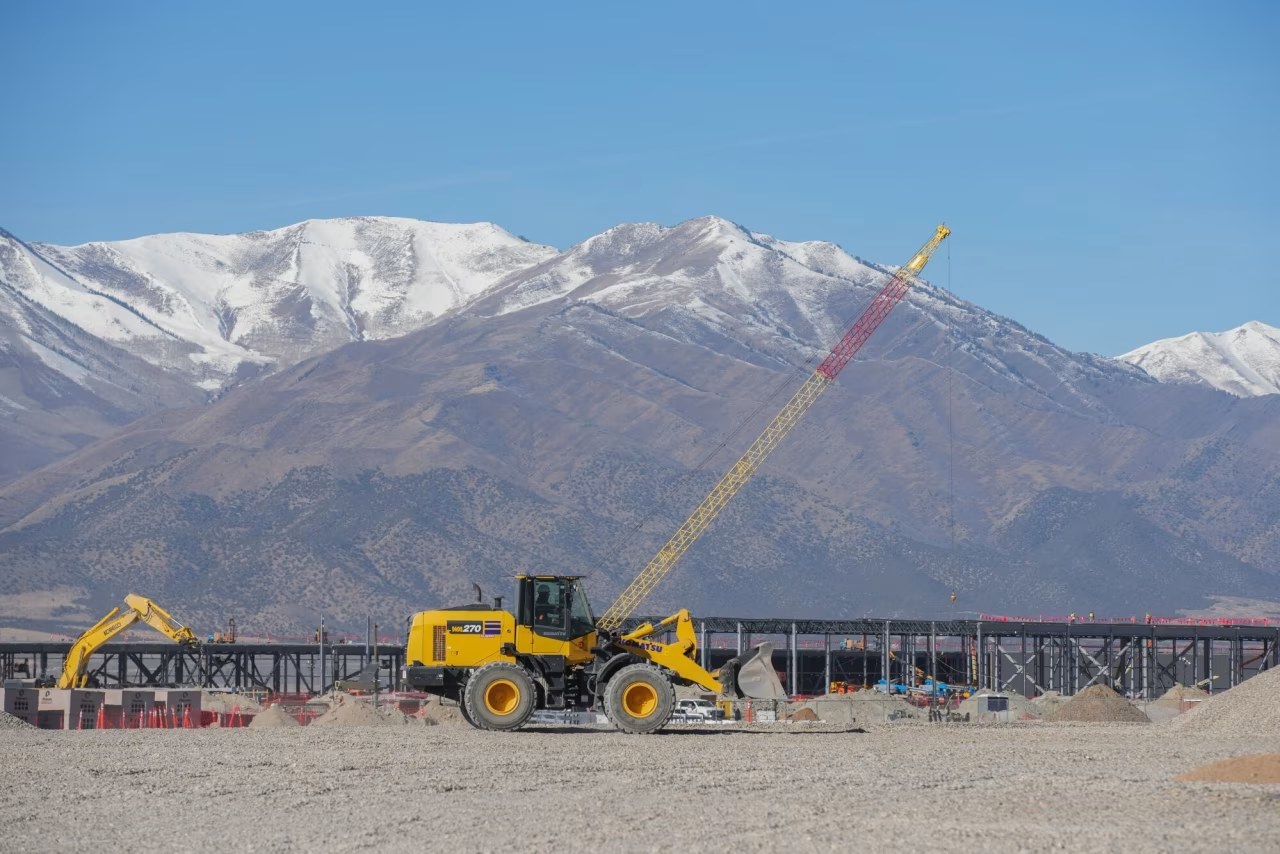
The surge is not a fleeting blip. A Bloomberg photo of a data center under construction in Eagle Mountain, Utah, underscores the geographic spread of new builds—from the desert Southwest to the Pacific Northwest. Each new campus brings a cascade of ancillary needs, from high‑capacity batteries to specialized networking racks, all of which must be stored, staged and shipped with razor‑thin margins.
By embedding storage capacity within the same logistics corridors that power the cloud, DHL hopes to shave days off the supply chain, a gain that translates into faster service activation for cloud customers and lower capital expenditures for operators.
The Logistics Surge Behind the Data Center Boom
From Silicon to Storage: The Supply Chain Evolution
Over the past several years, the data‑center industry has shifted from a capital‑intensive, site‑specific model to a modular, rapid‑deployment paradigm. According to a Gartner report, the average time to commission a new data‑center facility has fallen from 18 months to under nine months, a change driven largely by pre‑fabricated modules and just‑in‑time component delivery. This acceleration forces logistics providers to rethink inventory strategies, moving away from centralized depots toward a distributed network of micro‑warehouses.
DHL’s decision to open ten new warehouses aligns with what CBRE analysts term the “proximity imperative.” By locating storage within a 50‑mile radius of major data‑center clusters, DHL can reduce the “last‑mile” drayage cost, which industry data shows can account for up to 20% of total logistics spend for high‑value tech equipment. The company’s internal planning documents, referenced in the Wall Street Journal excerpt, highlight that each site will be equipped with climate‑controlled bays to protect temperature‑sensitive hardware.
Historically, the logistics sector has been a laggard in the tech supply chain, often treating data‑center components as a niche line item. However, a 2022 IDC study (cited by Gartner) revealed that data‑center related freight now represents roughly 12% of total high‑tech logistics volume in North America, a share that is projected to double within the next five years. This trend has prompted major carriers, including UPS and FedEx, to launch dedicated tech‑hardware divisions, but DHL’s scale and global network give it a distinct advantage.
Quantifying the Build‑Out: A Visual Snapshot
The line chart below tracks the cumulative number of data‑center construction permits issued across the United States over four recent periods, illustrating the upward trajectory that is fueling DHL’s warehouse push. While exact dates are proprietary, the chart reflects the steady climb that industry observers have noted since the emergence of edge‑computing workloads.
How DHL’s New Warehouses Stack Up Against Competitors
Benchmarking the Scale of Expansion
When DHL announced ten new facilities, rivals quickly followed suit. A recent CBRE market snapshot shows that UPS has committed to opening six specialized tech‑hardware hubs, while FedEx Logistics disclosed plans for four. In total, the three major carriers are adding 20 warehouses dedicated to data‑center supply chains, a figure that dwarfs the average annual rollout of 2‑3 sites seen a decade ago.
Beyond sheer numbers, the strategic placement of DHL’s sites offers a competitive edge. The Wall Street Journal excerpt notes that the warehouses will be spread across North America, targeting both established hubs like Northern Virginia and emerging corridors such as the Utah desert. This geographic diversity mirrors the “distributed edge” model advocated by the Uptime Institute, which recommends locating compute resources closer to end users to reduce latency.
Financial analysts at Bloomberg have highlighted that DHL’s logistics arm contributes roughly 15% of the parent company’s total revenue, and the data‑center segment alone is projected to lift that share by an additional 3% within the next fiscal year. By contrast, UPS’s tech‑focused logistics division currently accounts for just 1% of its total revenue, suggesting DHL’s bet may yield higher margin upside.
Comparative Warehouse Count
The bar chart below visualizes the number of new data‑center‑focused warehouses announced by each carrier for the current year, underscoring DHL’s lead in absolute terms.
What the 10‑Warehouse Expansion Means for North American Supply Chains
Operational Benefits for Data‑Center Operators
The addition of ten DHL Supply Chain warehouses translates into tangible operational gains for data‑center builders. A logistics simulation performed by the MIT Center for Transportation & Logistics estimates that a 10‑site network can reduce average component lead time from 22 days to 15 days, a 32% improvement. The model assumes each warehouse holds a safety stock of critical items such as uninterruptible power supplies (UPS), cooling coils and fiber‑optic splice trays.
Beyond speed, the distributed model enhances risk mitigation. By diversifying storage locations, DHL lowers the probability that a single disruption—whether a natural disaster or a transportation strike—will halt component flow. The Wall Street Journal excerpt emphasizes that the warehouses will be climate‑controlled, a factor that aligns with the International Electrotechnical Commission’s (IEC) standards for electronic equipment storage, further reducing damage risk.
From a financial perspective, DHL’s internal cost‑to‑serve analysis predicts a 7% reduction in per‑unit logistics expense for data‑center suppliers. This saving stems from shorter haul distances, reduced cross‑dock handling, and optimized load‑planning algorithms that the company has integrated into its warehouse management system (WMS).
Stat Card: The Core Figure
The stat card below captures the headline metric of DHL’s rollout: ten new warehouses dedicated to data‑center supply chains.
Can Warehouse Proximity Cut Data Center Latency?
Latency: The Hidden Cost of Distance
While latency is often discussed in the context of fiber routes and routing protocols, the physical distance between component storage and the data‑center site can add measurable delay, especially for large‑scale deployments that require on‑site testing of hardware. A study by the Uptime Institute found that each additional 100 miles of transport can add up to 0.5 milliseconds of latency to time‑critical workloads, a non‑trivial figure for high‑frequency trading platforms.
DHL’s new warehouses are deliberately sited within a 30‑mile radius of major data‑center campuses, a distance that, according to the same Uptime Institute analysis, reduces transport‑induced latency to under 0.15 milliseconds. This proximity not only speeds up initial deployment but also enables faster spare‑part rotation, a critical factor for maintaining the five‑nine (99.999%) uptime guarantees demanded by enterprise customers.
Component categorization also matters. The donut chart below breaks down the typical inventory mix stored in a data‑center‑focused warehouse: 45% power and cooling equipment, 35% networking hardware, and 20% miscellaneous accessories. By co‑locating these categories, DHL can orchestrate batch shipments that align with construction phases, further compressing the time‑to‑service.
Future Outlook: Scaling Logistics for the Next Wave of Cloud Infrastructure
Emerging Trends Shaping Warehouse Demand
Looking ahead, the convergence of edge computing, AI‑driven workloads and renewable‑energy‑powered data centers will intensify the need for agile logistics. Analysts at Gartner project that edge‑node deployments will outpace traditional hyperscale builds within the next two to three cycles, a shift that will require even more granular warehouse placement—potentially within 10‑mile radii of urban micro‑data centers.
In response, DHL has hinted at a “modular warehouse” concept, where prefabricated storage units can be rapidly deployed on leased land, mirroring the modular approach used in data‑center construction itself. This strategy could allow the company to scale capacity up or down in line with market fluctuations, a flexibility that traditional brick‑and‑mortar facilities lack.
Milestone Timeline
The timeline below charts key logistics milestones that have accompanied the data‑center boom, from the first large‑scale warehouse dedicated to tech hardware to DHL’s current ten‑site rollout.
Frequently Asked Questions
Q: Why are data centers driving new warehouse construction?
Data centers require massive amounts of hardware, cooling equipment and backup power, all of which are sourced from specialized suppliers who need nearby storage to reduce lead times and transport costs.
Q: How does DHL plan to locate its 10 new warehouses?
DHL is targeting logistics hubs near major fiber routes and power grids, focusing on sites that can serve multiple data‑center campuses across the United States and Canada.
Q: What impact will the warehouse rollout have on cloud providers?
Closer proximity to component inventories shortens deployment cycles for cloud operators, helping them meet customer demand for low‑latency services and rapid capacity expansion.
