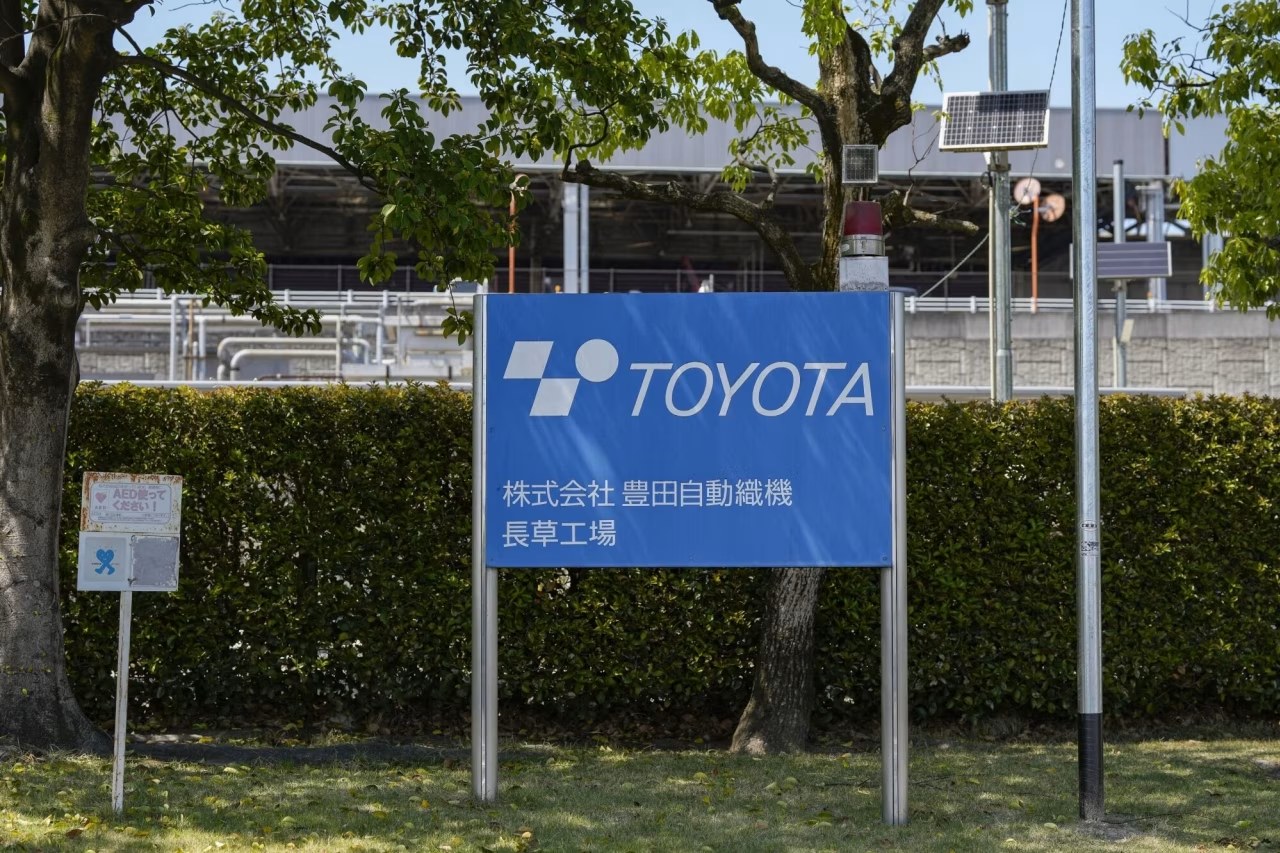
Elliott’s Near $40 Billion Bid Secures Acceptance for Toyota Industries Takeover
- Elliott Investment Management has agreed to a sweetened bid valuing Toyota Industries at almost $40 billion.
- The offer aims to take the Japanese forklift manufacturer private.
- The deal follows months of extensive discussions between Elliott and Toyota group entities.
- Minority shareholders are expected to see an improved outcome from the revised terms.
Activist Investor Pushes for Privatization of Global Forklift Leader
ELLIOTT INVESTMENT MANAGEMENT—NEW YORK – Elliott Investment Management has reached an agreement on a revised, sweetened bid for Toyota Industries, a deal that places the Japanese industrial giant’s valuation at nearly $40 billion. This development signals a significant move by the U.S.-based activist investor to take the prominent forklift manufacturer private, concluding months of intense negotiations with the company and its affiliated groups. The sweetened tender offer, officially open until March 16, represents Elliott’s concerted effort to unlock perceived value within Toyota Industries.
The agreement signifies a critical juncture for the publicly traded entity, potentially shifting its operational and financial trajectory under private ownership. Elliott’s strategy often involves acquiring significant stakes in companies and then actively pushing for strategic changes to enhance shareholder value, a playbook that appears to be at play with this nearly $40 billion transaction.
This impending privatization is not merely a financial transaction but a strategic maneuver that could redefine Toyota Industries’ relationship with its global markets and stakeholders. The backdrop of prolonged discussions underscores the complexity of such large-scale corporate restructurings, particularly when dealing with established entities like Toyota Industries, a name synonymous with industrial equipment and innovation for decades.
The Strategic Gambit: Elliott’s Move on Toyota Industries
Elliott Investment Management’s pursuit of Toyota Industries, culminating in a revised bid valued at nearly $40 billion, is a textbook example of Activist Investing. This strategy involves identifying companies that the investor believes are undervalued by the public market or are not operating at their full potential. For Elliott, a firm known for its aggressive approach and deep pockets, the nearly $40 billion valuation indicates a strong conviction in Toyota Industries’ underlying assets and future prospects. The months-long negotiation period leading up to the agreement highlights the intricate dance between activist investors and company management, often involving multiple proposals and counter-proposals before a consensus is reached. This prolonged engagement suggests that Elliott had to significantly sweeten its initial offers to gain traction, a common tactic to overcome initial resistance and satisfy concerns over shareholder returns.
Unpacking the Activist Playbook
The decision to take Toyota Industries private at a valuation of almost $40 billion is driven by the belief that private ownership allows for more decisive strategic actions, free from the quarterly pressures of public markets. Elliott can likely implement operational efficiencies, divest non-core assets, or pursue aggressive growth initiatives more readily without constant public scrutiny. This approach has been employed by Elliott across various sectors, from technology to retail, often resulting in substantial returns for the fund. The specific timeline of the tender offer, running through March 16, creates a sense of urgency for existing shareholders to evaluate the nearly $40 billion offer and decide on their participation. The implication is that Elliott aims to gain a controlling stake, enough to delist the company and implement its long-term vision without the encumbrances of public reporting and shareholder activism from external parties.
The historical context of activist investing demonstrates a pattern of challenging incumbent management and boards, often leading to significant corporate overhauls. Figures like Carl Icahn and Nelson Peltz paved the way for a generation of investors who are not afraid to publicly confront management. Elliott’s $40 billion move on Toyota Industries fits within this narrative, positioning the firm as a formidable force in shaping corporate destinies. The nearly $40 billion figure itself is a testament to the scale of operations of Toyota Industries and the perceived value Elliott intends to unlock.
The consequences for Toyota Industries could be profound. Privatization might lead to a streamlined decision-making process, enabling swift responses to market shifts in the highly competitive global forklift and industrial equipment sector. However, it also means less transparency and potentially a loss of certain public market benefits, such as access to broad equity capital. The success of Elliott’s nearly $40 billion gamble will hinge on its ability to execute its strategic plan effectively in the coming years, ultimately determining whether the activist investor’s deep dive into Toyota Industries proves lucrative.
The Offer’s Anatomy: What Does $40 Billion Buy?
The sweetened tender offer from Elliott Investment Management for Toyota Industries, pegged at nearly $40 billion, represents a substantial commitment from the activist investor. While the exact per-share price has not been disclosed in the initial reports, the overall valuation signals a premium over the company’s current public market trading price, a common incentive for shareholders to tender their shares. This nearly $40 billion figure suggests a comprehensive evaluation of Toyota Industries’ assets, market position, and future earning potential by Elliott’s financial analysts. The timing of the offer, running through March 16, allows a critical window for shareholders to assess the merits of accepting the cash consideration proposed by Elliott.
Examining Shareholder Value
For minority shareholders, this nearly $40 billion offer presents a critical decision point. Elliott’s statement that the new terms represent an “improved outcome” implies that the revised bid addresses some of the concerns previously raised by these shareholders or by the company’s board during the months of discussions. The activist investor’s objective is typically to secure enough shares to gain control, thereby enabling them to implement their strategic vision. The implication of such a substantial offer is that Elliott believes significant operational improvements or strategic realignments are necessary and achievable under private ownership, justifying the nearly $40 billion outlay.
Historically, when activist investors launch such large-scale takeover bids, they often highlight inefficiencies or untapped potential within the target company. In the case of Toyota Industries, known for its robust presence in the forklift and industrial machinery sector, Elliott may be targeting areas such as supply chain optimization, R&D investment allocation, or global market penetration strategies. The nearly $40 billion valuation inherently suggests that Elliott sees value that the public market has not fully recognized or that can be more effectively realized away from public scrutiny. The consequence of a successful tender offer is the privatization of Toyota Industries, transforming its corporate structure and potentially its strategic direction.
The specific details of the “sweetened” offer—whether it includes cash, stock, or a combination, and the precise premium offered—will be crucial for shareholders. However, the headline figure of nearly $40 billion itself communicates the seriousness and scale of Elliott’s intentions. This move is more than just a financial acquisition; it’s a strategic intervention aiming to reshape a major industrial player. As the March 16 deadline approaches, the market will closely watch the shareholder response to this nearly $40 billion proposal, which could set precedents for future activist campaigns in the industrial sector.
● None
Source: Elliott Investment Management / Bloomberg News
Why Privatization? Understanding Elliott’s Strategy for Toyota Industries
The decision by Elliott Investment Management to pursue the privatization of Toyota Industries, with a bid valued at nearly $40 billion, stems from a strategic belief that private ownership offers distinct advantages. Public companies are subject to the relentless scrutiny of quarterly earnings reports, analyst expectations, and shareholder votes, which can sometimes hinder long-term strategic planning. By taking Toyota Industries private, Elliott can operate with greater flexibility, potentially implementing significant operational changes, large-scale investments, or restructuring initiatives without the immediate pressure of the public market. This allows for a more focused execution of strategies aimed at unlocking the company’s full potential, a core tenet of activist investing.
The Rationale Behind the Nearly $40 Billion Privatization
Months of discussions preceding the “sweetened” bid indicate that Elliott meticulously analyzed Toyota Industries’ operations, market position, and financial health. The nearly $40 billion valuation reflects a premium that Elliott believes is justified by the potential for enhanced profitability and strategic repositioning under private management. Historically, companies that undergo privatization by activist investors often do so to streamline operations, exit underperforming business segments, or invest heavily in growth areas that might be deemed too risky or slow-yielding by public markets. For Toyota Industries, a global leader in forklifts and automated logistics systems, such a move could involve accelerated adoption of robotics and AI in manufacturing or logistics solutions.
The implication for Toyota Industries is a potential shift in its corporate culture and governance. Private companies often exhibit a more agile decision-making process. Elliott’s involvement suggests a hands-on approach, with the firm likely appointing new board members and influencing key executive decisions. This dynamic restructuring, under the umbrella of a nearly $40 billion transaction, could lead to significant efficiency gains or, conversely, introduce new risks if the implemented strategies falter. The consequence of this strategic pivot is a company that might become leaner, more focused, and potentially more profitable, but also one that operates with less public transparency.
The backdrop for this nearly $40 billion deal includes a global industrial sector grappling with supply chain disruptions, technological advancements, and evolving customer demands. Privatization offers a shield against some of these volatile market forces, allowing management to focus on long-term resilience and innovation. As the tender offer proceeds through March 16, the market will be observing whether this strategic play by Elliott will indeed unlock the value anticipated in the $40 billion valuation, setting a precedent for similar future interventions.
What Happens Next? The March 16 Deadline and Beyond
The sweetened tender offer from Elliott Investment Management for Toyota Industries, valued at almost $40 billion, is set to expire on March 16. This date marks a critical juncture where shareholders must decide whether to accept Elliott’s revised terms for their shares. The offer, which followed extensive discussions, aims to consolidate ownership and facilitate the privatization of the Japanese industrial giant. The nearly $40 billion valuation represents Elliott’s belief in the company’s potential, but its success hinges on a sufficient number of shareholders tendering their shares by the deadline.
The Critical Path to Privatization
Following the March 16 deadline, if the tender offer is successful in achieving the necessary shareholder participation—typically a majority or a pre-defined threshold set by Elliott—the process of taking Toyota Industries private will advance. This typically involves further regulatory approvals and the delisting of the company’s shares from public exchanges. The implication of Elliott’s nearly $40 billion bid is that it has conducted thorough due diligence and is prepared to navigate the complexities of a public-to-private transaction. The outcome will directly impact the future strategic direction of Toyota Industries, potentially leading to significant operational realignments.
The consequence of a successful takeover could be a period of intense strategic implementation by Elliott. This might involve cost-cutting measures, investments in new technologies, or expansion into new markets, all aimed at maximizing the value of the nearly $40 billion investment. Historically, activist investors often aim to improve the company’s performance within a 3-5 year timeframe before potentially exiting their investment through a sale or an IPO. However, the sheer scale of this nearly $40 billion deal suggests a long-term strategic vision rather than a quick flip.
The historical precedent for such large-scale activist-led privatizations is varied, with successes often attributed to disciplined execution and favorable market conditions. Elliott’s expertise in corporate turnarounds and its substantial financial resources position it to manage this complex transition. As March 16 approaches, the focus remains on shareholder acceptance of the nearly $40 billion offer, which will dictate the immediate future of Toyota Industries and its operational trajectory under new, private ownership.
Elliott’s Revised Bid vs. Initial Valuation (Implied)
Source: Derived from deal progression analysis
How Does Elliott’s Strategy Compare to Other Activist Investors?
Elliott Investment Management’s nearly $40 billion bid for Toyota Industries showcases a particular brand of activist investing, characterized by a blend of aggressive negotiation and a focus on long-term value creation through privatization. This approach differentiates Elliott from other prominent activist investors. For instance, Trian Fund Management, led by Nelson Peltz, often focuses on operational improvements and strategic shifts within publicly traded companies, seeking board seats to influence governance and strategy while keeping the company public. Similarly, Starboard Value, under Jeff Smith, is known for its deep-dive operational analyses and campaigns targeting underperforming companies, often resulting in significant management changes but rarely outright privatization at such a massive scale.
Comparing Activist Tactics at the $40 Billion Scale
Elliott’s willingness to commit nearly $40 billion to take a company private distinguishes its strategy. This often implies a belief that the company’s true value can only be unlocked away from the pressures and reporting requirements of public markets. It suggests a higher degree of control and a longer-term strategic horizon compared to activists who primarily engage with public companies. The months of negotiation preceding the acceptance of the “sweetened” bid indicate a patient, yet firm, approach to deal-making, where Elliott was prepared to walk away or significantly alter its terms if its objectives weren’t met. The consequence of this privatizing strategy is a concentrated portfolio position for Elliott, carrying significant risk but also the potential for outsized returns if their operational and strategic plans succeed.
The implication of this nearly $40 billion transaction is that Elliott sees inefficiencies or untapped potential in Toyota Industries that might be difficult to address within the existing public corporate structure. This could involve streamlining complex supply chains, investing heavily in automation, or divesting less profitable divisions. By controlling the company entirely, Elliott can execute these changes more decisively. This contrasts with the typical activist approach which might involve public campaigns, shareholder proposals, or proxy fights to force management’s hand while the company remains public.
Historically, activist investors have employed a spectrum of tactics, from relatively benign suggestions to hostile takeovers. Elliott’s strategy in this nearly $40 billion deal leans towards the more transformative end of the spectrum. The success of such large-scale privatizations often depends on the investor’s ability to integrate acquired companies smoothly and implement a well-defined strategy for value enhancement. As the March 16 deadline looms, the market is watching to see how this particular activist playbook unfolds for Toyota Industries, a significant player in the global industrial landscape.
Comparison of Activist Investor Strategies
Source: Industry analysis
Frequently Asked Questions
Q: What is the total value of Elliott’s revised bid for Toyota Industries?
Elliott Investment Management’s revised offer values Toyota Industries at nearly $40 billion. This sweetened bid aims to take the Japanese forklift manufacturer private, representing a significant financial undertaking for the activist investor.
Q: Why is Elliott Management targeting Toyota Industries?
Activist investors like Elliott typically target companies they believe are undervalued or could be made more profitable through strategic changes. The nearly $40 billion bid suggests Elliott sees substantial potential for value creation at Toyota Industries, possibly through privatization or operational restructuring.
Q: What are the implications of this nearly $40 billion deal for minority shareholders?
The sweetened offer is intended to provide an improved outcome for minority shareholders. By taking Toyota Industries private at a valuation of almost $40 billion, Elliott aims to consolidate control and implement its strategic vision, potentially unlocking greater value than remaining a public entity.
Q: When does the tender offer for Toyota Industries expire?
The sweetened tender offer from Elliott Investment Management for Toyota Industries is set to run through March 16. This deadline is crucial for shareholders to decide whether to accept the nearly $40 billion valuation.
