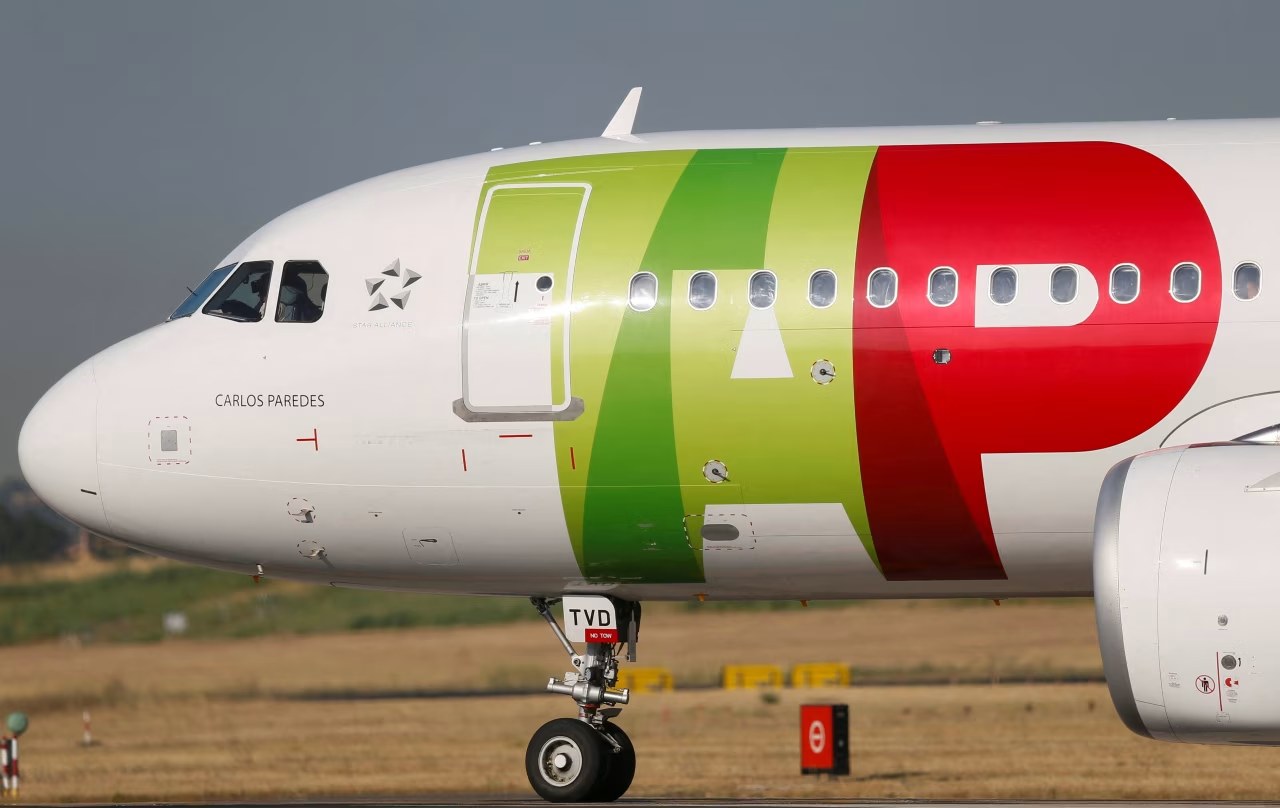
Two Major European Airline Groups Propose Bids for TAP Air Portugal, Signaling Sector Consolidation.
- Air France-KLM and Deutsche Lufthansa AG have formally submitted non-binding offers for a minority stake in Portugal’s state-owned carrier, TAP Air Portugal.
- The competition for TAP Air Portugal highlights a significant push for consolidation among European legacy airlines to expand network reach and market share.
- International Consolidated Airlines Group (IAG), parent company of British Airways and Iberia, had also previously signaled interest in a potential bid.
- The sale of a stake in TAP Air Portugal represents a pivotal moment for the airline’s future, potentially integrating it into one of Europe’s dominant aviation alliances.
European Aviation Sector Eyes Strategic Shift with Key Acquisition Bids
TAP AIR PORTUGAL—The intricate dance of consolidation within Europe’s highly competitive airline industry has taken a definitive turn, with two of the continent’s most powerful aviation groups, Air France-KLM and Deutsche Lufthansa AG, officially tabling non-binding offers for a minority stake in Portugal’s flag carrier, TAP Air Portugal. This significant development, emerging after months of speculative interest from several major players, underscores a broader strategic realignment underway across the European skies. The bids signal a critical juncture not only for TAP Air Portugal but also for the wider landscape of network carriers striving for dominance and efficiency in a challenging global market.
For weeks leading up to the formal submissions, the Portuguese state-owned airline had been a focal point of intense speculation, drawing attention from formidable contenders. Beyond Air France-KLM and Lufthansa, the International Consolidated Airlines Group (IAG), a titan that encompasses British Airways and Iberia, had also publicly expressed its keen interest in acquiring a share of TAP. This multi-party competition for TAP Air Portugal speaks volumes about the airline’s strategic value, particularly its geographical position and network access to key markets, including South America and Portuguese-speaking Africa.
The current phase, marked by non-binding offers, represents a crucial exploratory stage. It allows the prospective buyers to delve deeper into TAP Air Portugal’s financials, operational structures, and strategic assets without immediate legal commitments. For the Portuguese government, managing the sale of a significant national asset like TAP Air Portugal involves a delicate balance between securing commercial viability, preserving national interests, and navigating the complex regulatory environment that governs such large-scale transactions in the European Union. The outcome of these bids will undoubtedly reshape passenger routes, competitive dynamics, and potentially the very fabric of air travel across the continent.
The Strategic Value of TAP Air Portugal in a Consolidating Market
The recent submissions of non-binding offers by Air France-KLM and Lufthansa for a minority stake in TAP Air Portugal are not merely transactional events; they represent a deep strategic calculation within the fiercely competitive European aviation market. Industry analysts widely acknowledge TAP Air Portugal’s unique positioning, particularly its strong links to Brazil and Portuguese-speaking African nations, which are coveted growth markets. Dr. Anya Sharma, Head of Aviation Analytics at Stratos Consulting Group, emphasized this point, stating, “TAP Air Portugal offers a crucial gateway, a bridge that major European carriers desperately need to solidify their long-haul networks and diversify away from overly saturated transatlantic or Asian routes.” This geographical advantage translates into significant potential for expanded passenger traffic and cargo volumes for any acquiring entity.
Unlocking Network Synergies and Market Share
The pursuit of TAP Air Portugal by these aviation giants underscores a prevailing trend of network densification and market share aggregation. For Air France-KLM, integrating TAP Air Portugal could significantly bolster its presence in the South Atlantic, complementing its existing strongholds and offering seamless connections for passengers traveling between Europe and South America. Similarly, Lufthansa, which has historically focused heavily on Central and Eastern European markets, sees an opportunity to expand its southern European footprint and enhance its global network reach. The combined effect of such an acquisition would be substantial: fewer independent players, greater dominance for the large groups, and potentially streamlined operations across a wider array of destinations.
The expressed interest from International Consolidated Airlines Group (IAG) further highlights TAP Air Portugal’s appeal. IAG already boasts a robust transatlantic network through Iberia and British Airways, but adding TAP Air Portugal could provide an additional layer of resilience and market penetration, especially in the competitive South American corridor. The fight for TAP is, therefore, a fight for strategic advantage in a market where organic growth is increasingly challenging. As airlines face fluctuating fuel prices, environmental regulations, and evolving passenger demands, expanding through targeted acquisitions becomes a vital strategy for long-term survival and prosperity. The ongoing competition promises to redraw the map of European airline influence, setting the stage for increased competition on a global scale.
What Drives the Intense Competition for TAP Air Portugal?
The robust interest from Air France-KLM, Lufthansa, and previously IAG in securing a stake in TAP Air Portugal is fundamentally driven by deep-seated economic and strategic imperatives within the European aviation sector. Industry experts at the European Centre for Transport Studies point to a mature market characterized by intense competition, high fixed costs, and the persistent need for scale. “To achieve sustainable profitability and resilience against economic headwinds, airlines must continually seek opportunities for consolidation and network optimization,” noted Dr. Marcus Lindqvist, a senior economist at the Centre. This perspective underscores why a mid-sized, strategically located airline like TAP Air Portugal becomes a prime target for expansion-hungry giants.
Consolidation as a Survival Strategy
Historically, the European airline industry has witnessed numerous waves of consolidation, with larger groups absorbing or acquiring stakes in smaller or financially distressed carriers to create formidable networks. This trend is not merely about size; it’s about gaining efficiencies through shared resources, unified procurement, and optimized route structures. For the bidding parties, acquiring a minority stake in TAP Air Portugal offers a pathway to expand their reach into underserved or strategically important markets without the prohibitive costs and regulatory hurdles of organic expansion. It allows them to leverage TAP’s existing slots, bilateral agreements, and brand recognition, particularly in Lusophone countries, enhancing their own competitive posture against rival alliances.
The presence of multiple bidders – Air France-KLM, Lufthansa, and the earlier expression of interest from IAG – demonstrates that the appetite for such strategic assets remains high among the continent’s aviation leaders. Each group views TAP Air Portugal as a puzzle piece that could complete or significantly enhance their respective global networks. This fierce competition ultimately benefits the seller, the Portuguese state, by potentially driving up the value and ensuring a competitive bidding process. The outcome will not only determine TAP Air Portugal’s future but also signal the direction of European aviation market power for the coming years, particularly regarding the balance between the major airline alliances.
The Competing Visions: Air France-KLM, Lufthansa, and IAG’s Ambitions
The bids for a minority stake in TAP Air Portugal represent distinct strategic maneuvers by Europe’s leading airline groups, each with a unique vision for integration and growth. Air France-KLM, a Franco-Dutch powerhouse, is known for its extensive global network and its position within the SkyTeam alliance. Their interest in TAP Air Portugal likely stems from a desire to fortify their South American connections, creating a powerful hub-and-spoke system through Lisbon. According to a recent analysis by ‘European Aviation Outlook,’ “Air France-KLM’s strategy often involves deepening partnerships and expanding their long-haul reach, making TAP Air Portugal an almost perfect geographical fit to bolster their lucrative Brazil routes and connect with emerging African markets.” This approach prioritizes network synergy and a stronger competitive edge against rivals.
Diverse Strategies, Shared Goal: Market Dominance
Deutsche Lufthansa AG, a cornerstone of the Star Alliance, operates with a slightly different, though equally ambitious, strategic playbook. Lufthansa has historically pursued a strategy of acquiring and integrating other European carriers, often maintaining their brand identities while leveraging group-wide synergies. Its interest in TAP Air Portugal aligns with its goal of building a robust portfolio of airlines across Europe, extending its influence beyond its traditional German and Central European strongholds. An expert at the ‘Global Airline Insights’ forum highlighted that “Lufthansa’s bids typically focus on creating a multi-brand strategy, which could allow TAP Air Portugal to retain a degree of autonomy while benefiting from the financial and operational muscle of the larger group.” This ensures market diversification and reduced reliance on any single market.
While International Consolidated Airlines Group (IAG) did not submit a non-binding offer this time, its earlier expressed interest reveals the broader competitive landscape. IAG, home to British Airways and Iberia, exemplifies a strategy of building a formidable multi-national airline group. Their potential interest in TAP Air Portugal would have been aimed at complementing Iberia’s strong Latin American network and expanding overall group capacity. The fact that three such prominent groups were eyeing the same asset underscores TAP Air Portugal’s perceived value and the aggressive pursuit of strategic advantage. The ultimate victor will not only acquire a stake in TAP but also gain a significant competitive advantage in the ongoing battle for supremacy in the European aviation market, impacting passenger choices and connectivity across continents for years to come.
Privatization and National Interest: The Stakes for Portugal’s TAP
The prospect of a minority stake sale in TAP Air Portugal carries profound implications for Portugal, extending beyond mere commercial transactions to touch upon national economic policy and identity. As a state-owned enterprise, TAP Air Portugal has long served as a strategic asset, providing crucial air links and fostering economic development, particularly in tourism. The decision to privatize, even partially, signals a shift in governmental strategy, likely driven by a desire to inject capital, improve efficiency, and alleviate the financial burden on the state. Dr. Elena Santos, a policy expert specializing in European state enterprises at the University of Lisbon, observed, “For governments, partial privatization can be a pragmatic solution to secure the future of a national carrier without entirely relinquishing control over its strategic direction or impact on the national economy.”
Balancing Commercial Viability and National Priorities
Selling a minority stake, as opposed to a full divestment, represents a careful calibration by the Portuguese government. This approach aims to attract significant investment and operational expertise from leading European airlines while retaining a degree of influence over TAP Air Portugal’s core operations and its role in connecting Portugal to the world. A major concern in such sales is often the potential impact on employment, regional connectivity, and the airline’s brand identity. Striking the right balance ensures that the benefits of private investment—such as enhanced route networks, modernized fleets, and improved service quality—are realized without compromising the airline’s commitment to national interests and the wider Portuguese economy.
The non-binding nature of the current offers allows for extensive negotiation, providing Portugal with leverage to secure favorable terms that align commercial interests with national priorities. The involvement of major players like Air France-KLM and Lufthansa ensures that TAP Air Portugal will likely be integrated into a larger, more resilient network, potentially opening new opportunities for growth and stability. However, the path ahead involves navigating complex political and economic considerations, as the state must weigh immediate financial gains against long-term strategic benefits and public sentiment regarding the future of its national flag carrier. The coming months will be crucial in defining not just TAP’s ownership structure but also its trajectory within the global aviation landscape.
Navigating the Regulatory Landscape and Future Outlook for TAP Air Portugal
The path from non-binding offers to a completed acquisition of a stake in TAP Air Portugal is fraught with complex regulatory hurdles, particularly within the stringent framework of European competition law. Any significant acquisition involving major airlines operating within the European Union is subject to rigorous review by the European Commission’s antitrust authorities. These bodies meticulously assess whether a proposed deal would unduly restrict competition, lead to dominant market positions, or harm consumer choice. Mr. Julian Vance, a leading expert in EU competition law at EuroLegal Advisory, commented, “The Commission’s primary concern will be to ensure that the consolidation does not create monopolies on key routes or stifle innovation. This often leads to demands for slot divestments or commitments on pricing to maintain a competitive environment.”
Antitrust Scrutiny and Market Impact
For both Air France-KLM and Lufthansa, the regulatory clearance process will be a critical step. Their existing extensive networks mean that any integration with TAP Air Portugal could potentially trigger antitrust concerns on specific routes where overlapping services might reduce competition. This aspect adds a layer of uncertainty and complexity to the acquisition timeline, often necessitating concessions from the acquiring party. Beyond regulatory approval, the successful integration of TAP Air Portugal into a larger group involves significant operational and cultural challenges. Harmonizing IT systems, fleet commonality, labor agreements, and service standards requires meticulous planning and execution to unlock the promised synergies and efficiencies.
Looking ahead, the successful acquisition of a minority stake in TAP Air Portugal would not only inject fresh capital and expertise but also likely transform the airline’s strategic direction. It could lead to a stronger financial footing, expanded route offerings, and improved passenger experience, securing TAP Air Portugal’s long-term viability in a highly dynamic market. However, the exact shape of TAP’s future, its operational independence, and its role within a major European airline group will depend heavily on the detailed terms of the definitive agreement and the conditions imposed by regulatory bodies. The outcome will be closely watched by the industry, setting a precedent for future M&A activities in the European skies and signaling a new chapter for the Portuguese flag carrier.
Frequently Asked Questions
Q: Which airlines are bidding for TAP Air Portugal?
Air France-KLM and Deutsche Lufthansa AG have submitted non-binding offers for a minority stake in Portugal’s state-owned airline, TAP Air Portugal. International Consolidated Airlines Group (IAG), which includes British Airways and Iberia, had also previously expressed interest in bidding for a stake, indicating broad competitive interest in TAP Air Portugal.
Q: Why is there interest in a minority stake in TAP Air Portugal?
Interest in a minority stake in TAP Air Portugal is driven by the broader trend of consolidation within the European aviation sector. Acquiring a stake in TAP offers major carriers like Air France-KLM and Lufthansa strategic advantages, including expanded network reach, access to new routes, and increased market share in a highly competitive industry. It strengthens their position against rival alliances.
Q: What is the significance of a ‘non-binding offer’ for TAP Air Portugal?
A non-binding offer for TAP Air Portugal signifies an initial declaration of interest and proposed terms without legal obligation. It allows potential buyers like Air France-KLM and Lufthansa to conduct further due diligence and negotiations without committing fully. This phase is crucial for assessing financial viability and strategic alignment before a definitive, legally binding agreement can be pursued for TAP Air Portugal.
📰 Related Articles
- Delta Partners with Amazon’s Leo to Revolutionize In‑Flight Wi‑Fi Speed
- Minute-by-Minute Dissection of the Fatal LaGuardia Crash Reveals ATC Slip
- Airlines Keep Soaring Over Conflict as Missiles Threaten Middle East Skies
- Iran Conflict Forces Emirates and Gulf Rivals to Cancel Hundreds of Regional Flights
