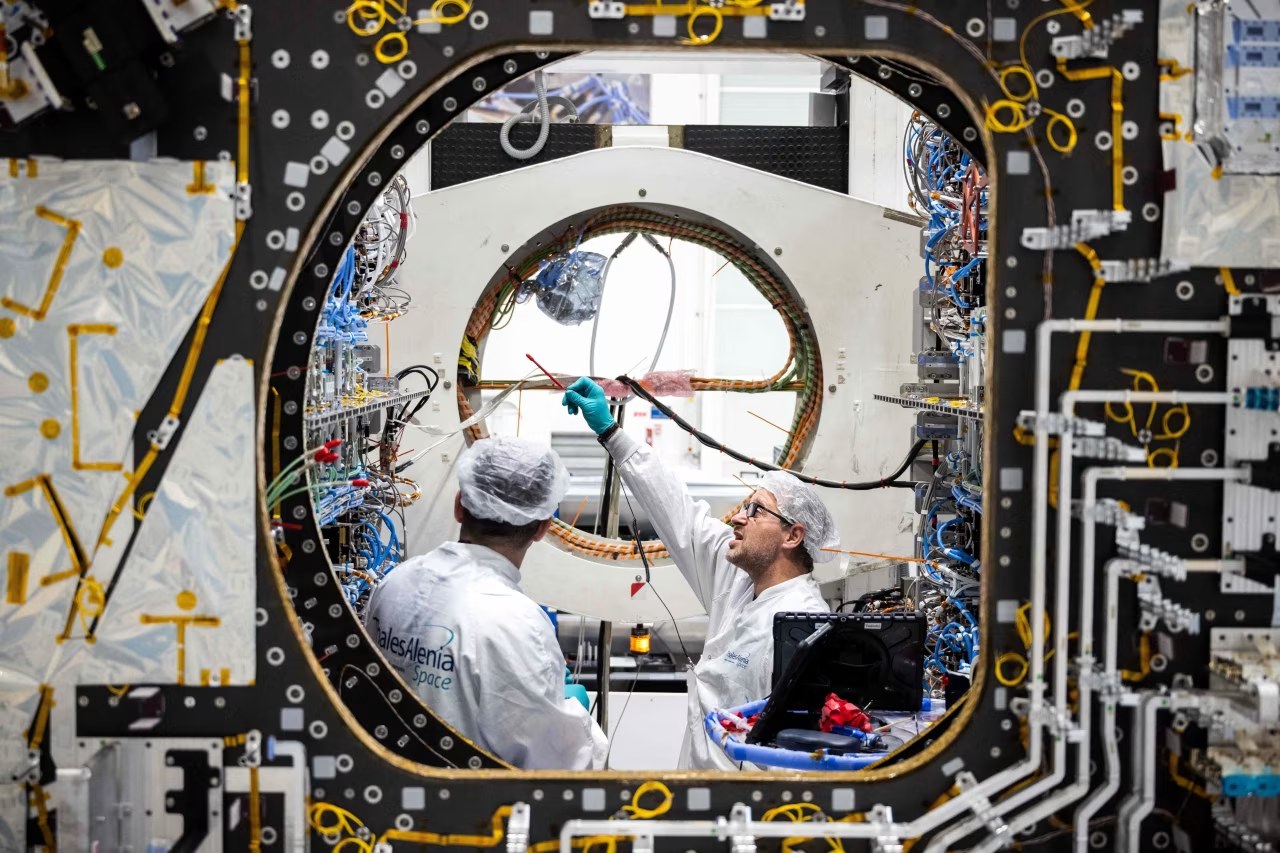
European Space Merger Faces 4% Market-Share Cap Set by Regulators
Proposed €7 billion launch giant draws fire from smaller rivals across the continent
EUROPEAN SPACE MERGER—Plans to fold Europe’s three largest launch providers into a single €7 billion entity are running into stiff resistance from regional satellite firms that warn the deal would choke competition and drive up prices. Regulators have responded by floating a 4% cap on the combined group’s share of any single payload class, according to people close to the talks.
- Proposed European Launch Alliance valued at €7 billion
- Regulators weigh 4% market-share ceiling per payload segment
- Smaller rivals in Italy, Spain and Sweden file formal objections
- Officials aim to match SpaceX’s $4 billion annual launch cadence
The merger would pool state subsidies and manufacturing capacity behind one banner, but critics say independent satellite makers could wait years for a launch slot.
Why Brussels Wants One European Launch Giant
Pooling subsidies seen as only way to keep pace with SpaceX
European officials argue that merging Arianespace, Avio and a German propulsion unit is the fastest route to a launcher that can fly as often as SpaceX’s Falcon 9. The combined balance sheet would reach €7 billion, rivalling the annual $4 billion output of the California company that now captures more than half of global commercial orders.
Under the plan, France-based ArianeGroup would hold a 54% stake in the new European Launch Alliance, with Italy’s Avio taking 31% and German aerospace supplier MT Aerospace the remainder. State backers say the structure preserves national industrial champions while ending the duplication that has left Europe with only two orbital flights in 2025.
Smaller Rivals Say Slots Will Disappear
Italian, Spanish and Swedish startups warn of higher prices and longer queues
A group of 14 regional operators told the European Commission that a single launch provider would control 84% of available European slots, leaving small satellites to wait up to 36 months for a ride. The complainants include Spain’s PLD Space, Sweden’s Ovzon and Italy’s Sidereus, each planning debut flights before 2027.
They want regulators to force the merged group to reserve 1% of every launcher’s capacity for payloads under 300 kg at fixed prices, arguing that anything less will push innovators toward Indian or U.S. rockets. The Commission has signalled it could accept the 4% cap, but only if the alliance signs five-year service contracts with new entrants.
Timeline: From Proposal to Possible Veto
Brussels has four months to clear, block or demand deeper concessions
The file landed at the Commission’s merger task-force in January after months of informal talks. Staff sent a 42-page statement of objections last week, setting a mid-April deadline for replies. A preliminary decision is due by July, followed by a final verdict before year-end that could hinge on whether the 4% share cap wins backing from all 27 EU member states.
Key Dates in the Review Process
Jan 2026
Apr 2026
Jul 2026
Dec 2026
Frequently Asked Questions
Q: Who opposes the European space merger?
Regional launch startups and satellite makers in Italy, Spain and Sweden say folding Europe’s three main providers into one €7 billion entity will cut their access to launch slots and raise costs.
Q: What is the merger’s stated goal?
Officials want a single European Launch Alliance able to pool state subsidies and compete with SpaceX’s $4 billion annual launch output, while guaranteeing independent access to orbit.
Q: When will regulators rule?
The European Commission is expected to issue a preliminary decision within four months, with a final verdict due by late 2026.
Sources & References
- Primary SourceEuropean Space Merger Faces Pushback From Local Competitorswsj.com
