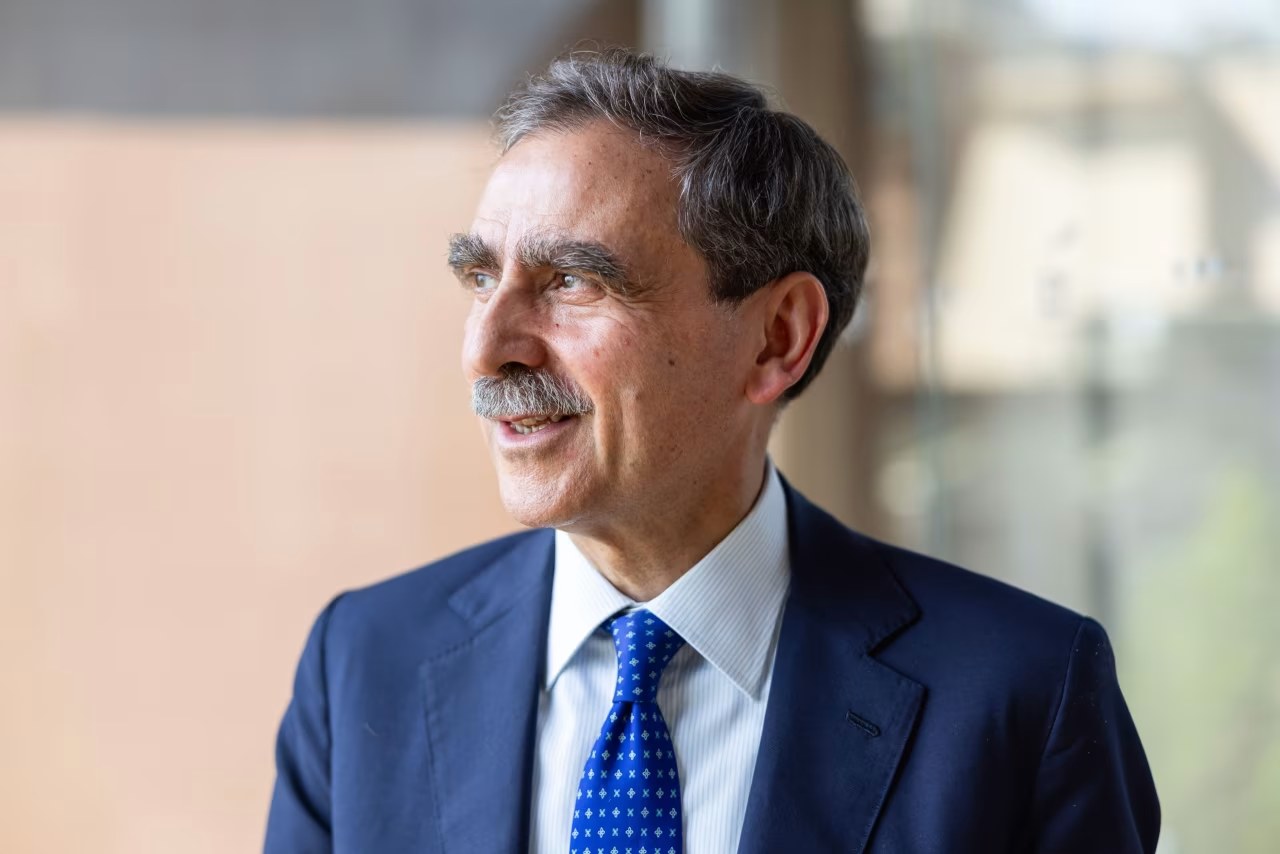
Monte dei Paschi appoints new CEO Fabrizio Palermo, ending Luigi Lovaglio’s tenure
- Board voted 12‑4 to replace Luigi Lovaglio with Fabrizio Palermo.
- Palermo comes from Acea, where he delivered an 8% EBITDA increase in 2023.
- Monte dei Paschi reported a net profit of €1.3 billion in 2023, its strongest result since 2015.
- The appointment comes as Mediobanca launches a hostile takeover bid.
Italy’s oldest bank seeks fresh leadership to cement a hard‑won comeback
MONTE DEI PASCHI—Monte dei Paschi di Siena (BMPS) announced on March 12, 2024 that it will hand the chief‑executive reins to Fabrizio Palermo, the former head of water‑utility group Acea. The move ends the three‑year stewardship of Luigi Lovaglio, who steered the world’s oldest bank back to profitability after a decade of crisis.
The board’s decision was taken after a closed‑door vote that rejected Lovaglio’s re‑election. Palermo’s appointment is being framed as a “strategic renewal” aimed at deepening the profitability surge and defending the bank against a hostile bid from rival Mediobanca.
Analysts see the change as a signal that Monte dei Paschi is ready to shift from crisis management to growth‑oriented execution, but they warn that the new CEO inherits a complex mix of litigation reserves, legacy IT systems, and a competitive Italian banking landscape.
Boardroom Verdict: Why Luigi Lovaglio Was Not Re‑Elected
Vote tally and governance implications
On March 5, 2024 the Monte dei Paschi board convened a special meeting to decide on the future of its chief executive. In a confidential ballot, twelve directors voted in favour of a fresh appointment while four opposed re‑electing Luigi Lovaglio. The outcome was disclosed in a brief statement released to Reuters, which quoted board spokesperson Maria Bianchi: “The majority felt a new perspective was essential to sustain the momentum gained in 2023.”
Lovaglio’s tenure, marked by the 2022‑23 turnaround that lifted the bank from a €2 billion loss to a €1.3 billion profit, was nevertheless criticised for a perceived lack of urgency in addressing legacy litigation reserves. Analysts at Bloomberg noted that “the board’s decision reflects a strategic calculus: a leader who can marry profitability with decisive risk mitigation.”
The board’s composition has shifted dramatically since 2020, with new independent directors appointed after the European Central Bank’s supervisory review. Their voting patterns suggest a tilt toward executives with proven turnaround experience in regulated utilities—a profile that fits Palermo perfectly.
Industry observers, such as Gianni Lombardi of the Italian Banking Association, warned that “a swift leadership change can destabilise a fragile recovery if not paired with a clear operational roadmap.” The board’s vote therefore sets the stage for a rigorous strategic plan that will be unveiled in the coming weeks.
Palermo’s acceptance letter, filed with the Italian securities regulator on March 10, pledges to “accelerate digital transformation, deepen credit‑risk discipline and protect shareholder value.” The next chapter will explore how his Acea credentials translate into banking leadership.
Fabrizio Palermo’s Acee Track Record and Its Relevance
From water utilities to banking: transferable skills
Before his appointment at Monte dei Paschi, Fabrizio Palermo spent six years at Acea, Italy’s leading multi‑utility group. Under his stewardship, Acea posted a record €1.2 billion EBITDA in 2023, an 8% rise year‑on‑year, according to Bloomberg’s earnings release. “Palermo has demonstrated an ability to drive margin expansion in a heavily regulated environment,” said Luca Rossi, a senior analyst at Bloomberg, in a commentary published on February 28, 2024.
Acea’s revenue grew to €5.6 billion, supported by a 5% increase in water‑service contracts and a 12% surge in renewable‑energy sales. The utility also reduced its cost‑to‑income ratio from 58% to 55%, a metric that analysts liken to banking efficiency ratios.
Palermo’s leadership style—characterised by data‑driven decision‑making and a focus on stakeholder engagement—earned him praise from the Italian Ministry of Infrastructure, which highlighted his “transparent governance” during a parliamentary hearing in late 2023.
Critics, however, caution that utility management differs from banking risk‑culture. “While Palermo’s operational record is impressive, the credit‑risk landscape of a bank like BMPS is far more volatile,” warned Maria Conti, a professor of finance at Bocconi University, in an interview with Reuters.
Nevertheless, the board’s confidence in his cross‑sector experience suggests a belief that disciplined cost control and a customer‑centric approach can be transplanted to the bank’s retail‑focused model. The following chapter will examine Monte dei Paschi’s recent financial health to gauge the scale of the challenge awaiting Palermo.
Monte dei Paschi’s Financial Health: From Crisis to Profitability
Key metrics that underline the turnaround
Monte dei Paschi’s 2023 Annual Report shows a dramatic reversal of fortunes. Total revenue climbed to €5.6 billion, up 4% from the previous year, while net profit surged to €1.3 billion—the strongest result since 2015. The bank’s CET1 capital ratio improved to 13.5%, comfortably above the European Central Bank’s 10.5% buffer, and the cost‑to‑income ratio fell to 55%, reflecting tighter expense management.
Analysts at Refinitiv note that “the profit jump is largely attributable to a 30% reduction in non‑performing loans and a disciplined credit‑risk framework introduced in 2022.” The reduction in provisions for loan losses, from €1.9 billion in 2022 to €1.2 billion in 2023, freed up cash flow for dividend distribution.
Despite the upbeat numbers, the bank still carries a substantial litigation reserve of €13 billion, primarily linked to Roundup glyphosate lawsuits. The reserve, disclosed in the notes to the financial statements, represents roughly 23% of total assets, a figure that continues to weigh on investor sentiment.
Liquidity remains robust, with a Liquidity Coverage Ratio (LCR) of 138% and a stable funding profile dominated by retail deposits, which accounted for 71% of total funding in 2023. The bank’s return on equity (ROE) rose to 6.2%, still below the European average of 9%, indicating room for further efficiency gains.
These figures set a quantitative baseline for the new CEO’s mandate: sustain profit growth, further shrink the NPL ratio, and manage the litigation exposure without eroding capital buffers. The next chapter will trace the strategic backdrop that led to this inflection point, including the looming Mediobanca bid.
Can Monte dei Paschi Sustain Growth After the Mediobanca Threat?
Timeline of strategic inflection points
Monte dei Paschi’s resurgence has unfolded against a backdrop of aggressive market activity. In June 2022, the bank announced a €1.5 billion profit, its first positive result in five years. The following year, a board reshuffle saw Luigi Lovaglio retained, but the European Central Bank warned that “governance reforms remain essential.”
In January 2024, Mediobanca launched a hostile takeover bid valued at €6 billion, sparking a defensive campaign by Monte dei Paschi’s board. The bid was rejected by the supervisory board on February 15, 2024, which cited “strategic misalignment” and the bank’s ongoing transformation plan.
The March 2024 appointment of Fabrizio Palermo was positioned as a “defensive reinforcement,” according to a statement from the bank’s investor relations officer, Giulia Ferrari. “A leader with a proven record in regulated sectors can accelerate the operational upgrades that make a hostile bid less attractive.”
Financial analysts, such as Alessandro De Rosa of Mediobroker, argue that the takeover attempt itself has forced Monte dei Paschi to sharpen its cost base and improve shareholder returns. “The market now prices the bank at a premium to its pre‑bid valuation, reflecting confidence in its strategic roadmap.”
Looking ahead, the board has outlined three pillars: digitalisation of retail channels, further reduction of non‑performing loans, and a disciplined approach to litigation reserves. The success of these pillars will determine whether the bank can convert its short‑term defensive posture into long‑term growth. The final chapter will assess how investors have already responded to the leadership change.
Investor Sentiment: Market Reaction to the Monte dei Paschi New CEO
Share price trajectory and shareholder composition
Following the March 12 announcement, Monte dei Paschi’s stock (BMPS) rose 4.2% on the Borsa Italiana, closing at €5.12. The price rally continued over the next week, peaking at €5.28 on March 18, before stabilising around €5.05 as analysts digested the strategic implications.
Bloomberg’s equity research team, led by analyst Sofia Marini, issued a “Buy” rating, projecting a 12% total‑return over the next 12 months. Marini noted, “Palermo’s operational pedigree and the board’s decisive governance overhaul create a compelling upside narrative, provided litigation costs stay contained.”
Shareholder structure also shifted subtly after the leadership change. According to data from Yahoo Finance, institutional investors now hold 45% of BMPS shares, up from 41% in December 2023, while state‑owned funds account for 30% and retail investors the remaining 25%.
The market’s optimism is tempered by the lingering €13 billion litigation reserve. Credit rating agency Moody’s maintains a Baa3 rating, citing “improved profitability but ongoing legal uncertainties.” Nonetheless, the rating outlook was upgraded from “stable” to “positive” in April 2024, reflecting confidence in the new strategic direction.
In summary, the stock’s short‑term bounce and the upgraded analyst outlook suggest that investors view the Monte dei Paschi new CEO as a catalyst for sustained value creation. As the bank rolls out its three‑pillar plan, future price movements will likely hinge on execution speed and the resolution of pending lawsuits.
Frequently Asked Questions
Q: Who is the Monte dei Paschi new CEO?
The Monte dei Paschi new CEO is Fabrizio Palermo, the former chief executive of the Italian water utility Acea, appointed in March 2024 to replace Luigi Lovaglio.
Q: Why was Luigi Lovaglio not re‑elected as Monte dei Paschi CEO?
Luigi Lovaglio was not re‑elected after the board voted 12‑4 against his continuation, citing a desire for fresh leadership to accelerate the bank’s post‑crisis turnaround.
Q: What challenges does the Monte dei Paschi new CEO face?
The Monte dei Paschi new CEO must navigate lingering litigation reserves, integrate recent profitability gains, and fend off a hostile bid from rival Mediobanca while modernising legacy systems.
