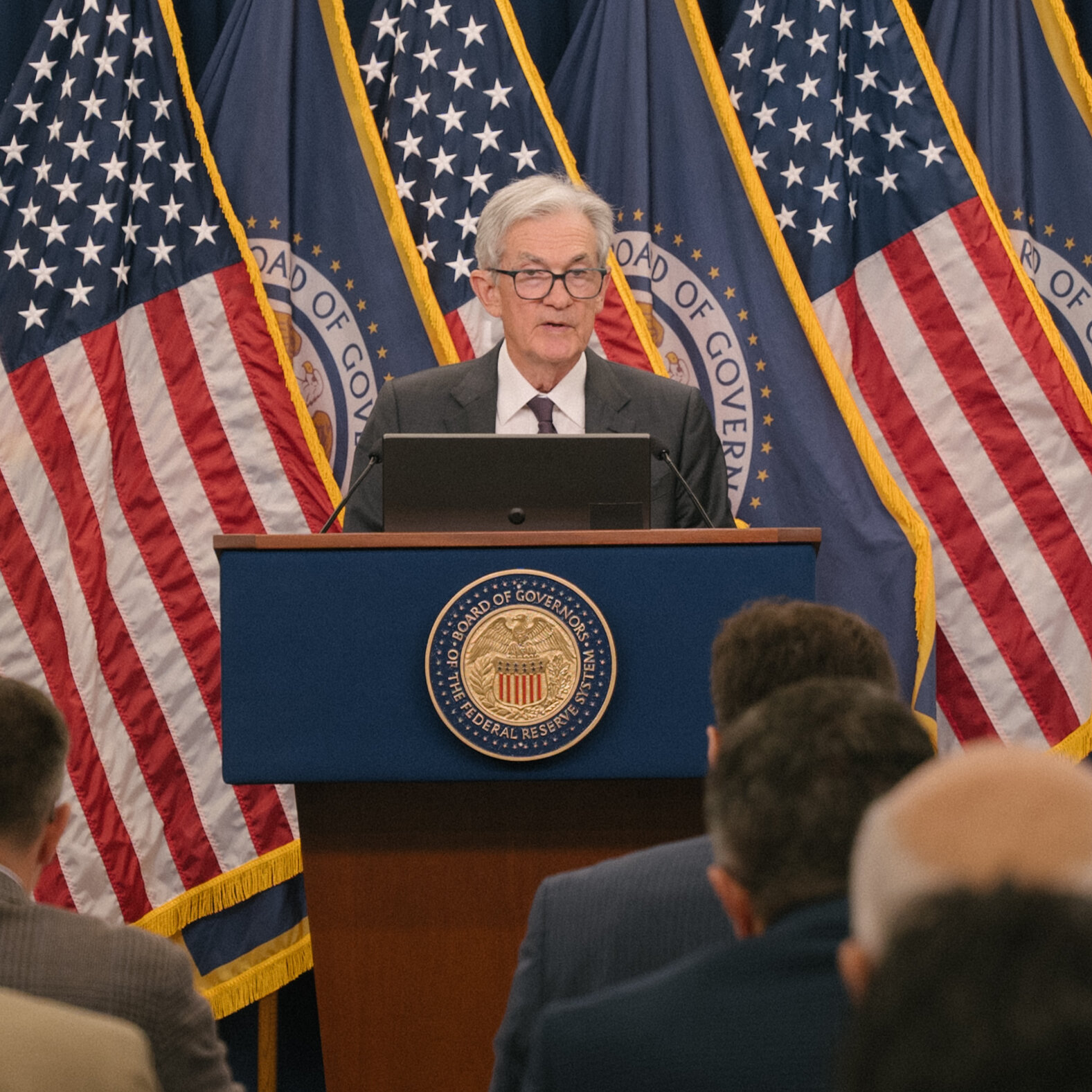
FEDERAL RESERVE—The Federal Reserve, based on the latest minutes release, does not seem to be in a hurry to restart cutting interest rates. This pause in monetary easing suggests that, unless there is a drastic downturn in employment figures or a substantial drop in inflation rates, the Fed is leaning towards maintaining the current interest rate levels for the foreseeable future.
The Market Trigger
Understanding the Fed’s Stance
The Federal Reserve’s decision to hold off on further rate cuts comes as a response to the current economic landscape. With inflation still a concern and the labor market showing resilience, the Fed is adopting a cautious approach, preferring to wait and observe how these factors evolve before making any significant moves.
This stance is indicative of the Fed’s dual mandate: to promote maximum employment and price stability. The current economic data suggests that while employment is strong, inflation remains above the Fed’s target rate, thus necessitating a careful balancing act.
The implications of this decision are multifaceted. On one hand, maintaining the current interest rates could help in controlling inflation, which has been a persistent issue. On the other hand, it might slow down economic growth, potentially affecting employment rates and overall consumer spending.
Market Mechanics and the Role of Interest Rates
Economic Growth and Interest Rates
Interest rates play a pivotal role in steering the economy. Lower interest rates are typically used to stimulate economic growth by making borrowing cheaper, thereby encouraging consumer and business spending. Conversely, higher interest rates are used to curb inflation by reducing borrowing and spending, thus slowing down the economy.
The Fed’s decision not to cut rates indicates a belief that the current economic conditions do not necessitate further stimulation. This could be seen as a vote of confidence in the economy’s ability to sustain its current growth trajectory without additional monetary support.
However, this approach also carries risks. If the economy were to experience an unexpected downturn, the Fed’s decision could be seen as premature, especially if it leads to higher unemployment and reduced consumer spending. The delicate balance between growth and inflation control is thus at the forefront of the Fed’s deliberations.
Macro Backdrop and Global Economic Trends
Global Economic Trends and the Fed’s Decision
The global economic landscape also plays a significant role in the Fed’s decision-making process. Global events, such as trade tensions and geopolitical instability, can have far-reaching effects on the US economy, influencing both inflation and employment.
The current global scenario, marked by slowing growth in several major economies and ongoing trade disputes, presents a complex backdrop against which the Fed must make its decisions. The choice to maintain current interest rates reflects a careful consideration of these global factors and their potential impacts on the US economy.
Moreover, the Fed’s actions are closely watched by other central banks around the world. The decision to hold off on rate cuts could influence monetary policy decisions globally, as central banks often take cues from the Fed’s actions due to the dollar’s status as a global reserve currency.
Earnings & Fundamentals in the Context of Fed Decisions
The Impact on Earnings and Fundamentals
The Fed’s decision on interest rates has a direct impact on businesses and their financial operations. Lower interest rates can lead to increased borrowing, potentially boosting investment and production. Conversely, higher or stable interest rates may lead to reduced borrowing, affecting businesses’ ability to invest and expand.
For investors, the Fed’s stance on interest rates is crucial. It influences the attractiveness of different asset classes, such as bonds versus stocks, and can impact the overall valuation of the market. The decision to maintain current rates suggests that the Fed believes the economy can continue on its current path without needing additional stimulus, which could have implications for earnings and corporate fundamentals.
The response from the corporate sector will be closely monitored. Companies may adjust their strategies based on the interest rate environment, affecting their profit margins, capital expenditures, and ultimately, their bottom line.
Risk & Volatility in Financial Markets
Risk and Volatility in the Financial Markets
The financial markets are inherently volatile, and the Fed’s decisions are a significant factor influencing this volatility. The choice to hold interest rates steady reduces the likelihood of a short-term market shock but does not eliminate the possibility of volatility stemming from other sources, such as geopolitical events or unexpected economic data.
Investors and traders will continue to watch the Fed’s actions closely, as any hints of a change in monetary policy could lead to significant market movements. The current stance of the Fed, indicating a period of stability in interest rates, may lead to a decrease in short-term market volatility but could also contribute to a sense of complacency among investors, potentially setting the stage for future market shocks.
Stakeholder Impact and Forward Strategy
Impact on Stakeholders and Forward Strategy
The Fed’s decision affects a wide range of stakeholders, from consumers and businesses to investors and foreign economies. Consumers may see the impact in terms of borrowing costs for mortgages, credit cards, and car loans. Businesses will consider the implications for their investment strategies, production costs, and pricing.
For investors, the decision provides clarity on the direction of monetary policy, influencing investment decisions across various asset classes. The lack of immediate rate cuts suggests a period of stability, which could favor investments that perform well in low-volatility environments.
Looking forward, the strategy for stakeholders will involve closely monitoring economic indicators, Fed communications, and global events for any signs of a shift in monetary policy. The ability to adapt to changing economic conditions and policy decisions will be crucial for navigating the financial landscape effectively.
