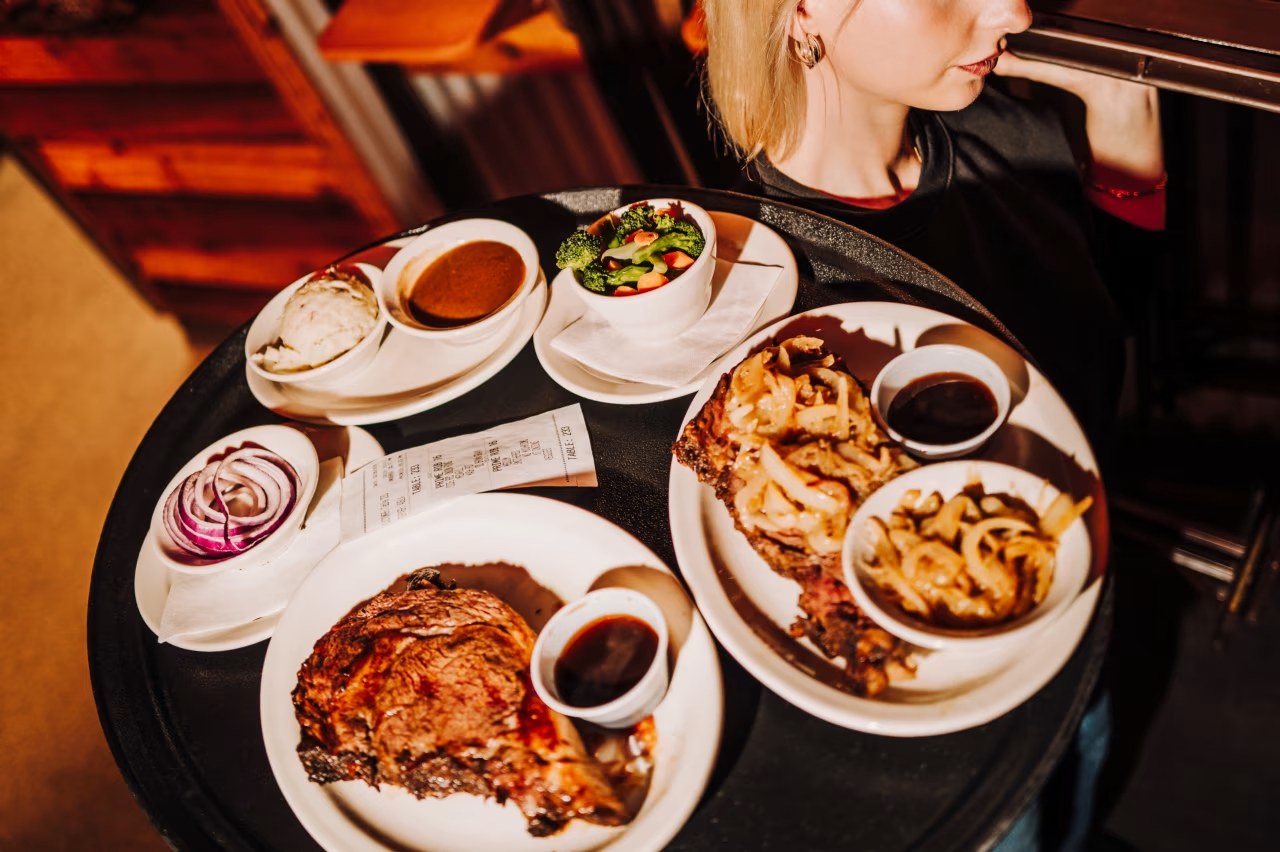
23‑Ounce Steak Propels Texas Roadhouse to #1 Casual‑Dining Chain
- Signature 23‑ounce steak sold for under $20
- Largest sit‑down restaurant chain in the U.S. by sales
- Neon Texas iconography and line‑dancing waitstaff define the brand
- Rising beef prices threaten the low‑price model
How a single steak reshaped an entire segment of American dining
TEXAS ROADHOUSE—Texas Roadhouse isn’t based in Texas, but it lives and breathes the Lone Star mythos. From neon signs that crown the state with a cowboy hat to waitstaff who break into line dancing, the chain has turned a regional aesthetic into a national franchise phenomenon.
The centerpiece of that phenomenon is a “Texas‑size” 23‑ounce steak, priced at less than $20. The combination of size, price and showmanship has vaulted the brand to the top of U.S. casual‑dining sales, outpacing rivals that rely on upscale décor or extensive wine lists.
Now, chief executive Jerry Morgan faces a dilemma he can’t fully control: a steep rise in beef prices that threatens to erode the thin margins that make the sub‑$20 steak possible.
Why Texas Roadhouse’s 23‑Ounce Steak Resonates with Diners
Size matters: the psychology of a massive steak
When a diner sees a 23‑ounce cut on a menu, the brain registers a value proposition that dwarfs the $20 price tag. Behavioral economics tells us that perceived value spikes when quantity appears to outstrip cost, a principle Texas Roadhouse exploits daily. The steak’s weight—23 ounces—has become a cultural shorthand for “big, bold, and affordable.”
That perception is reinforced by the chain’s branding. Neon signs emblazoned with a Texas silhouette wearing a cowboy hat dominate every location, while the floor often reverberates with the crunch of peanut shells underfoot. The ambience tells a story: you’re not just eating a meal; you’re stepping into a Texas‑themed celebration.
Waitstaff add another layer of experience. Their routine line‑dancing interludes turn a routine dinner into a performance, creating a memorable moment that diners associate with the brand. This theatrical service model drives repeat visits, as guests return not only for the steak but for the spectacle.
Industry analysts note that casual‑dining chains that combine low price points with high‑energy service often achieve superior same‑store sales growth. Texas Roadhouse’s $20‑or‑less steak, paired with a lively atmosphere, aligns perfectly with that model, explaining its ascent to the top of U.S. sales rankings.
In short, the 23‑ounce steak is more than a menu item; it’s a strategic lever that blends economics, psychology, and theater. As the chain looks ahead, the steak will remain the anchor around which its brand narrative spins, setting the stage for the next challenge—rising beef costs.
How Does a Sub‑$20 Steak Sustain Profitability? – A Deep Dive
Cost structure behind the $20 steak
Delivering a 23‑ounce steak for under $20 demands a razor‑thin cost structure. The chain leverages bulk purchasing agreements with beef suppliers, locking in lower commodity prices when possible. By centralizing its supply chain, Texas Roadhouse reduces per‑unit freight costs and gains negotiating power that smaller competitors lack.
Labor efficiency also plays a role. The line‑dancing waitstaff, while theatrical, are cross‑trained to perform multiple duties—taking orders, delivering food, and handling table turnover. This multi‑skill approach trims labor hours per cover, a crucial factor when food costs rise.
Menu engineering further cushions margins. The steak is positioned as the flagship item, while side dishes—salads, baked potatoes, and the iconic buttery rolls—carry higher contribution margins. By encouraging add‑ons, the average check climbs well above the steak’s base price, offsetting the low headline figure.Real‑estate strategy adds another layer of savings. Most locations occupy mid‑size parcels in suburban strip malls, where rent is lower than prime‑city locations. This geographic choice aligns with the brand’s target demographic: families and blue‑collar workers seeking value.
Despite these efficiencies, the model is vulnerable. Beef is the single largest cost component, representing roughly 40% of food‑cost percentages in steak‑centric restaurants. When commodity prices surge, the margin cushion shrinks quickly, forcing the chain to either absorb costs or pass them to consumers—a decision that could jeopardize the sub‑$20 promise.
Thus, the profitability of a $20 steak is a balancing act of supply‑chain leverage, labor productivity, menu mix, and real‑estate economics. The next chapter examines how rising beef prices threaten that equilibrium.
What’s the Real Cost of Rising Beef Prices for Texas Roadhouse?
Beef price volatility and its ripple effect
Chief executive Jerry Morgan has publicly identified rising beef prices as the chief obstacle to maintaining the chain’s $20 steak promise. Over the past twelve months, USDA data shows beef carcass prices have climbed roughly 30%, a jump that directly inflates the cost of a 23‑ounce cut.
Because the steak accounts for the majority of each diner’s bill, a 30% beef cost increase translates to a material hit on the restaurant’s gross margin. Even with aggressive supply‑chain tactics, the chain cannot fully offset a surge that outpaces negotiated contracts.
To illustrate the pressure, consider a simplified scenario: a 23‑ounce steak that once cost $8 in raw beef now costs $10.40 after the price jump. With the menu price locked at under $20, the contribution margin shrinks from roughly 60% to 48%, a reduction that erodes profitability across the network.
Strategically, the company faces three options. First, it could raise menu prices, risking alienation of price‑sensitive diners. Second, it could trim portions or re‑engineer the steak’s composition, potentially harming the brand promise of a “Texas‑size” cut. Third, it could double down on cost efficiencies elsewhere—further optimizing labor, renegotiating leases, or expanding high‑margin side sales.
Each path carries trade‑offs. A price hike could erode the value perception that propelled the chain to the top of casual dining. Reducing portion size would clash with the brand’s core identity. Intensifying cost cuts could strain operations and employee morale.
In short, the beef price surge forces Texas Roadhouse into a strategic crossroads, where preserving the $20 steak may demand sacrifices in other areas of the business.
From Neon Lights to Line Dancing: Branding That Drives Traffic
Visual identity rooted in Texan mythos
Every Texas Roadhouse location is crowned by a blazing neon sign depicting the state of Texas wearing a cowboy hat. The sign isn’t merely decorative; it signals a promise of hospitality, largeness, and a touch of frontier spirit. The visual cue instantly differentiates the brand from competitors that favor minimalist logos.
Inside, the dining room is a sensory playground. Peanut shells litter the floor, inviting guests to crack them open as they wait for their meals—a ritual that reinforces the informal, communal vibe. The soundtrack often features country classics, further immersing diners in the Texan atmosphere.
Perhaps the most distinctive element is the waitstaff’s line‑dancing interludes. These spontaneous performances turn ordinary service into a mini‑concert, generating social‑media buzz and encouraging word‑of‑mouth referrals. The choreography is rehearsed but appears spontaneous, a calculated balance that keeps the experience fresh.
Brand scholars argue that such experiential branding creates emotional attachment, which translates into higher frequency visits. Texas Roadhouse’s repeat‑visit rate consistently outperforms the casual‑dining average, a testament to the power of its immersive environment.
Looking ahead, the brand’s challenge will be to preserve this high‑energy experience while navigating cost pressures. The next chapter explores how the chain plans to sustain its market leadership amid rising input costs.
Future Outlook: Can Texas Roadhouse Keep Its Crown Amid Beef Inflation?
Strategic pivots on the horizon
Jerry Morgan’s roadmap centers on three pillars: menu innovation, supply‑chain diversification, and technology‑driven efficiency. First, the chain is testing a “value‑add” steak option that leverages alternative cuts with comparable flavor profiles but lower wholesale costs. Early trials in select markets show promising guest acceptance without compromising the 23‑ounce promise.
Second, the company is expanding its beef sourcing to include more regional suppliers, reducing dependence on any single market and cushioning against localized price spikes. By building a broader supplier base, Texas Roadhouse hopes to negotiate better terms and gain flexibility.
Third, technology is being deployed to streamline kitchen operations. Advanced order‑routing software reduces ticket times, while AI‑enabled demand forecasting helps align inventory with projected sales, minimizing waste—a crucial factor when meat prices are high.
Analysts remain cautiously optimistic. While the brand’s core value proposition—big steak, low price, lively atmosphere—remains intact, the ability to adapt without diluting that promise will determine whether it retains its #1 status. The next quarter’s earnings will reveal whether these initiatives can offset the beef price headwinds.
In sum, Texas Roadhouse stands at a pivotal moment. Its iconic 23‑ounce steak and Texas‑themed experience have propelled it to the summit of casual dining, but sustaining that position will require savvy cost management and thoughtful innovation. The journey ahead will test whether the chain can keep the sizzle alive without burning its margins.
Frequently Asked Questions
Q: Why is Texas Roadhouse considered the largest casual‑dining chain in the U.S.?
Texas Roadhouse holds the #1 spot in U.S. casual dining by sales, driven by its sub‑$20 steak, high‑energy service and a brand that feels unmistakably Texan.
Q: How much does the signature Texas‑size steak weigh?
The chain’s signature steak weighs 23 ounces, a size the brand markets as “Texas‑size,” and it is served for less than $20.
Q: What challenge does rising beef prices pose for Texas Roadhouse?
Rising beef prices squeeze margins on the sub‑$20 steak, forcing CEO Jerry Morgan to seek cost controls while preserving the value proposition that made the chain popular.
