Middle East Tensions Cut Off 33% of Global Helium Supply, Pressuring Chipmakers
- Global helium supply has been reduced by approximately one-third due to disruptions originating from Qatar.
- This supply shock poses significant challenges for industries reliant on helium, most notably semiconductor manufacturing.
- While creating widespread concern, the scarcity presents unique opportunities for select helium suppliers not impacted by the geopolitical events.
- Key global producers like Air Liquide, Linde, and Air Products and Chemicals are navigating this volatile market landscape.
Geopolitical Fault Lines Emerge in the Critical Helium Market
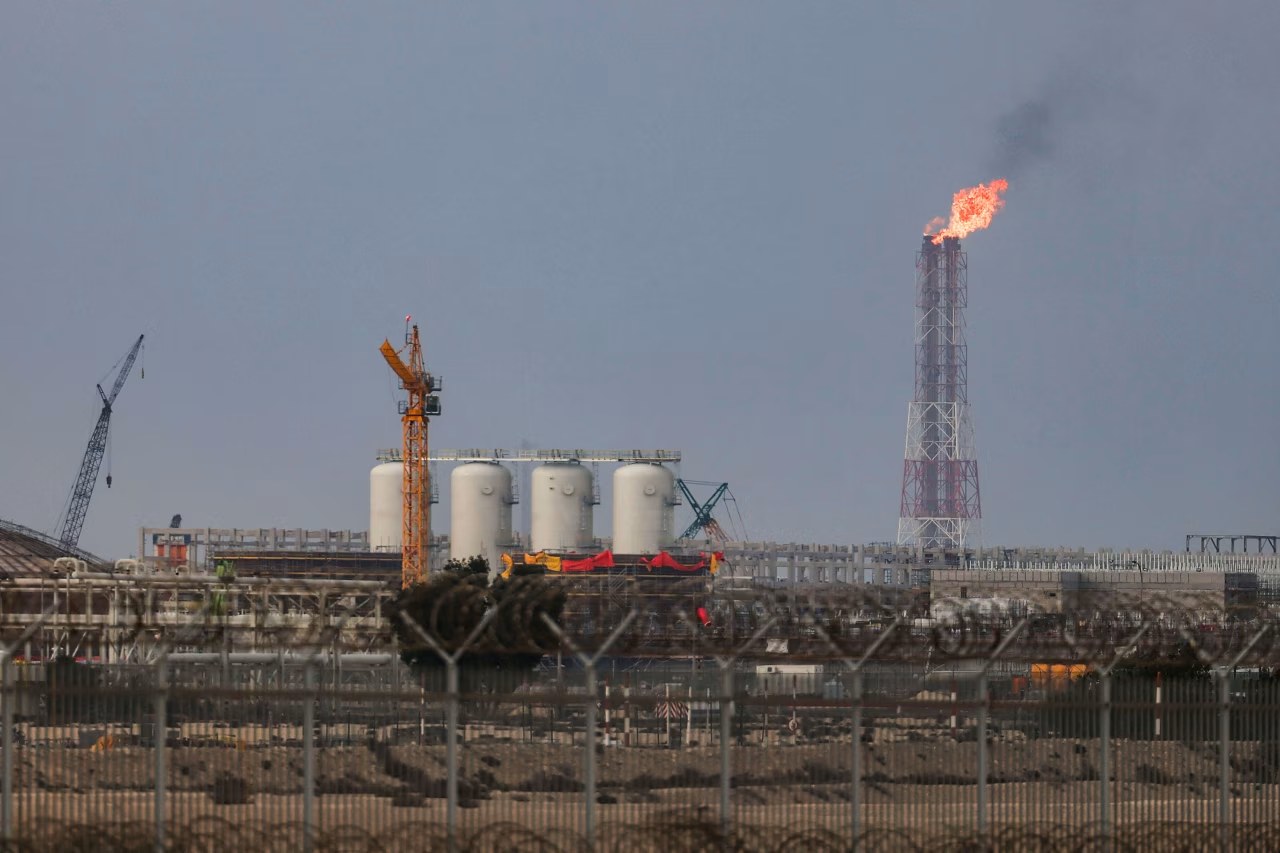
HELIUM—A significant portion of the world’s helium supply, estimated at about one-third, has been abruptly cut off. This critical disruption stems from escalating geopolitical tensions in the Middle East, specifically impacting supplies from Qatar, a major global exporter of the inert gas. The consequences are far-reaching, creating a double-edged sword for the global economy: severe challenges for industries dependent on helium and unexpected opportunities for certain unaffected suppliers.
Helium’s unique properties make it indispensable for a range of high-tech applications. Most critically, it is a vital component in the semiconductor manufacturing process. The extreme cold temperatures required for superconductivity and the creation of vacuums essential for microchip fabrication rely heavily on a stable helium supply. As the flow from Qatar diminishes, manufacturers face the specter of production slowdowns and escalating costs, potentially impacting the availability of everything from smartphones to advanced computing infrastructure.
The situation underscores the inherent fragility of global supply chains, particularly for resources that, while seemingly abundant, are concentrated in a limited number of production hubs. The reliance on specific geographic regions for such critical industrial gases highlights a systemic vulnerability that can be exploited or disrupted by geopolitical events, as seen with the current situation involving Qatar and Iran.
The Geopolitical Domino Effect on Industrial Gas
A Third of Global Helium Now Unavailable
The current crisis in the global helium market is directly attributable to the fallout from regional conflicts, specifically impacting extraction and export capabilities from Qatar. Sources indicate that approximately 33% of the world’s helium supply has been withdrawn from the market. This drastic reduction immediately sent ripples through industries that consider helium a non-negotiable raw material. The geopolitical friction has effectively severed a crucial artery of the global industrial gas network.
The situation in the Middle East is a stark reminder of how localized conflicts can precipitate global economic consequences. Helium, a byproduct of natural gas extraction, is difficult and expensive to produce. Its unique thermodynamic properties, particularly its extremely low boiling point of -269 degrees Celsius (-452 degrees Fahrenheit), make it essential for applications requiring intense cooling. Without it, processes like Magnetic Resonance Imaging (MRI) machines, crucial for medical diagnostics, could face significant operational challenges.
Chipmakers Face Production Headwinds
For the semiconductor industry, the impact is particularly acute. The fabrication of microchips involves complex processes requiring extreme purity and stable environments. Helium is used in several key stages, including purging manufacturing equipment to prevent contamination and maintaining the supercooled superconducting magnets in the photolithography machines that etch circuit patterns onto silicon wafers. A consistent supply of helium is therefore directly correlated with the throughput and efficiency of semiconductor foundries. The reduction in available helium means these crucial processes could be hampered, potentially leading to delays in the production of advanced processors and memory chips.
According to industry analysts, the implications extend beyond just the technological sector. Helium’s use spans various fields, including welding, scientific research, and even the inflation of balloons for recreational purposes. However, its critical role in aerospace, for instance, in cooling rocket engines, highlights its strategic importance beyond consumer electronics. The current scarcity forces a re-evaluation of supply chain resilience and the development of alternative sourcing strategies or recycling technologies.
The precarious nature of helium supply chains has long been an underlying concern for these industries, but the current disruption has elevated it to a crisis point. The concentration of helium production in a few key global regions, coupled with its unique extraction process, means that disruptions are not easily mitigated. This presents an immediate challenge for companies like Air Liquide, Linde, and Air Products and Chemicals, who must now navigate these geopolitical complexities to ensure continuity for their clients.
Who Are the Titans of Helium Production?
The Dominant Trio in the Helium Market
The global helium market, now facing unprecedented strain, is largely dominated by three multinational corporations. Air Liquide, headquartered in France, Linde, with its base in the U.K., and the U.S.-based Air Products and Chemicals, are the largest suppliers of this critical industrial gas. These entities not only extract helium but are also responsible for its purification, liquefaction, and distribution across the globe, serving a diverse array of industries from microchip manufacturing to medical technology and aerospace.
Their operational scale and geographic reach have historically ensured a relatively stable supply. However, their interconnectedness with major extraction points, such as Qatar, means that geopolitical events in these regions directly influence their ability to meet global demand. The current situation has placed these giants in a challenging position, tasked with mitigating the effects of a supply shock that is outside of their direct operational control. As of the latest reports, these companies are working to reallocate existing reserves and explore alternative supply routes, though the scale of the deficit presents a significant hurdle.
Air Liquide: A Global Footprint in Gases
Air Liquide, a pioneer in industrial gases, operates in 75 countries and serves over 3.8 million customers. Its extensive network includes helium production facilities, though specific details regarding its Qatar-based operations and their current status amid the recent geopolitical developments remain under close scrutiny by market analysts. The company’s historical commitment to innovation in gas production and distribution positions it to potentially adapt, but the sheer volume of lost supply remains a critical factor.
Linde: Scale and Innovation in Gas Solutions
Linde, formed through the merger of Linde AG and Praxair, is another colossal player with a vast portfolio that includes helium. Its operations span multiple continents, and it plays a significant role in supplying essential gases to the electronics and manufacturing sectors. The company’s robust infrastructure is being tested by the current supply squeeze, leading to intensified efforts to optimize its existing helium sourcing and distribution channels to buffer the impact on its key industrial clients.
Air Products and Chemicals: U.S. Leadership
Air Products and Chemicals, a U.S. enterprise, is equally pivotal in the global helium supply chain. With a strong presence in North America and expanding international operations, the company is a key provider to sectors reliant on high-purity gases. Navigating the current disruption requires strategic adjustments to its supply network. The company’s performance and ability to maintain market share will likely hinge on its success in securing alternative helium sources or maximizing output from unaffected regions.
The strategic importance of these three companies cannot be overstated, as they are the primary conduits through which helium reaches the global market. Their responses to this supply crisis will be critical in determining the immediate and long-term stability of industries that depend on this inert gas, illustrating the complex interplay between global politics and industrial necessity.
Can Unaffected Suppliers Capitalize on the Helium Shortage?
A Silver Lining in a Tight Market
While the disruption to helium supply from Qatar spells significant challenges for major consumers and established producers, it simultaneously creates a window of opportunity for suppliers whose operations are insulated from the immediate geopolitical fallout. The sudden scarcity of approximately one-third of the global helium output naturally drives up demand for available sources not impacted by the Middle East tensions. This scenario allows for potential market share gains and increased revenue for these unaffected entities.
The critical nature of helium means that industries are actively seeking alternative or supplementary sources to maintain operations. Companies that can reliably produce and supply helium, even if at a smaller scale than the dominant players, could find themselves in a position of increased leverage. This situation underscores the importance of diversified supply chains and highlights the strategic advantage of having helium extraction or processing capabilities in regions not directly affected by the current crisis. Identifying these beneficiaries requires a close examination of producers outside the immediate sphere of influence of the Qatar supply disruption.
Navigating the New Helium Landscape
The major suppliers – Air Liquide, Linde, and Air Products and Chemicals – are themselves in a complex position. While they are the largest players, their reliance on specific supply hubs means they are directly affected. However, these large corporations often have diverse operational footprints. It is plausible that certain subsidiaries or operations within these global giants, located in regions unaffected by the current conflict, could see increased demand and output. The question is whether their existing infrastructure and logistical capabilities can be rapidly redeployed to meet this surge in demand effectively.
Beyond the established giants, the tight helium market could incentivize investment in exploration and production in new or existing non-disrupted regions. The long lead times and high costs associated with helium extraction mean that immediate large-scale increases in supply are unlikely. However, the elevated market prices and guaranteed demand could spur investment in projects that were previously considered marginal. This could involve unlocking helium reserves in countries like the United States or Russia, provided logistical and political hurdles can be overcome.
The term ‘beneficiary’ in this context refers not necessarily to the emergence of entirely new, massive helium producers overnight, but rather to entities that can more effectively scale their existing, unaffected production or distribution capabilities. It could also involve companies that specialize in helium recycling, a technology that is becoming increasingly vital as primary supplies tighten. The ability to capture and reprocess used helium could provide a crucial supplementary source for industries facing shortages.
Ultimately, the current helium supply crisis is a testament to the interconnectedness of global resources and the profound impact of geopolitical instability. While creating significant pressure, it also acts as a powerful catalyst for market adaptation, potentially reshaping the landscape of industrial gas supply for years to come.
Frequently Asked Questions
Q: How does the helium shortage impact chip manufacturing?
Helium is essential for semiconductor fabrication, used in processes like cooling and creating the vacuum chambers for chip production. A significant disruption in supply can lead to production slowdowns and increased costs for critical electronic components.
Q: Which companies are the largest suppliers of helium?
The primary global suppliers of helium are Air Liquide, Linde, and Air Products and Chemicals. These multinational corporations play a crucial role in extracting, processing, and distributing helium for industrial and commercial use worldwide.
Q: What is causing the current disruption in the helium market?
The current helium supply chain is being affected by geopolitical tensions in the Middle East, specifically impacting the flow of helium from Qatar. This has removed a substantial portion of the global supply, creating market volatility.
Q: Are there any beneficiaries of the helium supply disruption?
Yes, while disruptive for many, the reduced supply from traditional sources can create opportunities for certain helium suppliers not directly affected by the geopolitical issues. These companies may see increased demand for their products.
