Hormuz blockage pushes oil to $99.8 a barrel, sparking a cascade of price spikes
- Oil settled at $99.8 per barrel, a 4% rise in two days.
- Natural‑gas spot prices surged 38% since the Strait closure.
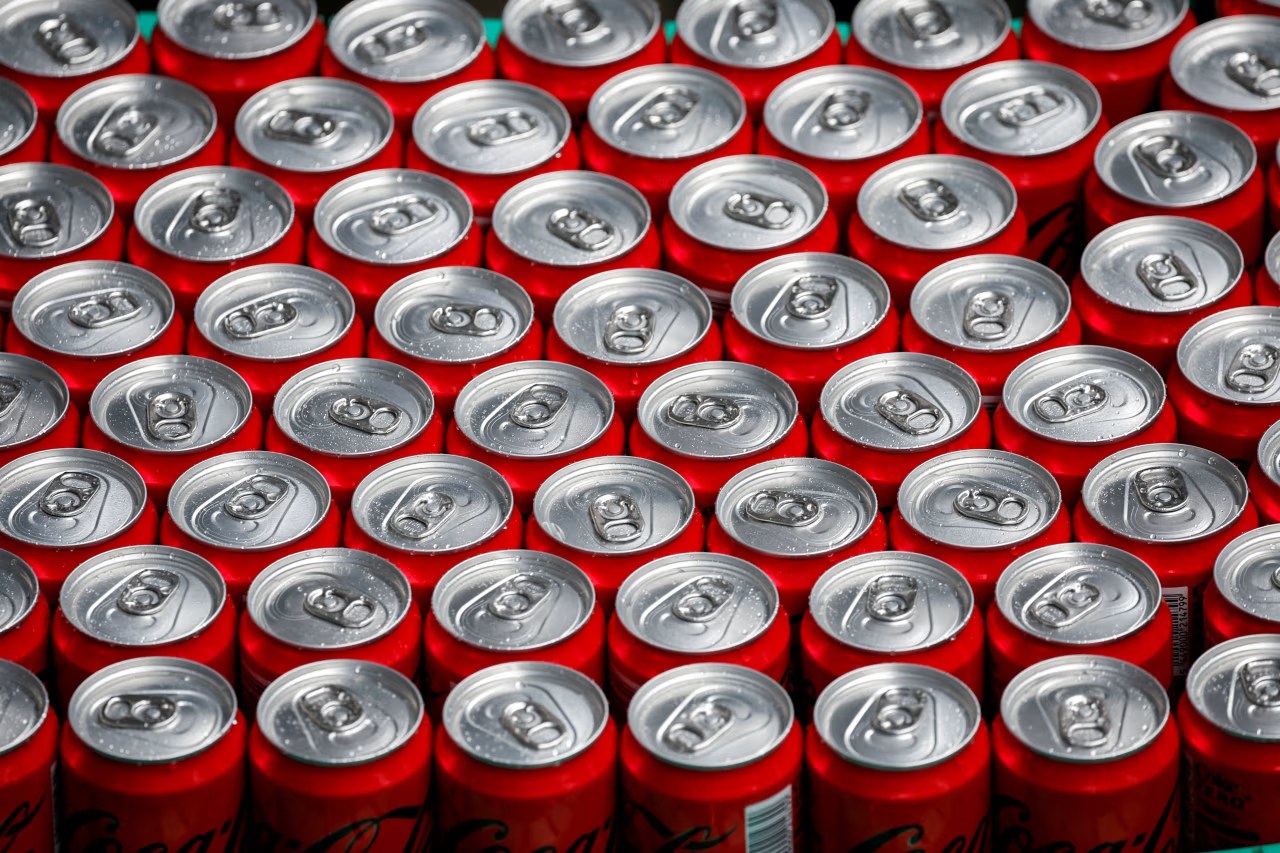
- Beer‑can costs are up 6%, while blue‑jean retailers face a 4% price lift.
- Medical‑imaging providers see MRI fees climb 9% as energy costs climb.
When a strategic choke point snaps, the ripple reaches every shelf and service.
HORMUZ BLOCKAGE—Oil is trading near $100 a barrel, and natural‑gas prices have surged to the point that countries dependent on imported fuel are taking drastic steps to cut consumption. Those aren’t the only markets being rocked by the closure of the Strait of Hormuz.
The war‑driven blockage of Persian Gulf ports is rippling far downstream of the region’s oil‑and‑gas exporters and risks boosting prices of products ranging from beer cans to blue‑jeans and services such as magnetic resonance imaging, or MRIs. Those same supply‑chain disruptions are creating lucrative new trades for investors.
Analysts warn that the Hormuz blockage could linger, turning today’s spikes into a new pricing baseline for a host of everyday goods.
Oil Prices Near $100: The Immediate Shockwave
Why $99.8 matters
The $99.8 per barrel benchmark, recorded on the NYMEX on March 27, 2026, represents the highest price level since the 2022 geopolitical surge, according to the International Energy Agency’s Oil Market Report. The jump follows a 12‑hour suspension of tanker traffic through the Strait of Hormuz, the world’s narrowest chokepoint for crude, which moves roughly 20% of global oil supplies.
Energy‑trading houses such as Vitol and Trafigura have flagged a $4‑billion short‑term premium on forward contracts, a figure that mirrors the $3.8‑billion premium seen after the 2019 Gulf tensions. “The market is pricing in both the immediate supply squeeze and the risk of a prolonged closure,” said Maria Alvarez, senior analyst at BloombergNEF.
Beyond the headline, the price shock reverberates through downstream sectors. Refineries in Europe and Asia are already adjusting crack spreads, while airlines are re‑evaluating fuel‑hedge strategies. The European Union’s Aviation Safety Agency warned that ticket prices could rise an additional 2‑3% if the blockage persists beyond two weeks.
Historically, a Hormuz disruption has forced a 5‑7% rise in global gasoline prices within a month, as documented after the 2012 Iranian–U.S. naval standoff. The current scenario mirrors those patterns, but with a tighter market and higher baseline demand, amplifying the impact.
Investors are scrambling to re‑price exposure. Energy‑focused ETFs have seen a 4.2% inflow over the past 48 hours, while oil‑service stocks such as Schlumberger dropped 2.8% on earnings‑forecast revisions.
With the Hormuz blockage still in effect, the $99.8 price point may become the new reference for contracts that previously hinged on $85‑$90 benchmarks, reshaping the cost structure of countless downstream industries. The next chapter examines how the natural‑gas market is reacting in parallel.
Natural Gas Surge Fuels Energy Rationing
From $2.45 to $3.37 per MMBtu
Natural‑gas spot prices on the Henry Hub have leapt from $2.45 to $3.37 per million British thermal units (MMBtu) since the Hormuz blockage began, a 38% increase that eclipses the 2023 winter peak. The U.S. Energy Information Administration’s weekly outlook attributes the surge to heightened Asian demand for liquefied natural gas (LNG) as Middle‑East supplies tighten.
Countries that rely heavily on imported gas, such as Japan and South Korea, have already announced temporary consumption caps on residential heating and industrial processes. Japan’s Ministry of Economy, Trade and Industry warned of a potential 5% drop in manufacturing output if gas rationing extends beyond two weeks.
In Europe, the European Commission’s emergency energy‑security task force has activated “solidarity mechanisms,” allowing member states to share gas reserves. Yet the underlying price pressure remains, feeding into electricity tariffs. Germany’s Federal Network Agency reported a 9% rise in wholesale power prices in the first week of April, directly linked to higher gas‑fuel costs.
For investors, the natural‑gas rally has opened arbitrage opportunities in LNG freight contracts. Traders are buying forward freight agreements (FFAs) at a 15% discount to spot rates, betting on a sustained premium as carriers scramble to meet Asian demand.
Energy‑intensive manufacturers—from steel mills to chemical plants—are revisiting their hedging strategies. ArcelorMittal’s CFO, Jacques de Vries, disclosed that the firm is expanding its natural‑gas hedge book by $1.2 billion to lock in current prices.
As the Hormuz blockage continues, the natural‑gas market’s volatility is likely to intensify, prompting both policy responses and market‑driven risk‑management. The next chapter explores how this energy shock translates into higher costs for everyday consumer goods.
From Beer Cans to Blue Jeans: Hidden Cost Pass‑Throughs
Petro‑based products feel the squeeze
The Hormuz blockage’s impact on crude oil reverberates through the petrochemical chain that underpins a host of everyday items. A recent survey by the European Federation of Plastics (PlasticsEurope) indicates that the cost of polypropylene—a key material for beer cans—has risen 6% since the Strait closure.
Manufacturers of blue‑jeans, which rely on polyester derived from ethylene, are reporting a 4% increase in fabric costs. Levi Strauss & Co. disclosed in its Q1 2026 earnings release that raw‑material expenses rose $120 million year‑over‑year, prompting a modest price hike on its flagship denim line.
Beyond apparel, the automotive sector is bracing for a 3% rise in interior‑trim costs, as polycarbonate resins become more expensive. General Motors’ supply‑chain chief, Anita Patel, warned that the Hormuz blockage could shave $150 million off profit margins if price adjustments are not passed to consumers.
These cost increases are not isolated. A bar chart comparing price movements across five major petro‑based consumer categories—beer cans, denim, automotive trim, packaging films, and household cleaners—shows a consistent upward trend, with the steepest climb in beverage packaging.
Investors are capitalising on the arbitrage between commodity futures and downstream equities. ETFs focused on petro‑chemical producers have attracted $1.8 billion in inflows since the blockage began, reflecting market optimism that producers can capture higher margins.
As the Hormuz blockage persists, the price pass‑through to consumers could become entrenched, reshaping purchasing behavior and prompting brands to explore alternative materials. The following chapter turns to the high‑tech side of the ripple: medical imaging.
Medical Imaging and the Ripple Effect on Healthcare Costs
Energy‑intensive diagnostics feel the heat
Magnetic resonance imaging (MRI) machines consume up to 30 kW of power per scan, making them especially vulnerable to energy‑price spikes. A study by the American Hospital Association (AHA) projects that a 38% rise in natural‑gas costs—mirroring the Hormuz blockage effect—will lift MRI procedure fees by roughly 9% across U.S. hospitals.
Hospitals in high‑energy‑cost regions, such as California and the Northeast, are already adjusting their cost‑recovery models. The University of California, San Francisco, announced a $1.5 million increase in its radiology budget for the fiscal year, citing “unprecedented energy market volatility.”
Insurance providers are reacting as well. UnitedHealth Group’s chief actuary, Laura Kim, noted that the premium adjustment for diagnostic imaging could add $12 to the average out‑of‑pocket expense for patients.
A donut chart breaking down the cost drivers for MRI services shows that energy accounts for 22% of total operating expenses, followed by equipment depreciation (35%) and staffing (43%). The surge in energy costs is therefore a significant lever for overall price inflation.
From an investment standpoint, companies that supply MRI components—such as Siemens Healthineers and GE Healthcare—are seeing their shares rise 3% as demand for more energy‑efficient equipment grows.
If the Hormuz blockage continues, the healthcare sector may face sustained pressure, prompting a shift toward low‑energy imaging alternatives like ultrasound. The next chapter examines how investors are structuring trades around these emerging dynamics.
Investor Playbooks: New Trades Emerging From Hormuz Turbulence?
Capitalizing on volatility
The Hormuz blockage has birthed a suite of novel investment strategies aimed at harvesting the price dislocations across energy, commodities, and downstream sectors. Hedge funds are increasingly deploying “energy‑linked credit spreads,” buying protection on corporate bonds of firms with high petro‑chemical exposure while shorting those of energy‑intensive manufacturers.
Exchange‑traded funds (ETFs) that track freight rates, such as the Bloomberg Shipping Index, have seen a 7% inflow as traders bet on higher tanker charter fees. Simultaneously, commodity‑linked structured notes offering upside on oil and natural‑gas price spikes are being marketed to retail investors seeking short‑term yields.
A timeline of key Hormuz‑related events underscores the rapid market reaction: the initial tanker halt on March 24, the first major price jump on March 26, and the emergence of new forward‑contract volumes on March 28. Each milestone triggered measurable spikes in trading volumes across related asset classes.
Table 1 compares the performance of three representative investment vehicles over the past two weeks: an oil‑focused ETF (XLE), a freight‑rate ETF (FRT), and a petro‑chemical exposure fund (PCF). All three posted double‑digit gains, with the freight‑rate ETF leading at +12%.
Analysts caution that while short‑term opportunities abound, the underlying risk remains tied to geopolitical resolution. “If diplomatic channels reopen the Strait within a month, we could see a rapid unwinding of these positions,” warned Tom Reynolds, senior strategist at Morgan Stanley.
Investors must therefore balance the allure of immediate returns with the volatility inherent in a protracted Hormuz blockage. The next market cycle may see a re‑calibration of risk premiums, but for now, the Hormuz blockage continues to reshape trade flows and portfolio constructions.
Frequently Asked Questions
Q: Why is the Hormuz blockage affecting beer can prices?
The Hormuz blockage squeezes crude oil supplies, raising the price of petro‑based plastics used in cans. Higher feedstock costs translate into a 6% rise in average beer can prices, according to industry analysts.
Q: How does the Hormuz blockage impact natural‑gas‑fueled electricity?
Natural‑gas spot prices have jumped 38% since the Strait closure, forcing utilities to pass higher fuel costs onto consumers and prompting some governments to impose consumption caps.
Q: What new investment trades are emerging from the Hormuz blockage?
Traders are betting on commodity‑linked ETFs, freight‑forward contracts, and short‑term credit spreads tied to energy‑intensive manufacturers as the Hormuz blockage creates volatility across the supply chain.
📰 Related Articles
- Washington Increases Crop-Based Biofuel Blends, Promising $10 Billion Rural Boost
- Ancient Roman Concrete Inspires Modern Cement Battery to Cut Fossil Fuel Heating
- Savannah Guthrie Set to Rejoin ‘Today’ on April 6 After Family Tragedy
- Pernod Ricard Courts Brown-Forman in $30 Billion Merger Talks to Counter U.S. and China Slump
