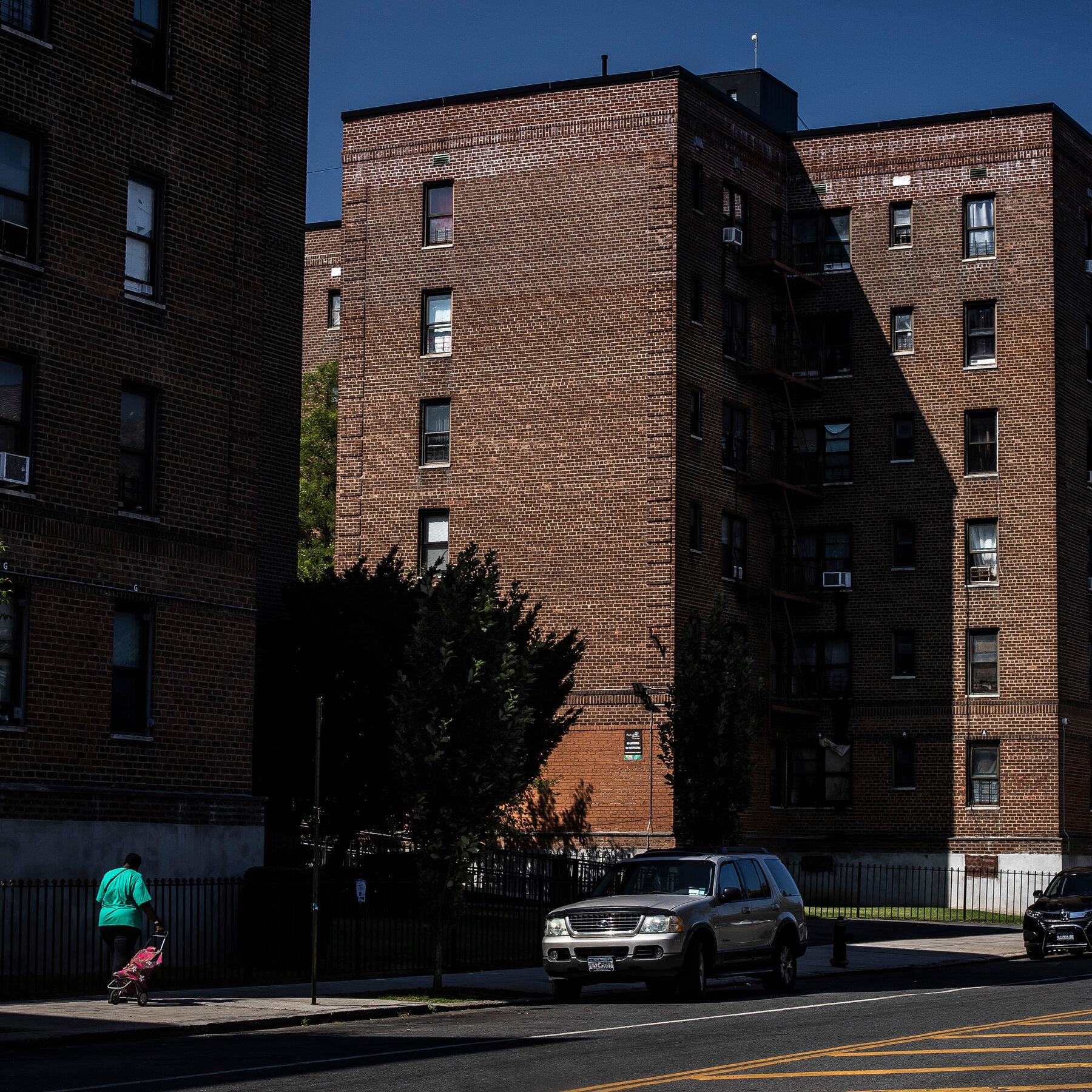
PUBLIC HOUSING—The US Department of Housing and Urban Development (HUD) has reignited a contentious proposal initially introduced during the Trump administration, aiming to disqualify undocumented immigrants from residing in public housing. This move is anticipated to have far-reaching consequences, not only for the immigrants themselves but also for thousands of US citizens and legal residents who share households with them.
The Proposed Rule: Understanding the HUD Initiative
Introduction to the Rule
The rule, as proposed, seeks to amend current regulations to make individuals ineligible for public housing if they are not legally present in the United States. This change would essentially mandate that local housing authorities verify the immigration status of all applicants and tenants.
Expected Impact
Housing officials have warned that the implementation of this rule could lead to the displacement of thousands of US citizens and legal residents who live with undocumented family members. The concern is that mixed-status families, where at least one member is undocumented, might be forced to choose between remaining together and risking homelessness or splitting up to maintain their housing.
Policy Background: The Trump Era Proposal and Its Reception
Origins of the Proposal
The proposal was first put forth in 2019 by the Trump administration as part of a broader push to tighten immigration policies and reduce benefits for undocumented immigrants. At the time, it was met with significant opposition from housing advocates and lawmakers who argued it would unfairly penalize vulnerable populations, including children and the elderly.
Estimated Effects
Estimates suggested that the rule could affect tens of thousands of households, leading to a potential increase in homelessness and placing additional strain on already overburdened social services.
Stakeholder Analysis: Who Stands to Gain or Lose from the Proposal?
Undocumented Immigrants and Their Families
The most direct impact will be felt by undocumented immigrants living in public housing, who face the possibility of eviction and further marginalization. However, the consequences also extend to their family members who are US citizens or legal residents, as they may be forced to make difficult decisions regarding their living arrangements.
Housing Authorities and Local Communities
Local housing authorities will be tasked with implementing the rule, which could pose administrative and ethical challenges. Additionally, the potential displacement of families could have broader societal impacts, affecting local economies and community stability.
Legal and Ethical Considerations: Challenges to the Proposal
Legal Framework
The proposal is likely to face legal challenges, with opponents arguing that it violates the constitutional rights of tenants and exceeds HUD’s legal authority. There are also questions regarding how the rule would be enforced, particularly in terms of verifying immigration status without infringing on individual rights.
Humanitarian Concerns
Critics of the proposal also raise ethical concerns, pointing out that it could exacerbate homelessness and social inequality, particularly among the most vulnerable members of society, including children, the elderly, and those with disabilities.
Future Outlook: Potential Outcomes and the Path Forward
Possible Scenarios
The future of the proposal is uncertain, with potential outcomes ranging from full implementation to legal or legislative reversal. The path forward will depend on a variety of factors, including the response from housing advocates, legal challenges, and political considerations.
Implications for Immigration and Housing Policy
Regardless of the outcome, the proposal highlights the complex interplay between immigration policy and social welfare programs, particularly in the realm of housing. It underscores the need for comprehensive and compassionate policies that address the needs of all members of society, regardless of their immigration status.