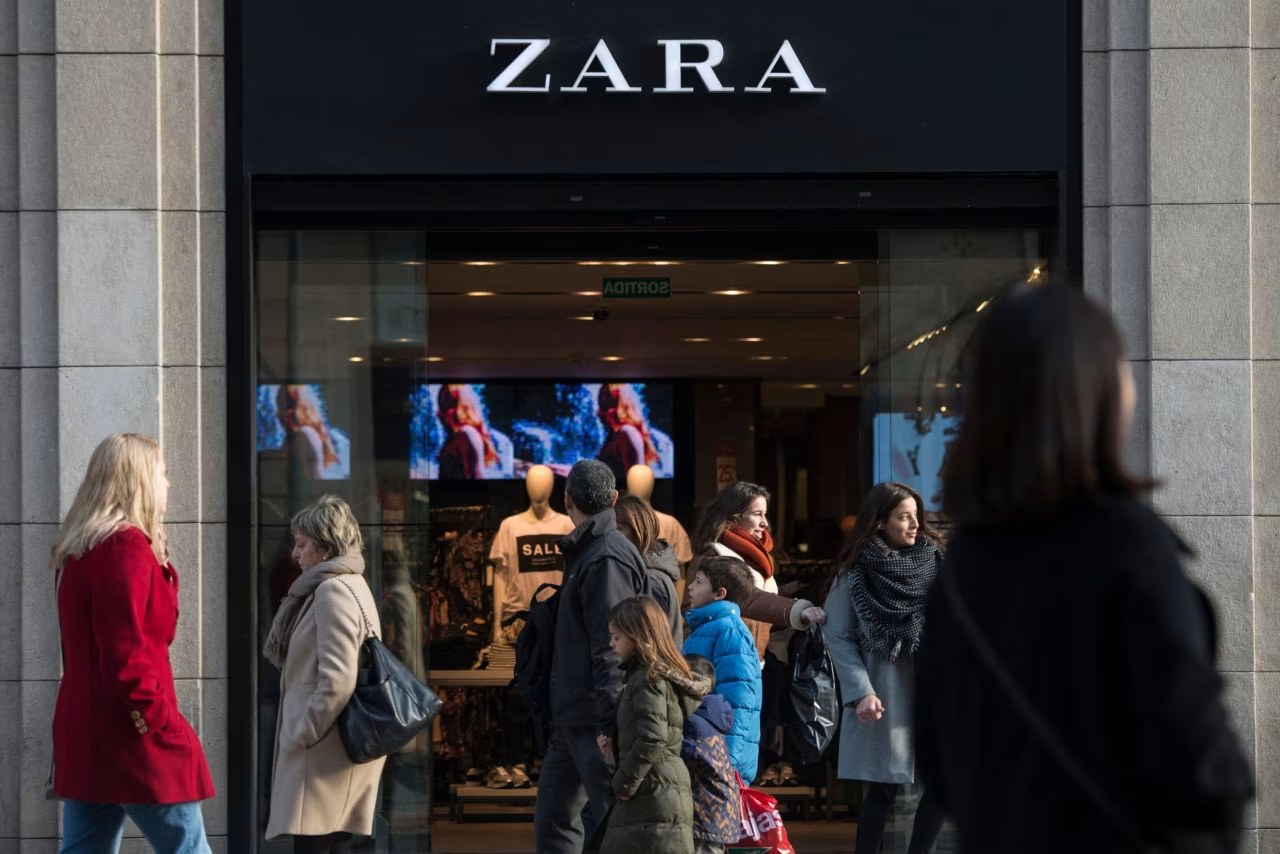
Inditex Sales Jump 9% in Early 2026, Outpacing Last Year’s 7% Pace
Fast-Fashion leader gains momentum even as Middle East tensions unsettle global supply chains
INDITEX—This is a developing story. Zara parent Inditex said Wednesday that comparable sales rose 9% from Feb. 1 through March 8, accelerating from the 7% growth recorded for the fiscal year ended January 2026. The Spanish retailer gave no profit figures but highlighted resilient demand across its store and online networks.
- Inditex posted 9% sales growth on a constant-currency basis for the first five weeks of its new fiscal year
- Shares in Madrid closed 3.27% higher on the update
- Management flagged the Middle East conflict as an area to watch for potential disruption
- Acceleration comes after a 7% increase for the full prior year
Sales Momentum Picks Up
Early-year trading beats recent trend
Inditex told investors that momentum carried into the new fiscal period, with revenue rising 9% once currency swings are stripped out. That pace exceeds the 7% logged for the twelve months through January, suggesting shoppers are responding well to fresh collections. The company did not release absolute revenue figures for the five-week span, limiting visibility into total turnover. Still, the pickup signals that Inditex is gaining traction after a year of mid-single-digit expansion. Investors pushed the stock up 3.27%, marking one of the largest single-day gains in recent months.
The acceleration is notable because global apparel demand has softened in many markets. Inditex’s ability to lift same-store and online sales at a faster clip implies market-share gains against rivals that have struggled with excess inventory. Fast-fashion competitors often rely on heavy promotions to clear stock, compressing margins; Inditex’s statement gave no indication of heightened discounting, a point that reassured analysts. Management credited frequent design refreshes and tighter supply-chain controls for keeping full-price sell-through rates high. The update covers only the first five weeks of the fiscal year, yet it sets an upbeat tone ahead of the key spring season when Zara debuts Mediterranean-inspired linens and lightweight dresses that typically drive volume.
Geographic breakdowns were not provided, but traders noted solid footfall across European flagship stores and resilient e-commerce traffic in the U.S. and Mexico. Inditex has spent heavily on logistics automation in recent years, allowing it to replenish bestselling items within days rather than weeks. That speed advantage appears to be translating into fewer lost sales and higher customer loyalty metrics tracked by third-party data firms. Wholesale partners also report tighter lead times, reinforcing the narrative that Inditex is widening its operational edge even as macro clouds gather.
Comparable Sales Growth
FY to Jan 2026
7%
Feb–Mar 2026
9%
▲ 28.6%
increase
Source: Inditex trading update
Middle East Risks Loom
Management cites regional instability as a watch item
Executives acknowledged that hostilities across the Middle East could unsettle supply routes or consumer sentiment. Inditex sources a portion of its textiles from countries bordering conflict zones and relies on maritime corridors that skirt the region. The company did not quantify any financial exposure but flagged the situation as a potential headwind. Analysts note that prolonged disruption could raise freight costs or delay inventory deliveries, compressing margins in a sector already grappling with elevated cotton and energy prices. Inditex has diversified suppliers over the past decade, yet any chokepoint near the Suez route would ripple through its logistics network.
The fashion industry depends on just-in-time inventory, making it especially vulnerable to shipping delays. Container rates from Asia to Europe have already rebounded from late-2025 lows as carriers reroute vessels around the Cape of Good Hope to avoid Red Sea tensions. Longer voyages consume more fuel and tie up containers for additional weeks, costs that are typically passed along to retailers. Inditex mitigates some risk by producing roughly half its merchandise in nearby markets such as Portugal, Morocco and Turkey, but key fabric mills remain in Asia. A sustained flare-up could force the company to air-freight critical items, a move that can increase transport costs by a factor of five.
Consumer psychology is another wildcard. Oil prices have ticked higher on geopolitical anxiety, feeding into headline inflation that erodes discretionary spending power. Within Europe, where Inditex generates the bulk of sales, shoppers have remained resilient thanks to wage growth and low unemployment, but confidence surveys show fragility. Any perception that the Middle East conflict could broaden tends to weigh on tourism as well, and tourist hubs such as Barcelona, Rome and Paris account for a disproportionate share of Zara’s high-margin impulse purchases. Management has not altered guidance, yet analysts expect contingency plans that could include earlier inventory builds or alternative sourcing should the security picture deteriorate.
What’s Next for the Shares?
Investors cheer update but await fuller numbers
Wednesday’s 3.27% share-price pop reflects relief that consumer demand remains intact, yet traders say the rally could fade without clearer guidance on margins and full-quarter sales. Inditex typically releases detailed earnings in June, leaving a data vacuum for now. Fund managers note that the retailer’s ability to raise volumes without heavy discounting will be key to sustaining the upbeat tone. Any sign that Middle East tensions are spilling into shipping lanes could quickly reverse sentiment. For now, the market is pricing in another robust quarter, but management’s cautious tone on geopolitics underscores how external shocks could still derail the recovery narrative.
Valuation metrics show the stock trading at roughly 22 times forward earnings, a premium to European apparel peers but below its own five-year average of 25 times. Bulls argue the multiple is justified by industry-leading operating margins that hover near 18%, driven by vertical integration and limited markdown risk. Bears counter that even best-in-class operators face margin compression when freight and raw-material costs spike, especially if currency hedges roll off at unfavorable rates. Options markets imply a 6% swing in either direction around the next earnings release, suggesting traders expect volatility even if day-to-day sales trends remain solid.
Longer-term holders are focused on Inditex’s store-optimization program that shrinks square footage in slower streets while expanding flagship presence in high-traffic cities such as New York, Milan and Tokyo. The strategy supports full-price selling and reinforces brand equity, but it also raises fixed costs that must be covered through consistent footfall. Early data from renovated sites indicate sales per square meter up high-single digits, a metric that could offset gross-margin pressure if replicated across the network. Until the Middle East picture clarifies, investors are likely to treat periodic sales updates as the best signal of momentum, making each monthly bulletin a potential catalyst for the shares.
Intraday Gain
3.27%
Source: Madrid Stock Exchange
Frequently Asked Questions
Q: How fast did Inditex sales grow in early 2026?
Store and online sales rose 9% on a constant-currency basis from Feb. 1 to March 8, accelerating from the prior year’s 7% pace.
Q: Why is the Middle East relevant to Inditex?
The region hosts key shipping lanes and supplier hubs; prolonged conflict can delay inventory flows and raise freight costs.
Q: Does the 9% figure include currency swings?
No, Inditex strips out currency effects to highlight underlying demand trends.
Sources & References
- Primary SourceZara Parent Inditex Posts Sales Growth Amid Middle East Disruptionwsj.com
