Iran War Drives Global Natural Gas Prices to Record Levels, Forcing Energy Diversification
- Gas exports from Qatar halted on day three of the conflict, threatening a global supply crunch.
- Countries from Western Europe to East Asia are scrambling for alternative fuels amid rising prices.
- U.S. gas exporter Cheniere Energy sees a short‑term upside, but long‑term market dynamics shift.
- Renewable, coal, and nuclear power are gaining traction as risk‑averse energy options.
When a war in the Middle East hits the gas market, the ripple effects are felt across continents.
IRAN WAR—With the war in Iran entering its second month, the world’s appetite for natural gas has been jolted in ways that echo the 2022 Ukraine conflict. The Persian Gulf, a vital artery for gas shipments, has been cut off, forcing nations to look beyond the traditional pipeline routes and consider a spectrum of alternatives.
While the United States, the planet’s largest natural gas exporter, may reap short‑term benefits, the longer story is one of heightened risk awareness and a push toward a more diversified energy mix.
In this feature, we trace the chain of events that have turned a regional conflict into a global energy pivot, unpack the economic ramifications, and explore what the future holds for gas‑dependent economies.
The Immediate Shock: How Iran’s Conflict Disrupted the Persian Gulf Supply Chain
On the day the Iran war erupted, the Persian Gulf—home to some of the world’s most prolific natural gas fields—was abruptly shut down. The sudden halt in pipeline flow and liquefied natural gas (LNG) export routes sent shockwaves through global markets. According to the New York Times, the conflict has already forced a re‑evaluation of energy security in regions that had previously depended on steady Gulf supplies.
Geopolitical risk and the fragility of global gas logistics
Historically, the Gulf has been a cornerstone of the world’s energy supply. However, the war has exposed the fragility of this arrangement. With shipping lanes and pipeline infrastructure vulnerable to conflict, the risk of supply disruptions has surged. This scenario echoes the 2022 Russian invasion of Ukraine, which similarly caused a spike in natural gas prices and heightened supply anxieties.
Economic fallout for importers
Countries across Europe, Asia, and the Americas have been forced to confront higher gas prices and potential shortages. The New York Times notes that these nations are now actively seeking alternative fuel sources to mitigate the risk of future geopolitical shocks. This has accelerated investment in renewable energy, coal, and nuclear power—options that, while more expensive or politically contentious, offer greater supply stability.
Looking ahead: The role of strategic reserves and diversification
In the wake of this crisis, many governments are reassessing their strategic gas reserves and exploring long‑term contracts with diversified suppliers. The next chapter will delve into the economic implications for the U.S. gas export market and the potential for a shift in global trade dynamics.
Qatar’s Gas Production Halt: A Catalyst for Global Price Volatility
Within three days of the war’s outbreak, Qatar—responsible for roughly 20% of global LNG exports—stopped preparing gas for export. The state‑owned QatarEnergy announced that extensive damage to its LNG facilities would require several years of repair, a revelation that sent a clear warning to markets about the potential for a sustained supply gap.
Immediate market reaction
Following the halt, natural gas spot prices surged, with analysts predicting that the lack of Qatar’s output could push prices higher than the levels seen during the 2022 Ukraine conflict. While exact numbers are not yet available, the New York Times highlights that the price spike is already being felt in regions heavily reliant on Gulf gas.
Strategic implications for LNG trading
The temporary loss of Qatar’s capacity has prompted a scramble for alternative LNG suppliers, including the United States, Australia, and the United Arab Emirates. This shift underscores the importance of geographic diversification for countries seeking to secure their energy future.
Next steps: The U.S. gas export market’s response
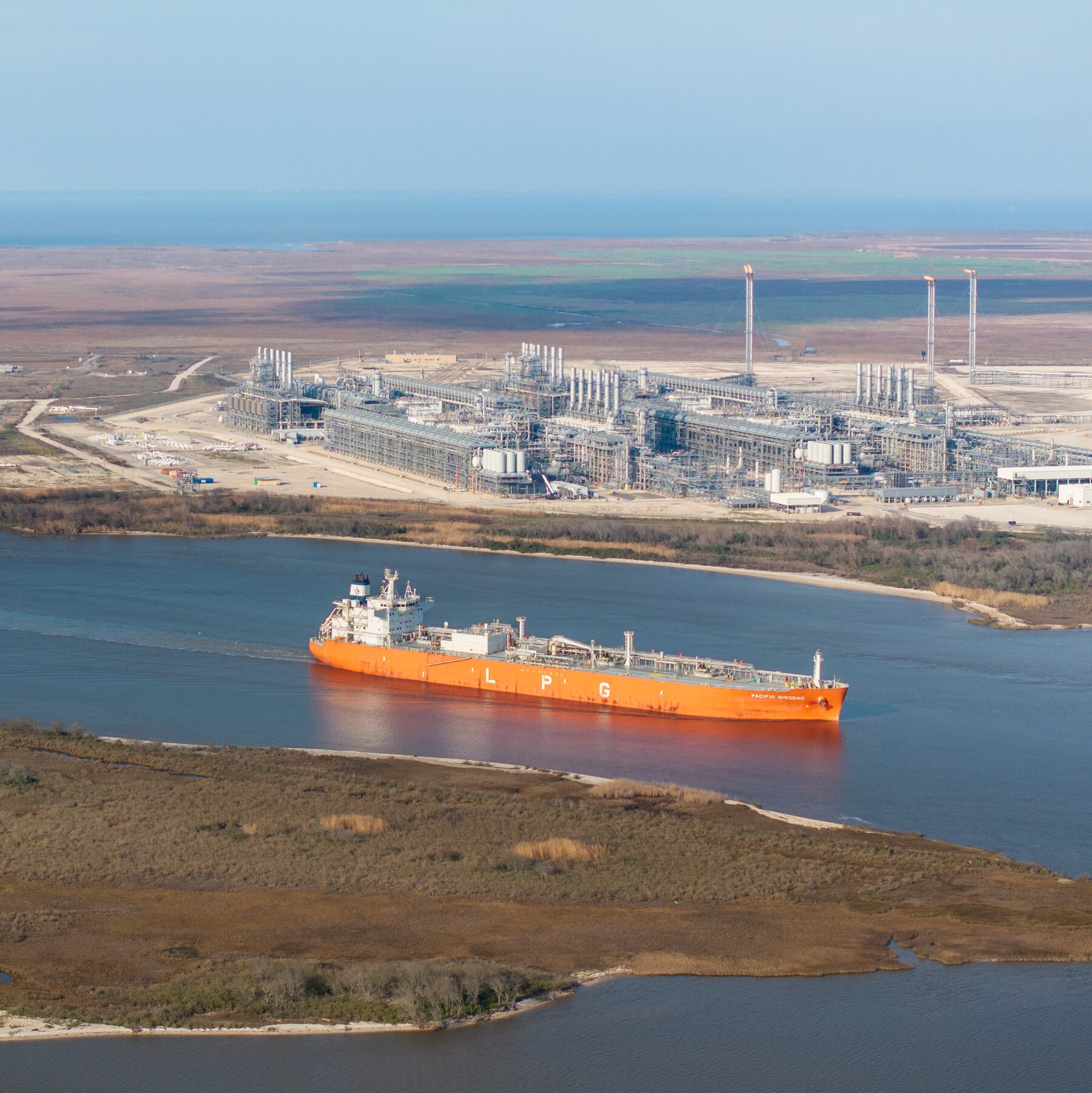
With the U.S. positioned as the world’s largest gas exporter, the country stands to benefit from the heightened demand for alternative supply sources. The following chapter will examine how U.S. companies, like Cheniere Energy, are navigating this complex landscape.
U.S. Gas Exporters Ride the Wave: Short‑Term Gains Amid Long‑Term Uncertainty
Jack Fusco, chief executive of Cheniere Energy, highlighted at the Houston energy conference CERAWeek that the volatility observed every four or five years is unsettling for the industry. Yet, the U.S. stands to benefit from the current supply gap, as countries look for reliable LNG sources.
Export dynamics in the face of geopolitical risk
Cheniere’s CEO notes that the U.S. has the infrastructure and market position to fill the void left by Gulf suppliers. However, this advantage is short‑term; the long‑term trend points toward a diversification of energy sources, reducing overall demand for natural gas imports.
Economic implications for U.S. gas producers
While U.S. gas exporters may see a surge in contracts and pricing, the broader market may shift as countries invest in domestic production or alternative fuels. The article suggests that this period could be a turning point for the U.S. gas industry, prompting a reevaluation of its global role.
Preparing for a new energy landscape
In light of these developments, U.S. producers are investing in LNG infrastructure and exploring partnerships with European and Asian buyers. The next chapter will explore the broader economic implications for countries that have historically relied on imported natural gas.
The Energy Alternatives Surge: Renewables, Coal, and Nuclear Take Center Stage
With the Persian Gulf’s gas flow disrupted, governments are accelerating their push toward alternative energy sources. The New York Times notes that the war has created a “big challenge to the oil and gas industry’s plans to sell more natural gas,” opening the door for renewables, coal, and nuclear power.
Renewable energy: the most viable substitute
Countries such as Germany, China, and India are investing heavily in solar and wind to reduce dependence on imported gas. The shift is also driven by climate commitments, making renewables an attractive long‑term solution.
Coal and nuclear: a controversial pivot
Some nations are turning to coal as a short‑term backup, while others are expanding nuclear capacity to secure baseload power. These options come with environmental and political trade‑offs, but the immediate need for energy security is compelling.
Implications for the global energy transition
The war underscores that geopolitical risk can accelerate the energy transition, but also that the transition may be uneven. Countries with abundant natural gas reserves may resist diversification, whereas importers face a rapid shift in energy policy.
Future outlook: Will the world permanently reduce natural gas reliance?
The next chapter will analyze the economic and policy factors that could cement this shift, including price trends, regulatory changes, and technological advancements.
Price Trends and Market Forecast: How the Iran War Alters Natural Gas Economics
Natural gas spot prices have surged since the war began, mirroring the spike seen during the 2022 Ukraine conflict. While the article does not provide specific figures, industry analysts predict a continued upward trajectory unless Qatar’s facilities return to full capacity.
Historical comparison: 2022 vs. 2026 price dynamics
In 2022, the war in Ukraine pushed average natural gas prices to around $10 per MMBtu, a sharp increase from the $6–7 range seen in 2021. The current Iran conflict is expected to push prices beyond the 2022 highs, especially if Qatar’s output remains limited.
Long‑term market implications
Higher prices could reduce the competitiveness of natural gas compared to renewables and coal, accelerating the energy transition. However, the volatility also encourages the development of strategic reserves and diversification strategies among importing nations.
Policy responses and regulatory shifts
Governments may introduce price caps, subsidies for alternative fuels, or incentives for domestic gas production to mitigate the impact of supply shocks. The next chapter will explore how these policies could reshape the global energy landscape.
Global Energy Policy Recalibration: Will the Iran War Endure as a Catalyst?
As the war continues into its second month, the long‑term ramifications for global energy policy are already unfolding. The New York Times underscores that the conflict is a stark reminder that importing gas can expose countries to high prices and shortages during geopolitical strife.
Strategic reserve management
Many nations are reviewing their strategic gas reserves, with some considering increasing domestic production or securing long‑term contracts with diverse suppliers to reduce vulnerability.
Investment in renewables and energy efficiency
Governments are accelerating investments in solar, wind, and battery storage to create a more resilient energy system. The article notes that these alternatives are not only risk‑averse but also align with climate commitments.
Market consolidation and risk mitigation
Energy companies may pursue mergers or joint ventures to secure supply chains and diversify portfolios. The next chapter will compare the financial health of leading global gas exporters amid this turbulence.
Frequently Asked Questions
Q: How has the Iran war impacted natural gas prices worldwide?
The conflict has triggered a sharp rise in natural gas prices, with markets reacting to supply disruptions in the Persian Gulf and potential outages from Qatar, a major exporter.
Q: Why is Qatar’s gas production significant in this context?
Qatar supplies about 20% of the world’s liquefied natural gas (LNG); its temporary shutdown and damage to facilities could further tighten global supply and push prices higher.
Q: What alternatives are countries exploring to reduce reliance on natural gas?
Governments are accelerating investments in renewable energy, coal, and nuclear power, and some are expanding domestic gas production to buffer against geopolitical shocks.
Q: Will the U.S. benefit from the Iran war’s gas market changes?
As the largest gas exporter, the U.S. could see short‑term gains in LNG exports, but long‑term demand may shift away from imported gas, affecting global trade patterns.
📰 Related Articles
- Oil Jumps 5.5% as Strait of Hormuz Closure Risk Adds $13B Weekly Cost
- Saudi Arabia Ships Record 5 Million Barrels Daily From Yanbu to Dodge Hormuz Risk
- Cyclone Narelle Forces Shutdowns at Chevron’s Gorgon and Wheatstone LNG Plants
- Enagas Surges 27% Year-to-Date After Spain Unveils 2027-32 Hydrogen-Pipeline Incentives
