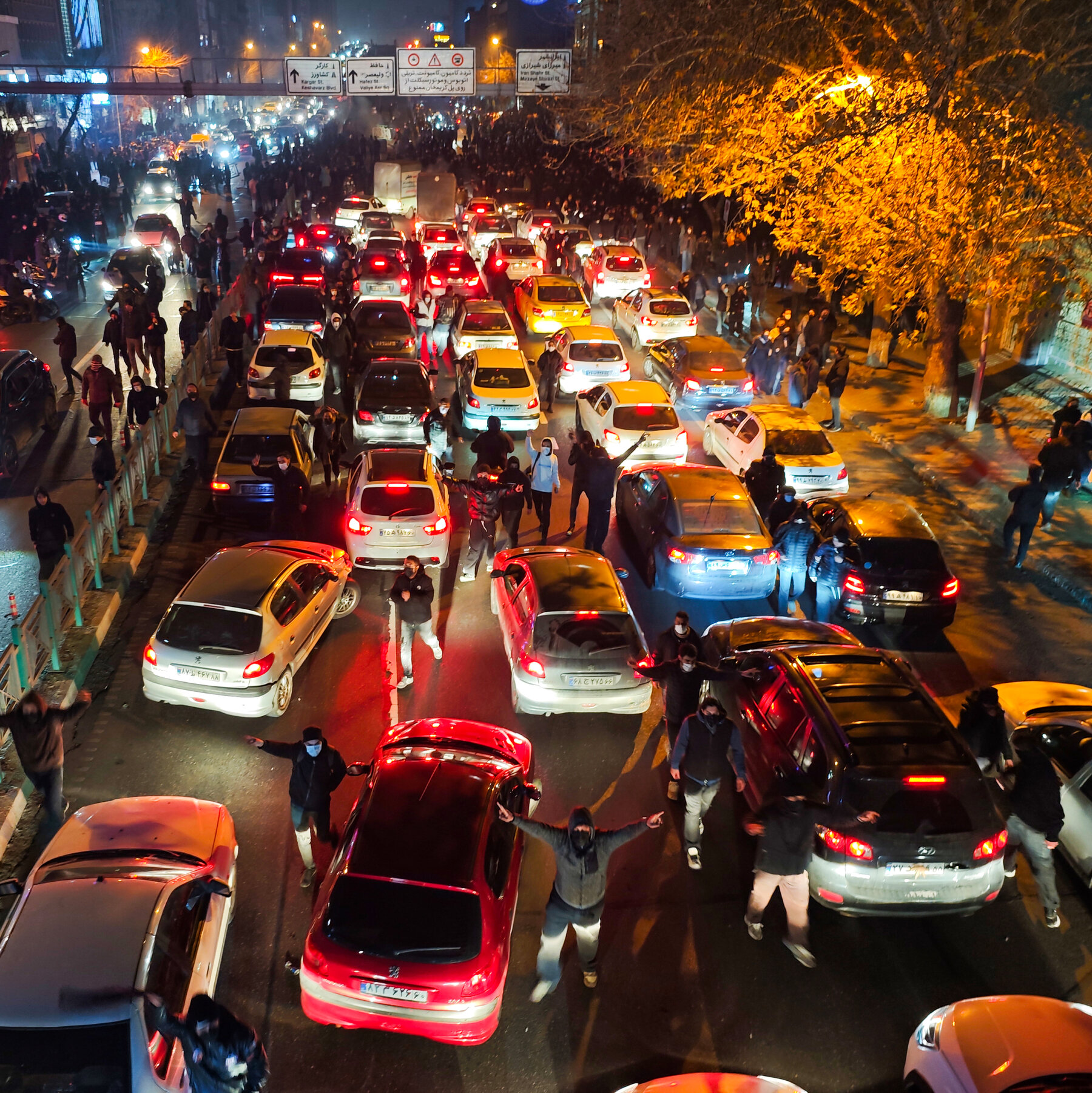
Iran’s Shift to Digital Surveillance
- Iranian authorities are using digital surveillance tools to track down protesters after restoring some online services.
- The move highlights the government’s efforts to maintain control and monitor dissent.
- The use of digital surveillance has raised concerns about privacy and human rights in the country.
The Impact of Digital Surveillance on Iranian Protesters
The Iranian government’s use of digital surveillance tools to track down protesters has significant implications for human rights and freedom of expression in the country, and could set a troubling precedent for other authoritarian regimes around the world.
Introduction to Iran’s Digital Surveillance
Iranian authorities have been using digital surveillance tools to track down protesters after restoring some online services. This move highlights the government’s efforts to maintain control and monitor dissent. The use of digital surveillance has raised concerns about privacy and human rights in the country. Through this approach, the government aims to identify and potentially punish individuals who participated in the protests, further stifling freedom of expression and assembly.
Technological Dragnet
The Iranian government’s technological dragnet includes a range of digital surveillance tools, such as monitoring social media activity, tracking mobile phone locations, and intercepting online communications. These tools enable the authorities to gather information about protesters, including their identities, locations, and associations. By analyzing this data, the government can identify key figures and networks involved in the protests, allowing for targeted repression and intimidation.
Analyzing the Claim of Digital Surveillance
One primary claim is that the Iranian government’s use of digital surveillance tools is a violation of human rights. Through the lens of international law, this claim can be analyzed in the context of the Universal Declaration of Human Rights, which guarantees the right to privacy and freedom of expression. Furthermore, through the lens of technological analysis, the claim can be examined in terms of the capabilities and limitations of digital surveillance tools, including their potential for abuse and the risks of false positives or misidentification.
Impact on Protesters and Human Rights
The use of digital surveillance tools by the Iranian government has significant implications for protesters and human rights in the country. Through the lens of social movement theory, this can be analyzed in terms of the impact on protest dynamics and the ability of protesters to organize and mobilize. Additionally, through the lens of human rights law, the claim can be examined in terms of the obligations of the Iranian government to respect and protect the rights of its citizens, including the right to freedom of assembly and association.
Forward Scenarios
Looking ahead, there are several potential scenarios that could unfold in response to the Iranian government’s use of digital surveillance tools. One possible scenario is that the government will continue to escalate its use of digital surveillance, leading to further repression and human rights abuses. Another scenario is that the international community will pressure the Iranian government to respect human rights and limit its use of digital surveillance. Through the lens of geopolitical analysis, this can be examined in terms of the potential responses of other countries and international organizations, and the potential consequences for regional and global stability.
Conclusion
In conclusion, the Iranian government’s use of digital surveillance tools to track down protesters has significant implications for human rights and freedom of expression in the country. The use of these tools raises concerns about privacy, repression, and the potential for abuse. As the situation continues to unfold, it is essential to monitor the government’s actions and to advocate for the protection of human rights and fundamental freedoms. Through the lens of advocacy and activism, this can be analyzed in terms of the potential strategies and tactics that can be employed to support protesters and promote human rights in Iran.
Recommendations for the International Community
The international community has a critical role to play in responding to the Iranian government’s use of digital surveillance tools. Through the lens of diplomatic analysis, this can be examined in terms of the potential responses of other countries and international organizations, and the potential consequences for regional and global stability. Recommendations for the international community include calling on the Iranian government to respect human rights, limiting the export of digital surveillance technologies to Iran, and providing support to Iranian protesters and human rights defenders.
Future of Digital Surveillance in Iran
The future of digital surveillance in Iran is uncertain, but it is likely that the government will continue to use these tools to maintain control and monitor dissent. Through the lens of technological analysis, this can be examined in terms of the potential advancements in digital surveillance technologies and the potential risks and consequences for human rights. As the situation continues to evolve, it is essential to monitor the government’s actions and to advocate for the protection of human rights and fundamental freedoms.
Global Implications of Digital Surveillance
The use of digital surveillance tools by the Iranian government has significant implications for human rights and freedom of expression around the world. Through the lens of global governance, this can be analyzed in terms of the potential consequences for international human rights law and the potential risks of digital surveillance technologies being used by other authoritarian regimes. Recommendations for the global community include developing international standards for the use of digital surveillance technologies, providing support to human rights defenders, and promoting transparency and accountability in the use of these tools.
