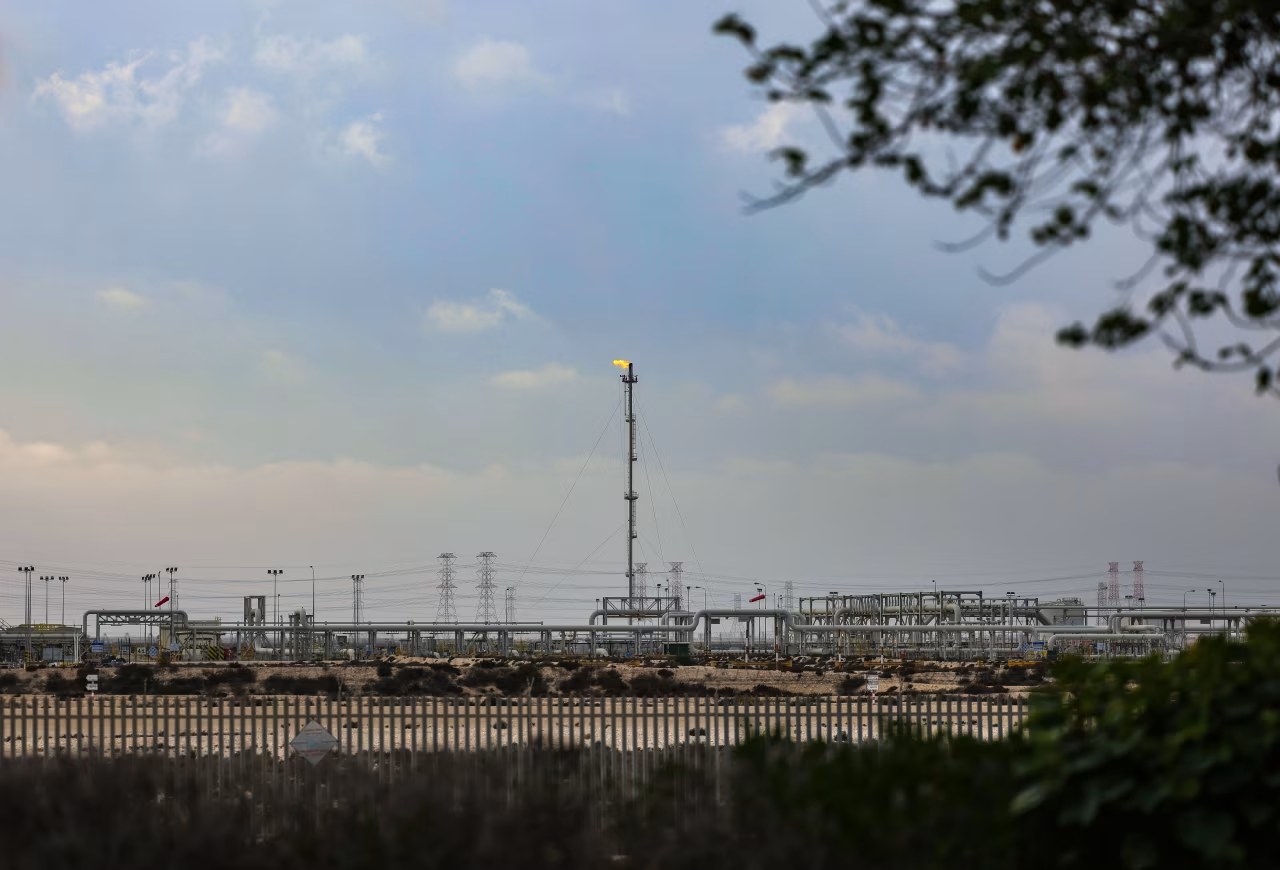
Shell Halts 140,000‑Barrel‑Per‑Day Pearl GTL Plant After Iranian Missile Strike
- One of two GTL trains damaged, forcing a full shutdown.
- Plant processes 1.6 billion cubic feet of gas daily.
- Production loss equals 140,000 barrels of hydrocarbons each day.
- Incident raises fresh concerns about Gulf energy security.
Why a single missile strike can ripple through global fuel markets
SHELL—On March 3, Iranian missiles slammed the Ras Laffan Industrial City in Qatar, striking the sprawling complex that houses Shell’s Pearl GTL plant – the world’s largest gas‑to‑liquids facility.
Shell confirmed that one of the plant’s two trains sustained damage, prompting an immediate halt to production. The shutdown eliminates the conversion of up to 140,000 barrels of liquid fuel per day, a volume that normally fuels regional power plants, petrochemical complexes, and transport fleets.
Beyond the immediate loss, the attack underscores the strategic fragility of energy infrastructure in a region already fraught with geopolitical tension.
The Immediate Operational Fallout at Pearl GTL
From strike to shutdown: a timeline in minutes
Shell’s own statement on Thursday read, “Shell said Thursday that the facility was damaged during an attack.” That brief declaration encapsulated a cascade of operational decisions made within hours of the impact. The damaged train, which accounts for roughly half of the plant’s processing capacity, was taken offline to prevent further safety hazards.
Engineers on the ground performed an initial damage assessment, confirming structural compromise to the gas‑feed compressors and the associated heat‑exchange network. According to the company, the other train remains intact, but the interlinked nature of the GTL process means the entire plant must be halted until the compromised train is isolated and repaired.
Industry analysts from Wood Mackenzie note that a full‑scale GTL plant cannot run at partial capacity without risking catalyst degradation and product quality issues. “Running a single train while the other is offline creates thermal imbalances that can damage downstream units,” said Dr. Elena Ramos, senior analyst at Wood Mackenzie. The forced shutdown therefore reflects both safety protocols and technical constraints inherent to GTL technology.
The loss of 140,000 barrels per day translates to a short‑term supply gap for downstream petrochemical customers in the Middle East and Asia. While the market can absorb the shock through existing inventories, the sudden withdrawal of such volume can tighten spot pricing for GTL‑derived diesel and jet fuel.
Shell’s rapid communication strategy—issuing a concise statement within hours—helps manage investor expectations and limits speculation. Yet the broader narrative is clear: a single missile strike can halt a multi‑billion‑dollar operation, exposing the vulnerability of critical energy assets.
As the plant remains offline, Shell will likely conduct a comprehensive safety review before resuming operations, a process that could extend weeks or months depending on the severity of the damage.
Understanding the immediate operational fallout sets the stage for examining the plant’s underlying technology and its strategic importance in the region.
Understanding Pearl GTL’s Scale and Technology
Two‑train architecture: why size matters
The Pearl GTL facility is a two‑train complex capable of processing up to 1.6 billion cubic feet of wellhead gas per day. Each train is designed to handle roughly 800 million cubic feet, converting the gas into 70,000 barrels of liquid hydrocarbons daily. This modular design provides operational flexibility under normal conditions but creates a single point of failure when one train is compromised.
Shell’s engineering team originally highlighted the plant’s ability to produce synthetic diesel, naphtha, and kerosene with a carbon intensity lower than conventional refining. “The GTL process allows us to monetize stranded gas reserves while delivering cleaner fuels,” the company noted in its 2022 sustainability report.
Technical experts explain that GTL conversion relies on Fischer‑Tropsch synthesis, a catalyst‑driven reaction that transforms syngas—a mixture of carbon monoxide and hydrogen—into long‑chain hydrocarbons. The process is highly sensitive to feedstock purity and temperature control, making the integrity of compressors and heat exchangers critical.
When the Iranian missiles struck, damage to the gas‑feed compressors disrupted the syngas production line for the affected train. Without a stable syngas supply, the Fischer‑Tropsch reactors cannot operate, forcing a plant‑wide shutdown to protect the catalyst and downstream units.
Comparative data from the world’s other large GTL plants—such as the 202 MMcf/d Oryx GTL in Qatar and the 1 MMcf/d Sasol’s Secunda plant in South Africa—show that Pearl GTL’s 1.6 Bcf/d capacity is unmatched. Its scale not only makes it a revenue engine for Shell but also a strategic asset for Qatar’s diversification away from crude oil.
Given the plant’s size, the loss of a single train represents a substantial dip in global GTL supply, underscoring why the attack reverberates beyond regional borders.
Having grasped the plant’s technical underpinnings, we can now explore the geopolitical context that placed it in the crosshairs.
Regional Geopolitics and the Risk to Energy Infrastructure
Why the Ras Laffan complex became a target
The March 3 missile strike was not an isolated incident but part of a broader pattern of proxy confrontations between Iran and Gulf states allied with the United States. Analysts from the International Institute for Strategic Studies (IISS) argue that Iran’s missile campaign aims to signal its capability to disrupt critical energy corridors.
“Targeting a high‑profile asset like Pearl GTL sends a clear message about the reach of Iranian precision strike capabilities,” said Dr. Karim Al‑Saadi, senior fellow at IISS. The choice of Ras Laffan—Qatar’s primary industrial hub hosting LNG, petrochemical, and GTL facilities—maximizes economic impact while showcasing military prowess.
Historically, the Gulf has seen infrastructure attacks, most notably the 2019 drone assaults on Saudi oil facilities that temporarily cut global oil output by 5 %. The Pearl GTL incident adds to a growing list of vulnerabilities that could reshape regional energy security calculations.
From a policy perspective, the United States and its Gulf allies have responded by bolstering air‑defense systems and increasing naval patrols in the Persian Gulf. However, the sheer number of civilian industrial sites scattered across the coastline makes comprehensive protection a logistical challenge.
Energy market analysts at BloombergNEF project that repeated disruptions could push regional LNG and GTL pricing premiums by up to 15 % over the next six months, as buyers seek alternative sources and hedge against supply volatility.
The attack also raises questions about the resilience of the global fuel supply chain. While the immediate loss is limited to the Pearl GTL output, the psychological impact on investors and insurers may translate into higher financing costs for future energy projects in the region.
Having mapped the geopolitical stakes, the next logical step is to assess the financial ripple effects for Shell and its shareholders.
What the Shutdown Means for Global GTL Supply
Supply‑side shock: quantifying the loss
With the Pearl GTL plant offline, the global GTL market loses roughly 140,000 barrels of synthetic fuel each day. While the overall GTL share of worldwide fuel production remains modest—estimated at under 2 %—the plant’s size means its absence is felt most keenly in niche markets that rely on low‑sulfur diesel and aviation kerosene.
Energy consultancy Rystad Energy notes that GTL‑derived diesel commands a price premium of $0.15‑$0.20 per gallon in Europe, where stringent emissions standards drive demand. The sudden supply gap could tighten regional spreads, prompting refiners to substitute conventional diesel, thereby raising overall sulfur emissions.
“The Pearl GTL outage illustrates how concentrated GTL capacity can amplify market volatility,” said Dr. Maya Patel, senior analyst at Rystad. “Even a single plant can shift pricing dynamics across multiple continents.”
In the short term, buyers are likely to turn to strategic reserves and alternative suppliers, such as the Oryx GTL plant, which can increase output by up to 10 % to partially offset the shortfall. However, ramp‑up capacity is limited by feedstock availability and catalyst turnover times.
Beyond price effects, the incident may accelerate interest in alternative pathways for monetizing stranded gas, including small‑scale GTL units and direct liquefied natural gas (LNG) exports. Investors are watching closely to see whether Shell will accelerate its diversification away from large‑scale GTL projects.
The broader implication is clear: geopolitical risk is now a quantifiable factor in GTL project economics, influencing both capital allocation and insurance premiums.
Having examined market repercussions, the final chapter looks ahead to Shell’s strategic response and the long‑term outlook for GTL technology.
Looking Forward: Shell’s Strategy and the Future of GTL
Rebuilding, resilience, and diversification
Shell’s next steps will likely blend rapid repair of the damaged train with a reassessment of risk mitigation strategies. In a recent earnings call, a Shell executive emphasized, “We remain committed to the Pearl GTL asset, but we are also evaluating additional safeguards to protect against future disruptions.” This reflects a broader industry trend toward hardening critical infrastructure.
Potential measures include reinforcing perimeter defenses, integrating advanced radar‑guided missile interceptors, and diversifying feedstock sources to reduce reliance on a single gas field. Moreover, Shell has hinted at exploring modular GTL technologies that can be deployed in less exposed locations, thereby spreading risk.
From an investment perspective, analysts at Morgan Stanley have downgraded Shell’s GTL segment outlook by one rating notch, citing heightened geopolitical risk. Yet they maintain a long‑term bullish view on GTL’s role in a decarbonizing energy mix, especially as synthetic fuels gain traction for aviation and shipping.
Regulatory bodies in Qatar are also expected to tighten safety standards for industrial complexes, potentially imposing new compliance costs on operators. The Qatar Ministry of Energy announced a review of emergency response protocols following the attack, signaling a tighter regulatory environment.
In the global context, the incident may spur other oil‑and‑gas majors to reconsider the concentration of their high‑value assets. Companies like ExxonMobil and TotalEnergies have already announced plans to invest in distributed, smaller‑scale GTL units that can be sited farther from geopolitical flashpoints.
Ultimately, the Pearl GTL shutdown serves as a case study in how a single geopolitical event can reverberate through technology, markets, and corporate strategy. Shell’s response will be watched closely as a bellwether for the industry’s ability to adapt to an increasingly volatile security landscape.
As Shell charts its recovery path, the lessons learned will shape the next generation of GTL projects and the broader dialogue on energy resilience in the Gulf.
Frequently Asked Questions
Q: What is the production capacity of Shell’s Pearl GTL plant?
The Pearl GTL plant can process up to 1.6 billion cubic feet of wellhead gas per day and convert it into roughly 140,000 barrels of gas‑to‑liquids hydrocarbons daily, making it the world’s largest GTL facility.
Q: How did the Iranian missile attack affect Shell’s operations in Qatar?
Iranian missiles struck the Ras Laffan complex on March 3, damaging one of the two GTL trains. Shell confirmed the hit forced an immediate shutdown of the Pearl GTL plant, halting its 140,000‑barrel‑per‑day output.
Q: What are the broader implications of the attack for Gulf energy security?
The strike highlights the vulnerability of critical energy infrastructure in the Gulf. Analysts warn that recurring geopolitical tensions could disrupt global fuel supplies, push up oil prices, and accelerate diversification efforts across the region.
📰 Related Articles
- QatarEnergy Reports Ras Laffan Damage After Second Iranian Strike, Oil Surges Past $113
- Saudi Oil Price Spike Could Surpass $180 per Barrel if Energy Shock Lingers Past April
- BP Offloads German Gelsenkirchen Refinery to Klesch in Quiet Exit
- Russian ESPO Crude Sales to Asia Start Two Months Early as Hormuz Risk Persists
