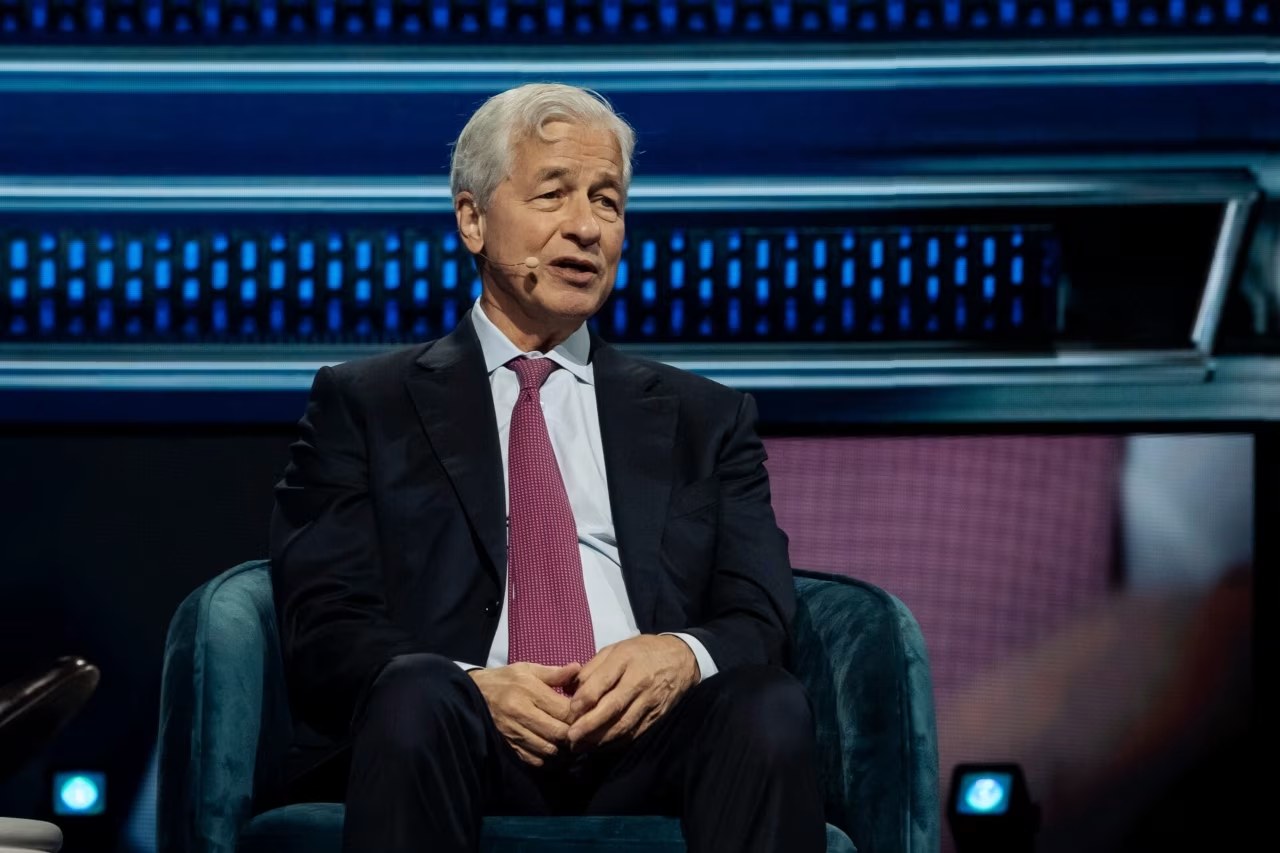
Jamie Dimon Warns of 5%+ Inflation Rate if Iran War Persists
- Jamie Dimon warns of potential inflation and interest rate hikes due to Iran war.
- The conflict could lead to oil and commodity price shocks.
- Prolonged inflation and higher interest rates are possible outcomes.
- JPMorgan Chase CEO cautions about risks in his annual letter.
- Global markets may experience downturns if situation escalates.
Dimon’s Inflation Warning Comes Amid Rising Global Tensions
JAMIE DIMON—Jamie Dimon, CEO of JPMorgan Chase, has expressed concerns about the potential economic impacts of the ongoing conflict in Iran.
The Economic Implications of the Iran War
Jamie Dimon, CEO of JPMorgan Chase, has warned that the war in Iran could have significant economic implications, including higher inflation and interest rates. In his annual letter to shareholders, Dimon highlighted the risk of oil and commodity price shocks, which could lead to prolonged inflation and ultimately higher interest rates.
Dimon’s Warning Comes Amid Rising Global Tensions
The warning comes as global tensions continue to rise, with the conflict in Iran being a major concern for investors and policymakers alike. According to Dimon, the war could lead to a surge in oil and commodity prices, which could have a ripple effect on the global economy.
How the Iran War Could Affect Inflation and Interest Rates
The potential economic impacts of the Iran war are significant, with Dimon warning that the conflict could lead to higher inflation and interest rates. If oil and commodity prices surge, it could lead to a sustained increase in inflation, which could in turn lead to higher interest rates. This could have a negative impact on financial markets, with investors potentially becoming more risk-averse.
Historical Context: Past Conflicts and Economic Impacts
Historically, conflicts in the Middle East have had significant economic impacts, including the 1970s oil embargo and the 2003 Iraq War. These conflicts have led to surges in oil prices, which have had ripple effects on the global economy.
What Does This Mean for Investors and the Global Economy?
Dimon’s warning has significant implications for investors and the global economy. If the conflict in Iran leads to higher inflation and interest rates, it could lead to a downturn in financial markets. Investors may become more risk-averse, leading to a decrease in investment and economic growth. This could have far-reaching consequences for the global economy, with potential impacts on trade, employment, and economic stability.
Expert Perspectives: What Economists Are Saying
Economists are warning that the conflict in Iran could have significant economic impacts, including higher inflation and interest rates. According to some experts, the war could lead to a recession, although this is not a certainty.
Frequently Asked Questions
Q: What did Jamie Dimon warn about in his annual letter to shareholders?
Jamie Dimon warned that the war in Iran could lead to higher inflation and interest rates due to potential oil and commodity price shocks.
Q: What are the potential economic impacts of the Iran war according to Jamie Dimon?
According to Jamie Dimon, the Iran war could lead to prolonged inflation and higher interest rates if oil and commodity prices surge.
Q: Why is Jamie Dimon concerned about the Iran war’s impact on the economy?
Jamie Dimon is concerned because the war could cause oil and commodity price shocks, leading to sustained inflation and potentially higher interest rates.
