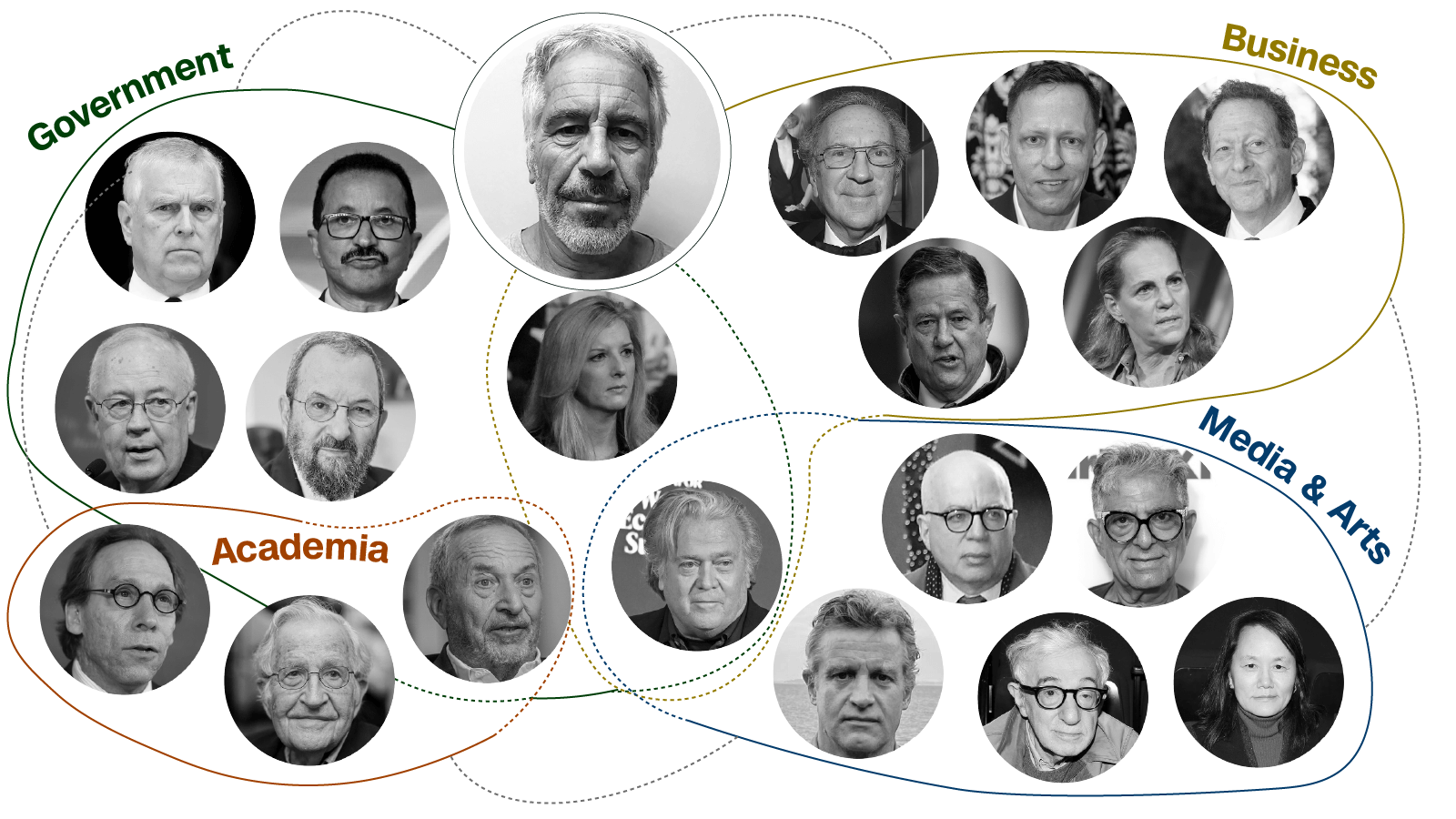
JEFFREY EPSTEIN—Convicted sex offender Jeffrey Epstein’s ability to ingratiate himself with top executives at Microsoft, one of the world’s most influential technology companies, has raised questions about the boundaries between personal relationships and professional dealings. Over two decades, Epstein cultivated a network within the tech giant, granting him access to sensitive information, including succession discussions and other critical business matters.
Epstein’s Entry Point: Leveraging Philanthropy and Personal Connections
Introduction to Epstein’s Tactics
Epstein’s method of ingratiating himself with powerful figures, including those at Microsoft, often involved a combination of philanthropic efforts and leveraging personal connections. By presenting himself as a supporter of various causes and a facilitator of intellectual and social gatherings, Epstein was able to build relationships with key individuals within the company.
Philanthropic Ventures
Through his foundation, Epstein supported a range of educational and scientific endeavors, which helped him connect with like-minded individuals at Microsoft who shared his interests in innovation and technology. These philanthropic ventures served as a platform for Epstein to demonstrate his intellectual curiosity and his willingness to support causes that aligned with Microsoft’s values and goals.
Personal Connections and Networking
Epstein’s ability to form personal connections with Microsoft executives was crucial in his strategy to gain influence within the company. By attending exclusive events, hosting dinners, and engaging in one-on-one meetings, Epstein was able to establish a network of allies who could provide him with insights into the company’s operations and strategic plans.
Succession Discussions and Business Insights
Epstein’s Access to Sensitive Information
As Epstein deepened his relationships with Microsoft’s top executives, he gained access to sensitive information, including discussions about succession planning and other critical business matters. This access not only underscored Epstein’s influence within the company but also highlighted the potential risks associated with allowing outsiders to become privy to such confidential information.
Implications for Corporate Governance
The fact that Epstein was able to become so closely tied to Microsoft’s inner workings raises important questions about corporate governance and the need for clear boundaries between personal relationships and professional dealings. Companies must be vigilant in protecting sensitive information and ensuring that outsiders do not unduly influence key decisions.
Microsoft’s Response and the Wider Implications
Microsoft’s Stance on Epstein’s Connections
In response to the revelations about Epstein’s connections within the company, Microsoft has faced scrutiny over its handling of the situation. The company’s response will be crucial in determining how it navigates the complex ethical and reputational challenges posed by Epstein’s actions.
Broader Implications for Corporate America
The Epstein case serves as a stark reminder of the challenges companies face in managing relationships between personal and professional spheres. As corporations increasingly recognize the importance of ethical leadership and transparency, the need for robust policies and practices to prevent similar situations from arising in the future becomes more pressing.
Corporate Governance and Ethics
Towards a New Era of Transparency and Accountability
The Epstein affair highlights the necessity for a new era of transparency and accountability in corporate governance. Companies must prioritize ethical considerations, ensure the protection of sensitive information, and maintain clear boundaries between personal relationships and professional dealings to rebuild trust with their stakeholders and the public at large.
Implementing Change
Implementing meaningful change will require a multifaceted approach, including the establishment of stricter ethical guidelines, enhanced oversight mechanisms, and a cultural shift towards greater transparency and accountability. Only through such concerted efforts can corporations hope to mitigate the risks associated with external influences and foster an environment of trust and integrity.
