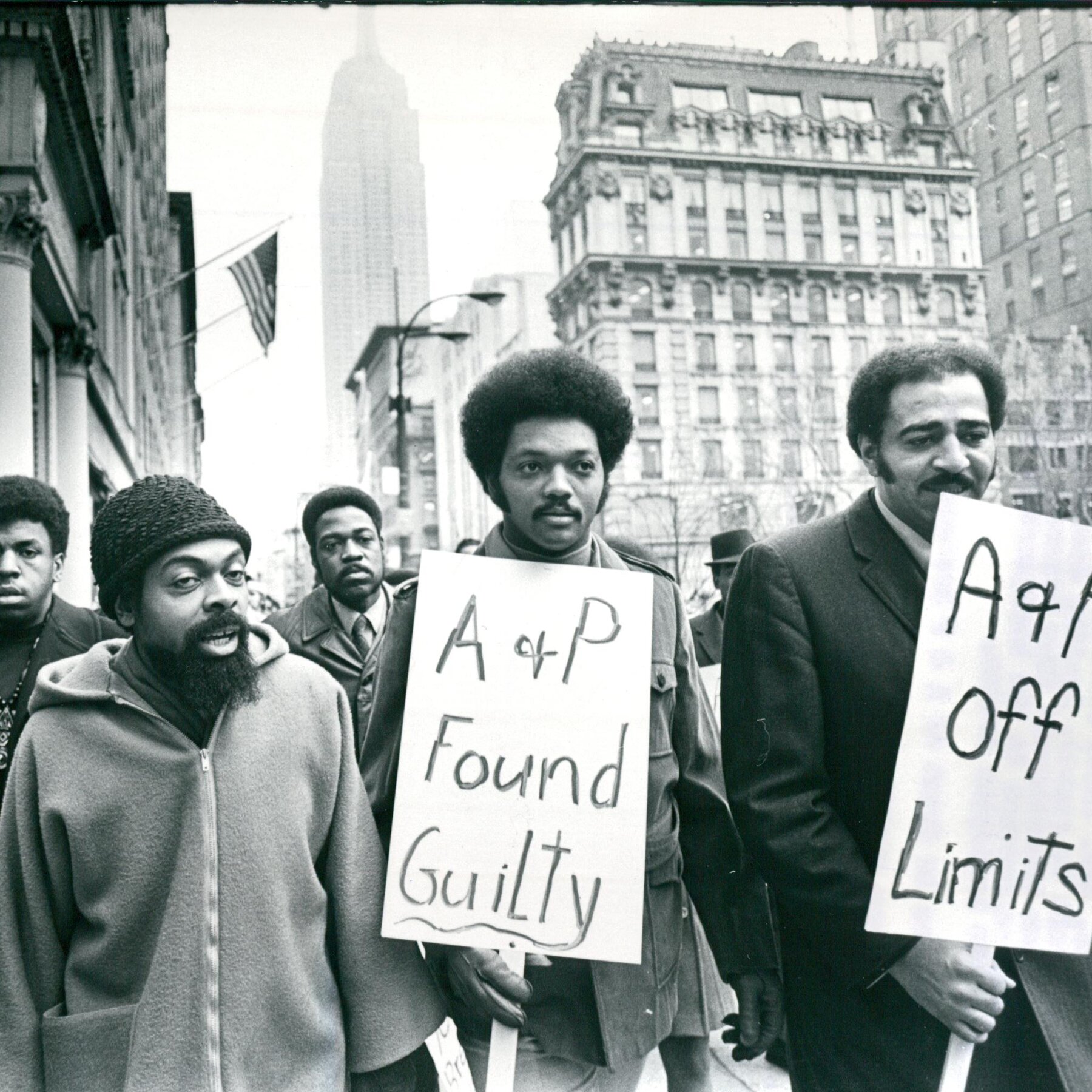
JESSE JACKSON—The Rev. Jesse Jackson is a towering figure in American history, having played a pivotal role in the civil rights movement and beyond. With a career spanning over five decades, Jackson has been a constant presence on the national stage, leaving an indelible mark on the country’s social and political landscape. From his early days as a young activist to his presidential runs, Jackson’s life has been marked by both triumph and controversy.
The Early Years: Growing Up in the Jim Crow South
Introduction to Racism
Jesse Jackson was born on October 8, 1941, in Greenville, South Carolina, a city deeply entrenched in the Jim Crow era. His early life was marked by the harsh realities of racism, with segregation and discrimination being an everyday reality. Despite these challenges, Jackson’s family instilled in him a strong sense of self-worth and a desire to make a difference.
Education and Activism
Jackson’s academic prowess and athletic ability earned him a scholarship to the University of Illinois, but he soon transferred to North Carolina A&T State University, where he became involved in the civil rights movement. It was during this period that Jackson developed his oratory skills and began to realize his potential as a leader.
The Civil Rights Movement: A Baptism by Fire
Martin Luther King Jr. and the SCLC
In 1965, Jackson joined the Southern Christian Leadership Conference (SCLC), led by the revered Martin Luther King Jr. This marked the beginning of Jackson’s ascent as a prominent figure in the civil rights movement. He quickly became one of King’s closest aides, participating in numerous marches and protests, including the iconic Selma to Montgomery Marches.
Leadership and Controversy
Following King’s assassination in 1968, Jackson’s leadership role within the SCLC expanded. However, his tenure was not without controversy, as he faced criticism for his handling of the organization’s finances and his own rise to prominence.
Operation PUSH and Rainbow Coalition: Empowering the Disenfranchised
Founding of Operation PUSH
In 1971, Jackson founded Operation PUSH (People United to Save Humanity), an organization aimed at empowering African Americans through economic development and social justice initiatives. This marked a significant shift in Jackson’s focus, as he began to concentrate on issues such as employment, education, and healthcare.
The Rainbow Coalition
The success of Operation PUSH led to the creation of the Rainbow Coalition, a multicultural organization that sought to bring together individuals from diverse backgrounds to fight for social justice. The coalition’s message of inclusivity and equality resonated with many, further cementing Jackson’s status as a leading voice in American politics.
The 1984 Presidential Campaign: A Historic Run
A New Era in Politics
Jackson’s entry into the 1984 Democratic presidential primaries marked a historic moment in American politics. His candidacy, though ultimately unsuccessful, helped to galvanize support among African American voters and paved the way for future generations of minority politicians.
Policy and Platform
During his campaign, Jackson advocated for a range of progressive policies, including universal healthcare, free community college, and an end to apartheid in South Africa. His message of hope and change resonated with many, particularly in the African American community.
The 1988 Presidential Campaign: A Second Attempt
A Stronger Showing
Jackson’s second presidential campaign in 1988 built upon the momentum of his 1984 run. He won several primaries and caucuses, including those in Michigan, Virginia, and South Carolina. Although he ultimately lost the Democratic nomination to Michael Dukakis, Jackson’s campaign helped to further solidify his position as a major force in American politics.
Convention Speech and Party Unity
Jackson’s speech at the 1988 Democratic National Convention is often cited as one of the greatest in American political history. His call for party unity and his emphasis on the importance of including diverse voices in the political process helped to heal divisions within the party and set the stage for future Democratic victories.
International Diplomacy: A Global Leader
Hostage Negotiations and Foreign Policy
Throughout his career, Jackson has been involved in numerous international diplomatic efforts, including hostage negotiations and foreign policy initiatives. In 1984, he successfully negotiated the release of American Navy pilot Lieutenant Robert Goodman, who had been held captive in Syria.
Humanitarian Work
Jackson has also been a vocal advocate for human rights and social justice around the world. He has worked tirelessly to promote democracy, end apartheid, and support humanitarian causes, earning him widespread recognition and respect on the global stage.
Legacy and Impact: A Life of Service
A Lasting Impact
Jesse Jackson’s life has been marked by an unwavering commitment to social justice and human rights. His contributions to the civil rights movement, his presidential campaigns, and his international diplomatic efforts have left an indelible mark on American history.
A Continuing Voice for Justice
Despite facing controversy and criticism throughout his career, Jackson remains a powerful voice for justice and equality. His legacy serves as a reminder of the importance of activism, leadership, and dedication to creating a better world for all people.
