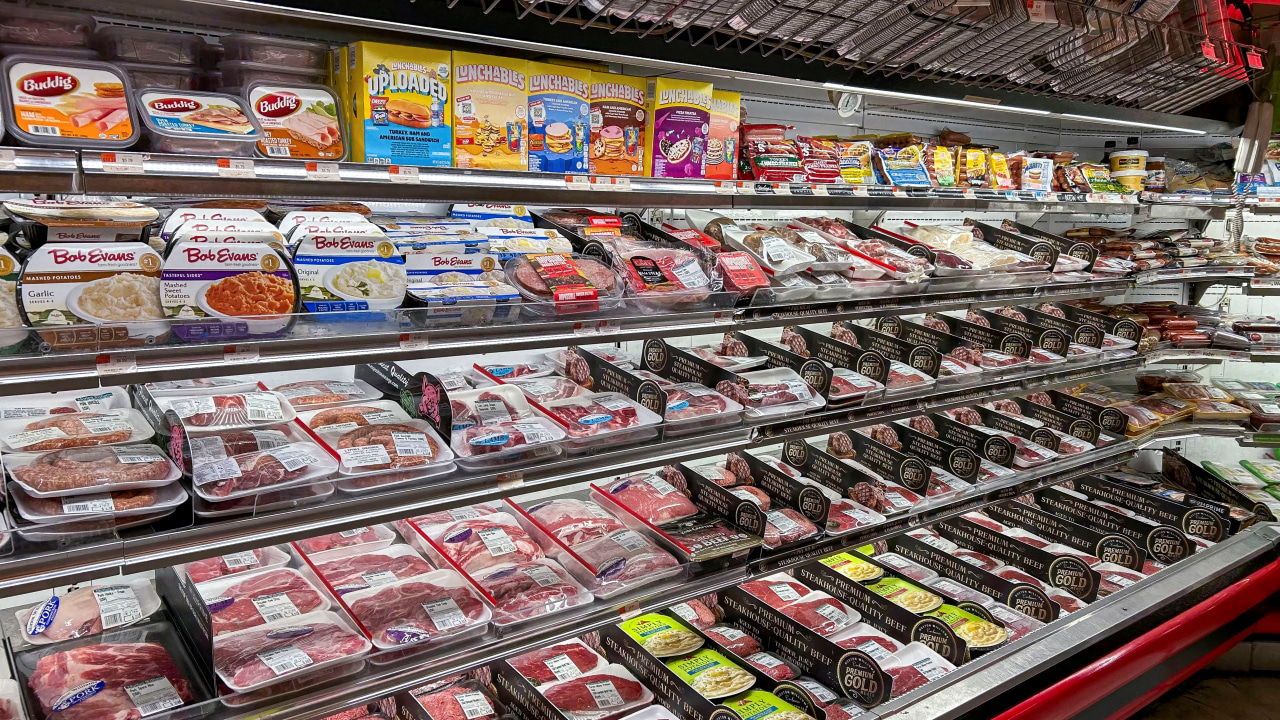
The K-Shaped Economy: A Grocery Aisle Divide
- The K-shaped economy has led to a significant divide in consumer spending habits, with the wealthy increasing their spending and the lower-income households reducing theirs.
- Grocery aisles have become a microcosm of this economic divide, with luxury and premium products experiencing high demand, while budget-friendly options face declining sales.
- This dichotomy has significant implications for the retail industry, food manufacturers, and ultimately, the consumers themselves.
Understanding the K-Shaped Economy
K-SHAPED ECONOMY—The K-shaped economy refers to the uneven economic recovery following the COVID-19 pandemic, where the wealthy have largely recovered and are now driving economic growth, while lower-income households continue to struggle. This divide is evident in various sectors, including the retail industry, particularly in grocery aisles.
Grocery shopping, a mundane task for many, has become a reflection of the K-shaped economy. The affluent are splurging on high-end products, such as organic produce, premium meats, and specialty cheeses, while budget-conscious consumers are opting for more affordable options, like store-brand staples and discounted items.
The implications of this trend are far-reaching, influencing not only the retail industry but also the food manufacturing sector. As demand for luxury products increases, manufacturers are shifting their focus towards producing more premium offerings, potentially neglecting the needs of budget-conscious consumers.
The Rise of Luxury Grocery Shopping
The COVID-19 pandemic has accelerated the growth of the luxury grocery market, with many consumers seeking comfort and indulgence in high-end food products. According to a recent survey, 62% of affluent consumers have increased their spending on gourmet and specialty foods, with 45% citing the desire for premium quality as the primary reason.
As a result, luxury grocery stores and high-end retailers have seen significant sales growth, with some reporting increases of up to 20% in the past year. This trend is not limited to brick-and-mortar stores, as online luxury grocery shopping has also experienced a surge in popularity, with platforms like Instacart and Shipt catering to the demands of affluent consumers.
The rise of luxury grocery shopping has led to the emergence of new product categories, such as plant-based meat alternatives and artisanal cheeses. Food manufacturers are responding to this trend by launching premium product lines, often with higher price points and more sophisticated branding.
However, this shift towards luxury products has raised concerns about the accessibility and affordability of healthy food options for lower-income households. As the demand for premium products increases, there is a risk that budget-friendly options will become less available, exacerbating the existing health disparities in disadvantaged communities.
To address this issue, retailers and manufacturers must find a balance between catering to the demands of affluent consumers and ensuring that affordable, nutritious food options remain available to all. This could involve implementing pricing strategies that make premium products more accessible to a wider range of consumers or investing in initiatives that promote healthy eating habits in underserved communities.
The Decline of Budget-Friendly Options
In contrast to the growth of the luxury grocery market, budget-friendly options have experienced a decline in sales, with many retailers reporting a significant decrease in demand for store-brand staples and discounted items. This trend is largely attributed to the economic uncertainty and reduced consumer spending power among lower-income households.
A recent study found that 55% of low-income consumers have reduced their grocery spending in the past year, with 70% citing financial constraints as the primary reason. This has led to a surge in demand for food assistance programs, such as food banks and pantries, which are struggling to keep up with the increased need.
The decline of budget-friendly options has significant implications for the retail industry, as it may lead to a loss of market share and revenue for retailers that have historically catered to budget-conscious consumers. Furthermore, the reduced demand for affordable food options may also impact the food manufacturing sector, as manufacturers may need to adjust their production levels and product offerings to reflect the changing market trends.
In response to this trend, retailers and manufacturers must find innovative ways to make affordable, nutritious food options more accessible to lower-income households. This could involve investing in e-commerce platforms, partnering with food assistance programs, or developing new product lines that cater to the needs of budget-conscious consumers.
Moreover, policymakers must also play a crucial role in addressing the root causes of economic inequality and ensuring that all consumers have access to affordable, healthy food options. This could involve implementing policies that support low-income households, such as increasing funding for food assistance programs or providing incentives for retailers to offer affordable food options in underserved communities.
The Impact on Food Manufacturers
The K-shaped economy has significant implications for food manufacturers, as they must navigate the changing demand for luxury and budget-friendly products. To remain competitive, manufacturers must adapt their product offerings and pricing strategies to cater to the evolving needs of consumers.
According to a recent survey, 60% of food manufacturers have reported an increase in demand for premium and luxury products, while 40% have seen a decline in demand for budget-friendly options. In response, many manufacturers are shifting their focus towards producing more high-end products, often with higher price points and more sophisticated branding.
However, this shift towards luxury products raises concerns about the potential neglect of budget-conscious consumers. As manufacturers prioritize premium products, there is a risk that affordable, nutritious food options will become less available, exacerbating the existing health disparities in disadvantaged communities.
To mitigate this risk, manufacturers must find a balance between catering to the demands of affluent consumers and ensuring that affordable, nutritious food options remain available to all. This could involve investing in initiatives that promote healthy eating habits in underserved communities or developing new product lines that cater to the needs of budget-conscious consumers.
Furthermore, manufacturers must also consider the environmental and social implications of their production practices, as the demand for luxury products often comes with a higher environmental footprint and social cost. By prioritizing sustainability and social responsibility, manufacturers can ensure that their products not only meet the demands of affluent consumers but also contribute to a more equitable and environmentally conscious food system.
The Role of Retailers in Bridging the Gap
Retailers play a crucial role in bridging the gap between luxury and budget-friendly options, as they are often the primary interface between consumers and food manufacturers. To address the K-shaped economy, retailers must find innovative ways to cater to the diverse needs of their customers, while also ensuring that affordable, nutritious food options remain available to all.
One potential solution is for retailers to offer a range of products that cater to different income segments, including premium, mid-range, and budget-friendly options. By providing a diverse range of products, retailers can attract a broader customer base and ensure that all consumers have access to affordable, healthy food options.
Retailers can also invest in initiatives that promote healthy eating habits in underserved communities, such as food education programs, Cooking classes, and partnerships with local food banks and pantries. By taking a proactive approach to addressing food insecurity and health disparities, retailers can contribute to a more equitable food system and build trust with their customers.
In addition, retailers must also consider the environmental and social implications of their operations, as the K-shaped economy raises concerns about the sustainability and social responsibility of the food system. By prioritizing sustainability and social responsibility, retailers can ensure that their operations not only meet the demands of affluent consumers but also contribute to a more environmentally conscious and equitable food system.
Ultimately, retailers must recognize that the K-shaped economy is not just a market trend, but a reflection of the broader social and economic inequalities that exist in our society. By taking a proactive and socially responsible approach to addressing these inequalities, retailers can contribute to a more just and equitable food system that benefits all consumers, regardless of income level.
Conclusion: Navigating the K-Shaped Economy
The K-shaped economy has significant implications for the retail industry, food manufacturers, and consumers. As the demand for luxury products increases, there is a risk that budget-friendly options will become less available, exacerbating the existing health disparities in disadvantaged communities.
To navigate this trend, retailers and manufacturers must find a balance between catering to the demands of affluent consumers and ensuring that affordable, nutritious food options remain available to all. This requires a nuanced understanding of the complex social and economic factors that drive consumer behavior, as well as a commitment to promoting healthy eating habits and addressing food insecurity in underserved communities.
Ultimately, the K-shaped economy is a reflection of the broader social and economic inequalities that exist in our society. By taking a proactive and socially responsible approach to addressing these inequalities, retailers, manufacturers, and policymakers can contribute to a more just and equitable food system that benefits all consumers, regardless of income level.
As the retail industry continues to evolve, it is essential that stakeholders prioritize sustainability, social responsibility, and accessibility, ensuring that the benefits of the K-shaped economy are shared by all. By working together, we can create a more equitable food system that promotes healthy eating habits, supports local communities, and contributes to a more just and sustainable society.
The K-shaped economy is a complex and multifaceted trend that requires a comprehensive and nuanced response. By understanding the drivers of this trend and the implications for the retail industry, food manufacturers, and consumers, we can work towards creating a more equitable and sustainable food system that benefits all.
