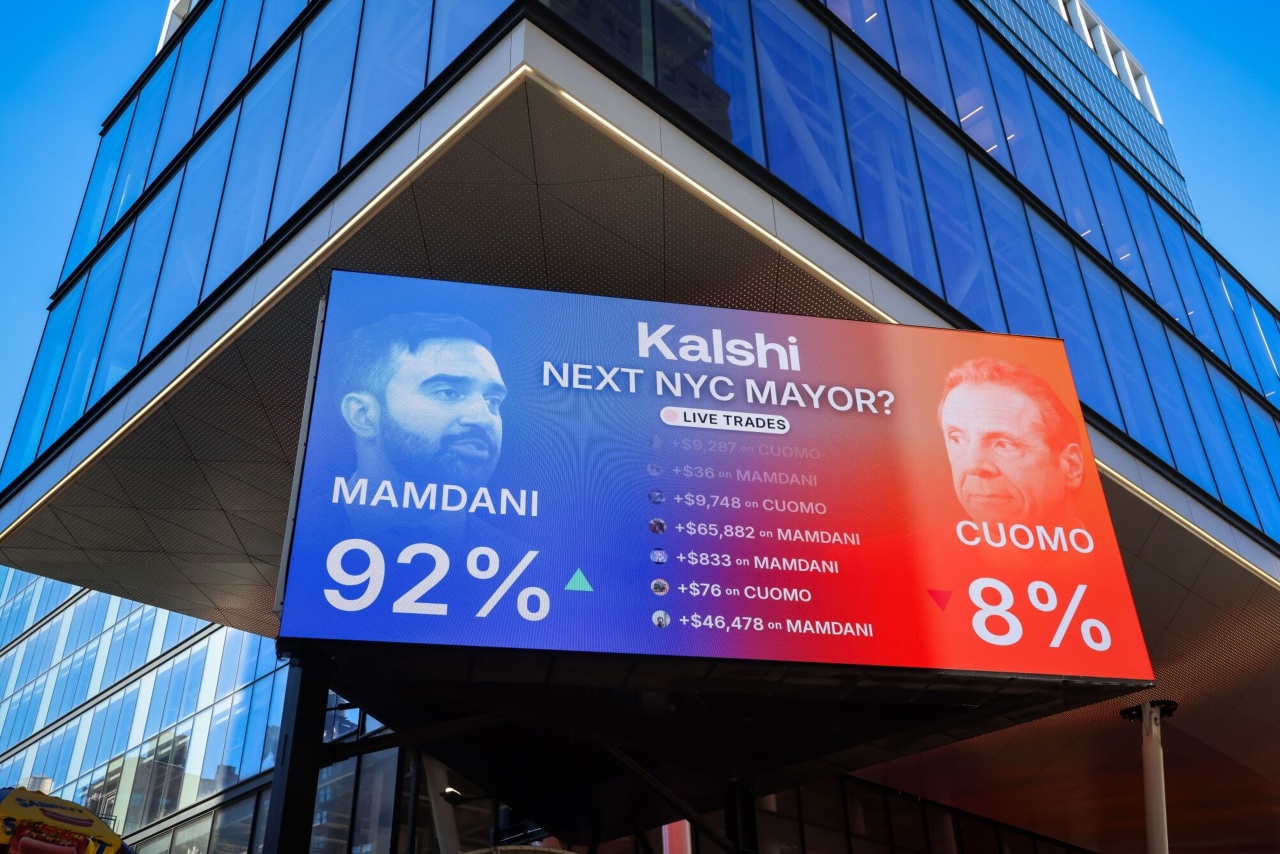
KALSHI—In a significant blow to its operations, Kalshi, a prediction-market platform, has been dealt a major setback by a federal appeals court in its bid to remain in Nevada. This rejection sets the stage for the state’s civil-enforcement proceedings, potentially jeopardizing Kalshi’s ability to continue its services in the region. The court’s decision marks a critical turning point in the ongoing legal battle between Kalshi and Nevada’s regulatory bodies.
The Appeals Court Ruling and Its Implications for Kalshi
Introduction to the Case
Kalshi’s legal troubles in Nevada began when the state initiated civil-enforcement proceedings against the company, citing concerns over its prediction-market activities. Kalshi, in an attempt to halt these proceedings, appealed to a federal court, arguing that its operations were legally sound and that Nevada’s actions were unwarranted.
The Legal Arguments
The core of Kalshi’s argument rested on the interpretation of federal and state laws governing prediction markets. The company contended that its platform, which allows users to bet on the outcomes of various events, was protected under these laws and did not violate Nevada’s gambling regulations. However, Nevada’s regulatory bodies countered that Kalshi’s activities indeed constituted unauthorized gambling, which is strictly regulated in the state.
The Court’s Decision
The federal appeals court’s rejection of Kalshi’s appeal is a significant setback for the company. The court’s decision suggests that it found merit in Nevada’s arguments, paving the way for the state to proceed with its civil-enforcement actions. This outcome not only affects Kalshi’s operations in Nevada but also has broader implications for the regulation of prediction-market platforms across the United States.
Impact on Kalshi’s Operations
The immediate effect of the court’s ruling is that Kalshi may be forced to cease its operations in Nevada or face legal consequences. This could lead to a loss of revenue and a diminishment of the company’s market presence. Moreover, the decision may set a precedent for other states to scrutinize prediction-market platforms more closely, potentially leading to further legal challenges for Kalshi and similar companies.
Regulatory Environment and Future of Prediction Markets
Evolution of Prediction Markets
Prediction markets, which allow participants to bet on the outcomes of events, have been growing in popularity. However, their legal status has often been murky, with different jurisdictions having varying degrees of tolerance for these activities. The outcome of Kalshi’s case in Nevada highlights the challenges faced by companies operating in this space.
Regulatory Challenges
One of the primary regulatory challenges for prediction-market platforms is navigating the complex legal landscape. In the United States, for example, laws regarding gambling and betting vary significantly from state to state. Platforms like Kalshi must ensure that their operations comply with both federal and state laws, a task that can be daunting given the patchwork nature of these regulations.
Implications for Innovation
The regulatory hurdles faced by prediction-market platforms can stifle innovation in this area. Companies may be deterred from investing in new technologies or expanding their services due to the legal uncertainty. Moreover, overly restrictive regulations could push these activities into the shadows, making it more difficult to ensure consumer protection and fairness.
Path Forward
For Kalshi and other prediction-market platforms, the path forward involves either adapting to the regulatory environment as it stands or advocating for clearer, more permissive laws. This could involve working with lawmakers to draft legislation that provides a legal framework for prediction markets, offering a degree of certainty that would allow these businesses to thrive.
Consumer Protection and Market Integrity
Protecting Consumers
One of the key concerns in the regulation of prediction markets is consumer protection. Participants in these markets can be vulnerable to fraud, manipulation, and other forms of exploitation. Effective regulation should prioritize measures that safeguard consumers, such as requirements for transparency, fair trading practices, and robust complaint resolution processes.
Ensuring Market Integrity
Market integrity is another critical aspect of regulating prediction markets. This involves ensuring that markets are free from manipulation and that all participants have access to the same information. Regulatory bodies must balance the need to protect consumers and maintain market integrity with the need to allow for innovation and competition in the sector.
Lessons from Other Jurisdictions
Other countries and states have experiences with regulating betting and prediction markets that could offer valuable lessons. For instance, the UK has a well-established framework for gambling regulation, which includes strict licensing requirements and consumer protection measures. Studying these models could help inform regulatory approaches in the U.S. and elsewhere.
Future Regulatory Directions
As prediction markets continue to evolve, regulatory frameworks will need to adapt. This might involve more nuanced distinctions between different types of betting activities, clearer guidelines on what constitutes lawful operation, and enhanced international cooperation to combat illegal activities. The goal should be to create an environment that fosters legitimate business practices while protecting consumers and maintaining market integrity.
