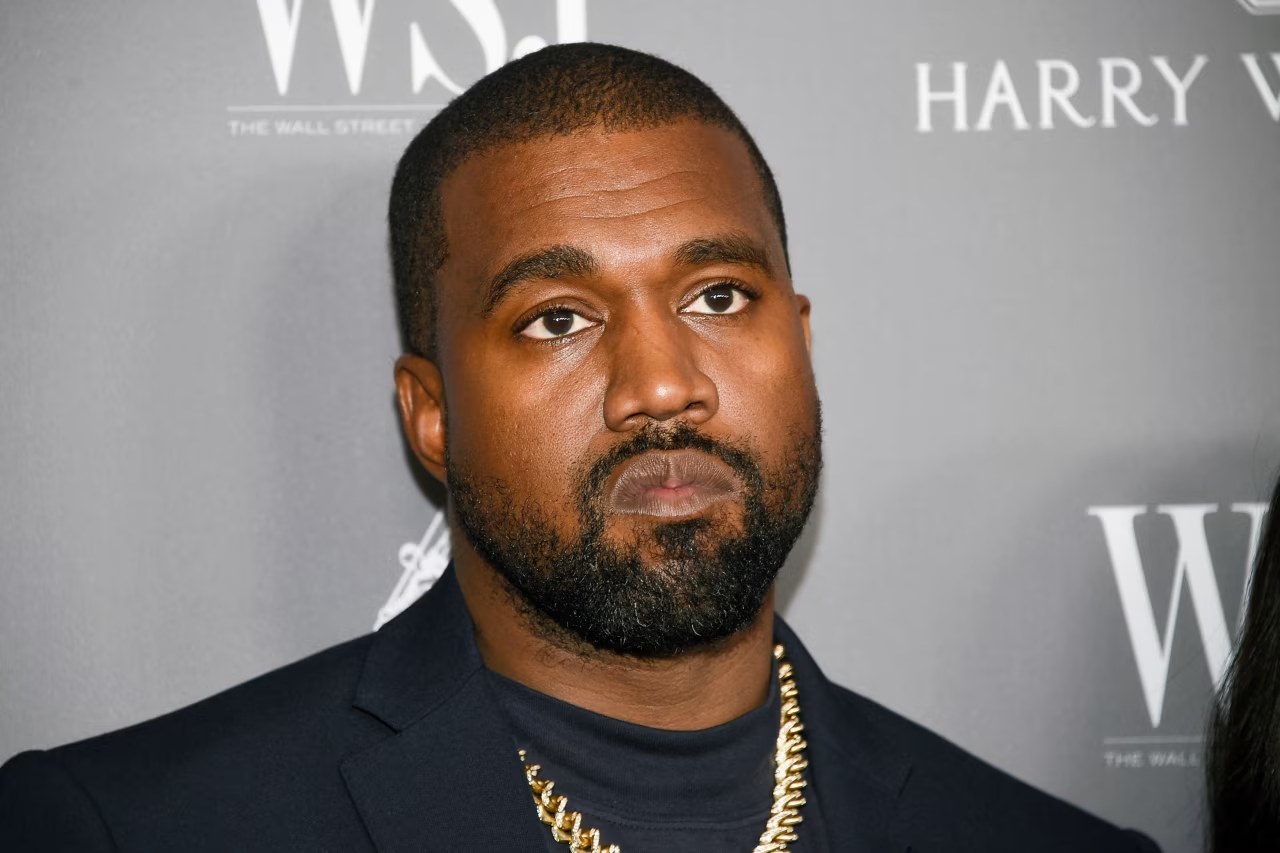
Kanye West’s UK Visit Blocked, Leading to Wireless Festival’s Cancellation
- Kanye West was denied entry into the United Kingdom, prompting the cancellation of the Wireless Festival.
- Festival organizers, Festival Republic, cited the Home Office’s decision as the reason for canceling the July event.
- The planned performance was met with backlash prior to the UK government’s intervention.
- This incident highlights the complex intersection of celebrity, public opinion, and immigration policy.
A Storm Brews as Immigration Policy Halts Major Music Event
KANYE WEST—The vibrant atmosphere of London’s music scene was abruptly subdued when Kanye West, the artist formerly known as Ye, was barred from entering the United Kingdom. This unprecedented move by the U.K. Home Office directly led to the cancellation of the highly anticipated Wireless Festival, scheduled to take place in July at north London’s Finsbury Park. The decision sent shockwaves through the festival’s organizers and its legions of fans, underscoring the significant influence governmental policy can wield over major cultural events.
Festival Republic, the company behind Wireless Festival, announced the cancellation, citing the U.K. Home Office’s decision to block West’s entry. This action came after considerable backlash surfaced regarding the rapper’s planned performance. While the exact parameters and specific offenses leading to the immigration ban were not immediately detailed by the Home Office, the situation underscores a growing trend where public sentiment and perceived risks associated with high-profile individuals can trigger official interventions.
The impact of this ban extends beyond just the cancellation of a single festival. It raises pertinent questions about the criteria for inadmissibility into the UK for artists and public figures, and how swiftly public outcry can translate into governmental action. The absence of West, a globally recognized artist, leaves a significant void in the festival’s lineup and marks a notable moment in the relationship between celebrity appearances, immigration laws, and public reception in the UK.
The Home Office’s Decision and Festival Fallout
Governmental Authority Over Entry
The U.K. Home Office possesses broad powers to refuse entry to individuals deemed undesirable. Such decisions are often based on national security, public order, or if an individual has committed serious criminal offenses. While the specifics of Kanye West’s case were not publicly elaborated upon by the Home Office, it is understood that a person can be excluded if their presence is considered ‘not conducive to the public good.’ This broad definition allows immigration officials to act on intelligence or perceived threats that may not always align with publicly available information or formal convictions.
The decision to ban West from entering the U.K. was the direct catalyst for Festival Republic’s decision to cancel Wireless Festival entirely. This move highlights the delicate operational and financial precariousness of large-scale events, which can be derailed by unforeseen circumstances, especially those involving the headlining act. The organizers were left with no viable alternative, as replacing a performer of West’s global stature on short notice would be an immense challenge, if not impossible, and the reputational damage and fan disappointment would be substantial.
Public Backlash as a Contributing Factor
Reports indicate that significant public backlash preceded the Home Office’s intervention. In an era of heightened social awareness and scrutiny, particularly concerning public figures’ statements and actions, artists with controversial pasts often face intense public opposition. West has a history of making inflammatory remarks and engaging in behavior that has drawn widespread criticism. This public sentiment, amplified through social media, can create significant pressure on both event organizers and governmental bodies to take action. The potential for protests or significant negative press surrounding his appearance likely factored into the organizers’ and the Home Office’s considerations.
The cancellation of Wireless Festival, due to the immigration status of its star performer, serves as a stark reminder of the volatile nature of the entertainment industry. It underscores the complex interplay between artistic freedom, public accountability, and the legal frameworks governing international travel. For fans who had purchased tickets with the expectation of seeing West perform, the cancellation represents a significant disappointment, a consequence directly stemming from the governmental decision and the preceding public discourse.
What are the Grounds for UK Entry Bans?
Immigration Rules and Public Interest
The U.K. immigration system outlines specific grounds under which an individual may be deemed ‘inadmissible’ or have their entry refused. These grounds are detailed in the Immigration Rules, which are publicly accessible but can be complex. Common reasons include criminality, previous breaches of immigration laws, and posing a threat to national security. However, a crucial, albeit less defined, reason is when an individual’s presence is considered ‘not conducive to the public good.’ This clause grants the Home Secretary considerable discretion to exclude individuals based on a wider range of factors, including their past conduct, public statements, and potential to cause offense or public disorder.
For public figures like Kanye West, whose actions and words often garner global attention, the ‘not conducive to the public good’ clause can be invoked if their behavior is deemed to be significantly harmful or offensive. This might stem from instances of hate speech, antisemitic remarks, or other discriminatory pronouncements that have characterized some of his public statements. The Home Office is tasked with balancing the UK’s reputation as an international hub for arts and culture against the potential harm associated with allowing entry to individuals who have demonstrated a disregard for societal values or incited controversy.
The Wider Implications for Festivals and Artists
The decision to ban Kanye West from the UK has significant implications for the organization of international music festivals and the careers of artists. It highlights the risks that festival organizers undertake when booking high-profile acts with potentially controversial histories. The financial and logistical repercussions of a cancellation are immense, involving artist fees, venue costs, marketing expenses, and refunds for ticket holders. This incident may lead organizers to implement more stringent vetting processes for artists, potentially involving deeper background checks and a closer examination of their public statements and past actions.
Furthermore, the ban serves as a cautionary tale for artists themselves, emphasizing that international mobility is not guaranteed and is subject to the laws and public perception in host countries. While artists often enjoy considerable freedom of expression, the consequences of that expression can, in some instances, lead to governmental restrictions on their ability to perform or tour internationally. The Wireless Festival cancellation, therefore, represents a critical juncture where artistic ambition meets the stringent realities of national immigration policy and evolving public expectations.
How Public Opinion Shapes Celebrity Immigration Status
The Power of Public Scrutiny
In the digital age, public opinion can rapidly coalesce and exert significant influence, especially concerning prominent figures. Kanye West has, at various times, been embroiled in controversies stemming from his public statements and behavior, including remarks that have been widely condemned as antisemitic and other inflammatory comments. When such controversies gain traction, they often trigger a strong public reaction, amplified across social media platforms and traditional news outlets. This heightened scrutiny can place considerable pressure on entities associated with the celebrity, including festival organizers and governmental bodies.
The backlash against West’s planned appearance at the Wireless Festival was evidently substantial enough to warrant action. Festival Republic, as an organizer, faces a dual challenge: securing a commercially viable and artistically compelling lineup, while also navigating the reputational risks associated with booking artists who might be subject to public criticism. In this instance, the organizers were ultimately compelled to cancel the event, indicating that the controversy surrounding West’s potential presence became too significant to manage, even before the Home Office made its final decision.
Governmental Response to Public Pressure
The U.K. Home Office, responsible for immigration control, is often perceived as needing to act decisively when public sentiment strongly opposes an individual’s entry. While official immigration policies are designed to be applied consistently and impartially, the ‘public good’ clause provides latitude for the Home Office to deny entry based on factors beyond criminal records. The intense public outcry surrounding Kanye West’s scheduled performance likely served as a significant factor in the Home Office’s assessment of whether his presence would be ‘conducive to the public good.’ This dynamic illustrates how external pressures can inform and influence the application of immigration law, particularly in high-profile cases.
The incident serves as a critical case study on the intersection of celebrity, public relations, and immigration policy. It demonstrates that a performer’s controversial past and public perception can directly impact their ability to engage in international performances, even leading to the cancellation of major events. For future festival organizers and artists alike, this serves as a potent reminder of the increasing importance of reputational management and the potentially far-reaching consequences of public discourse in the globalized entertainment landscape.
Frequently Asked Questions
Q: Why was Kanye West banned from the UK?
Kanye West was reportedly banned from entering the UK due to a backlash over his planned performance. While the official reason from the Home Office wasn’t detailed in initial reports, such bans are often related to concerns about behavior, public order, or past incidents that could be deemed detrimental to the UK.
Q: What was the consequence of Kanye West’s UK ban?
The direct consequence of Kanye West being denied entry to the UK was the cancellation of the Wireless Festival, where he was scheduled to perform. Event organizers cited ‘unforeseen circumstances’ stemming from the Home Office’s decision as the reason for calling off the festival.
Q: Did Kanye West comment on the UK ban?
At the time of the initial reports, there was no direct public statement from Kanye West addressing the UK ban or the subsequent cancellation of the Wireless Festival. The information regarding the ban and cancellation was primarily communicated by the festival’s organizers.
