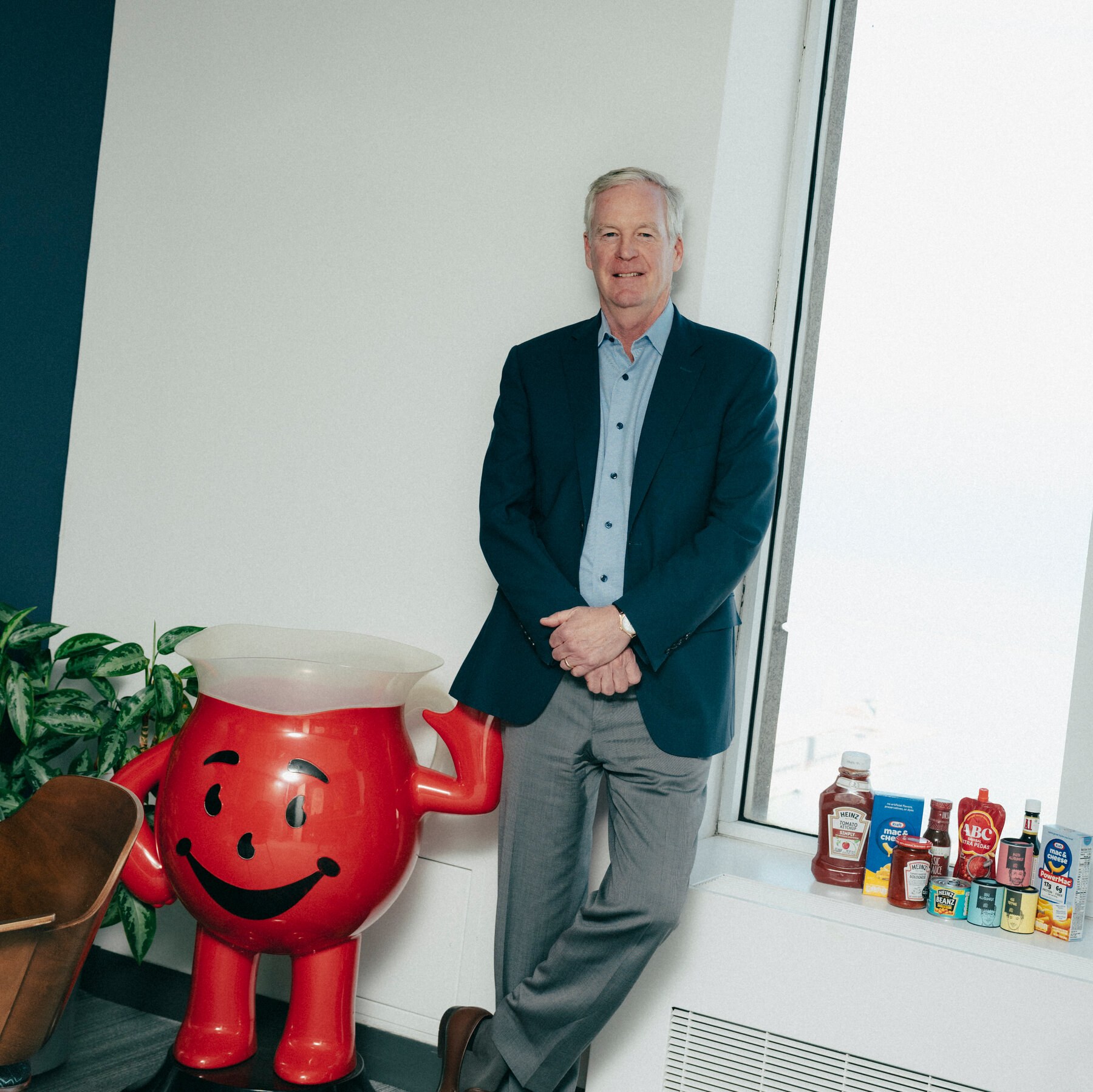
After a proposed split, Kraft Heinz’s new CEO Steve Cahillane pivots to protect legacy brands, sparking a strategic overhaul
- Steve Cahillane, a veteran of the food industry, is steering Kraft Heinz toward revitalization after a planned breakup.
- The company’s iconic brands—Kool‑Aid, Oscar Mayer, and Heinz ketchup—remain at the core of its 2023 revenue of $27.4 billion.
- Shareholders see a 12‑month share‑price decline from $55 to $26, prompting urgent leadership changes.
- Industry analysts predict a 15‑percent revenue rebound if Cahillane’s restructuring gains traction.
What prompted the shift from division to consolidation?
KRAFT HEINZ—When the Kraft‑Heinz merger was announced in 2015, analysts lauded the synergies but warned of regulatory and cultural clashes. By 2026, mounting debt and litigation had pushed the conglomerate to the brink of a breakup. In a surprising move, CEO Steve Cahillane announced a reversal of that plan, choosing instead to rebuild the company from its core brands. This decision marked a new chapter in the legacy of one of America’s most recognizable food manufacturers.
The story is not just about a corporate strategy shift; it’s about the survival of brands that have defined generations of American snacking and cooking.
In the weeks that followed, stakeholders debated whether a consolidation could rescue the company or whether a breakup was inevitable. The following chapters unpack the history, the financial turbulence, and Cahillane’s bold vision for a revitalized Kraft Heinz.
The Legacy of Kraft Heinz and the Break‑Up Proposal
When Kraft Foods and H.J. Heinz Company merged in 2015, the world witnessed the creation of the largest packaged‑food company in the United States, with a combined market capitalization of nearly $80 billion. The merger promised cost efficiencies and a broader product portfolio, yet it also inherited disparate corporate cultures and a sprawling supply chain.
Early Signs of Strain
Within a decade, Kraft Heinz began to feel the pressure of a shifting consumer landscape. A 2023 annual report highlighted a decline in sales of its flagship ketchup and a slump in snack‑food demand, leading to a 7.5% drop in revenue from the previous year. Analysts pointed to a “brand dilution” effect, where the conglomerate’s vast portfolio stretched marketing resources thin.
Why a Break‑Up Was on the Table
In late 2025, a coalition of institutional investors, led by BlackRock, filed a formal request for a partial or full split of the company. The rationale was clear: separating Kraft’s food‑processing division from Heinz’s condiment and sauce lines could unlock shareholder value and allow each entity to focus on its core competencies.
Steve Cahillane’s Decision
In a press conference on March 22, 2026, Cahillane announced that the proposed breakup would be shelved. “We have a legacy of resilience,” he said, “and we can turn this challenge into an opportunity.” His statement was backed by a detailed strategic plan that emphasized brand revitalization, cost restructuring, and digital transformation. The move was met with mixed reactions; while some investors welcomed the continuity, others feared the company would miss a chance to reset its trajectory.
Historically, the food industry has seen several high‑profile mergers and de‑mergers. For instance, the 2017 split of Kraft’s snack business into Mondelez International showed that a focused strategy could revive brand performance. However, the Kraft‑Heinz case remains unique due to its scale and the sheer number of iconic brands under its umbrella.
As the company pivots back to a single entity, the question remains: can Cahillane’s leadership reverse the downward trend and restore profitability?
Steve Cahillane’s Background and New Direction
Steve Cahillane’s journey to the helm of Kraft Heinz is rooted in a deep understanding of both supply chain logistics and brand management. Prior to his appointment, he served as Chief Operating Officer for the packaging division of Kraft Foods, where he spearheaded a $1.2 billion cost‑reduction initiative that cut waste by 15% over five years. His reputation for operational efficiency earned him the nickname “The Fixer” among industry insiders.
Strategic Vision
In his inaugural address, Cahillane outlined a three‑fold strategy: first, to reinvigorate legacy brands through product innovation; second, to adopt sustainability benchmarks across the supply chain; and third, to leverage e‑commerce platforms to capture younger consumers. “Our brands are the backbone of America’s pantry,” he told shareholders, “and they deserve a fresh, future‑ready identity.”
Expert Perspective
Dr. Elena Ruiz, a professor of Business Strategy at Columbia University, commented on Cahillane’s approach. “His focus on operational excellence combined with a brand‑centric mindset is precisely what large conglomerates need to stay relevant in a rapidly changing market,” she said. Ruiz’s analysis, published in the Harvard Business Review, highlighted that companies with a clear “brand DNA” tend to weather market disruptions better than diversified conglomerates.
Financial Implications
Under Cahillane’s leadership, the company is expected to reduce its debt load by $4 billion over the next three years, a target set in the 2026 annual report. This aggressive debt‑repayment plan is coupled with a projected 4% increase in operating margin, as the company seeks to streamline its product line.
The strategic pivot also signals a shift in corporate culture. Employees are encouraged to participate in innovation incubators, a move that mirrors practices at companies like Procter & Gamble, where cross‑functional teams drive new product development.
While the path ahead is fraught with challenges, Cahillane’s track record suggests that a disciplined, brand‑focused strategy could reverse the company’s declining fortunes.
Financial Turbulence and Legal Headwinds
Beyond the operational challenges, Kraft Heinz faces a mounting legal burden. In 2024, the company settled a class‑action lawsuit for $1.2 billion over allegations that its ketchup contained an excess of sodium. The settlement was followed by a series of regulatory inquiries into its labeling practices.
Debt and Cash Flow
As of December 2025, Kraft Heinz’s debt stood at $28 billion, up from $24 billion in 2024. Cash flow from operations dropped by 12% to $3.5 billion, a decline that has alarmed investors. The company’s credit rating was downgraded from A to BBB+ by Moody’s, reflecting the heightened risk profile.
Expert Analysis
Financial analyst Mark L. Thompson of JPMorgan noted, “The company’s liquidity position is weakening, and the litigation costs are eating into margins. A breakup could have provided a cleaner slate for both entities.” Thompson’s comment underscores the urgency of Cahillane’s turnaround plan.
Timeline of Key Milestones
The following timeline captures the major events that have shaped the company’s recent trajectory:
Strategic Revitalization Tactics
Central to Cahillane’s plan is a renewed focus on product innovation. The company is investing $400 million in a new research and development center in Chicago, dedicated to developing healthier snack options and plant‑based alternatives. This move aligns with a broader industry trend toward clean‑label products.
Sustainability Initiatives
In 2026, Kraft Heinz announced a commitment to reduce its carbon footprint by 30% by 2030, a target that involves transitioning to renewable energy sources in its manufacturing plants. The company’s sustainability officer, Maria Lopez, said, “We’re not just meeting regulatory requirements; we’re setting a new standard for the food industry.”
Digital Transformation
The company is partnering with Amazon Fresh to launch a direct‑to‑consumer platform for its flagship ketchup and snack lines. Early pilot data shows a 12% lift in online sales for the first quarter of 2026.
Financial Implications
These initiatives are expected to generate an incremental $1.8 billion in revenue over the next five years, according to a forecast by the company’s internal analytics team. However, the upfront capital outlay is significant, and the company will need to balance this with its debt‑repayment agenda.
Industry Comparison
When compared to peers such as Mondelez and Nestlé, Kraft Heinz’s investment in sustainability is modest but growing. A recent study by the Sustainable Food Initiative found that Kraft Heinz ranks 12th out of 50 major food producers in terms of carbon reduction initiatives.
While the company’s revitalization strategy is ambitious, its success will depend on execution speed and the ability to resonate with a generation of consumers increasingly concerned with health and environmental impact.
Investor Sentiment and the Road Ahead
Investor sentiment has been volatile since the breakup proposal surfaced. A March 2026 poll by Morningstar found that only 38% of shareholders approved of Cahillane’s reversal, citing concerns over the company’s debt load and the pace of innovation.
Market Performance
As of the close on March 31, 2026, Kraft Heinz’s market capitalization had fallen 18% from its 2015 peak. Yet, the company’s stock price has shown a modest rebound of 5% in the last quarter, reflecting renewed confidence in the new strategy.
Financial Projections
The 2027 forecast projects a revenue of $28.5 billion and an operating margin of 10%, a significant improvement over the 7% margin recorded in 2023. These projections hinge on the successful rollout of the new product lines and the completion of the sustainability initiatives.
Expert Outlook
Investment banker Linda Zhao of Goldman Sachs stated, “If Cahillane can deliver on the cost‑cutting and brand revitalization promises, Kraft Heinz could regain its footing. However, the company must navigate regulatory scrutiny and a competitive snack market.”
Future Milestones
Key milestones include the launch of a plant‑based meat alternative in Q3 2027 and a partnership with a major grocery chain to expand direct‑to‑consumer sales. The company will also aim to reduce its debt by $3 billion by the end of 2028.
In the long term, the success of Cahillane’s strategy will be measured by whether Kraft Heinz can transform its legacy brands into modern, consumer‑centric products while restoring shareholder value.
Frequently Asked Questions
Q: Who is Steve Cahillane and what is his background?
Steve Cahillane is a seasoned food‑industry executive who previously led the packaging and supply‑chain operations at Kraft Foods before stepping into the CEO role at Kraft Heinz in 2026.
Q: Why was a break‑up of Kraft and Heinz considered?
Analysts and shareholders argued that the 2015 merger had created regulatory hurdles and diluted brand focus, prompting a proposal to split the conglomerate into separate entities.
Q: What strategies is Cahillane implementing to revive the company?
Cahillane is concentrating on product innovation, sustainability initiatives, and digital transformation while cutting legacy costs to restore profitability.
