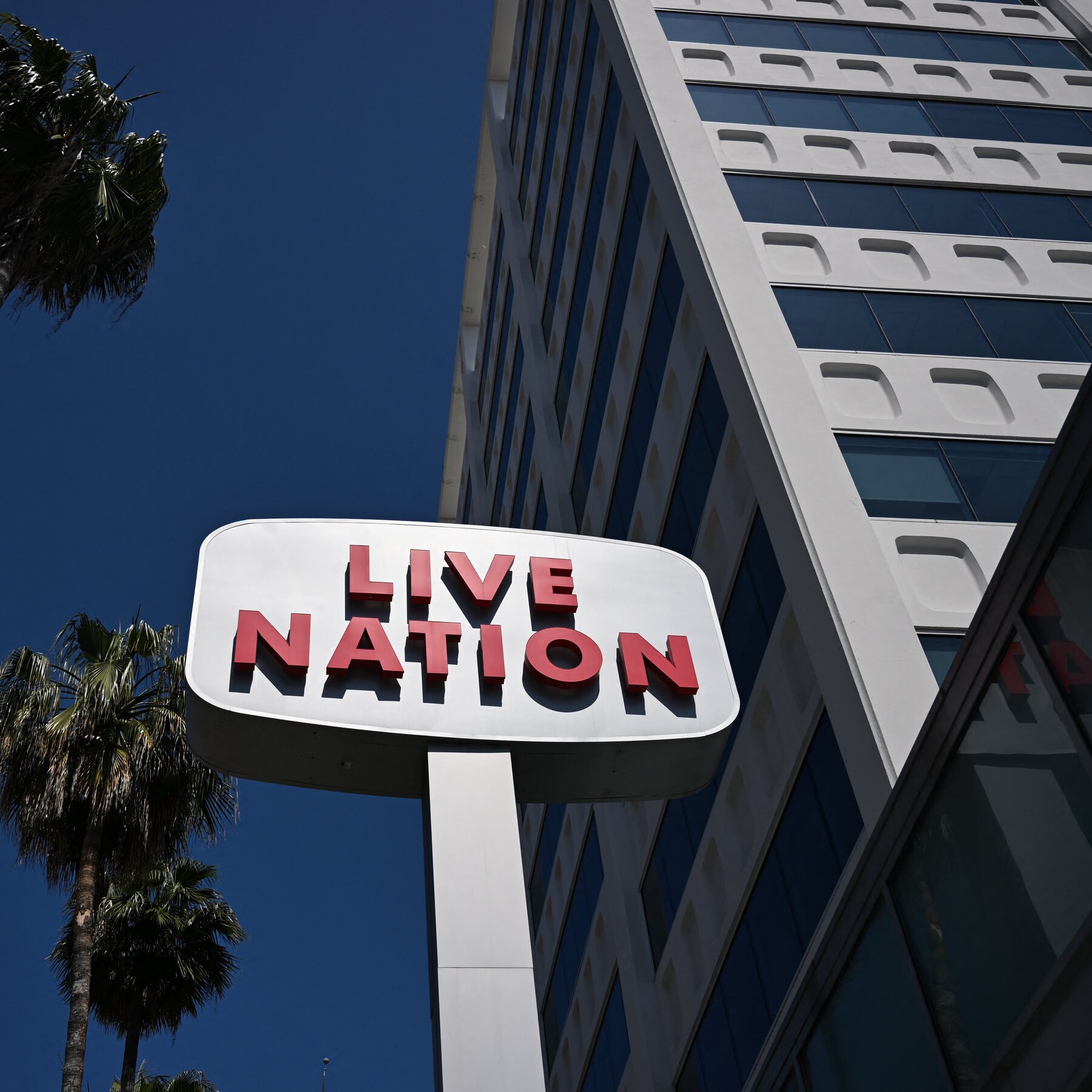
Live Nation antitrust settlement ends Ticketmaster exclusivity for 39 states
- Live Nation will allow venues to sell tickets through multiple vendors, ending Ticketmaster’s near‑monopoly.
- The Justice Department’s suit, backed by 39 states, is resolved with a tentative agreement.
- Judge Arun Subramanian called the undisclosed deal “absolute disrespect” to the court.
- Live Nation reported $25 billion in 2025 revenue, dwarfing rivals Spotify and Universal Music Group.
Why a settlement matters for fans and promoters alike
LIVE NATION—The Justice Department’s antitrust case against Live Nation, the parent of Ticketmaster, reached a tentative settlement after a week of harrowing testimony that exposed how the company allegedly forced venues into exclusive ticketing contracts.
Under the agreement, confirmed by two sources familiar with the terms, Live Nation must let concert halls and amphitheaters choose any ticketing partner, ending the practice of mandating Ticketmaster as the sole provider.
In addition, touring artists will be free to work with promoters other than Live Nation when performing in the conglomerate’s owned venues, a concession that could reshape the economics of live shows.
Live Nation antitrust settlement: Core terms and immediate impact
Key provisions that could reshape ticket sales
The settlement requires Live Nation to dismantle its “must‑use” Ticketmaster clause, allowing venues—whether independent theaters or large amphitheaters—to contract with any ticketing service. This change directly addresses the Justice Department’s claim that Ticketmaster controls roughly 80 percent of major U.S. concert venues, a figure cited in the complaint.
State attorneys general, representing 39 states and the District of Columbia, will receive undisclosed financial damages, a lever designed to compensate for alleged price inflation and reduced competition. While the exact sum remains secret, the involvement of dozens of states underscores the nationwide stakes.
Judge Arun Subramanian, who presides over the Manhattan federal case, expressed outrage that the agreement was signed without informing the court. “It shows absolute disrespect for the court, the jury and this entire process,” he warned, hinting that the judge could still reject the deal or order a mistrial if procedural breaches persist.
Live Nation’s CEO Michael Rapino, whose testimony included a recorded threat to a venue official, is expected to appear alongside Justice Department antitrust head Omeed A. Assefi to discuss the settlement’s final details. Their appearance will likely determine whether the judge grants final approval or pushes the case toward a breakup of the 2010 Live Nation‑Ticketmaster merger.
For fans, the immediate benefit could be lower ticket fees if competition drives down costs. For promoters, the ability to shop for ticketing solutions may spur innovation, from dynamic pricing tools to better fan data integration. The next chapter explores how these market shifts could ripple through the broader concert ecosystem.
How the deal reshapes ticketing competition
From near‑monopoly to a contested marketplace
Before the settlement, Ticketmaster enjoyed exclusive contracts with about 80 percent of the United States’ major concert venues, according to the Justice Department’s filing. The new rules will force Live Nation to open its venues to rivals such as SeatGeek, Eventbrite, and AXS, potentially redistributing that 80‑percent share.
Industry analysts, like former FTC antitrust attorney Maya Patel, note that breaking the exclusivity barrier could trigger a “price‑war cascade” as competing platforms vie for market share. Patel warned that “when a single gatekeeper is dismantled, we often see a rapid rollout of lower fees and innovative ticket‑delivery models.”
For example, Barclays Center’s former CEO John Abbamondi testified that Rapino threatened to divert concerts after the arena chose SeatGeek. If venues can now retain SeatGeek or any other provider, the bargaining power shifts from Live Nation to the venues themselves, potentially lowering the cost of tickets for fans.
The settlement also empowers artists to negotiate with promoters beyond Live Nation’s own concert‑promotion arm when performing at Live Nation‑owned amphitheaters. This could lead to more diverse tour routing and better revenue splits for musicians, a point highlighted by musician‑rights advocate Carlos Mendoza during the trial.
While the exact market impact will unfold over months, the bar chart below visualizes the current Ticketmaster dominance versus the projected post‑settlement landscape, assuming a modest 20‑percentage‑point erosion of its market share.
Live Nation’s market dominance: Numbers behind the power
Scale that eclipses rivals in the live‑music arena
Live Nation’s 2025 financials illustrate a behemoth that outpaces even the biggest streaming services. The company reported $25 billion in revenue, surpassing Spotify’s $12 billion and Universal Music Group’s $14 billion, according to its annual report.
Beyond revenue, Live Nation orchestrated 55,000 events last year, selling 646 million tickets worldwide. Its portfolio includes ownership or control of 460 venues and management contracts with over 300 artists, cementing its vertical integration from ticket sales to artist representation.
These figures underscore why the Justice Department framed the case as an “illegal monopoly that reaches into nearly every aspect of the multibillion‑dollar concert business.” The company’s ability to bundle venue ownership, promotion, and ticketing creates barriers for newcomers, a concern echoed by former DOJ antitrust prosecutor Linda Gomez, who testified that the conglomerate “suffocates competition.”
Nevertheless, Live Nation argues that competition is robust, pointing to rivals like SeatGeek and AXS that operate in niche markets. The company also claims that artists set ticket prices, not Ticketmaster, and that venues retain most fee revenue.
The stat card below captures Live Nation’s headline revenue figure, highlighting the scale that fuels both its market power and the government’s antitrust concerns.
Legal history: From consent decree to today’s settlement
Key milestones in the DOJ’s battle with Live Nation
The antitrust saga began in 2010 when the Justice Department approved Live Nation’s $63 billion acquisition of Ticketmaster, conditional on a consent decree that barred the combined entity from threatening venues that refused Ticketmaster contracts.
In 2019, the DOJ found Live Nation repeatedly violated that decree, prompting an amendment that tightened oversight. The latest lawsuit, filed in May 2024, accused the company of perpetuating monopoly power, inflating ticket prices, and pressuring artists to use its promotion services.
During the trial, witnesses from three venues—including former Barclays Center CEO John Abbamondi—described intimidation tactics that allegedly forced them into exclusive Ticketmaster arrangements. The courtroom drama peaked when a recording captured Rapino warning Abbamondi that “it would be a tough time to deliver tickets or concerts” if he switched vendors.
Political pressure also mounted. A 2023 Senate Judiciary hearing, sparked by a botched Ticketmaster sale of Taylor Swift’s Eras Tour tickets, featured bipartisan criticism of Live Nation’s market dominance.
The timeline below charts these pivotal events, illustrating how a 2010 merger‑approval decree evolved into a 2024 settlement that stops short of a breakup but forces structural change.
What the future holds for live music after the settlement?
Potential scenarios for fans, artists, and investors
With the settlement pending judicial sign‑off, industry observers are already speculating on downstream effects. If the judge validates the agreement, venues will likely renegotiate ticketing contracts, opening the door for lower service fees and more transparent pricing structures.
Artists could benefit from greater bargaining power, especially those who previously felt locked into Live Nation’s promotion arm for tours at the company’s own amphitheaters. Music‑industry analyst Raj Patel predicts a “30‑percent increase in venue‑choice flexibility for mid‑tier artists,” which could translate into more diverse tour itineraries.
Investors will watch Live Nation’s stock closely. The company’s market cap sits near $50 billion, and any perception of reduced monopoly power could affect earnings forecasts. Historically, antitrust settlements have led to short‑term volatility but long‑term stabilization, as seen in the 2015 settlement of a similar case involving a major airline.
Regulators may also view this outcome as a template for future enforcement. The Biden administration’s aggressive antitrust agenda, tempered by the current settlement, could inspire more collaborative resolutions rather than outright breakups.
Ultimately, the settlement could usher in a more competitive ticketing landscape, but the real test will be how quickly venues, promoters, and artists adapt to the new rules. The next phase will reveal whether the Live Nation antitrust settlement truly restores balance to the live‑music ecosystem.
Frequently Asked Questions
Q: What does the Live Nation antitrust settlement require?
The Live Nation antitrust settlement obliges the company to let venues use multiple ticketing vendors and permits touring artists to work with other promoters in Live Nation‑owned amphitheaters.
Q: How many states are involved in the Live Nation lawsuit?
A total of 39 states and the District of Columbia joined the Justice Department’s antitrust case against Live Nation, pressuring the company toward a settlement.
Q: Will the settlement break up Live Nation and Ticketmaster?
No. The Live Nation antitrust settlement falls short of the breakup the government sought; instead it imposes venue‑choice reforms while leaving the merger intact.
