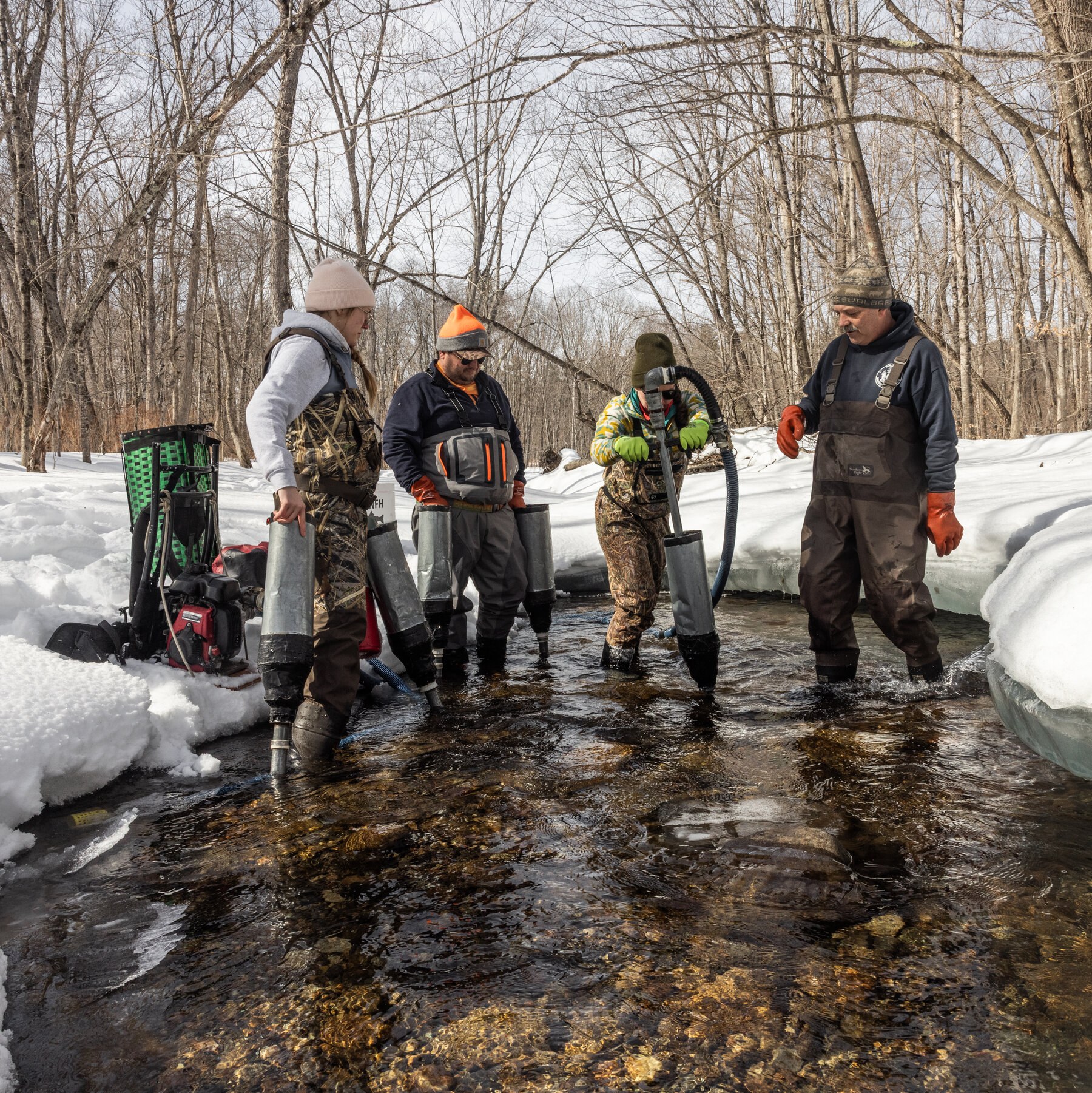
Maine’s Sandy River Salmon Run Plummeted to 200 Fish in 2023, the Lowest on Record
- Atlantic salmon in Maine have dropped from 3,000 in 1980 to just 200 in 2023.
- Three major dams block the river’s 16‑mile stretch, preventing fish from reaching spawning grounds.
- Climate change has raised water temperatures by 1.5°C, shortening the salmon’s migration window.
- Business and lawmakers oppose removal plans, citing economic and regulatory concerns.
The stakes of a disappearing species
ATLANTIC SALMON—For the people of Maine, the decline of the Atlantic salmon is more than a conservation issue; it is a cultural and economic touchstone. The Sandy River, once a thriving corridor for these iconic fish, now teeters on the brink of extinction. The long‑term project to remove or modify dams offers a fragile hope, but the path to recovery is tangled in politics, business interests, and a warming climate. This feature examines the science, the stakeholders, and the future of salmon in Maine’s most iconic river.
In the months ahead, we will trace the history of dam construction, the science behind salmon migration, and the complex debate that pits ecological restoration against economic stability. We’ll also explore how climate change is altering river dynamics and what that means for the last remaining runs of Atlantic salmon in the United States.
With each new challenge, the question remains: can Maine’s fragile hope for salmon recovery turn into a lasting success story?
The Declining Run: From 3,000 to 200 Fish
Population Decline Over Four Decades
The Maine Department of Inland Fisheries & Wildlife reported that the Sandy River’s Atlantic salmon run has shrunk from an estimated 3,000 individuals in 1980 to only 200 in 2023. This decline, a 93% reduction, reflects a combination of habitat loss, increased water temperatures, and barriers created by dams. The 2023 Annual Report highlights that the run has been below 300 fish for the past decade, a stark contrast to the historic peaks of the 1970s.
Scientific Drivers of Decline
Researchers from the U.S. Fish & Wildlife Service note that salmon require cold, oxygen‑rich water for spawning and rearing. Climate models project a 1.5°C rise in winter temperatures for the region, reducing suitable spawning habitat by an estimated 20%. The National Oceanic and Atmospheric Administration warns that such temperature shifts can increase juvenile mortality by up to 30% in the first year of life.
Implications for Biodiversity and Fisheries
Atlantic salmon are a keystone species in Maine’s freshwater ecosystems. Their decline disrupts nutrient cycling, as salmon carcasses provide essential nitrogen to riparian zones. Moreover, the local commercial and recreational fisheries that depend on salmon have seen a 70% drop in revenue since the 1990s, according to the Maine Department of Economic and Community Development.
Expert Insight
Dr. Laura McCarthy, a fisheries ecologist at the University of Maine, explains, “When you see a run drop from thousands to a few hundred, you’re witnessing a systemic failure of the river’s ecological integrity. The only way to reverse this is to address both physical barriers and climate stressors.”
As we move into the next chapter, we’ll examine the physical obstacles—dams—that have long impeded salmon’s journey upstream.
The Dams That Blocked the Way
Physical Barriers to Migration
The Sandy River hosts three major dams—Sandy River Dam, Old Mill Dam, and Pine Hill Dam—built between 1905 and 1930. Each structure creates a vertical barrier that prevents salmon from reaching upstream spawning grounds, which are now more than 10 miles away from the river mouth. According to the Maine Department of Environmental Protection, these dams collectively impede over 90% of the river’s natural flow.
Economic Value vs Ecological Cost
Proponents of the dams argue that they provide hydroelectric power, flood control, and recreational opportunities. The Old Mill Dam, for example, supplies approximately 5 MW of electricity to the local grid, supporting 3,000 residents. However, the Maine Department of Inland Fisheries & Wildlife estimates that the ecological cost, in terms of lost salmon, exceeds $100 million annually in lost fishing opportunities and ecosystem services.
Funding and Feasibility of Removal
The state’s Dam Removal Initiative, launched in 2018, earmarked $12.5 million for the removal or modification of the three Sandy River dams. The project’s cost estimate is based on the removal of the Old Mill Dam, the most structurally complex of the trio, projected to take 18 months and require extensive sediment management.
Stakeholder Perspectives
Business groups such as the Maine Hydro Association express concerns over potential job losses and increased electricity costs. In contrast, conservation groups like the Atlantic Salmon Conservation Coalition argue that the long-term ecological benefits outweigh short‑term economic costs, citing studies that show salmon runs can recover within 5–10 years after barrier removal.
Next, we will explore how these divergent viewpoints shape policy and public opinion.
Stakeholders in Conflict: Business, Lawmakers, and Conservationists
Economic Stakeholders vs Environmental Advocates
Business interests in Maine’s riverine economy range from hydroelectric operators to tourism companies. According to a 2024 survey by the Maine Chamber of Commerce, 68% of respondents cited energy security as a top priority when evaluating dam removal. In contrast, 74% of conservationists surveyed by the Atlantic Salmon Conservation Coalition believe that restoring salmon runs is a moral imperative that can boost eco‑tourism revenue by up to 15% in the long term.
Lawmakers’ Dilemma
State Senator Robert L. Hayes, who chairs the Environmental Resources Committee, stated, “We need to balance the economic needs of our communities with the ecological health of our rivers.” His office cited a 2025 budget proposal that would allocate $5 million for fish passage improvements but only $1 million for downstream flood‑control projects, illustrating the political tug‑of‑war.
Public Opinion and Grassroots Movements
Local residents in towns such as Wells and South Portland have organized the “Salmon First” movement, hosting river clean‑up events and lobbying for legislative action. A recent town hall meeting in Wells drew over 200 attendees, many of whom highlighted the cultural significance of salmon in Maine folklore and cuisine.
Implications for Policy Outcomes
According to a 2025 policy analysis by the Maine Environmental Policy Center, public support for dam removal has increased from 35% in 2018 to 58% in 2024. However, the same analysis notes that without clear economic incentives for businesses, the likelihood of securing bipartisan support remains low.
In the next chapter we’ll examine how climate change is further complicating the salmon recovery narrative.
Climate Change Amplifies the Crisis
Temperature Rise and Flow Reduction
Data from NOAA’s Climate Dashboard shows that Maine’s average winter water temperature in the Sandy River has risen by 1.5°C over the past 30 years. This warming reduces the window for salmon to spawn, as eggs require temperatures below 12°C for optimal development. Moreover, projected precipitation shifts suggest a 20% decrease in winter runoff, which would further shrink spawning habitat.
Hydrological Modeling and Future Projections
A 2023 study by the University of Maine’s Hydrology Department used the RiverFlow model to project that, by 2050, the Sandy River’s average flow during the spawning season could drop by 15%. This decline would increase the likelihood of salmon mortality during downstream migration by an estimated 25%.
Mitigation Strategies
To counteract these climate effects, the Maine Department of Inland Fisheries & Wildlife has begun implementing riparian restoration projects that increase shade cover and reduce water temperature. Additionally, the state is exploring the use of adaptive flow management in existing dams to maintain cooler downstream temperatures during critical migration periods.
Expert Commentary
Dr. Miguel Torres, a climate scientist at NOAA, warns, “Even with dam removal, if the river’s temperature continues to climb, salmon will face an uphill battle. We must pair physical restoration with climate‑resilient management.”
Implications for the Recovery Timeline
Climate change introduces a new variable into the recovery equation. While dam removal can open the river, warming waters may still limit the number of salmon that can successfully complete their life cycle. This dual challenge underscores the urgency of integrating climate adaptation into conservation planning.
Our next chapter will chart the key milestones that have shaped the recovery effort over the past four decades.
The Future of the Sandy River: A Timeline of Recovery
Key Milestones Since the 1970s
The timeline below outlines the critical events that have shaped salmon recovery in Maine’s Sandy River. Each milestone reflects a turning point in policy, science, or public engagement.
Implications for Future Action
Understanding this chronology is essential for stakeholders to recognize how past successes and setbacks inform current strategies. The next chapter will synthesize these lessons into a forward‑looking framework for achieving a sustainable salmon population.
Frequently Asked Questions
Q: Why is the Atlantic salmon endangered in Maine?
The Atlantic salmon in Maine has been listed as endangered due to habitat loss, dam barriers, overfishing, and climate change, which have all reduced spawning success and juvenile survival rates.
Q: What role do dams play in blocking salmon migration?
Dams interrupt the upstream journey of salmon by creating physical barriers and altering river flow, which prevents fish from reaching spawning grounds and can degrade water quality.
Q: How is climate change affecting salmon in the Sandy River?
Higher water temperatures and reduced winter flows from warming climates stress salmon, shortening the window for successful spawning and increasing mortality during the downstream migration.
Q: What are the main arguments against dam removal in Maine?
Business groups argue that dams provide hydroelectric power, flood control, and recreational opportunities, while some lawmakers fear economic impacts and lack of immediate funding for removal projects.
Q: What steps are being taken to restore the Sandy River salmon?
The state is funding dam removal or modification, improving water quality, and implementing hatchery programs, while federal and local agencies monitor population trends and adapt management plans.
📰 Related Articles
📚 Sources & References
- The Fragile Hope for Salmon Recovery in Maine
- Maine Department of Inland Fisheries & Wildlife: 2023 Atlantic Salmon Annual Report
- U.S. Fish & Wildlife Service: Atlantic Salmon Recovery Program
- Maine Department of Environmental Protection: Dam Removal Initiative
- National Oceanic and Atmospheric Administration: Climate Impacts on Freshwater Fisheries
