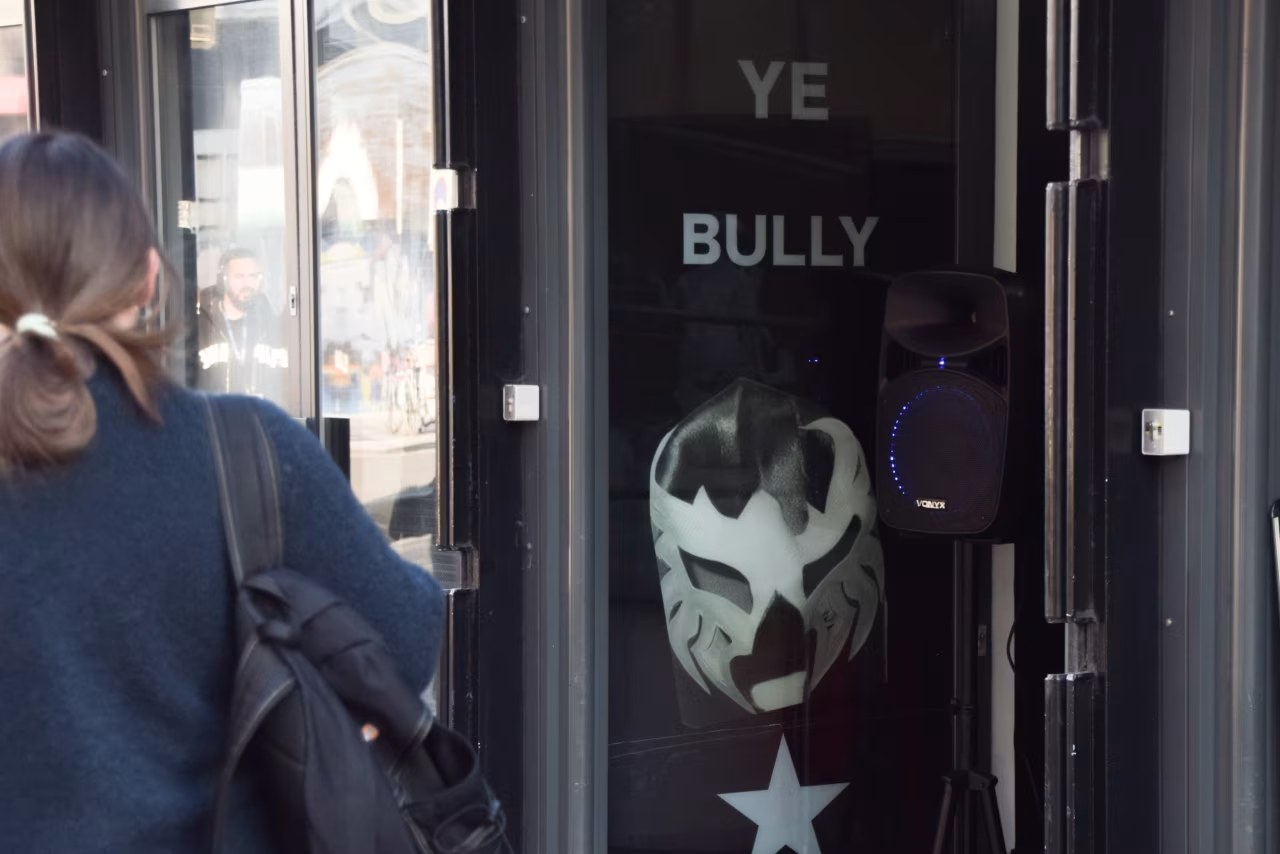
Anheuser-Busch Becomes the Latest Major Brand to Exit Wireless Festival Sponsorship
- Anheuser-Busch InBev has officially withdrawn its sponsorship of the Wireless Festival, a prominent London music event.
- This decision marks Anheuser-Busch as the latest high-profile company to pull out of the festival.
- The withdrawals follow the recent announcement that Kanye West, now known as Ye, would headline the summer event.
- The Wireless Festival is scheduled to take place in London’s Finsbury Park this summer.
The Ripple Effect: Brand Retreats Signal Shifting Tides for Major Music Events
KANYE WEST—The landscape of major music festival financing is being reshaped by a growing emphasis on brand alignment and reputational risk, a dynamic powerfully illustrated by recent events surrounding London’s Wireless Festival. This summer’s anticipated music extravaganza, set in Finsbury Park, has seen a significant commercial setback with Anheuser-Busch InBev, a global brewing giant, formally announcing its decision to cease its sponsorship. This move by Anheuser-Busch InBev, a company known for its vast portfolio of alcoholic beverages and extensive engagement in entertainment marketing, underscores a pivotal moment for event organizers.
The withdrawal, confirmed as the latest in a series of similar actions by other major companies, arrives swiftly after the festival revealed Kanye West, who now goes by the moniker Ye, as its marquee performer. Ye’s appointment, announced just last week, appears to have triggered a cascading effect among key commercial partners. The collective departure of these high-profile sponsors represents not merely a financial blow but a significant challenge to the Wireless Festival sponsorship model, prompting questions about the future viability and strategic direction of large-scale music events in an increasingly scrutinized commercial environment.
This evolving situation highlights the delicate balance between securing marquee talent and maintaining crucial corporate backing. For event organizers, the task of assembling a compelling lineup must now contend with the complex and often unpredictable realm of brand perception and public image. The decision by a company of Anheuser-Busch InBev’s stature to withdraw from Wireless Festival sponsorship, alongside unconfirmed others, casts a long shadow over the preparatory stages of one of London’s premier cultural events, setting the stage for an in-depth examination of the forces at play.
The Brewing Retreat: Anheuser-Busch InBev’s Departure from Wireless Festival Sponsorship
The announcement from Anheuser-Busch InBev, a dominant force in the global beverage industry, confirms its exit as a sponsor of the Wireless Festival. This decision, while specific to one major London music event, resonates far beyond Finsbury Park, signaling broader shifts in how major brands navigate their associations with cultural events and public figures. For a company like Anheuser-Busch, whose brands are woven into the fabric of social gatherings and entertainment worldwide, a sponsorship withdrawal is rarely a trivial matter. It implies a strategic reassessment, often driven by a careful weighing of the potential benefits against perceived risks, especially in an era where corporate social responsibility and brand image are under constant public scrutiny.
Evaluating the Commercial Impact: More Than Just Lost Revenue
While the precise financial value of Anheuser-Busch’s Wireless Festival sponsorship was not disclosed in the immediate aftermath, the loss of a partner of this magnitude is undeniably substantial. Industry observers and marketing experts frequently emphasize that major sponsorships contribute not only direct funding for production and talent acquisition but also extensive marketing reach, promotional campaigns, and crucial logistical support. The departure of such a prominent name can ripple through various facets of festival operations, from advertising and ticket sales to vendor agreements and overall public perception. A recent, minor stock increase of 0.42% for Anheuser-Busch InBev on the day of the announcement suggests that investors did not view the withdrawal as a detrimental move to the company’s overall financial health, potentially indicating market approval of brand protection strategies.
The decision by Anheuser-Busch also carries a significant reputational component. Their identity as a ‘high-profile sponsor’ indicates a substantial investment in aligning their brand with the festival’s image and target audience. Pulling out, particularly when framed as ‘following other major companies,’ suggests a collective industry response to emerging circumstances. This collective action can send a powerful signal to other potential sponsors and, critically, to festival-goers themselves. For the Wireless Festival, scheduled for this summer in London, the challenge now extends beyond replacing lost revenue to managing a narrative that maintains its appeal and cultural credibility amidst a changing commercial landscape.
Understanding the full implications requires looking at the role of major brands in underwriting large-scale cultural events. Sponsorships from entities like Anheuser-Busch often enable festivals to book top-tier talent, enhance attendee experiences, and manage complex logistical operations. The absence of such backing can necessitate difficult choices for organizers, potentially impacting everything from production quality to ticket pricing. This move raises questions about the evolving criteria for Wireless Festival sponsorship, setting the stage for a deeper look into the factors influencing these crucial brand decisions.
The Headline Act: Unpacking Kanye West’s Role and Its Brand Implications for Wireless Festival
Central to the recent commercial turbulence surrounding the Wireless Festival is the announcement of Kanye West, known professionally as Ye, as its marquee performer. The source text explicitly states that Ye was named as the headliner ‘last week,’ a timeline that directly precedes the public revelation of sponsor withdrawals, including that of Anheuser-Busch InBev. While the source does not explicitly detail the reasons behind the sponsors’ decisions, the sequential timing strongly implies a causal link between Ye’s controversial public persona and the corporate retreat from Wireless Festival sponsorship.
Celebrity Endorsements and Reputational Risk in Music Events
The music industry has long relied on celebrity headliners to draw crowds and drive ticket sales for events like the Wireless Festival in London. However, the modern media landscape means that an artist’s public actions and statements outside of their musical career can have significant ramifications for brand partners. In recent years, public figures like Ye have generated extensive media attention for a range of behaviors and comments, which, regardless of their artistic merit, can create a challenging environment for corporate sponsors. These companies, particularly ‘high-profile’ ones like Anheuser-Busch, often conduct rigorous due diligence on their partners to ensure alignment with their own brand values and public image. A misstep in this regard can lead to severe backlash from consumers and shareholders.
The decision by ‘other major companies’ to pull out, a group that Anheuser-Busch InBev has now joined as the ‘latest,’ highlights a collective assessment of risk. When multiple significant commercial entities simultaneously decide to sever ties with an event, it typically indicates a shared concern about the perceived liability or negative association. For the Wireless Festival, scheduled for Finsbury Park this summer, securing a globally recognized artist like Ye was undoubtedly intended to be a major draw. However, the subsequent sponsor exodus suggests that the perceived benefits of his star power might be outweighed by the commercial and reputational costs for the festival’s partners.
This situation serves as a stark reminder of the evolving dynamics in brand partnerships within the entertainment sector. It underscores the increasing sensitivity of corporations to the public image of the artists they support, particularly when those artists are known for provocative or contentious public statements. The ongoing saga of Wireless Festival sponsorship withdrawals will likely be studied by event organizers and marketing professionals as a cautionary tale, illustrating the complex interplay between artistic freedom, commercial interests, and public perception. The implications of these decisions will undoubtedly influence how the festival proceeds and how other events approach talent acquisition in the future.
What Does Losing Key Sponsors Mean for Wireless Festival’s Future?
The successive withdrawal of major sponsors, highlighted by Anheuser-Busch InBev’s recent decision, raises critical questions about the immediate and long-term future of the Wireless Festival. Beyond the direct financial hit, the loss of these key partners can trigger a cascade of operational and strategic challenges for an event of this scale, which is scheduled to take place in London’s Finsbury Park this summer. Event organizers rely heavily on corporate sponsorships to cover a myriad of expenses, from artist fees and venue rentals to marketing campaigns and on-site infrastructure. The sudden absence of such crucial backing can necessitate swift and potentially difficult adjustments.
Operational Challenges and Financial Recalibrations
One immediate implication is the potential for a significant budget shortfall. With ‘other major companies’ having already pulled out, and Anheuser-Busch InBev now joining their ranks, the festival faces a substantial gap in its projected funding. This can impact the quality of the production, the scope of amenities offered to attendees, and even the ability to deliver on previously promised elements of the event. Furthermore, the withdrawal of a sponsor like Anheuser-Busch, which often brings its own activations and marketing presence, leaves a void that is difficult to fill at short notice. The festival, which had announced Ye as its marquee performer just last week, now finds itself in a precarious position.
From a logistical standpoint, new plans may need to be swiftly devised. This could involve securing alternative, albeit possibly smaller, sponsors, or re-evaluating the festival’s expenditure across various departments. The market for last-minute, high-value Wireless Festival sponsorship is highly competitive, and the negative publicity surrounding the withdrawals could make it challenging to attract new partners. Moreover, the perception of instability could affect ticket sales, particularly for an event still months away, scheduled for ‘this summer.’ Attendees might hesitate to commit if there’s uncertainty about the festival’s full realization or the quality of its offerings.
Ultimately, the loss of major sponsors forces the Wireless Festival to recalibrate its expectations and possibly its scale. While the event is still planned to proceed, the extent of the impact will depend on the organizers’ ability to mitigate these commercial challenges. This situation underscores the fragile ecosystem of large-scale music events, where the confluence of artistic vision, public opinion, and corporate interests must be meticulously managed. The unfolding developments will offer crucial insights into the resilience of such festivals in navigating unforeseen commercial headwinds and maintaining their Wireless Festival sponsorship appeal.
The Shifting Sands of Festival Sponsorships: A Broader Industry View
The challenges facing the Wireless Festival, particularly with the withdrawal of its Wireless Festival sponsorship from Anheuser-Busch InBev and ‘other major companies,’ are indicative of broader trends in the music festival and brand partnership landscape. In an increasingly interconnected and socially aware world, corporate sponsors are exercising greater caution in their affiliations. The days when a brand would simply attach itself to a popular event or celebrity without deep consideration of potential controversies are largely over. This shift is driven by a confluence of factors, including rapid information dissemination through social media, heightened consumer expectations for corporate ethics, and the increasing politicization of cultural figures.
The Evolution of Brand Alignment and Due Diligence
Industry analysts and marketing strategists consistently emphasize the critical importance of brand alignment. For a major beverage company like Anheuser-Busch InBev, its partnerships must reflect its core values and appeal to its diverse consumer base. When a headlining artist like Kanye West (Ye), announced for the Wireless Festival last week, generates significant public discourse or controversy, it can create a misalignment that threatens the sponsor’s image. The decision to pull Wireless Festival sponsorship becomes a defensive measure, aimed at safeguarding brand equity and preventing potential consumer boycotts or negative public sentiment.
Furthermore, the due diligence process for brand partnerships has become far more extensive. Companies now delve deeply into the public history, past statements, and ongoing activities of celebrities and events before committing to major sponsorships. The phrase ‘high-profile sponsor’ itself implies a substantial investment and a corresponding exposure to risk. When ‘other major companies’ collectively decide to withdraw their support, it suggests that a common threshold of acceptable risk has been crossed, signaling a unified stance on what constitutes an appropriate brand association within the entertainment industry.
This evolving dynamic means that music festivals, including the Wireless Festival in London’s Finsbury Park, must now consider not only the artistic appeal of their lineup but also the broader implications for their commercial partners. The long-term health of the festival industry depends on its ability to adapt to these new realities, fostering environments where both artists and sponsors can thrive without undue reputational exposure. The developments surrounding the Wireless Festival sponsorship serve as a clear example of this ongoing re-evaluation, pushing event organizers to reconsider their strategies for commercial engagement in a rapidly changing cultural climate.
Navigating the Storm: Wireless Festival’s Path Forward Amidst Commercial Challenges
As the Wireless Festival prepares for its scheduled run in London’s Finsbury Park this summer, the recent spate of Wireless Festival sponsorship withdrawals, prominently featuring Anheuser-Busch InBev, leaves organizers with a formidable task. The path forward will necessitate a strategic re-evaluation and potentially innovative solutions to ensure the festival’s success and long-term viability. The loss of ‘high-profile’ financial backers not only impacts the immediate budget but also influences investor confidence and future partnership prospects, especially after Kanye West, or Ye, was named the marquee performer just last week.
Strategic Responses to Mitigate Sponsorship Gaps
One immediate strategy for the Wireless Festival could involve intensifying efforts to secure new, albeit potentially smaller, sponsors. This might entail targeting different sectors or local businesses that are less sensitive to the broader commercial concerns that prompted the initial withdrawals. Alternatively, organizers might explore enhanced revenue streams directly from attendees, perhaps through premium experiences or increased merchandise offerings. However, such moves must be balanced against the risk of alienating the festival’s core audience, who expect value for their investment in what is marketed as a premier music event.
Another critical consideration is the communication strategy. The festival will need to proactively address the changes in its commercial backing, reassuring both ticket holders and potential new partners that the event’s quality and experience will not be compromised. Transparency and a clear articulation of the festival’s vision can help rebuild confidence in its Wireless Festival sponsorship appeal. The collective departure of Anheuser-Busch InBev and ‘other major companies’ places the onus on the festival to demonstrate resilience and adaptability in the face of significant commercial headwinds. This could also involve a reassessment of future talent acquisition strategies, balancing the draw of controversial artists with the imperatives of corporate partnerships.
Ultimately, the situation facing the Wireless Festival serves as a microcosm of the challenges inherent in staging large-scale cultural events in the 21st century. It underscores the ongoing tension between artistic expression, celebrity influence, and the commercial realities of brand partnerships. The festival’s ability to navigate these complexities, secure new funding, and maintain its allure for attendees will be a closely watched development within the global entertainment industry. The decisions made in the coming weeks and months will not only determine the immediate fate of this summer’s event but will also set precedents for how other festivals manage similar challenges in the ever-evolving landscape of music and commerce, particularly concerning Wireless Festival sponsorship.
Frequently Asked Questions
Q: Why did Anheuser-Busch withdraw its Wireless Festival sponsorship?
Anheuser-Busch InBev announced its decision to end its Wireless Festival sponsorship after Kanye West, known as Ye, was named the marquee performer. This move by a high-profile company like Anheuser-Busch follows similar withdrawals by other major companies from the planned London event, suggesting a broader concern with the festival’s association, impacting its Wireless Festival sponsorship landscape.
Q: What is the Wireless Festival and where is it located?
The Wireless Festival is a major London music festival scheduled to take place this summer. It is set to be held in Finsbury Park. The event, which recently announced Kanye West (Ye) as its headliner, has faced challenges with its Wireless Festival sponsorship as several prominent companies have pulled their support ahead of the planned festivities.
Q: Who is Ye and what is his role in the Wireless Festival?
Ye is the artist formerly known as Kanye West, and he was named as the marquee performer for the Wireless Festival last week. His announcement as the headliner has coincided with several major companies, including Anheuser-Busch InBev, withdrawing their Wireless Festival sponsorship, creating a challenging environment for the upcoming music event in London.
