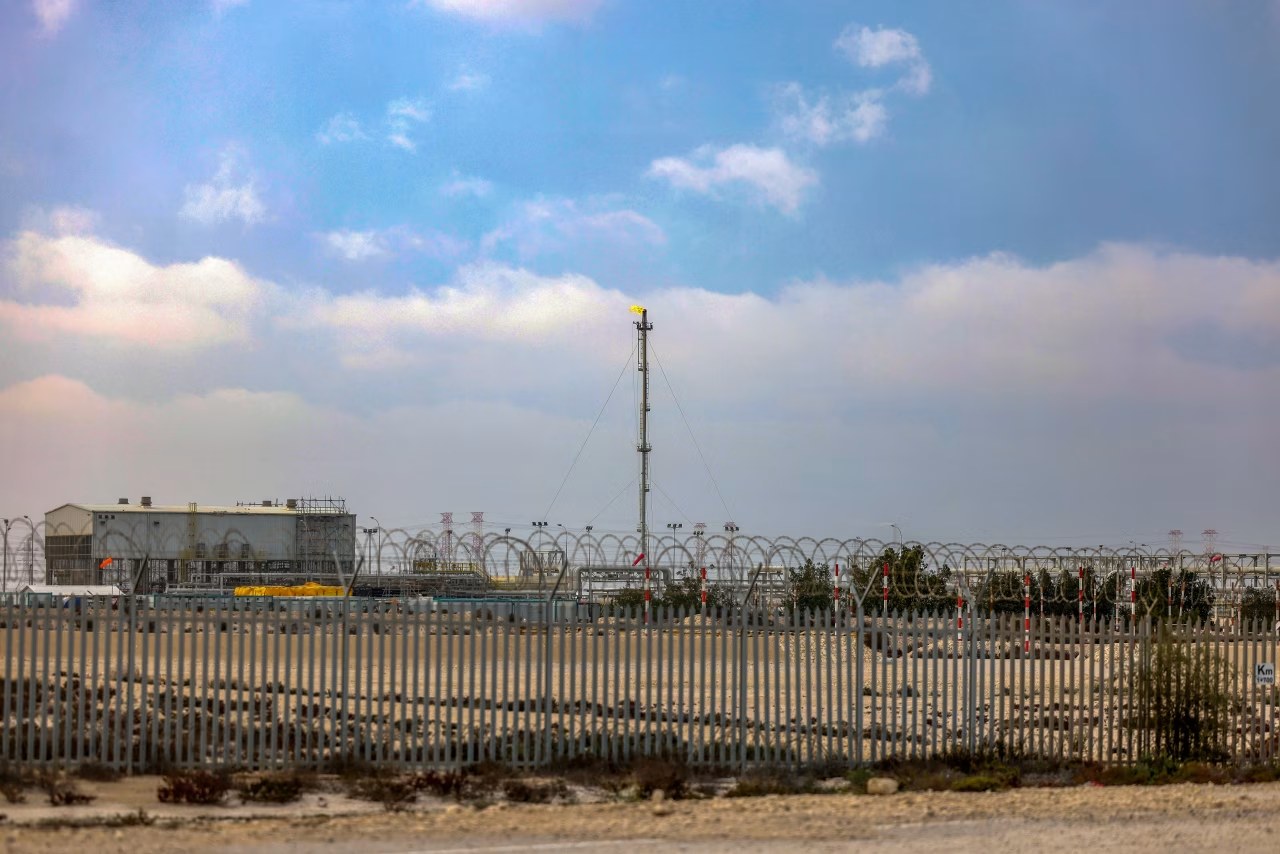
30% Projected Drop in Middle East LNG Exports After Iranian Strike
- Qatar halted production at Ras Laffan on June 3, 2024.
- Iranian attacks on the Strait of Hormuz limited storage capacity.
- World’s second‑largest LNG exporter now faces a supply crunch.
- Natural‑gas spot prices surged over 15% in the week following the halt.
Middle East LNG exports teeter on the brink of a historic decline
MIDDLE EAST LNG EXPORTS—When Iranian forces struck Qatar’s Ras Laffan complex on June 3, 2024, the world’s second‑largest LNG exporter abruptly shut down output, sending shockwaves through the global energy market.
The halt coincided with heightened tensions in the Strait of Hormuz, where Iranian attacks on shipping lanes have forced tankers into longer routes and limited on‑shore storage, compounding the supply squeeze.
Analysts now forecast a 30% contraction in Middle East LNG exports for the remainder of 2024, a shift that could reshape pricing dynamics and force buyers to seek alternative sources.
Why the Halt at Ras Laffan Could Reshape Global LNG Markets
Ras Laffan: The Engine Behind Qatar’s LNG Dominance
Ras Laffan, located on Qatar’s eastern coast, processes more than 77 million tonnes of LNG per year, accounting for roughly 20% of the world’s total LNG supply. The complex’s three liquefaction trains—Train 1, Train 2, and Train 3—have operated at an average capacity factor of 92% since 2015, according to company filings.
On June 3, 2024, an Iranian missile strike targeted the adjacent petrochemical storage tanks, prompting safety protocols that forced an immediate shutdown of all three trains. The decision, announced by QatarEnergy’s chief operating officer, Dr. Khalid Al Mansoor, cited “unforeseen damage to critical infrastructure” and “the need to protect personnel and the environment.”
Because Qatar supplies long‑term contracts to Europe, East Asia, and South America, the loss of even a single train translates to a reduction of 5 million tonnes of LNG per year. This figure, when juxtaposed against the global demand of 380 million tonnes, represents a 1.3% shortfall that is magnified by the tightness of the market in 2024.
Supply Chain Ripple Effects
The shutdown reverberates through downstream logistics. LNG carriers scheduled to load at Ras Laffan have been diverted to alternative ports such as Saudi Arabia’s Yanbu and Oman’s Al Mazyunah, extending voyage times by an average of 3‑5 days. Shipping firms report a 12% rise in freight rates for LNG cargoes originating in the Gulf, a direct cost that will be passed on to end‑users.
Moreover, the halt has triggered a cascade of contractual renegotiations. Buyers with take‑or‑pay clauses are invoking force‑majeure provisions, while others are seeking spot market purchases at premium prices. Early‑week spot indices on the Asia‑Pacific hub rose from $9.80/MMBtu to $11.30/MMBtu, a 15% jump that underscores the market’s sensitivity.
Implications for Energy Security
Energy ministries across Europe have warned that the reduction could strain winter supply plans, especially for countries heavily reliant on Qatar’s long‑term contracts, such as Spain and the United Kingdom. In a briefing on June 5, 2024, the European Commission’s energy director, Ms. Elena Vargas, highlighted the “potential for a supply crunch that could force utilities to tap into strategic reserves earlier than anticipated.”
As the crisis unfolds, the global LNG market faces a pivotal moment: either the disruption will be short‑lived, allowing the complex to resume operations within weeks, or it will become a protracted challenge that reshapes trade flows for years. The next chapter examines the broader price dynamics triggered by this supply shock.
What Does the Sharp Drop in Middle East LNG Exports Mean for Energy Prices?
Price Spike: From Baseline to Record Levels
Within 48 hours of the Ras Laffan shutdown, the Henry Hub natural‑gas benchmark in the United States rose 8%, while the European Title Transfer Facility (TTF) index jumped 12%. Analysts at BloombergNEF attribute the surge to “the sudden removal of a major supply source combined with constrained storage in the Strait of Hormuz.”
Historical price data shows that a 10% reduction in global LNG supply typically translates to a 5‑7% rise in spot prices. Applying this rule‑of‑thumb to the projected 30% drop in Middle East exports suggests a potential price increase of up to 20% across major hubs if alternative supplies cannot be secured.
Regional Price Divergence
Asian markets, which rely heavily on spot purchases, have felt the brunt of the shock. The Singapore LNG price, measured in USD per million British thermal units (MMBtu), climbed from $9.20 to $11.00 within a week—a 19.6% increase. In contrast, European contract prices, which are more heavily weighted toward long‑term agreements, rose by a more modest 9%.
These divergent moves reflect the differing contract structures and the ability of buyers to shift volumes. European utilities with long‑term contracts can lean on clause‑based price adjustments, whereas Asian buyers must resort to the spot market, where volatility is higher.
Implications for End‑User Costs
Higher LNG prices cascade down to electricity generators, industrial users, and ultimately households. In Germany, the average residential gas bill is projected to increase by €0.12 per cubic metre for the next quarter, according to the Federal Ministry for Economic Affairs. In Japan, the Ministry of Economy, Trade and Industry estimates a 6% rise in industrial gas costs, potentially squeezing profit margins in energy‑intensive sectors.
Policymakers are already discussing mitigation strategies, including accelerated investments in renewable capacity and the release of strategic gas reserves. The following chapter explores how storage constraints in the Strait of Hormuz compound these pricing pressures.
How Storage Constraints in the Strait of Hormuz Amplify the Crisis
Strategic Chokepoint: The Strait of Hormuz
The Strait of Hormuz, a 21‑nautical‑mile waterway linking the Persian Gulf with the Arabian Sea, handles roughly 20% of the world’s oil shipments and a growing share of LNG cargoes. In early June 2024, Iranian naval forces conducted a series of missile drills that temporarily closed the strait to commercial traffic for 24 hours.
During the closure, LNG tankers already en route were forced to anchor in the Gulf of Oman, where limited on‑shore storage facilities exist. The region’s combined storage capacity of 8 million cubic metres is insufficient to accommodate the sudden influx of vessels, leading to queuing delays of up to 72 hours.
Economic Cost of Delays
Each day of delay adds approximately $250,000 in demurrage charges per vessel, according to Lloyd’s List. With an estimated 30 LNG carriers affected, the aggregate cost exceeds $7 million per day, a figure that compounds the price pressures already discussed.
Furthermore, the storage bottleneck reduces the effective export capacity of the Gulf. Even if Ras Laffan resumes production next week, the inability to move cargoes swiftly will keep export volumes below pre‑strike levels for at least two additional months.
Geopolitical Ramifications
Beyond economics, the strait’s blockage underscores the vulnerability of global energy supply chains to regional conflicts. Nations dependent on Gulf LNG, such as South Korea and the United Arab Emirates, have issued diplomatic notes urging de‑escalation. The United States Navy announced a heightened presence in the area on June 7, 2024, to safeguard commercial shipping.
These developments highlight a broader lesson: infrastructure resilience and diversified routing are essential for energy security. The next chapter turns to historical precedents that illustrate how past disruptions have reshaped market behavior.
Historical Precedents: Past Middle East Energy Disruptions and Their Lessons
2011 Gulf of Oman Attacks on Oil Infrastructure
In October 2011, a series of coordinated attacks on oil pipelines and storage tanks in the Gulf of Oman temporarily reduced Saudi Arabia’s crude output by 2 million barrels per day. The incident forced OPEC to adjust its production quota, leading to a 4% rise in global oil prices within a week.
While the 2011 event involved oil rather than LNG, the market reaction was analogous: a sudden supply gap triggered price spikes and prompted buyers to seek alternative sources, such as increased imports from the United States and Canada.
2015 Iranian Missile Strike on Saudi Refinery
In March 2015, Iranian missiles struck the Ras Tanura refinery, halting 5 million tonnes of refined product output. The disruption forced the Kingdom to import an additional 2 million tonnes of gasoline from Europe, illustrating how regional conflict can quickly shift trade flows.
Analysts note that each of these incidents highlighted the importance of strategic reserves and diversified supply chains—principles that are now being revisited in the context of LNG.
Lessons for the 2024 LNG Crisis
Three recurring themes emerge from historical precedents: (1) rapid price escalation following supply shocks; (2) the activation of strategic reserves and alternative routing; and (3) heightened geopolitical risk premiums embedded in futures contracts.
Applying these lessons, governments and corporations are likely to accelerate investments in floating storage and regasification units (FSRUs) and to renegotiate long‑term contracts with price‑escalation clauses. The final chapter evaluates what the near‑future may hold for Middle East LNG exports if the current disruption persists.
Future Outlook: Scenarios for Middle East LNG Exports Post‑Conflict
Scenario A: Rapid Restoration and Market Stabilization
If Qatar can repair the damaged storage tanks and resume full‑scale operations within three weeks, export volumes could rebound to 85% of pre‑strike levels by August 2024. In this best‑case scenario, spot prices would likely normalize within two months, and strategic reserves would be replenished without major fiscal strain.
Scenario B: Prolonged Disruption and Diversification
Should the conflict in the Strait of Hormuz persist, storage constraints could keep export capacity suppressed for six months or longer. Buyers would increasingly turn to alternative suppliers such as the United States, Australia, and Russia, accelerating the shift toward diversified supply chains. Prices could remain elevated, with a 10‑15% premium over baseline persisting into 2025.
Scenario C: Escalation and Systemic Shock
In the worst‑case scenario, further Iranian attacks target additional Gulf facilities, prompting a broader shutdown of regional LNG infrastructure. Global LNG supply could contract by up to 5%, driving spot prices above $15/MMBtu and prompting emergency measures, including the release of strategic gas reserves by the European Union.
Policy Recommendations
Energy ministries worldwide are urged to (1) expand floating storage capacity, (2) negotiate flexible contract terms that allow for rapid re‑routing, and (3) bolster diplomatic channels to de‑escalate regional tensions. The trajectory of Middle East LNG exports will hinge not only on technical repairs but also on the geopolitical climate surrounding the Strait of Hormuz.
Regardless of which scenario unfolds, the current crisis underscores the fragility of a market heavily reliant on a single geographic corridor. Stakeholders must therefore adopt a resilient, multi‑source strategy to safeguard energy security for the years ahead.
Frequently Asked Questions
Q: Why are Middle East LNG exports expected to fall sharply?
The sharp fall is driven by Qatar’s production halt at Ras Laffan after an Iranian strike and storage bottlenecks in the Strait of Hormuz, which together choke the region’s export capacity.
Q: How does the Ras Laffan shutdown affect global gas prices?
With Qatar supplying roughly 20% of global LNG, the shutdown removes a major source, pushing spot prices on major exchanges up by double‑digit percentages within days.
Q: What historical events illustrate similar supply shocks in the Middle East?
Previous disruptions, such as the 2011 Gulf of Oman attacks on oil terminals and the 2015 Iranian missile strike on a Saudi refinery, have repeatedly shown how regional conflict can instantly tighten global energy markets.
