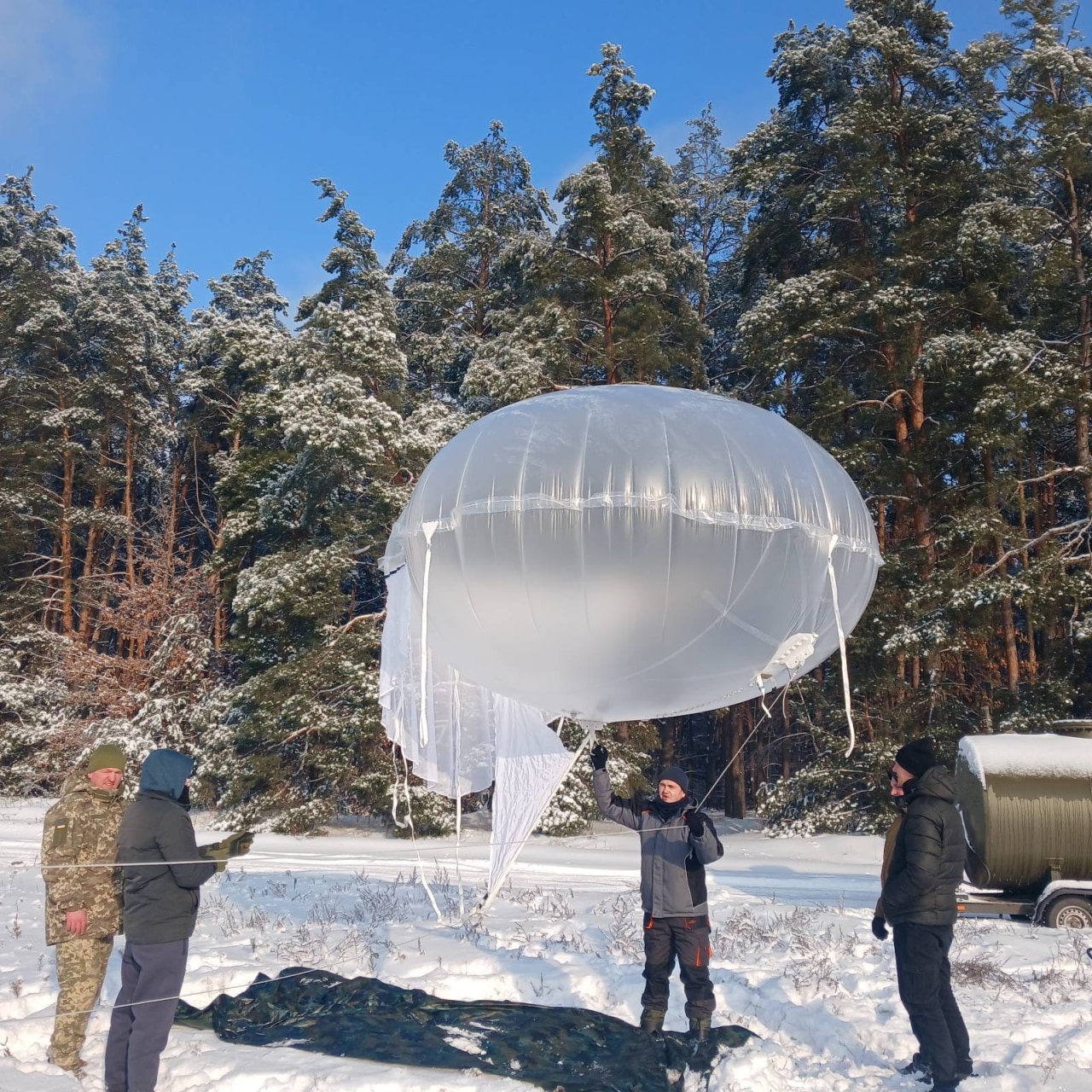
MILITARY TECHNOLOGY—In the skies above Ukraine, a new era of warfare is unfolding. Military balloons, once a relic of the past, have made a surprising comeback. These high-altitude balloons are now being used as long-range drone-launchers, extending the reach of Ukrainian attacks and American surveillance. The scene is set in a undisclosed location, where a team of Ukrainian soldiers carefully prepare a balloon for launch, its payload a state-of-the-art drone designed to gather crucial intel on enemy positions.
War in the Skies: Russia’s Invasion of Ukraine Sparks a New Era of Aerial Warfare
The conflict in Ukraine has sparked a new wave of innovation in military technology, with both sides seeking to gain an upper hand in the skies. The use of military balloons is just one example of how the war is driving the development of new weaponry and strategies.
Historical Precedent
Military balloons have been used in various forms throughout history, from the American Civil War to World War II. However, their use had largely been relegated to the dustbin of history, seen as outdated and ineffective in the age of drones and satellite surveillance.
But with the advent of high-tech innovations in sensors, autonomy, and materials, military balloons are once again becoming a crucial component of modern warfare. The Ukrainians, in particular, have been at the forefront of this trend, using balloons to launch drones and gather intel on Russian troop movements.
Technological Advancements
The key to the renewed effectiveness of military balloons lies in their ability to stay aloft for extended periods, providing a persistent surveillance capability that is hard to match with traditional aircraft. This is made possible by advances in materials science, which have led to the development of stronger, lighter, and more durable balloon materials.
Furthermore, the integration of autonomous systems and sensors has enabled military balloons to become more than just passive observers. They can now launch drones, gather and transmit real-time data, and even engage in electronic warfare.
Geopolitical Implications
The use of military balloons is not limited to the conflict in Ukraine. The technology has far-reaching implications for global security, particularly in the Pacific Ocean where the United States is seeking to counter Chinese expansionism. The ability to launch drones and gather intel from high-altitude balloons could provide a significant advantage in the region, allowing the US to monitor Chinese naval movements and respond quickly to any potential threats.
The Backstory: How Military Balloons Fell Out of Favor and Made a Surprising Comeback
The story of how military balloons fell out of favor and then made a surprising comeback is a fascinating one. In the early 20th century, military balloons were a crucial component of military strategy, used for reconnaissance and surveillance. However, with the advent of aircraft and satellite technology, they were largely seen as obsolete.
The Golden Age of Military Balloons
During World War II, military balloons played a significant role in the war effort, particularly in the Pacific Theater. The Japanese used balloons to launch incendiary bombs against the United States, while the Americans used them for reconnaissance and surveillance.
But as the Cold War progressed, military balloons were gradually phased out in favor of more advanced technologies. The development of satellite surveillance and unmanned aerial vehicles (UAVs) seemed to make military balloons redundant.
The Turning Point
However, the turning point came with the advent of high-tech innovations in sensors, autonomy, and materials. The development of advanced sensors and autonomous systems enabled military balloons to become more than just passive observers. They could now launch drones, gather and transmit real-time data, and even engage in electronic warfare.
The use of military balloons also gained momentum due to their potential to provide a low-cost and persistent surveillance capability. In an era of declining defense budgets and increasing security threats, military balloons offered a cost-effective solution for military commanders.
Modern Applications
Today, military balloons are being used in a variety of applications, from border surveillance to disaster response. They are also being used to support special operations forces, providing real-time intel and communications support.
Wall Street Reacts to the $30 Billion Valuation of the Military Balloon Industry
The military balloon industry has experienced a significant surge in valuation, with estimates suggesting that it could be worth up to $30 billion in the next five years. The news has sent shockwaves through Wall Street, with defense stocks experiencing a significant boost.
Investor Interest
The renewed interest in military balloons has sparked a flurry of investment activity, with venture capital firms and private equity investors clamoring to get a piece of the action. The potential for high returns on investment has made the military balloon industry an attractive prospect for investors.
However, the rapid growth of the industry has also raised concerns about the potential risks and challenges. The use of military balloons in conflict zones has sparked controversy, with some arguing that they could be used to launch attacks on civilian targets.
Regulatory Environment
The regulatory environment for military balloons is still evolving, with governments and international organizations struggling to keep pace with the rapid development of the technology. The need for clear guidelines and regulations has become increasingly pressing, as the use of military balloons becomes more widespread.
The valuation of the military balloon industry is also subject to various factors, including the level of demand from military forces and the ability of manufacturers to meet that demand. The industry is expected to experience significant growth in the coming years, driven by the increasing use of military balloons in conflict zones and the development of new technologies.
Market Trends
The market trends for military balloons are closely tied to the broader defense industry, with the demand for military balloons driven by the need for advanced surveillance and reconnaissance capabilities.
Meet the Players: Key Figures in the Military Balloon Industry
The military balloon industry is characterized by a diverse range of players, from established defense contractors to startups and entrepreneurs. The key figures in the industry are driving innovation and growth, pushing the boundaries of what is possible with military balloons.
Defense Contractors
Established defense contractors such as Lockheed Martin and Northrop Grumman are playing a significant role in the development of military balloons. These companies bring a wealth of experience and expertise to the table, having worked on a wide range of defense projects over the years.
However, the military balloon industry is also attracting a new generation of entrepreneurs and startups. These companies are bringing fresh ideas and perspectives to the table, often leveraging cutting-edge technologies such as artificial intelligence and blockchain.
Startup Culture
The startup culture in the military balloon industry is vibrant and dynamic, with companies such as Aerostat and DroneShield making waves with their innovative products and services. These companies are often driven by a passion for innovation and a desire to make a difference in the world.
The key figures in the military balloon industry are not limited to defense contractors and entrepreneurs. Government officials and military commanders are also playing a crucial role in shaping the industry, providing funding and guidance for the development of new technologies.
Partnerships and Collaborations
The military balloon industry is characterized by a high level of partnerships and collaborations, with companies and organizations working together to achieve common goals. This collaborative approach is driving innovation and growth, enabling the industry to respond quickly to emerging threats and opportunities.
The Forecast: What’s Next for the Military Balloon Industry
The military balloon industry is poised for significant growth and development in the coming years, driven by the increasing use of military balloons in conflict zones and the development of new technologies. The forecast for the industry is characterized by a high level of uncertainty, with various factors influencing the trajectory of growth and innovation.
Trends and Drivers
The key trends and drivers in the military balloon industry include the increasing demand for advanced surveillance and reconnaissance capabilities, the development of new technologies such as artificial intelligence and blockchain, and the growing importance of asymmetric warfare.
The industry is also expected to be shaped by a range of challenges and risks, including the potential for military balloons to be used in attacks on civilian targets and the need for clear guidelines and regulations.
Geopolitical Implications
The military balloon industry has significant geopolitical implications, with the potential to influence the balance of power in various regions. The use of military balloons in conflict zones could provide a significant advantage to military forces, enabling them to gather real-time intel and launch targeted attacks.
The future of the military balloon industry is closely tied to the broader defense industry, with the demand for military balloons driven by the need for advanced surveillance and reconnaissance capabilities. The industry is expected to experience significant growth in the coming years, driven by the increasing use of military balloons in conflict zones and the development of new technologies.
Conclusion
In conclusion, the military balloon industry is a rapidly evolving and dynamic sector, characterized by a high level of innovation and growth. The key players in the industry are driving innovation and development, pushing the boundaries of what is possible with military balloons.
