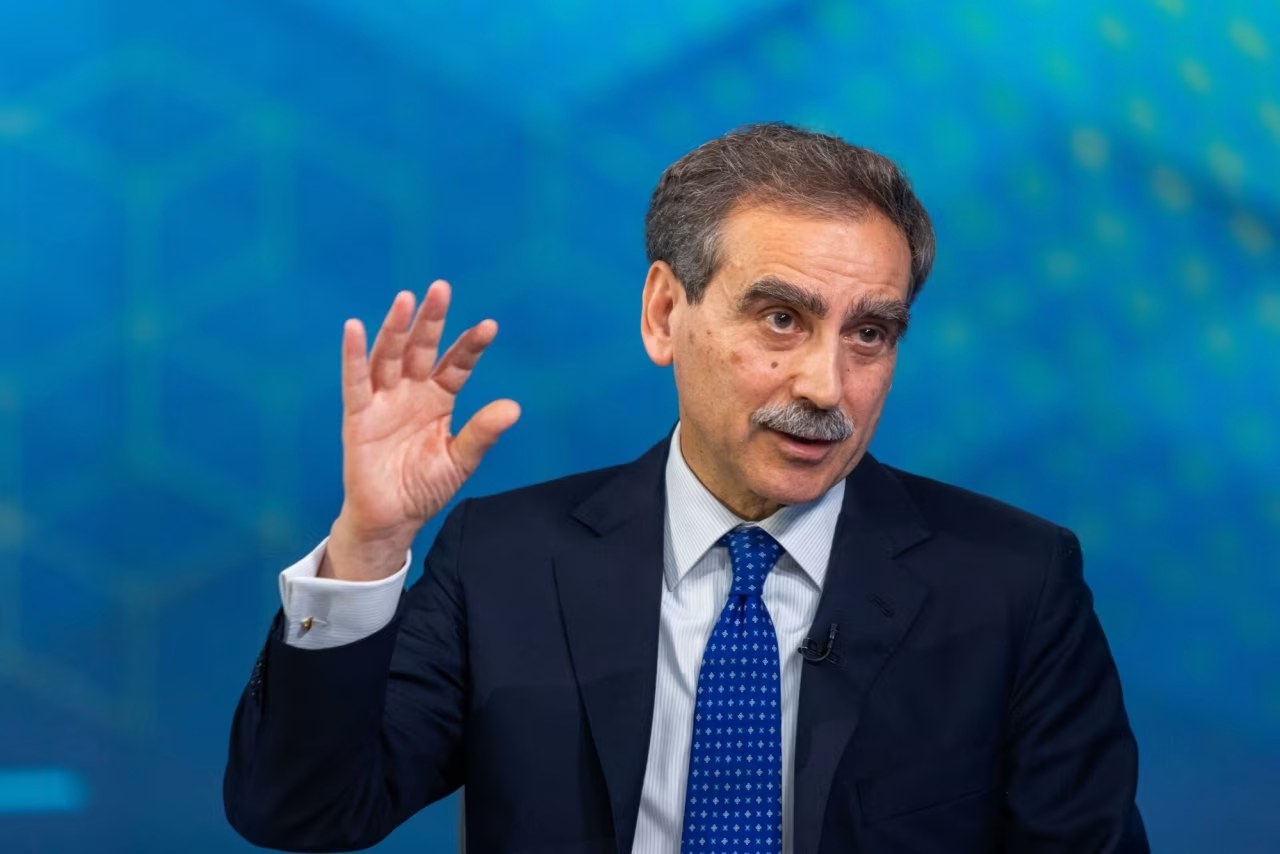
Monte Paschi Integration Risk Jumps to $4.2B Amid CEO Shake-up
- Ousted CEO Luigi Lovaglio warns of execution risks in Banca Monte dei Paschi di Siena’s combination with Mediobanca.
- Lovaglio believes continuity in leadership is paramount for minimizing integration complexities.
- The integration project is described as solid, with a strong program in place.
- Lovaglio’s exit signals potential turbulence for the €4.2 billion deal.
A leadership vacuum at Banca Monte dei Paschi di Siena could imperil its strategic merger with Mediobanca.
BANCA MONTE DEI PASCHI DI SIENA—The recent dismissal of Luigi Lovaglio, the chief executive of Italy’s Banca Monte dei Paschi di Siena (MPS), has cast a shadow over the bank’s impending integration with rival Mediobanca. Lovaglio, who led the charge in preparing for this complex combination, issued a stark warning: continuity at the helm of MPS is not merely desirable, but essential for navigating the intricate process of merging two major financial institutions. His departure, less than a year after the integration plan was solidified, introduces a significant element of uncertainty into a deal valued at approximately €4.2 billion.
Lovaglio’s perspective, articulated in a recent interview, underscores the critical role of leadership familiarity with intricate merger strategies. He posited that the chief executive most knowledgeable about the integration project is the ideal candidate to steer the ship, thereby minimizing the potential for execution errors. This stance highlights the inherent complexities involved in such large-scale financial operations, where even minor missteps can have cascading consequences. The project itself, he maintains, remains fundamentally sound, with a robust integration program designed to facilitate a smooth transition, but the human element at the top is proving to be a vital, yet now potentially volatile, component.
The strategic rationale behind the merger centers on consolidating market share and achieving operational efficiencies within Italy’s competitive banking landscape. However, the timing of Lovaglio’s ouster, occurring as MPS approaches a critical juncture in its integration with Mediobanca, raises pointed questions about the stability of its strategic direction. This leadership upheaval could potentially disrupt the carefully laid plans and introduce unforeseen challenges, jeopardizing the anticipated benefits of the combination. The market will be closely watching how MPS navigates this leadership transition and whether it can maintain the integrity of its integration strategy with Mediobanca.
Lovaglio’s Warning: The Peril of Leadership Discontinuity
The critical importance of a familiar face at the top
Luigi Lovaglio, the recently ousted chief executive of Banca Monte dei Paschi di Siena (MPS), has voiced significant concerns regarding the potential ramifications of his departure on the bank’s crucial integration with Mediobanca. In a candid interview, Lovaglio articulated his belief that retaining the CEO who possesses the deepest understanding of the integration project is the most effective strategy for mitigating execution risks. This perspective is rooted in the intricate nature of cross-institutional mergers, which demand nuanced knowledge of both legacy systems and the envisioned combined entity. His dismissal, therefore, is not merely a change in personnel but a potential disruption to a meticulously planned strategic maneuver. The project, he insisted, is solid, and the integration program is robust, but the human element, particularly leadership continuity, plays an indispensable role in its successful realization.
The €4.2 billion integration plan with Mediobanca represents a pivotal moment for MPS, aimed at bolstering its market position and enhancing operational efficiencies within the Italian financial sector. Lovaglio, having been instrumental in shaping this strategy, emphasized that his intimate knowledge of the project’s intricacies – from technical alignments to cultural assimilation – is a critical asset. His removal, by implication, introduces a degree of unpredictability. As Lovaglio himself stated, “To have in the driving seat the CEO who knows the most about the project is, I believe, the best way to minimize the execution risk.” This statement, made after his exit, highlights a potential disconnect between his strategic vision and the decisions made by MPS’s governing bodies. The urgency of the situation is underscored by the fact that such integrations typically span several quarters, requiring sustained leadership with an unwavering focus on the long-term objectives.
The broader context of Italian banking consolidation further amplifies the significance of this leadership transition. MPS, a historic institution grappling with years of restructuring, was reportedly on a positive trajectory under Lovaglio’s tenure, with the Mediobanca integration viewed as a vital step towards a more stable and profitable future. His departure, however, raises questions about the continuity of this progress. Analysts from institutions like the Bank for International Settlements (BIS) have frequently pointed to the critical role of management expertise and strategic consistency in the success of banking mergers. Without the incumbent CEO’s deep institutional memory and established relationships, the path to full integration with Mediobanca could become fraught with unforeseen obstacles, potentially impacting timelines, costs, and the ultimate realization of strategic synergies.
The implications of Lovaglio’s warning extend beyond MPS and Mediobanca. It serves as a cautionary tale for the financial industry, emphasizing that while strategic plans and financial models are essential, the human factor, particularly leadership continuity, is an equally vital, if not more so, determinant of success. The coming months will be crucial for MPS as it seeks to reassure stakeholders and demonstrate its ability to navigate this leadership challenge while maintaining momentum on its integration with Mediobanca. The bank’s ability to manage this transition effectively will be a key indicator of its future stability and strategic execution capability.
Why is CEO continuity critical for major banking mergers?
The intricate dance of banking integration and leadership
The challenge of integrating two major banks is a complex undertaking, far exceeding the simple merging of balance sheets. It involves the delicate alignment of disparate IT systems, regulatory compliance frameworks, operational processes, and, perhaps most critically, corporate cultures. Luigi Lovaglio’s departure from Banca Monte dei Paschi di Siena (MPS) highlights a commonly observed phenomenon in the banking sector: the profound impact of leadership continuity on the success of such monumental strategic initiatives. Lovaglio’s assertion that the CEO most familiar with the project is best positioned to minimize execution risk is not merely an opinion; it reflects a pattern observed in numerous M&A activities globally. For instance, a study by McKinsey & Company on merger integration consistently finds that leadership stability and deep project understanding are correlated with higher value creation and lower risk profiles.
The specific integration between MPS and Mediobanca, a transaction reportedly valued in the billions, requires a singular focus and a leader who can navigate the inherent complexities without faltering. Lovaglio’s intimate knowledge of the ‘project’ – the detailed plans, potential pitfalls, and strategic objectives – is an invaluable asset that a successor might take months, if not years, to replicate. This period of adjustment for a new CEO can create a vacuum, allowing for missteps in communication, decision-making paralysis, or a loss of momentum. The World Economic Forum has often stressed that in periods of significant organizational change, such as large-scale mergers, consistent and experienced leadership is paramount for maintaining employee morale, reassuring investors, and steering the organization through turbulence.
Consider the aftermath of the failed merger between **Ant Financial** and **MoneyGram** in 2018. While regulatory hurdles were the primary cause, a change in leadership at Ant Financial during the critical approval phases did introduce uncertainty and potentially delayed necessary engagement with U.S. regulators. Similarly, when **Santander** acquired **Banco Popular** in Spain in 2017, the swift integration was heavily reliant on the existing management’s deep understanding of Popular’s distressed assets, guided by Santander’s experienced leadership team.
Lovaglio’s comments, therefore, serve as a stark reminder from a seasoned executive that while the strategic framework for the MPS-Mediobanca combination might be robust, its flawless execution hinges significantly on sustained, knowledgeable leadership. His departure introduces a variable that could necessitate a recalibration of expectations and an increased vigilance from stakeholders monitoring the integration’s progress. The bank’s board must now demonstrate its capacity to ensure leadership stability and maintain strategic clarity to counter the risks Lovaglio has so presciently flagged. The successful navigation of this challenge will ultimately define the legacy of the MPS-Mediobanca integration.
What is the financial scale of the Monte Paschi-Mediobanca deal?
Unpacking the €4.2 billion integration: A strategic imperative
The integration of Banca Monte dei Paschi di Siena (MPS) with Mediobanca, a deal discussed with an estimated value of approximately €4.2 billion, represents a significant consolidation within the Italian banking landscape. This strategic alignment is not merely about increasing asset size; it is a calculated move designed to enhance profitability, streamline operations, and fortify market presence in a fiercely competitive environment. Luigi Lovaglio, the former CEO of MPS, underscored the importance of leadership continuity precisely because of the magnitude and complexity inherent in such a substantial financial undertaking. His departure, therefore, introduces a palpable risk to the successful execution of this multi-billion euro transaction.
The €4.2 billion figure is a culmination of various factors, including the valuation of MPS’s assets, potential synergies anticipated from the merger, and the investment required for the integration process itself. According to financial analysts at firms like **S&P Global Ratings**, mergers of this scale often involve intricate negotiations over asset transfer, capital allocation, and the harmonization of risk management protocols. A consistent leadership vision is crucial for navigating these complexities, ensuring that the integration proceeds according to plan and that the projected financial benefits are realized. Lovaglio’s statement suggests that the departure of the CEO who has a deep, firsthand understanding of these specific financial and operational nuances could lead to delays, cost overruns, or suboptimal decision-making.
The potential for €4.2 billion to be jeopardized by leadership discontinuity is a serious concern for investors and regulators alike. The Italian banking sector, having undergone significant restructuring in recent decades, is sensitive to any instability that could undermine confidence. Reports from the **European Central Bank (ECB)** on banking supervision consistently emphasize the need for robust governance and effective management in navigating complex M&A activities. The ECB’s oversight ensures that such integrations are not only financially viable but also contribute to the broader stability of the Eurozone’s financial system.
Lovaglio’s emphasis on the ‘solid’ nature of the project and the ‘strong’ integration program suggests that the groundwork has been laid. However, the human element, embodied by leadership, remains a critical determinant. As MPS moves forward, its ability to demonstrate unwavering strategic direction and effective management during this transitionary phase will be paramount. The €4.2 billion integration is more than just a financial figure; it represents a strategic pivot for MPS, and its success hinges on overcoming the challenges posed by recent leadership changes, a task Lovaglio’s departure has made considerably more arduous.
How does CEO turnover affect bank merger success rates?
The ripple effect of executive departures on deal completion
The success of a bank merger is a delicate balance of strategic planning, financial acumen, and effective execution, with leadership continuity playing an outsized role. Luigi Lovaglio’s recent comments about the risks associated with his own ouster from Banca Monte dei Paschi di Siena (MPS) tap into a well-documented concern within the financial industry: how CEO turnover impacts merger outcomes. Research by consulting firms like **KPMG** indicates that mergers involving significant leadership changes in the target company often experience greater integration challenges, longer timelines, and diminished shareholder value. Lovaglio’s position that the CEO most familiar with the project is key to minimizing execution risk aligns with this empirical evidence.
When a CEO departs, particularly one who has been instrumental in architecting a complex deal like the integration of MPS with Mediobanca, a wealth of institutional knowledge and established relationships can be lost. This includes deep insights into the negotiation nuances, potential regulatory hurdles, IT system compatibility issues, and the cultural integration roadmap. For example, in the 2019 merger of **SunTrust Banks** and **BB&T** to form Truist Financial, the seamless transition was significantly aided by the pre-existing close working relationship and shared vision between the CEOs of both entities, Robert Stickler Jr. and Kelly King. Conversely, a leadership vacuum or a significant change in direction can inject uncertainty, leading to delays in critical decision-making and potentially alienating key stakeholders, including employees, customers, and regulators.
Furthermore, the departure of a CEO like Lovaglio can signal underlying strategic disagreements or governance issues within MPS, which could be scrutinized by Mediobanca and regulatory bodies such as the **Bank of Italy** and the European Central Bank. These institutions are tasked with ensuring that mergers enhance financial stability, not introduce new risks. A leadership vacuum could prompt closer examination of MPS’s internal stability and its capacity to execute the integration plan effectively, potentially leading to more stringent oversight or even renegotiation of deal terms, though no such changes have been announced.
Lovaglio’s candid remarks suggest that while the technical and financial aspects of the MPS-Mediobanca integration may be sound, the human element at the highest level is a critical variable. The ability of MPS to appoint a successor who can quickly grasp the project’s complexities or, alternatively, to ensure Lovaglio’s insights are thoroughly transferred, will be crucial. The financial industry’s track record in M&A shows that even well-conceived deals can falter due to poor integration management, often exacerbated by leadership instability. Lovaglio’s warning, therefore, should be heeded as a significant indicator of potential challenges ahead for the Monte Paschi-Mediobanca integration.
Frequently Asked Questions
Q: Why is CEO continuity important for the Monte Paschi and Mediobanca integration?
Luigi Lovaglio, the former CEO of Banca Monte dei Paschi di Siena, stated that continuity at the top is crucial. A CEO familiar with the integration project can best minimize execution risks, ensuring the complex combination with Mediobanca proceeds smoothly and effectively.
Q: What specific risks does the Monte Paschi CEO change present?
The departure of the CEO who spearheaded the integration project with Mediobanca introduces significant execution risk. A new leader may lack the intimate knowledge of the plan, potentially slowing down or complicating the merger process for Banca Monte dei Paschi di Siena.
Q: What is the status of the integration between Banca Monte dei Paschi di Siena and Mediobanca?
The integration project between Banca Monte dei Paschi di Siena and Mediobanca is described as solid and well-structured. However, the recent ouster of the Monte Paschi CEO, Luigi Lovaglio, raises concerns about maintaining momentum and minimizing risks during this critical phase.
