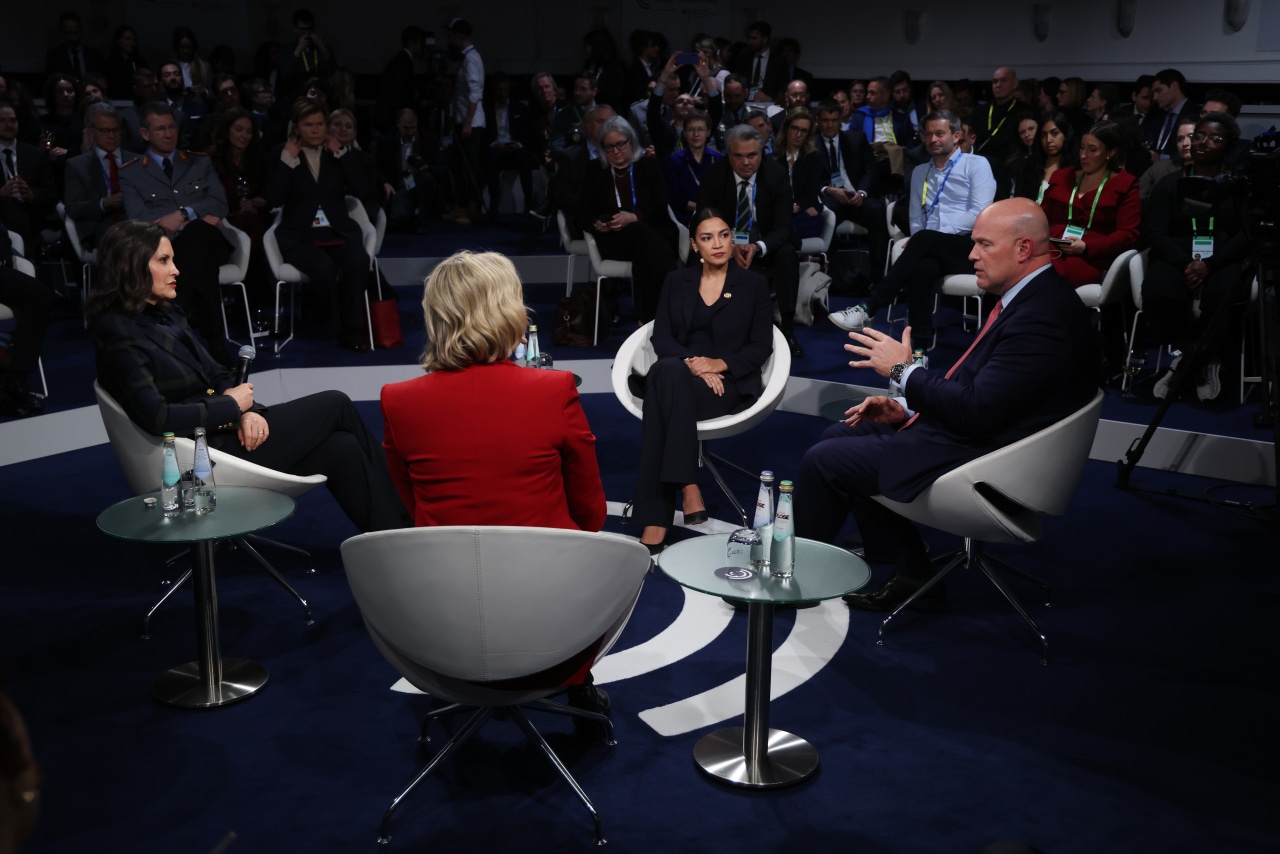
European Leaders Focus on US Midterm Elections at Munich Security Conference
- European leaders attended the Munich Security Conference to discuss alliances and seek insight into the upcoming US midterm elections
- The conference highlighted the significance of the US midterm elections for European leaders and their potential impact on global politics
- The event marked a crucial moment for international relations, as leaders from around the world gathered to discuss pressing global issues
Understanding the Implications of the US Midterm Elections on Global Politics
The US midterm elections have significant implications for global politics, particularly for European leaders who attended the Munich Security Conference. As the world grapples with pressing issues such as climate change, economic inequality, and geopolitical tensions, the outcome of the US midterm elections could have far-reaching consequences. European leaders sought insight into the elections to better understand the potential impact on their own countries and the global community. The conference provided a platform for leaders to discuss their concerns and seek a deeper understanding of the US political landscape.
The significance of the US midterm elections for European leaders cannot be overstated. The elections have the potential to shape the direction of US foreign policy, which in turn could impact European countries and the global community. European leaders are keenly aware of the potential consequences of the elections and are seeking to understand the potential outcomes and their implications for global politics. The Munich Security Conference provided a unique opportunity for European leaders to engage with US politicians and gain a deeper understanding of the US electoral process.
The conference also highlighted the importance of international cooperation and diplomacy in addressing global challenges. As the world becomes increasingly interconnected, the need for cooperation and dialogue between nations has never been more pressing. The Munich Security Conference demonstrated the commitment of European leaders to engaging with the US and other countries to address common challenges and promote global stability. The conference marked a significant moment in international relations, as leaders from around the world came together to discuss pressing issues and seek solutions to global problems.
The US midterm elections are a critical moment in US politics, with significant implications for the country and the world. European leaders are watching the elections closely, seeking to understand the potential outcomes and their implications for global politics. The Munich Security Conference provided a unique opportunity for European leaders to engage with US politicians and gain a deeper understanding of the US electoral process. As the world waits with bated breath for the outcome of the elections, one thing is clear: the US midterm elections will have far-reaching consequences for global politics and international relations.
The conference also demonstrated the significance of the US-Europe alliance, which has been a cornerstone of international relations for decades. The alliance has played a crucial role in promoting stability and security in Europe and beyond. However, the alliance is facing significant challenges, including rising tensions between the US and Europe over issues such as trade and security. The Munich Security Conference highlighted the need for the US and Europe to work together to address common challenges and promote global stability. The conference marked a significant moment in the history of the alliance, as leaders from both sides of the Atlantic came together to discuss pressing issues and seek solutions to global problems.
In conclusion, the Munich Security Conference marked a significant moment in international relations, as European leaders sought insight into the US midterm elections and their potential impact on global politics. The conference highlighted the importance of international cooperation and diplomacy in addressing global challenges and demonstrated the commitment of European leaders to engaging with the US and other countries to promote global stability. The US midterm elections will have far-reaching consequences for global politics, and European leaders are watching the elections closely, seeking to understand the potential outcomes and their implications for the world.
The Munich Security Conference: A Platform for International Dialogue
The Munich Security Conference is an annual event that brings together leaders from around the world to discuss pressing issues in international security. The conference has a long history, dating back to 1963, and has become a key platform for international dialogue and cooperation. This year’s conference was particularly significant, as it marked a crucial moment in international relations. European leaders attended the conference to discuss alliances and seek insight into the upcoming US midterm elections.
The conference provided a unique opportunity for European leaders to engage with US politicians and gain a deeper understanding of the US electoral process. The event was attended by top leaders from Europe, including the German Chancellor, the French President, and the British Prime Minister. The US was represented by senior politicians, including members of Congress and the Senate. The conference marked a significant moment in international relations, as leaders from around the world came together to discuss pressing issues and seek solutions to global problems.
The focus of the conference was on the alliance between the US and Europe, which has been a cornerstone of international relations for decades. The alliance has played a crucial role in promoting stability and security in Europe and beyond. However, the alliance is facing significant challenges, including rising tensions between the US and Europe over issues such as trade and security. The Munich Security Conference highlighted the need for the US and Europe to work together to address common challenges and promote global stability.
The conference also discussed other pressing issues, including climate change, economic inequality, and geopolitical tensions. The event provided a platform for leaders to discuss their concerns and seek a deeper understanding of the global landscape. The conference marked a significant moment in the history of the alliance, as leaders from both sides of the Atlantic came together to discuss pressing issues and seek solutions to global problems.
The US midterm elections were a major topic of discussion at the conference, with European leaders seeking insight into the potential outcomes and their implications for global politics. The elections have significant implications for the US-Europe alliance, and European leaders are watching the elections closely. The conference provided a unique opportunity for European leaders to engage with US politicians and gain a deeper understanding of the US electoral process.
In conclusion, the Munich Security Conference marked a significant moment in international relations, as European leaders sought insight into the US midterm elections and their potential impact on global politics. The conference highlighted the importance of international cooperation and diplomacy in addressing global challenges and demonstrated the commitment of European leaders to engaging with the US and other countries to promote global stability.
The event also demonstrated the significance of the US-Europe alliance, which has been a cornerstone of international relations for decades. The alliance has played a crucial role in promoting stability and security in Europe and beyond. However, the alliance is facing significant challenges, including rising tensions between the US and Europe over issues such as trade and security. The Munich Security Conference highlighted the need for the US and Europe to work together to address common challenges and promote global stability.
History of the US-Europe Alliance: A Cornerstone of International Relations
The US-Europe alliance has a long history, dating back to the aftermath of World War II. The alliance was formed to promote stability and security in Europe and to counter the threat of Soviet expansion. The alliance has played a crucial role in shaping international relations, and has been a cornerstone of global stability and security. The alliance has also been a key driver of economic growth and development, as the US and Europe have worked together to promote free trade and investment.
The alliance has faced significant challenges over the years, including the Cuban Missile Crisis, the Soviet invasion of Afghanistan, and the Cold War. However, the alliance has always managed to overcome these challenges and emerge stronger. The end of the Cold War marked a significant moment in the history of the alliance, as the US and Europe began to focus on new challenges, including terrorism, climate change, and economic inequality.
The US-Europe alliance has also been a key driver of international cooperation and diplomacy. The alliance has played a crucial role in promoting stability and security in Europe and beyond, and has been a key player in international organizations such as the United Nations and the European Union. The alliance has also been a key driver of economic growth and development, as the US and Europe have worked together to promote free trade and investment.
However, the alliance is facing significant challenges, including rising tensions between the US and Europe over issues such as trade and security. The US has been critical of European countries for not spending enough on defense, while European countries have been critical of the US for its withdrawal from international agreements such as the Iran nuclear deal. The alliance is also facing challenges from rising powers such as China and Russia, which are seeking to promote their own interests and challenge the dominance of the US and Europe.
The Munich Security Conference highlighted the need for the US and Europe to work together to address common challenges and promote global stability. The conference marked a significant moment in the history of the alliance, as leaders from both sides of the Atlantic came together to discuss pressing issues and seek solutions to global problems. The conference demonstrated the commitment of European leaders to engaging with the US and other countries to promote global stability and address common challenges.
In conclusion, the US-Europe alliance has a long history, dating back to the aftermath of World War II. The alliance has played a crucial role in shaping international relations, and has been a cornerstone of global stability and security. However, the alliance is facing significant challenges, including rising tensions between the US and Europe over issues such as trade and security. The Munich Security Conference highlighted the need for the US and Europe to work together to address common challenges and promote global stability.
The alliance is also facing challenges from rising powers such as China and Russia, which are seeking to promote their own interests and challenge the dominance of the US and Europe. The US and Europe must work together to address these challenges and promote global stability. The Munich Security Conference marked a significant moment in the history of the alliance, as leaders from both sides of the Atlantic came together to discuss pressing issues and seek solutions to global problems.
Analysis of the US Midterm Elections: Implications for Global Politics
The US midterm elections have significant implications for global politics, particularly for European leaders who attended the Munich Security Conference. The elections have the potential to shape the direction of US foreign policy, which in turn could impact European countries and the global community. European leaders are keenly aware of the potential consequences of the elections and are seeking to understand the potential outcomes and their implications for global politics.
The midterm elections are a critical moment in US politics, with significant implications for the country and the world. The elections will determine the balance of power in Congress and the Senate, which could impact the direction of US foreign policy. The elections will also have significant implications for the US-Europe alliance, as the outcome could impact the level of cooperation and diplomacy between the two sides.
The US midterm elections are also significant for global economic stability. The elections could impact the direction of US economic policy, which could have significant implications for the global economy. The elections could also impact the direction of US trade policy, which could have significant implications for global trade and investment.
The Munich Security Conference provided a unique opportunity for European leaders to engage with US politicians and gain a deeper understanding of the US electoral process. The conference marked a significant moment in international relations, as leaders from around the world came together to discuss pressing issues and seek solutions to global problems. The conference highlighted the importance of international cooperation and diplomacy in addressing global challenges and demonstrated the commitment of European leaders to engaging with the US and other countries to promote global stability.
In conclusion, the US midterm elections have significant implications for global politics, particularly for European leaders who attended the Munich Security Conference. The elections have the potential to shape the direction of US foreign policy, which in turn could impact European countries and the global community. European leaders are keenly aware of the potential consequences of the elections and are seeking to understand the potential outcomes and their implications for global politics.
The US midterm elections are a critical moment in US politics, with significant implications for the country and the world. The elections will determine the balance of power in Congress and the Senate, which could impact the direction of US foreign policy. The elections will also have significant implications for the US-Europe alliance, as the outcome could impact the level of cooperation and diplomacy between the two sides.
The Munich Security Conference marked a significant moment in the history of the alliance, as leaders from both sides of the Atlantic came together to discuss pressing issues and seek solutions to global problems. The conference demonstrated the commitment of European leaders to engaging with the US and other countries to promote global stability and address common challenges. The conference also highlighted the significance of the US-Europe alliance, which has been a cornerstone of international relations for decades.
Global Reactions to the US Midterm Elections: A Mixed Response
The US midterm elections have generated a mixed response from around the world, with some countries welcoming the outcome and others expressing concern. European leaders who attended the Munich Security Conference were keenly aware of the potential implications of the elections and were watching the outcome closely. The elections have significant implications for the US-Europe alliance, and European leaders are seeking to understand the potential outcomes and their implications for global politics.
The global reaction to the US midterm elections has been shaped by a range of factors, including the direction of US foreign policy and the potential impact on global stability and security. Some countries, such as China and Russia, have welcomed the outcome of the elections, seeing it as an opportunity to promote their own interests and challenge the dominance of the US and Europe. Other countries, such as Canada and Japan, have expressed concern about the outcome of the elections, seeing it as a potential threat to global stability and security.
The US midterm elections have also generated a significant response from the global media, with many outlets analyzing the implications of the outcome for global politics. The elections have been seen as a critical moment in US politics, with significant implications for the country and the world. The outcome of the elections will have far-reaching consequences for global politics, and countries around the world are watching the situation closely.
The Munich Security Conference provided a unique opportunity for European leaders to engage with US politicians and gain a deeper understanding of the US electoral process. The conference marked a significant moment in international relations, as leaders from around the world came together to discuss pressing issues and seek solutions to global problems. The conference highlighted the importance of international cooperation and diplomacy in addressing global challenges and demonstrated the commitment of European leaders to engaging with the US and other countries to promote global stability.
In conclusion, the US midterm elections have generated a mixed response from around the world, with some countries welcoming the outcome and others expressing concern. European leaders who attended the Munich Security Conference were keenly aware of the potential implications of the elections and were watching the outcome closely. The elections have significant implications for the US-Europe alliance, and European leaders are seeking to understand the potential outcomes and their implications for global politics.
The global reaction to the US midterm elections has been shaped by a range of factors, including the direction of US foreign policy and the potential impact on global stability and security. The elections have significant implications for global politics, and countries around the world are watching the situation closely. The Munich Security Conference marked a significant moment in the history of the alliance, as leaders from both sides of the Atlantic came together to discuss pressing issues and seek solutions to global problems.
The Future of the US-Europe Alliance: Challenges and Opportunities
The US-Europe alliance is facing significant challenges, including rising tensions between the US and Europe over issues such as trade and security. The alliance is also facing challenges from rising powers such as China and Russia, which are seeking to promote their own interests and challenge the dominance of the US and Europe. Despite these challenges, the alliance remains a cornerstone of international relations, and is critical to promoting global stability and security.
The future of the US-Europe alliance will be shaped by a range of factors, including the direction of US foreign policy and the potential impact on global stability and security. The alliance will also be shaped by the response of European leaders to the US midterm elections, and their efforts to engage with the US and other countries to promote global stability. The Munich Security Conference marked a significant moment in the history of the alliance, as leaders from both sides of the Atlantic came together to discuss pressing issues and seek solutions to global problems.
The US-Europe alliance has a long history, dating back to the aftermath of World War II. The alliance has played a crucial role in shaping international relations, and has been a cornerstone of global stability and security. However, the alliance is facing significant challenges, including rising tensions between the US and Europe over issues such as trade and security. The alliance is also facing challenges from rising powers such as China and Russia, which are seeking to promote their own interests and challenge the dominance of the US and Europe.
The future of the US-Europe alliance will require a commitment to international cooperation and diplomacy, as well as a willingness to address common challenges and promote global stability. The alliance will also require a deep understanding of the global landscape, including the rise of new powers and the potential impact on global stability and security. The Munich Security Conference demonstrated the commitment of European leaders to engaging with the US and other countries to promote global stability and address common challenges.
In conclusion, the US-Europe alliance is facing significant challenges, including rising tensions between the US and Europe over issues such as trade and security. The alliance is also facing challenges from rising powers such as China and Russia, which are seeking to promote their own interests and challenge the dominance of the US and Europe. Despite these challenges, the alliance remains a cornerstone of international relations, and is critical to promoting global stability and security.
The future of the US-Europe alliance will be shaped by a range of factors, including the direction of US foreign policy and the potential impact on global stability and security. The alliance will also be shaped by the response of European leaders to the US midterm elections, and their efforts to engage with the US and other countries to promote global stability. The Munich Security Conference marked a significant moment in the history of the alliance, as leaders from both sides of the Atlantic came together to discuss pressing issues and seek solutions to global problems.
The US-Europe alliance has a long history, dating back to the aftermath of World War II. The alliance has played a crucial role in shaping international relations, and has been a cornerstone of global stability and security. The alliance will continue to play a critical role in promoting global stability and security, and will require a commitment to international cooperation and diplomacy, as well as a willingness to address common challenges and promote global stability.