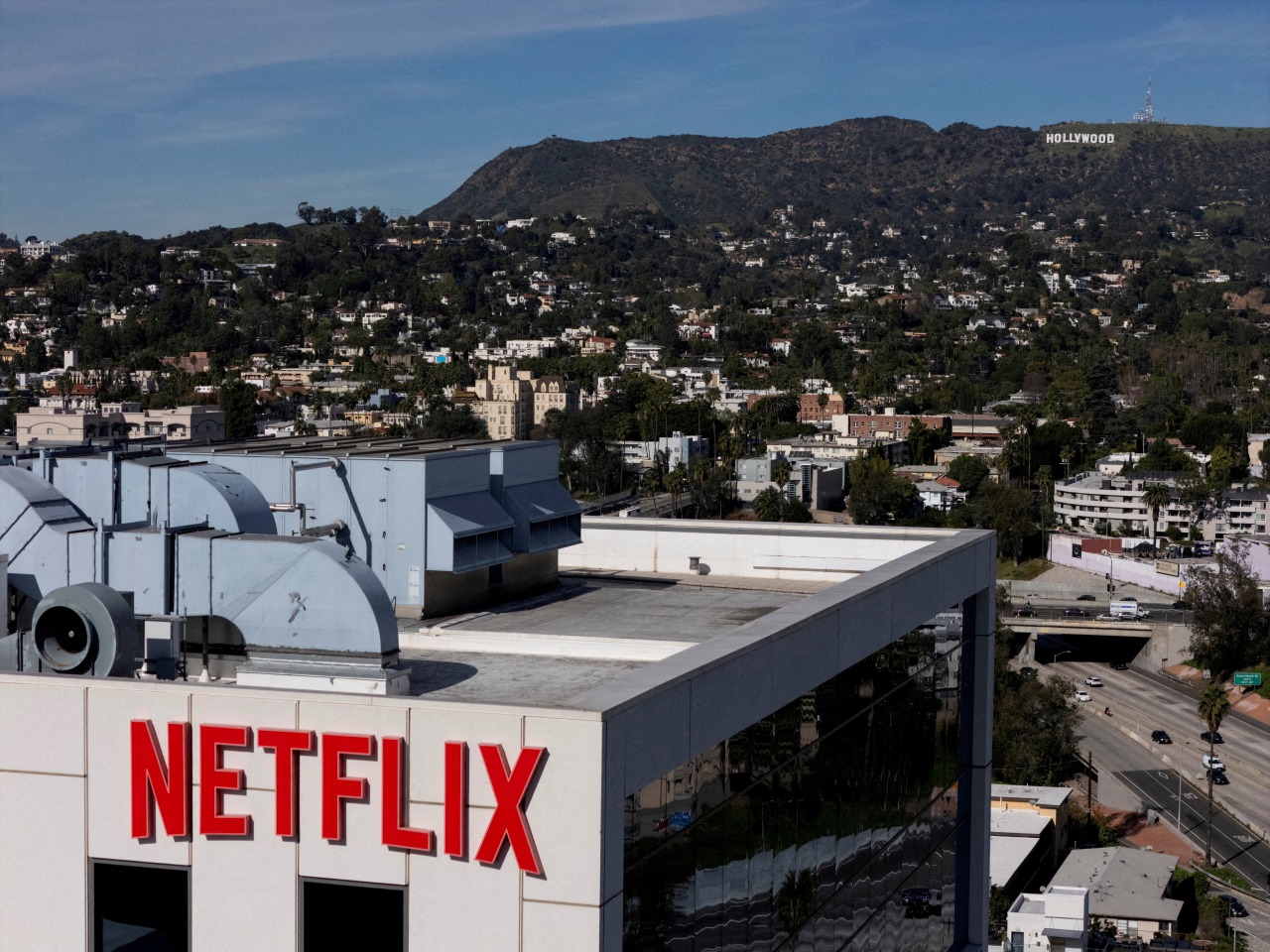
Netflix Backs Down: The Warner Bid That Never Was
- Netflix cites high price as the reason for dropping its bid for Warner.
- The streaming giant claims it never had a strong interest in acquiring Warner.
- This move is seen as a strategic decision in the ongoing streaming wars.
A Shift in Strategy or a Change of Heart?
NETFLIX—In a surprising turn of events, Netflix has announced that it is dropping its bid to acquire Warner, citing that the price was too high. This decision comes after months of speculation about the potential acquisition and its implications for the streaming industry. Netflix’s decision to back down has raised questions about the company’s strategy and whether this move is a sign of a shift in its approach to expansion.
The streaming giant had been seen as a strong contender to acquire Warner, given its history of aggressive expansion and its need for more content to compete with other streaming services. However, according to Netflix, the company never had a strong interest in acquiring Warner, and the bid was simply a exploratory move.
This decision is likely to have significant implications for the streaming industry, as it leaves Warner open to other potential bidders. It also raises questions about Netflix’s strategy and whether the company will continue to pursue expansion through acquisitions or focus on developing its own content.
The Background: Understanding the Streaming Wars
The streaming industry has experienced rapid growth in recent years, with the number of streaming services increasing exponentially. This growth has led to a surge in demand for content, with streaming services competing fiercely to acquire the rights to popular TV shows and movies. The streaming wars, as they have come to be known, have seen major players such as Netflix, Amazon Prime, and HBO Max engage in a battle for dominance.
Netflix, in particular, has been at the forefront of this battle, with its aggressive expansion strategy and focus on developing original content. The company has invested heavily in producing its own TV shows and movies, with notable hits such as Stranger Things and The Crown. However, despite its success, Netflix has faced increasing competition from other streaming services, which has led to a decline in its market share.
In this context, the potential acquisition of Warner was seen as a strategic move by Netflix to expand its content library and gain a competitive edge. Warner, with its vast library of TV shows and movies, including popular franchises such as Harry Potter and Game of Thrones, would have been a significant addition to Netflix’s content offerings.
However, with Netflix’s decision to drop its bid, the question remains as to what the company’s strategy will be moving forward. Will it continue to focus on developing its own content, or will it explore other options, such as partnerships or acquisitions, to expand its offerings?
The answer to this question lies in understanding Netflix’s business model and its approach to expansion. The company has always been focused on providing a unique and personalized viewing experience to its subscribers, with a focus on developing original content that resonates with its audience. This approach has served the company well, with its original content being a major draw for subscribers.
However, the streaming wars have introduced a new level of complexity to the industry, with streaming services competing not just on content, but also on price and features. In this context, Netflix’s decision to drop its bid for Warner may be seen as a strategic move to focus on its core strengths and avoid over-extending itself in a competitive market.
The implications of Netflix’s Decision
Netflix’s decision to drop its bid for Warner has significant implications for the streaming industry. The most immediate implication is that Warner is now open to other potential bidders, which could lead to a bidding war and drive up the price of the acquisition. This could have significant consequences for the streaming industry, as it could lead to a further consolidation of content and reduce competition.
Another implication of Netflix’s decision is that it may signal a shift in the company’s strategy. By dropping its bid for Warner, Netflix may be indicating that it is no longer interested in pursuing large-scale acquisitions and instead will focus on developing its own content. This could be a sign that the company is becoming more cautious in its approach to expansion, which could have significant implications for the streaming industry as a whole.
In addition to these implications, Netflix’s decision also raises questions about the company’s financial health. The company has been investing heavily in content development and expansion, which has put pressure on its finances. The decision to drop its bid for Warner may be a sign that the company is looking to conserve its resources and focus on more cost-effective strategies for expansion.
Furthermore, the decision also highlights the challenges faced by Netflix in its pursuit of growth. The company has been facing increasing competition from other streaming services, which has made it harder for it to attract and retain subscribers. The decision to drop its bid for Warner may be a sign that the company is struggling to achieve its growth targets, which could have significant implications for its stock price and market valuation.
Overall, Netflix’s decision to drop its bid for Warner has significant implications for the streaming industry and the company itself. It highlights the challenges faced by the company in its pursuit of growth and the need for it to adapt its strategy to remain competitive in a rapidly changing market.
The decision also raises questions about the future of the streaming industry and how it will evolve in the coming years. Will we see a further consolidation of content, or will new players emerge to challenge the dominance of the existing streaming services? Only time will tell, but one thing is certain – the streaming wars are far from over, and the next move by Netflix and its competitors will be closely watched by the industry and its investors.
Warner’s Future: What Next for the Media Giant?
With Netflix dropping its bid, Warner is now open to other potential bidders. The company has a vast library of content, including popular TV shows and movies, which makes it an attractive target for streaming services looking to expand their offerings. The question remains as to who will be the next suitor for Warner and what the implications will be for the company and the streaming industry as a whole.
One potential bidder could be Amazon Prime, which has been expanding its content offerings in recent years. Amazon has been investing heavily in original content, with notable hits such as The Grand Tour and The Marvelous Mrs. Maisel. The acquisition of Warner would give Amazon a significant boost in its content offerings, making it a more formidable competitor in the streaming wars.
Another potential bidder could be HBO Max, which is looking to expand its content offerings and attract more subscribers. The acquisition of Warner would give HBO Max a significant advantage in the streaming wars, with access to a vast library of content, including popular franchises such as Harry Potter and Game of Thrones.
Alternatively, Warner could choose to remain independent and focus on developing its own streaming service. The company has been investing in its own streaming platform, with a focus on providing a unique and personalized viewing experience to its subscribers. This approach could allow Warner to maintain control over its content and destiny, while also providing a significant revenue stream through subscription fees.
Regardless of who the next suitor is, one thing is certain – Warner’s future will be closely watched by the industry and its investors. The company has a significant role to play in the streaming wars, and its decision will have significant implications for the industry as a whole.
In conclusion, the future of Warner is uncertain, but one thing is clear – the company has a significant role to play in the streaming wars. Whether it chooses to remain independent or is acquired by another streaming service, Warner’s content will continue to be in high demand, and its decision will have significant implications for the industry and its investors.
The streaming wars are far from over, and the next move by Warner and its competitors will be closely watched by the industry and its investors. As the streaming industry continues to evolve, one thing is certain – the demand for high-quality content will continue to drive the market, and companies that are able to provide this content will be well-positioned for success.
Netflix’s Strategy: What’s Next for the Streaming Giant?
Netflix’s decision to drop its bid for Warner has raised questions about the company’s strategy and what’s next for the streaming giant. The company has been focused on developing its own content and expanding its offerings through original programming. However, the decision to drop its bid for Warner may signal a shift in the company’s approach to expansion.
One possible strategy for Netflix could be to focus on developing more niche content, rather than trying to acquire large libraries of content. This approach would allow the company to maintain its focus on providing a unique and personalized viewing experience to its subscribers, while also reducing its costs and improving its profitability.
Another strategy could be for Netflix to explore partnerships with other content providers, rather than trying to acquire them outright. This approach would allow the company to expand its offerings without taking on the significant costs and risks associated with acquisitions. Partnerships could also provide Netflix with access to new and innovative content, which could help the company to attract and retain subscribers.
Furthermore, Netflix could also focus on developing its own technology and infrastructure, rather than relying on acquisitions to drive growth. The company has been investing heavily in its own streaming platform, with a focus on providing a high-quality and personalized viewing experience to its subscribers. This approach could allow Netflix to maintain its competitive edge and continue to attract and retain subscribers, even in the face of increasing competition from other streaming services.
Overall, Netflix’s strategy will be closely watched by the industry and its investors. The company has a significant role to play in the streaming wars, and its decisions will have significant implications for the industry as a whole. As the streaming industry continues to evolve, one thing is certain – the demand for high-quality content will continue to drive the market, and companies that are able to provide this content will be well-positioned for success.
In conclusion, Netflix’s decision to drop its bid for Warner has raised questions about the company’s strategy and what’s next for the streaming giant. The company has a number of options available to it, including focusing on developing niche content, exploring partnerships with other content providers, and developing its own technology and infrastructure. Regardless of which strategy the company chooses, one thing is certain – Netflix will continue to be a major player in the streaming wars, and its decisions will have significant implications for the industry and its investors.
The Streaming Wars: What’s Next for the Industry?
The streaming wars are far from over, and the next move by Netflix and its competitors will be closely watched by the industry and its investors. The decision by Netflix to drop its bid for Warner has significant implications for the industry, and raises questions about what’s next for the streaming wars.
One possible scenario is that the streaming wars will continue to intensify, with more players entering the market and competing for subscribers. This could lead to a further consolidation of content, with streaming services looking to acquire more content to attract and retain subscribers. Alternatively, the streaming wars could begin to slow down, with streaming services focusing on developing their own content and improving their user experience, rather than trying to acquire more content.
Another possible scenario is that the streaming wars will become more niche, with streaming services focusing on specific genres or types of content. This could lead to a proliferation of smaller, more specialized streaming services, each catering to a specific audience or niche. This approach could allow streaming services to differentiate themselves and attract a loyal following, rather than trying to compete with the larger streaming services.
Overall, the streaming wars are likely to continue to evolve and change, with new players entering the market and existing players adapting to the changing landscape. The demand for high-quality content will continue to drive the market, and companies that are able to provide this content will be well-positioned for success.
In conclusion, the streaming wars are far from over, and the next move by Netflix and its competitors will be closely watched by the industry and its investors. The decision by Netflix to drop its bid for Warner has significant implications for the industry, and raises questions about what’s next for the streaming wars. As the streaming industry continues to evolve, one thing is certain – the demand for high-quality content will continue to drive the market, and companies that are able to provide this content will be well-positioned for success.
The future of the streaming industry is uncertain, but one thing is clear – the streaming wars will continue to be a major driver of innovation and growth in the entertainment industry. As the industry continues to evolve, we can expect to see new and exciting developments, from the emergence of new streaming services to the development of new technologies and platforms. The streaming wars may be intense, but they are also driving the creation of new and innovative content, and providing audiences with more choice and flexibility than ever before.
Conclusion: The Future of Streaming
In conclusion, the decision by Netflix to drop its bid for Warner has significant implications for the streaming industry. The streaming wars are far from over, and the next move by Netflix and its competitors will be closely watched by the industry and its investors. The demand for high-quality content will continue to drive the market, and companies that are able to provide this content will be well-positioned for success.
As the streaming industry continues to evolve, we can expect to see new and exciting developments, from the emergence of new streaming services to the development of new technologies and platforms. The streaming wars may be intense, but they are also driving the creation of new and innovative content, and providing audiences with more choice and flexibility than ever before.
Ultimately, the future of streaming will be shaped by the choices and decisions of the major players in the industry. Netflix’s decision to drop its bid for Warner is just one example of the many moves and counter-moves that will be made in the streaming wars. As the industry continues to evolve, one thing is certain – the demand for high-quality content will continue to drive the market, and companies that are able to provide this content will be well-positioned for success.
The streaming wars are a complex and multifaceted phenomenon, driven by a combination of technological, economic, and cultural factors. As the industry continues to evolve, we can expect to see new and innovative approaches to content creation, distribution, and consumption. The future of streaming is uncertain, but one thing is clear – it will be shaped by the interactions and decisions of the major players in the industry, and will continue to be a major driver of innovation and growth in the entertainment industry.
In the end, the streaming wars are not just about the companies and technologies involved – they are also about the audiences and the content that they consume. As the industry continues to evolve, we can expect to see new and exciting developments that will shape the future of entertainment and media. The streaming wars may be intense, but they are also a sign of a vibrant and dynamic industry that is constantly evolving and adapting to the needs and desires of its audiences.
