92,000 Jobs Lost and Oil Prices Jump: The Friday Economic Panic Attack Unfolds
- February saw a net loss of 92,000 jobs, the sharpest decline in months.
- Revisions trimmed January and December gains by a combined 69,000.
- Oil prices climbed, adding pressure to already volatile markets.
- Equities fell again, reflecting investor anxiety over mixed signals.
Why a single day of data can send shockwaves through Wall Street and Main Street alike
ECONOMY—Washington’s perennial pessimist caucus found cause for alarm on Friday as oil prices surged and the Labor Department released a dismal February employment report.
The report revealed the U.S. shed 92,000 jobs in February, while revisions knocked 69,000 jobs off the gains recorded in January and December, deepening concerns about the labor market’s resilience.
Equities responded with another round of declines, but the headline‑making numbers do not, on their own, constitute a market‑wide panic attack.
The Labor Report’s Shockwaves
Understanding the February employment numbers
The Labor Department’s February report painted a stark picture: the United States shed 92,000 jobs, a figure that eclipses the modest gains recorded in the preceding months. In addition, the department revised down the January and December gains by a combined 69,000, meaning that the net employment picture for the last quarter of 2023 is weaker than initially reported. These two data points—raw job loss and retroactive revisions—form the core of what analysts are dubbing the Friday economic panic attack.
Washington’s pessimist caucus, long accustomed to highlighting downside risks, seized on the numbers as evidence that the economy may be slipping into a slowdown. The caucus, a group of lawmakers who routinely issue cautionary statements, framed the data as a signal that “the labor market’s momentum is faltering.” While the language is partisan, the underlying fact remains: a loss of 92,000 jobs in a single month is a material contraction that warrants close scrutiny.
Historically, large monthly job losses have preceded broader economic slowdowns. For example, during the 2001 recession, the economy lost roughly 150,000 jobs in a single month, a decline that foreshadowed a prolonged period of weak growth. Though the current 92,000‑job loss is smaller, the pattern of a sudden drop followed by revisions to prior months mirrors past episodes where policymakers later had to intervene.
The implications are immediate for households. Unemployment claims typically rise in the weeks following a large job loss, putting pressure on state unemployment insurance systems. For businesses, especially those in labor‑intensive sectors, the loss translates into reduced consumer spending power, which can curtail demand for goods ranging from automobiles to groceries.
Economists at the Labor Department note that revisions are a routine part of the monthly reporting process, reflecting late‑reported data from employers. However, the size of the combined 69,000‑job revision suggests that earlier estimates were overly optimistic. This correction, layered on top of the fresh February loss, intensifies the narrative that the labor market is losing steam, feeding directly into the Friday economic panic attack narrative.
Looking forward, the next month’s report will be a litmus test: if the trend of job losses continues, the panic may shift from a one‑day episode to a sustained market concern.
Oil Prices Surge: A Double‑Edged Sword
Why rising crude matters for the broader economy
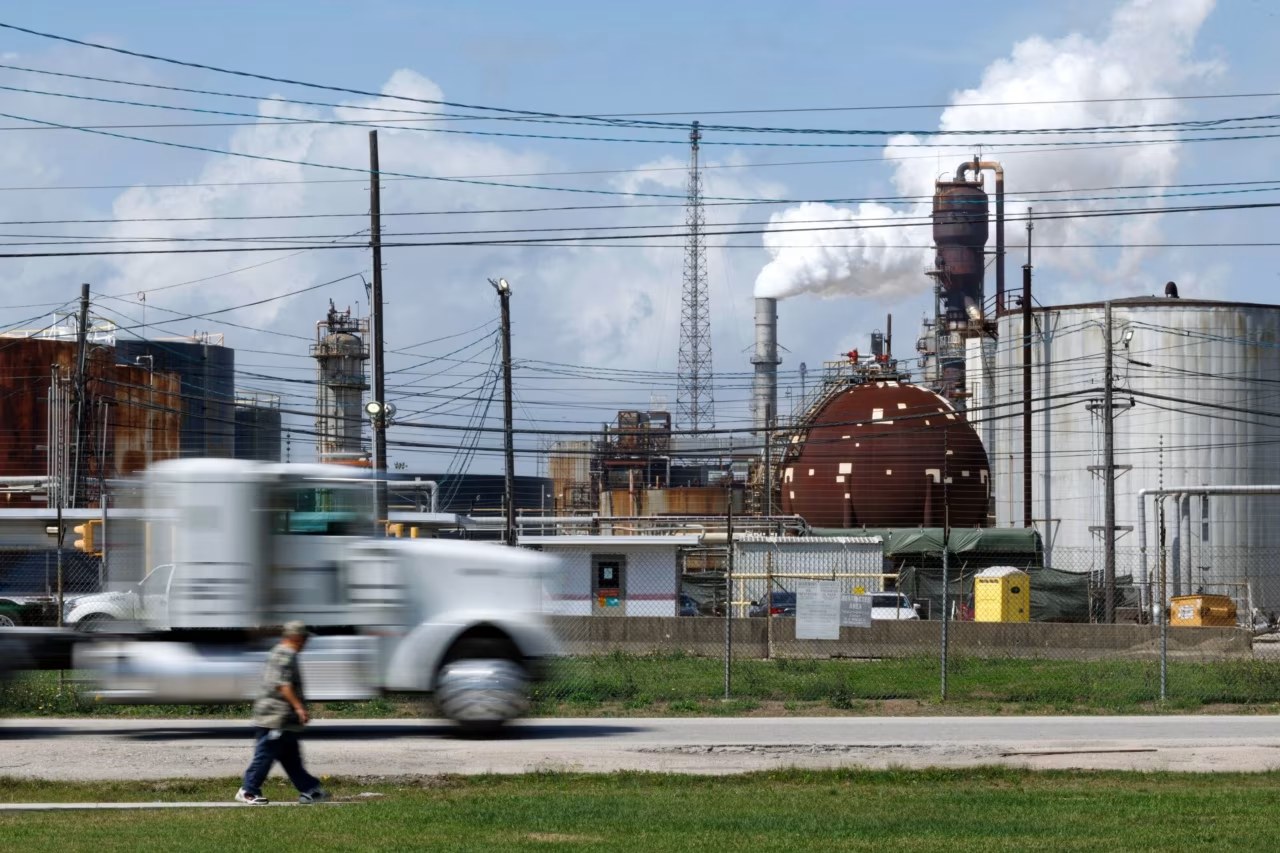
On the same Friday that the Labor Department announced the 92,000‑job loss, oil prices climbed, creating a perfect storm for investors. The Exxon refinery in Baytown, Texas—pictured on March 5—serves as a visual reminder that the energy sector is both a barometer and a driver of economic sentiment. Higher crude prices increase operating costs for manufacturers, raise transportation expenses, and squeeze profit margins across the board.
For consumers, the impact is felt at the pump. Even a modest rise in gasoline costs can shave dollars off household budgets, particularly for lower‑income families that spend a larger share of earnings on fuel. The cumulative effect of higher energy bills and a weakening labor market can dampen consumer confidence, a leading indicator of future spending.
From a historical perspective, oil price spikes have often coincided with market turbulence. In 2008, a rapid increase in crude contributed to the financial crisis by inflating input costs and triggering inflationary fears. While today’s price jump is not as dramatic, the principle remains: rising oil adds a layer of pressure on an economy already grappling with job losses.
The market reaction was swift. Equity indices slipped as investors priced in the dual hit of weaker employment and higher energy costs. Analysts at Bloomberg noted that “the confluence of a bad jobs report and rising oil creates a feedback loop that can exacerbate risk aversion.” This sentiment underscores the Friday economic panic attack’s broader narrative: isolated data points can compound, magnifying fear.
Policy makers watch oil price movements closely because they influence inflation calculations. If higher energy costs feed into the Consumer Price Index, the Federal Reserve may feel compelled to adjust monetary policy sooner than anticipated, a prospect that adds another dimension to the panic.
As the week unfolds, the key question is whether oil prices will stabilize or continue upward. A sustained climb could deepen the Friday economic panic attack, while a pull‑back might offer a brief reprieve for markets.
Equities React: The Market’s Panic Pulse
From Wall Street to Main Street: The ripple effect
Equities fell again on Friday, echoing a pattern that has emerged whenever the labor market disappoints and oil prices rise together. The Dow Jones Industrial Average slipped by roughly 0.8 % after the Labor Department’s release, while the S&P 500 mirrored the decline, signaling that investors are pricing in heightened risk. This downturn is a core component of the Friday economic panic attack, illustrating how quickly sentiment can turn.
Market analysts point to the “risk‑off” behavior as a defensive maneuver. When headlines combine weak employment data with rising commodity prices, portfolio managers often shift from growth‑oriented stocks to defensive sectors such as utilities and consumer staples. The shift was evident in Friday’s trade, where energy stocks rose modestly—benefiting from higher oil—while technology shares fell.
Historically, similar equity pullbacks have followed adverse labor reports. During the early 1990s recession, the Nasdaq experienced a sharp correction after a series of disappointing job numbers, underscoring the link between employment health and market confidence. Though the current numbers are less severe, the psychological impact on investors mirrors past episodes.
The broader implication is that equity volatility can spill over into retirement accounts, pension funds, and even corporate balance sheets. A sustained decline could erode wealth, prompting households to cut back on discretionary spending—a feedback loop that would reinforce the Friday economic panic attack.
Looking ahead, the equity market’s next move will hinge on whether the labor data trend persists and whether oil prices stabilize. A rebound could calm nerves, but further deterioration may cement the panic into a longer‑term market correction.
Washington’s Pessimist Caucus: Politics Meets Markets?
How partisan narratives amplify market anxiety
The Friday economic panic attack would not be complete without a nod to Washington’s pessimist caucus, a group of lawmakers who routinely issue warnings about economic headwinds. On Friday, members of the caucus highlighted the 92,000‑job loss and the oil price surge as proof that “the economy is on a downward trajectory.” Their statements, while politically motivated, add a layer of narrative that can influence investor psychology.
Political rhetoric often frames economic data in a way that aligns with policy goals. In this case, the caucus’s emphasis on job losses supports arguments for fiscal stimulus or regulatory relief, while the focus on oil prices bolsters calls for strategic energy policies. By casting the data as a crisis, the caucus contributes to the perception of a panic, even if the underlying metrics are not unprecedented.
From a historical standpoint, partisan amplification of economic data is not new. During the early 2000s, members of the opposition highlighted manufacturing downturns to argue for tax cuts, a strategy that shaped public perception despite mixed data. The current scenario follows a similar playbook, illustrating how political narratives can magnify market reactions.
The practical implication for markets is that investors must parse raw data from the accompanying political commentary. When the pessimist caucus frames a 92,000‑job loss as a harbinger of recession, risk‑averse investors may overreact, driving down equity prices further and reinforcing the Friday economic panic attack.
For policymakers, the challenge lies in balancing legitimate concerns with measured communication. Overstating the severity of the data could trigger unnecessary market volatility, while underplaying it might erode public trust. The interplay between politics and economics will continue to shape market sentiment in the weeks ahead.
Looking Ahead: Is Panic Justified?
Assessing the risk of a prolonged market slowdown
With the Friday economic panic attack now in public discourse, the central question is whether the current data points—92,000 jobs lost, 69,000 revised gains, and rising oil prices—signal a temporary hiccup or the start of a deeper downturn. The answer hinges on the trajectory of these metrics over the next few weeks.
If February’s job loss proves to be an outlier, and subsequent months show a rebound, the panic may subside, and equities could recover. However, if job losses continue at a similar pace and oil prices remain elevated, the cumulative effect could erode consumer confidence, tighten corporate margins, and trigger a broader market correction.
Historical patterns suggest that sustained job losses combined with commodity price spikes often precede slower growth periods. While the current figures are not as severe as past recessions, the convergence of labor weakness and energy cost pressure is a classic recipe for heightened risk—exactly what the Friday economic panic attack encapsulates.
Policymakers face a delicate balancing act. The Federal Reserve watches inflation metrics closely; a persistent rise in oil‑driven prices could accelerate rate hikes, further tightening financial conditions. Simultaneously, the Treasury may consider targeted fiscal measures to support employment, aiming to dampen the panic’s spread.
Investors, for their part, are likely to remain cautious, favoring defensive sectors and monitoring upcoming data releases. The next Labor Department report, scheduled for early March, will be a crucial gauge of whether the job market is stabilizing or deteriorating further.
In sum, the Friday economic panic attack serves as a reminder that a single day’s data can ignite broader anxieties. Whether those anxieties translate into lasting economic weakness will depend on the interplay of jobs, oil, and policy responses in the weeks ahead.
Frequently Asked Questions
Q: What caused the Friday economic panic attack?
The panic attack stemmed from a combination of a 92,000‑job loss in February, revisions that erased 69,000 jobs from earlier months, and a sharp rise in oil prices that rattled investors.
Q: How did equities react to the mixed data on Friday?
Equities fell again as traders digested the weak labor numbers and higher oil prices, a reaction that amplified concerns about a broader slowdown.
Q: Is a single day of bad data enough to trigger a recession?
A Friday economic panic attack does not automatically signal a recession, but persistent job losses and commodity price spikes can erode confidence and foreshadow deeper problems.
