Two Shocks Threaten Global Food Supply Amid Iran War Fertilizer Shortage
- The Strait of Hormuz closure on Feb. 28 halted Gulf fertilizer exports.
- Missile strikes on Qatar’s Ras Laffan on Mar. 18 stopped LNG feedstock for fertilizer plants.
- FAO warns that a 15% dip in fertilizer availability could raise cereal prices by up to 5%.
- Industry analysts predict a $4 billion revenue loss for major fertilizer producers this year.
When energy pipelines close, the world’s food bowl feels the squeeze.
IRAN WAR—On the first day of the Iran‑Israel conflict, the strategic Strait of Hormuz was effectively sealed, cutting off a vital artery for ammonia‑based fertilizers that feed billions of hectares worldwide. The move was swift, but its ripple effects on agriculture have been slower to surface.
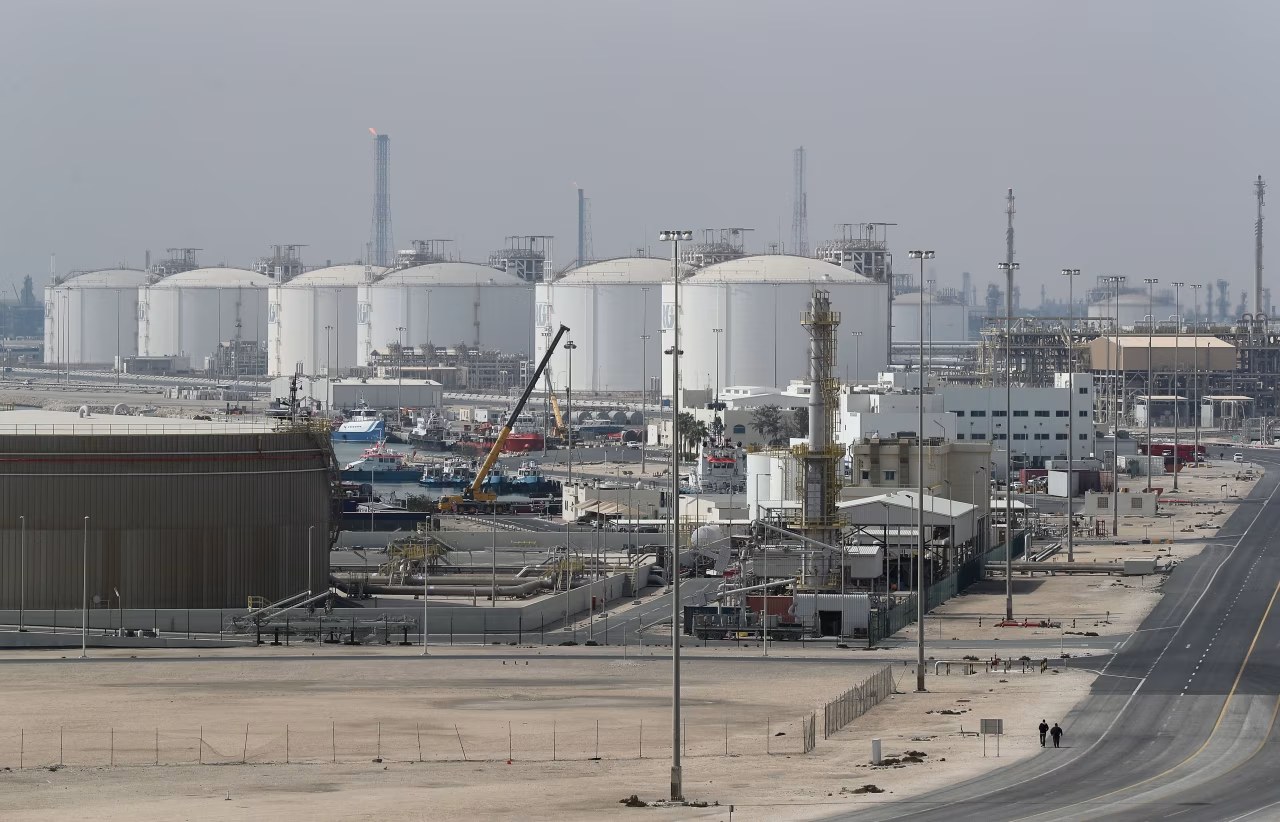
Just three weeks later, Iranian missiles struck Ras Laffan Industrial City in Qatar, the Gulf’s premier liquefied natural gas (LNG) hub. The attack froze the flow of natural‑gas feedstock essential for nitrogen‑fertilizer production, compounding the earlier fertilizer export disruption.
Media coverage has fixated on soaring oil prices, yet the twin disruptions form a perfect storm for the global food system. As the Iran war fertilizer shortage deepens, farmers from the United States to Vietnam may face higher input costs, threatening harvests and consumer wallets alike.
Why Fertilizer Matters: The Hidden Link Between Energy and Food
Fertilizer is the silent engine of modern agriculture, converting sunlight into harvests through nitrogen, phosphorus, and potassium. According to the FAO’s 2022 State of Food and Agriculture report, global fertilizer consumption exceeds 190 million tonnes annually, underpinning roughly 70% of the world’s staple‑crop yields.
From Energy to Crop: The Chemistry of Growth
Most nitrogen fertilizer is derived from natural‑gas‑driven Haber‑Bosch processes. The International Fertilizer Association (IFA) estimates that over 60% of global ammonia production relies on Gulf‑sourced natural gas, prized for its low cost and abundant supply. When that energy source is disrupted, the entire production chain stalls.
“Energy security is inseparable from food security,” says Dr. Elena Mendoza, senior analyst at the IFA, in a briefing last month. “A sustained interruption in natural‑gas feedstock can reduce fertilizer output by 10‑15% within weeks, translating directly into higher crop production costs.”
Historically, spikes in fertilizer prices have preceded sharp rises in food prices. The 2008 food crisis, for instance, was catalyzed by a 70% jump in urea costs, which pushed wheat and rice markets into volatility. Today, the Iran war fertilizer shortage threatens a repeat, but with a more constrained supply chain.
Beyond raw material scarcity, the war also threatens logistics. The closure of the Strait of Hormuz eliminates a primary maritime route for bulk fertilizer shipments, forcing carriers to detour around the Cape of Good Hope—a journey that adds up to 12,000 nautical miles and inflates freight costs by 30%.
For farmers in the United States Midwest, where corn and soybeans dominate, a 10% increase in fertilizer cost could shave off $30 per acre in profit margins, according to a University of Illinois extension study. In developing nations, where profit buffers are thin, the same cost hike could mean reduced planting intensity, directly lowering yields.
As the Iran war fertilizer shortage unfolds, the interplay of energy, geopolitics, and agriculture becomes starkly visible. The next chapters explore how two specific shocks—the Hormuz closure and the Ras Laffan strike—are reshaping the global food landscape.
Understanding this nexus sets the stage for assessing policy responses that could blunt the impact of the shortage on world hunger.
The Strait of Hormuz Closure: Cutting the Fertilizer Lifeline
When Iranian forces effectively sealed the Strait of Hormuz on Feb. 28, they not only halted oil tankers but also blocked the bulk carrier routes that ferry ammonia, urea, and phosphates to markets in Asia, Africa, and Europe. The IFA’s 2023 trade data shows that the Gulf region accounts for roughly 35% of global fertilizer exports, with Saudi Arabia and the United Arab Emirates together shipping over 12 million tonnes of nitrogen‑based products each year.
Shipping Bottlenecks and Price Ripples
“The immediate effect is a supply shock that reverberates through the entire agricultural input market,” explains Dr. Hassan Al‑Mansoor, maritime economist at the University of Dubai. “Freight rates for bulk carriers have jumped by 28% since the closure, and spot prices for urea have risen from $350 to $470 per tonne.”
These price spikes are already reflected in commodity futures. The CME Group’s March nitrogen fertilizer contract closed at a record high of $525 per tonne on March 20, up 15% from the previous week. Such rapid price inflation squeezes margins for fertilizer manufacturers, many of whom operate on thin spreads.
For import‑dependent economies, the impact is immediate. Egypt, the world’s largest wheat importer, sources 40% of its fertilizer from the Gulf. A Bloomberg analysis estimates that the Hormuz shutdown could raise Egypt’s wheat production costs by $12 per metric ton, potentially adding $1.2 billion to its annual food bill.
Beyond economics, the closure threatens food security in vulnerable regions. The United Nations Food Programme (WFP) warns that a sustained fertilizer shortage could push an additional 2 million people into acute hunger by the end of 2024, especially in the Sahel where fertilizer use is already marginal.
Mitigation strategies are limited. While some producers can pivot to alternative feedstocks, the scale of the Gulf’s contribution makes rapid substitution impossible. The long‑term solution may lie in diversifying supply routes, but geopolitical tensions make such realignment a complex, multi‑year endeavor.
As the world watches the Hormuz bottleneck, the next shock—Ras Laffan’s LNG feedstock freeze—promises to deepen the Iran war fertilizer shortage.
How policymakers respond to this maritime choke point will determine whether global food markets can absorb the impending shock.
Ras Laffan Strike: LNG Feedstock Freeze and Its Ripple Effect
On March 18, Iranian missiles struck Qatar’s Ras Laffan Industrial City, the world’s largest LNG export hub. The attack forced an immediate shutdown of several liquefaction units, cutting off a critical feedstock for nitrogen‑fertilizer plants that rely on natural‑gas‑derived hydrogen.
Energy‑Intensive Fertilizer Production Stalls
“Natural gas is the lifeblood of modern fertilizer production,” notes Dr. Aisha Khan, senior researcher at the UN Food Programme. “When a hub like Ras Laffan is compromised, the downstream effect is a rapid contraction of ammonia output, which can drop by 10‑12% within weeks.”
The World Bank’s April 2024 Food Price Watch highlights that a 10% reduction in global ammonia supply could push nitrogen fertilizer prices up by $80 per tonne, translating into a 2%‑3% rise in staple‑crop production costs worldwide.
Qatar’s own Ministry of Industry and Energy reported that the strike halted 2.5 million tonnes of LNG feedstock per month, enough to sustain roughly 30% of global nitrogen‑fertilizer capacity. The loss reverberates across the supply chain: manufacturers in Europe and South America, which source gas from Ras Laffan under long‑term contracts, now face contract breaches and forced renegotiations.
For emerging markets, the impact is stark. Nigeria, a major importer of nitrogen fertilizer, relies on Qatari gas for 25% of its fertilizer imports. The Nigerian Agricultural Development Program estimates a potential shortfall of 200,000 tonnes of fertilizer for the 2024 planting season, risking a 4% dip in millet yields.
While some firms have turned to spot LNG purchases from the United States, the price premium—averaging $12 per MMBtu above contract rates—makes such a shift financially untenable for many low‑margin producers.
In the broader context, the Ras Laffan strike illustrates how energy infrastructure can become a weapon of economic warfare, amplifying the Iran war fertilizer shortage and threatening food stability across continents.
Future chapters will examine how markets are already reacting to these supply constraints and what policy levers remain available.
Can Global Food Markets Absorb the Iran War Fertilizer Shock?
Early market signals suggest that the Iran war fertilizer shortage is already being priced into global food commodities. The Food and Agriculture Organization’s Food Price Index rose 3.2% in March, the sharpest monthly increase since 2022, driven largely by spikes in wheat and corn futures.
Commodity Futures React to Supply Anxiety
“Investors are factoring in a potential 5% reduction in global fertilizer availability, which translates into higher input costs for producers,” says Dr. Luis García, senior economist at the World Bank. “We expect wheat prices to climb another 4‑6% over the next six months if the shortage persists.”
Data from the Chicago Board of Trade shows that March wheat futures closed at $7.85 per bushel, up $0.45 from February. Similarly, corn futures edged higher to $5.70 per bushel, reflecting concerns over higher fertilizer bills for U.S. Midwest growers.
Developing economies feel the pressure acutely. A recent UNCTAD report notes that a 2% rise in fertilizer costs can erode up to 0.5% of GDP in agriculture‑dependent nations, widening the fiscal gap for countries already grappling with debt burdens.
Supply‑chain adaptations are emerging. Some European agribusinesses are stockpiling fertilizer, while others are exploring bio‑fertilizer alternatives. However, bio‑fertilizers currently meet less than 5% of global demand, limiting their immediate impact.
Policy responses are being debated. The International Monetary Fund has urged governments to consider temporary subsidies for fertilizer imports to shield farmers from price volatility. Yet, fiscal constraints and inflation fears make such measures politically contentious.
The trajectory of the Iran war fertilizer shortage will hinge on the duration of the Hormuz closure and the speed of repairs at Ras Laffan. If either bottleneck eases, markets may stabilize; if not, the food price surge could become entrenched.
Understanding these dynamics is essential for policymakers seeking to balance energy security with food affordability.
Historical Precedents: How Past Conflicts Disrupted Food Supply
Geopolitical shocks have repeatedly exposed the fragility of global fertilizer supply chains. During the 1973 Arab oil embargo, the sudden rise in oil prices increased natural‑gas costs, curbing ammonia production and leading to a 12% drop in global fertilizer output. The resulting shortfall contributed to the 1974 food price crisis, which saw cereal prices surge by 30% worldwide.
Lessons from the Gulf War and Beyond
In the 1990‑1991 Gulf War, Iraqi missile attacks on Saudi oil facilities forced a temporary shutdown of several fertilizer plants, prompting a brief but sharp spike in nitrogen‑fertilizer prices. Researchers at the University of Texas documented a 7% increase in U.S. corn production costs during that period, highlighting the direct link between energy‑related disruptions and agricultural expenses.
More recently, the 2019–2020 trade tensions between the United States and China led to tariffs on key fertilizer components, prompting Chinese manufacturers to seek alternative sources in the Gulf. When the pandemic further constrained shipping, the combined effect was a 5% rise in global fertilizer prices, according to a 2021 IFA briefing.
These historical episodes share common threads: reliance on a concentrated set of energy‑intensive feedstocks, limited geographic diversification, and the swift translation of input cost spikes into higher food prices.
Dr. Maria López, professor of agricultural economics at the University of Barcelona, notes, “Each crisis reinforces the lesson that food security is only as strong as the energy and chemical supply networks that support it. The Iran war fertilizer shortage is the latest iteration of a recurring vulnerability.”
By comparing past disruptions, policymakers can anticipate potential fallout and design more resilient supply chains, such as investing in green‑hydrogen‑based fertilizer production that reduces dependence on fossil‑based feedstocks.
As the world confronts the current Iran war fertilizer shortage, these historical insights underscore the urgency of diversifying inputs and building strategic reserves.
The final chapter explores concrete policy pathways to mitigate the looming food security threat.
Policy Paths Forward: Mitigating the Iran War Fertilizer Shortage
Addressing the Iran war fertilizer shortage requires coordinated action across governments, industry, and international agencies. Three primary levers emerge: strategic reserves, diversification of feedstock, and financial safeguards for farmers.
Strategic Fertilizer Reserves
Countries like India and Brazil have begun building strategic fertilizer stockpiles, a practice endorsed by the UN Food Programme. A recent policy brief recommends that major importers maintain a six‑month reserve covering at least 20% of annual fertilizer consumption, which could buffer short‑term supply shocks.
“A reserve acts like an insurance policy for the agricultural sector,” explains Dr. Aisha Khan of the UN Food Programme. “It smooths price volatility and prevents abrupt production cuts during crises.”
Financing these reserves can be sourced from a mix of public funds and private‑sector contributions, with the International Monetary Fund offering low‑interest loans to support such initiatives.
Feedstock Diversification and Green Alternatives
Investing in green‑hydrogen projects offers a long‑term solution. The European Union’s Horizon 2020 program has allocated €2 billion toward hydrogen‑based ammonia plants, aiming to reduce reliance on natural gas. By 2030, green ammonia could supply up to 10% of global fertilizer demand, according to the IEA.
In the short term, expanding the use of phosphorous‑rich rock‑phosphate and bio‑fertilizers can offset nitrogen shortfalls. A 2022 study by the University of Illinois found that integrating bio‑fertilizers reduced nitrogen fertilizer needs by 15% without sacrificing yields.
Financial Safeguards for Farmers
Temporary subsidies or price‑support mechanisms can shield farmers from sudden input cost spikes. The World Bank’s recent recommendation to the G20 includes a “fertilizer price stabilization fund” financed by a modest levy on fertilizer sales, projected to cost $500 million annually.
Such a fund could reimburse farmers for the differential between market and baseline fertilizer prices, preserving planting decisions and preventing acreage reductions.
Implementing these policies demands political will and international cooperation, especially given the geopolitical sensitivities surrounding the Iran war. Nonetheless, the cost of inaction—escalating food prices, heightened hunger, and social unrest—far outweighs the investment required to fortify the fertilizer supply chain.
By learning from past crises and leveraging modern technology, the global community can transform the Iran war fertilizer shortage from a looming disaster into a catalyst for a more resilient, sustainable agricultural future.
The steps taken now will determine whether the world can keep food affordable and abundant despite the ongoing conflict.
Frequently Asked Questions
Q: How does the Iran war affect global fertilizer supplies?
The Iran war disrupts key export routes like the Strait of Hormuz and hits LNG feedstock at Ras Laffan, cutting both raw fertilizer components and the energy needed to produce them, which creates an Iran war fertilizer shortage.
Q: What are the immediate risks to food prices from the fertilizer shortage?
Reduced fertilizer availability raises production costs for staple crops, leading analysts at the World Bank to project a 3%‑5% increase in global food price indices within the next year.
Q: Can alternative sources offset the loss of Gulf fertilizer exports?
While Brazil and Russia can expand output, logistical bottlenecks and higher energy costs mean they can only partially offset the shortfall, leaving a net gap in global fertilizer supply.
📰 Related Articles
- Chabad Donor’s Tribute to Tucker Carlson Highlights Complex Patriotism
- Opinion | Both Iran Hawks and Doves Misjudged Costs of Conflict and Coexistence
- California’s Pain at the Pump Traces Back to a Governance Breakdown, Experts Say
- How Paul Ehrlich’s Defeat in a 1980 Wager Turned the Tide on Population Panic
📚 Sources & References
- Opinion | The Iran War’s Other Energy Shortage—Food
- FAO – State of Food and Agriculture 2022: Fertilizer Use and Food Security
- International Fertilizer Association – Global Fertilizer Trade Statistics 2023
- World Bank – Food Price Watch: April 2024
- UN Food Programme – Impact of Energy Shocks on Agricultural Production
