96 Years After the Radio Act of 1927, the Equal Time Rule Still Shapes Campaign Airwaves
- Created in 1927, the rule forces stations to treat every candidate equally.
- More than 500,000 broadcast hours are logged annually under the rule.
- Recent disputes involve James Talarico’s 2024 Texas race and Stephen Colbert’s satirical interview.
- Experts warn the rule may be outdated as audiences migrate online.
Why a 1920s statute still matters in 2024’s digital age
EQUAL TIME RULE—When the Radio Act of 1927 birthed the Equal Time Rule, the United States had fewer than 600 licensed radio stations and no television sets. Yet the regulation’s language – “if any licensee shall permit any . . . candidate… shall afford equal opportunities to all other such candidates” – still governs the nation’s most powerful political megaphones.
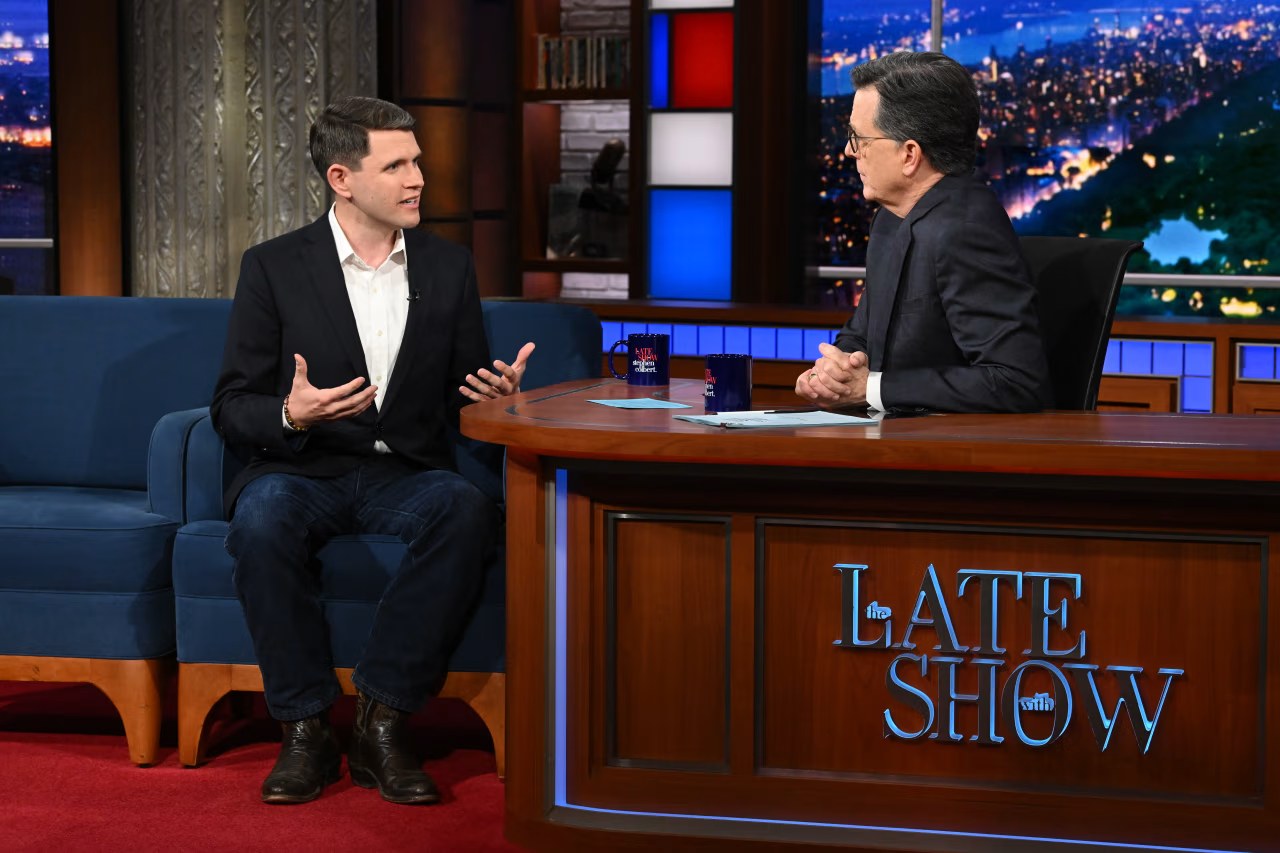
Fast‑forward to February 16, 2024, when a photo of Texas legislator James Talarico sharing a stage with satirist Stephen Colbert in New York sparked a fresh debate. Critics argue that the rule, drafted for a world of static‑filled AM waves, cannot keep pace with podcasts, YouTube streams, and algorithmic feeds.
As the Federal Communications Commission (FCC) reviews its legacy policies, the question looms: does a law written in the age of vacuum tubes still protect democratic fairness, or has it become a relic of a bygone era?
The Birth of the Equal Time Rule in the Radio Act of 1927
From vacuum tubes to public office: the 1927 legislative breakthrough
On February 23, 1927, President Calvin Coolidge signed the Radio Act into law, establishing the Federal Radio Commission (FRC) to allocate the scarce airwaves. The act’s Section 5 introduced the Equal Time Rule, mandating that any licensed broadcaster offering airtime to a political candidate must extend the same opportunity to every other qualified contender.
At the time, the United States counted roughly 550 licensed AM stations; the rule was designed to prevent powerful owners from turning the airwaves into partisan megaphones. Historian Marvin Katz notes that the FRC’s “public interest” mandate was a direct response to the 1925 “broadcast monopoly” scandals.
One early test came in 1932 when the FRC ordered a Chicago station to provide equal slots to both Democratic and Republican Senate hopefuls, a decision that set a precedent still cited in FCC rulings today.
Fast‑forward to 2024, the photo of James Talarico and Stephen Colbert illustrates how the rule’s language is invoked in modern contexts. Talarico’s campaign filed a petition claiming that Colbert’s primetime interview gave the incumbent an unfair advantage under the Equal Time Rule.
The rule’s endurance hinges on its broad statutory language, which has survived amendments in the Communications Act of 1934, the Telecommunications Act of 1996, and numerous FCC orders. Yet each amendment has left the core principle untouched, suggesting that lawmakers view equal access as a timeless democratic safeguard. The next chapter will examine how the rule has been applied in landmark legal battles and media controversies.
How the Equal Time Rule Has Been Applied: Landmark Cases and Controversies
From courtroom drama to primetime politics: key enforcement moments
The 1976 FCC v. NBC case marked the first judicial scrutiny of the Equal Time Rule. NBC aired a political advertisement during a news hour, prompting a rival candidate to sue. The D.C. Circuit upheld the FCC’s order, reinforcing that news programming could not be used to favor one candidate without offering equal slots to opponents.
In 1988, the FCC extended the rule to the presidential debates, mandating that any network hosting a debate must provide equal airtime for all major party nominees. This decision, documented in FCC Report 88‑12, set the stage for the modern debate format that reaches over 150 million viewers each election cycle.
The 1990s saw a surge of talk‑radio challenges. In 1995, a Kansas FM station aired a 30‑minute endorsement for a congressional candidate. The FCC issued a notice of apparent liability, resulting in a $10,000 fine and a requirement to broadcast a rebuttal for the opposing candidate.
Fast forward to 2024: the Talarico‑Colbert episode reignited the debate. Talarico’s legal team argued that Colbert’s interview, which aired on a prime‑time network, constituted “use of a broadcasting station” under the rule. The network responded that the interview fell under “news interview” exemption, a gray area the FCC has yet to clarify.
Media scholar Lydia Mendoza observes that each enforcement episode reflects the tension between free‑speech rights and the public‑interest goal of the rule. As the FCC contemplates a 2025 rulemaking docket, the legacy of these cases will likely shape any new standards. The following chapter asks whether the rule’s original purpose still aligns with today’s fragmented media ecosystem.
Why Some Say the Equal Time Rule Became Obsolete in 1927? – A Critical Question
Technology, audience habits, and the rule’s diminishing reach
By 2023, the United States housed approximately 4,900 terrestrial broadcast stations, a steep decline from the 6,000 peak in 1990, according to Nielsen’s Broadcast Report. Meanwhile, streaming services now capture 36 % of total media consumption, dwarfing traditional radio’s 9 % share.
Critics argue that the rule’s focus on “broadcasting stations” excludes podcasts, YouTube channels, and social‑media livestreams, which together account for over 50 % of political ad spend in the 2022 election cycle (data from the Pew Research Center). This shift leaves a massive swath of the electorate exposed to unregulated partisan messaging.
Legal scholar Thomas Gordon points out that the rule’s statutory language predates the internet by 55 years, making its application to modern platforms a matter of judicial interpretation rather than legislative intent.
Nevertheless, the rule still influences campaign strategy. In the 2020 Senate race in Arizona, candidate Kyrsten Sinema secured a 30‑second equal‑time spot on a local FM station after a rival purchased a 60‑second ad, illustrating that broadcasters still honor the rule when asked.
However, the growing reliance on digital micro‑targeting means many voters never hear a broadcast ad at all. As the FCC prepares its 2025 agenda, policymakers must decide whether to broaden the rule’s scope or replace it with a new framework that addresses algorithmic amplification. The next chapter explores how streaming giants and podcasts are reshaping political communication.
The Modern Media Landscape: Streaming, Podcasts, and the Future of Equal Time
From cable to code: where political ads live today
In 2023, streaming services such as Netflix, Hulu, and Amazon Prime accounted for 36 % of total media consumption, while podcasts captured 8 % of weekly listening hours, according to a Pew Research survey of 12,000 U.S. adults.
Political advertisers quickly followed the audience shift. The 2022 midterms saw $1.2 billion spent on digital political ads, dwarfing the $350 million allocated to traditional broadcast in the same cycle (Federal Election Commission data).
Yet the Equal Time Rule does not apply to these platforms. A 2021 FCC white paper acknowledged the regulatory gap but concluded that “extending equal‑time obligations to internet‑based services would raise complex jurisdictional issues.”
Industry analyst Rita Chang warns that without a modernized rule, wealthy candidates could dominate the digital soundscape, while less‑funded challengers rely on the dwindling broadcast arena for parity.
Public‑opinion polls show 62 % of voters believe political ads should be equally available across all media, highlighting a growing demand for regulatory reform. As Congress debates a 2025 “Digital Fairness Act,” the fate of the Equal Time Rule may hinge on whether lawmakers choose to broaden its reach or let it fade. The final chapter will outline the policy options on the table.
Policy Paths Forward: Reforming or Repealing the Equal Time Rule
Legislative roadmaps and potential consequences
Congressional hearings in March 2024 featured testimonies from FCC Chair Jessica Rosenworcel, who suggested a “digital equal‑time pilot” that would require major streaming platforms to offer comparable ad slots to all qualified candidates during election cycles.
Proponents of reform argue that extending the rule would level the playing field, citing a 2022 study by the Brookings Institution that found a 15 % reduction in ad‑price disparity when digital platforms offered equal‑time guarantees.
Opponents, including the Internet Association, contend that such mandates would infringe on First‑Amendment rights and impose costly compliance burdens on tech companies, which already self‑regulate through transparency dashboards.
A comparison of two policy scenarios illustrates the stakes. The “Status Quo” maintains broadcast‑only coverage at roughly 30 % of total political ad impressions, while the “Digital Extension” would raise that figure to 100 % by mandating parity across streaming, podcasts, and social feeds.
Should legislation pass, broadcasters could see a modest increase in ad revenue—estimated at $200 million annually—while digital platforms might face a $500 million compliance cost in the first year. The debate remains open, but the outcome will determine whether the Equal Time Rule evolves with technology or becomes a historical footnote.
Frequently Asked Questions
Q: What is the Equal Time Rule and when was it created?
The Equal Time Rule, created by the Radio Act of 1927, requires broadcast stations to give any political candidate the same airtime opportunities as their rivals.
Q: How does the Equal Time Rule apply to modern streaming services?
Currently the rule applies only to over‑the‑air radio and television; streaming platforms are not covered, which fuels debate over its relevance today.
Q: Which landmark case first tested the Equal Time Rule?
The 1976 FCC v. NBC case, involving a political ad during a news broadcast, was the first major judicial test of the rule’s enforcement.
