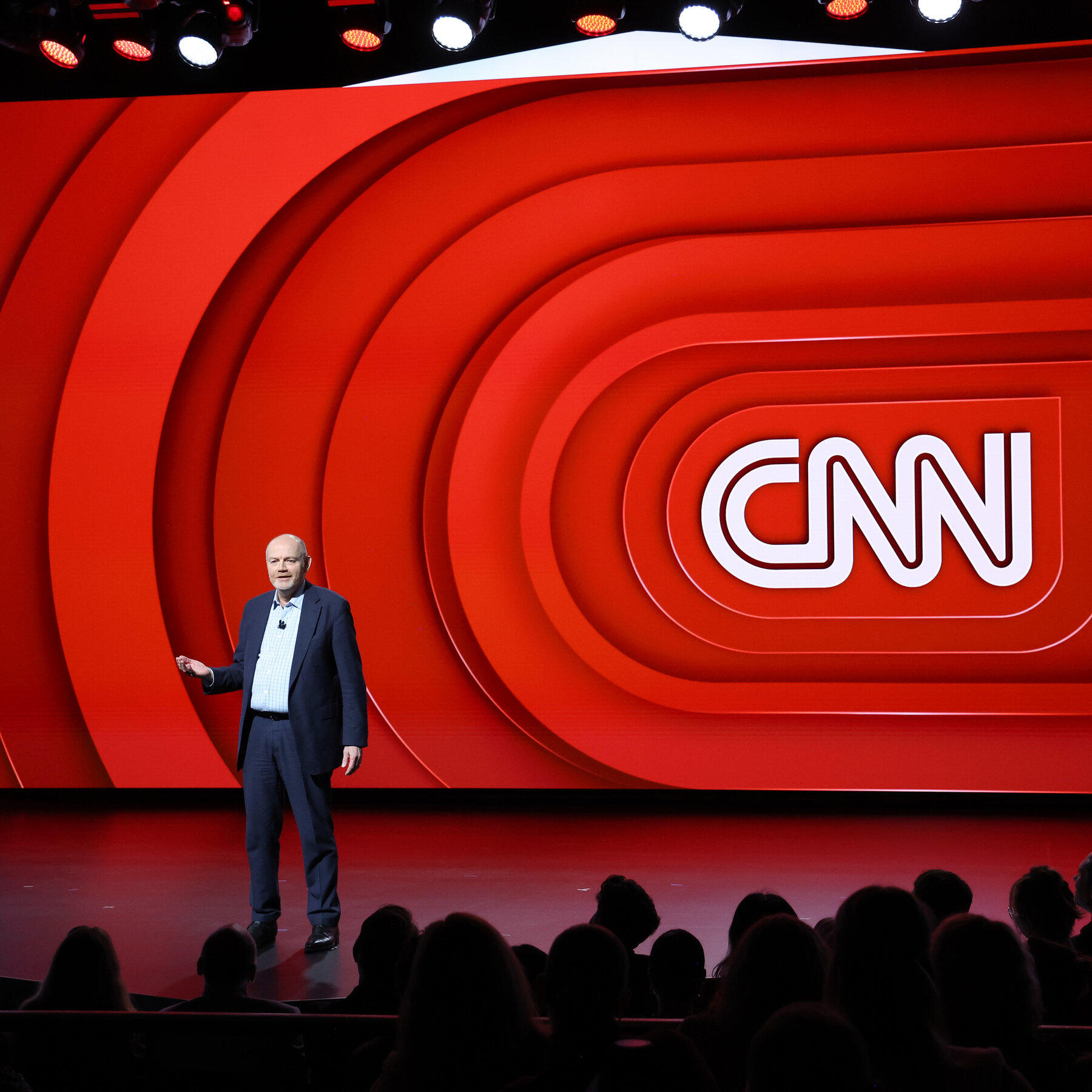
A New Era for CNN: Paramount’s Takeover and the Uncertain Road Ahead
- Paramount’s successful bid for Warner Bros. Discovery sparks concerns about CNN’s editorial independence and future direction.
- The merger could lead to significant changes in CNN’s programming, staffing, and overall strategy.
- As the media landscape continues to evolve, the implications of this takeover will be closely watched by industry insiders and news consumers alike.
Understanding the Impact of the Paramount-Warner Bros. Discovery Merger on CNN
PARAMOUNT—The recent announcement of Paramount’s takeover of Warner Bros. Discovery has sent shockwaves through the media industry, particularly within the CNN newsroom. With Paramount’s apparent victory over Netflix in securing Warner Bros. Discovery, the future of CNN, a subsidiary of Warner Bros. Discovery, is suddenly more uncertain than ever. This merger not only signifies a shift in the balance of power within the media landscape but also raises critical questions about the future of journalism and the role of major networks like CNN.
At the heart of these concerns is the potential impact on CNN’s editorial independence. The network, known for its in-depth coverage and diverse range of perspectives, might face challenges in maintaining its autonomy under new ownership. The fear of potential interference from Paramount in CNN’s content and direction could undermine the network’s credibility and reputation for unbiased reporting.
Furthermore, the merger is likely to trigger significant changes within CNN, ranging from its programming lineup to its staffing and operational strategies. As Paramount seeks to integrate Warner Bros. Discovery into its portfolio, decisions will be made about where resources are allocated, which programs are prioritized, and how the network’s digital presence is expanded or altered. These changes could either invigorate CNN, offering it new opportunities for growth and innovation, or they could compromise its values and mission, leading to a decline in its influence and viewership.
The Background: Understanding the Merger and Its Players
The media industry has witnessed a wave of consolidations in recent years, with companies seeking to bolster their content offerings, expand their reach, and gain a competitive edge in a rapidly evolving market. The Paramount-Warner Bros. Discovery merger is one such move, aimed at creating a media powerhouse that can rival the likes of Netflix and Disney. Paramount, with its rich history in film and television production, sees the acquisition of Warner Bros. Discovery as a strategic move to enhance its streaming capabilities, diversify its content portfolio, and strengthen its position in the global media market.
Warner Bros. Discovery, formed by the merger of WarnerMedia and Discovery, Inc., brings to the table a vast array of assets, including CNN, HBO, Warner Bros. film and television studios, and a significant library of content. The inclusion of CNN, a global news leader, is particularly noteworthy, as it not only expands Paramount’s news coverage capabilities but also presents an opportunity for cross-platform content creation and collaboration.
Netflix, which was also rumored to be in the running for Warner Bros. Discovery, would have brought a different dynamic to the table. As a pure-play streaming service, Netflix’s acquisition of Warner Bros. Discovery would have been seen as a move to bolster its content offerings, particularly in the area of news and non-fiction programming. The loss of this bid to Paramount underscores the competitive nature of the streaming market and the strategic importance of content acquisition in this space.
The implications of this merger for CNN are multifaceted. On one hand, being part of a larger media conglomerate could provide CNN with the resources and support needed to invest in new technologies, expand its global reach, and compete more effectively in the 24-hour news cycle. On the other hand, the integration process could lead to redundancies, both in Terms of personnel and programming, as Paramount looks to streamline operations and eliminate duplication across its various brands.
Moreover, the editorial direction of CNN under Paramount’s ownership is a subject of speculation. Paramount, with its legacy in entertainment, might push CNN towards more entertainment-focused news programming, potentially altering the network’s serious news image. Alternatively, Paramount could take a hands-off approach, allowing CNN to maintain its editorial independence and continue its tradition of in-depth, hard-hitting journalism.
As the media landscape continues to shift, with streaming services becoming increasingly dominant and traditional linear television facing significant challenges, the future of news networks like CNN hangs in the balance. The Paramount-Warner Bros. Discovery merger serves as a reminder of the intense competition and consolidation in the media sector, where companies are continually looking for ways to adapt, evolve, and remain relevant in a rapidly changing environment.
The Impact on Journalism and Media Landscape
The takeover of Warner Bros. Discovery by Paramount and its implications for CNN raise broader questions about the future of journalism and the media landscape. In an era where news consumption habits are changing rapidly, with more people turning to digital platforms for their news, the role of traditional news networks like CNN is being redefined. The ability of these networks to adapt to new technologies, while maintaining their commitment to quality journalism, is crucial for their survival and relevance.
Furthermore, the concentration of media ownership, as seen in the Paramount-Warner Bros. Discovery merger, can have significant implications for media diversity and pluralism. When a few large corporations control a substantial portion of the media landscape, there is a risk of homogenization of viewpoints and a reduction in the diversity of voices and perspectives. This could lead to a lack of critical scrutiny and accountability, as well as a diminished capacity for independent and investigative journalism.
For CNN, navigating these challenges while under new ownership will require careful consideration of its brand values, its relationship with its audience, and its role within the larger media ecosystem. The network must balance the need to innovate and evolve with the imperative to maintain its journalistic integrity and independence. This balance will be crucial in ensuring that CNN continues to serve as a trusted source of news and information, capable of holding those in power accountable and providing a platform for underrepresented voices.
The digital age has also brought about new opportunities for journalism, with the potential for more direct engagement with audiences, greater transparency in the journalistic process, and innovative storytelling formats. However, these opportunities are accompanied by challenges, including the spread of misinformation, the erosion of trust in traditional media sources, and the commercial pressures that can compromise journalistic standards.
In this complex and evolving media environment, the role of regulatory bodies and industry standards becomes increasingly important. Ensuring that media consolidation does not lead to undue concentration of power, protecting the independence of journalistic entities, and promoting media literacy among the public are all critical tasks. Moreover, supporting independent and public service media, which can provide a counterbalance to commercial interests and offer a diverse range of perspectives, is essential for maintaining a healthy and vibrant media ecosystem.
Ultimately, the future of CNN and the broader implications of the Paramount-Warner Bros. Discovery merger for journalism and the media landscape will depend on how these challenges and opportunities are navigated. As the media industry continues to undergo significant transformation, the commitment to quality, independent journalism, and the promotion of media diversity and pluralism will be paramount.
The Role of Streaming Services in Shaping the Future of Media
The rise of streaming services has revolutionized the way people consume media, offering unparalleled convenience, flexibility, and choice. Platforms like Netflix, Disney+, and HBO Max have not only changed how we watch television and films but have also transformed the way content is produced, distributed, and marketed. The competition among these services for subscribers and talent has driven innovation, with many platforms investing heavily in original content and seeking to differentiate themselves through unique offerings and exclusive deals.
For news networks like CNN, the streaming revolution presents both opportunities and challenges. On one hand, streaming platforms offer new avenues for reaching audiences and expanding global reach. CNN can leverage these platforms to distribute its content more widely, engage with viewers in new ways, and develop targeted, niche programming that caters to specific interests. The ability to offer on-demand news, allowing viewers to access content at their convenience, is particularly appealing in an era where traditional linear viewing habits are declining.
On the other hand, the shift towards streaming underscores the need for CNN and other news networks to adapt their business models and content strategies. In a world where viewers can choose from a vast array of programs and news sources, standing out and maintaining relevance becomes increasingly difficult. News networks must invest in digital technologies, develop compelling and interactive content, and build strong online communities to remain competitive.
The Paramount-Warner Bros. Discovery merger, with its focus on bolstering streaming capabilities, highlights the strategic importance of these platforms in the future of media. As streaming continues to grow and evolve, it will play an even more significant role in shaping the media landscape, influencing how content is created, distributed, and consumed. For CNN, successfully navigating this shift will be crucial, requiring a deep understanding of audience preferences, technological trends, and the competitive dynamics of the streaming market.
Moreover, the integration of CNN into Paramount’s streaming strategy could lead to new and innovative ways of presenting news and information. Paramount, with its extensive library of content and production capabilities, could support CNN in developing more immersive, engaging, and interactive news experiences. This could range from virtual reality news segments to interactive documentaries, offering viewers a more dynamic and participatory approach to news consumption.
However, this integration must be balanced with the need to maintain CNN’s journalistic integrity and independence. The network’s ability to produce high-quality, unbiased news content, free from commercial or political interference, is essential for its credibility and trustworthiness. As the media landscape continues to evolve, the tension between commercial pressures and journalistic principles will remain a critical challenge, not just for CNN, but for the entire news industry.
Navigating the Future: Challenges and Opportunities for CNN
As CNN looks to the future under the ownership of Paramount, it faces a complex mix of challenges and opportunities. The network must navigate the changing media landscape, characterized by the rise of streaming services, the evolution of consumer habits, and the increasing importance of digital technologies. At the same time, CNN must maintain its commitment to quality journalism, protect its editorial independence, and continue to serve as a trusted source of news and information for its global audience.
One of the immediate challenges for CNN will be integrating into the Paramount family of brands, which includes a diverse range of media assets, from film and television studios to streaming services and publishing divisions. This integration will require careful management, as CNN seeks to leverage the resources and expertise of its new parent company while preserving its distinct identity and journalistic mission.
Furthermore, CNN will need to adapt its content and distribution strategies to meet the changing needs and preferences of its audience. This could involve investing in new formats and platforms, such as podcasts, social media, and online video, to reach younger viewers and expand its digital presence. It may also require rethinking traditional programming schedules and news formats to better align with the on-demand nature of streaming services.
The opportunity for collaboration with other Paramount brands and assets could also be a significant advantage for CNN. By working together with film and television producers, CNN could develop new and innovative forms of storytelling, combining the immediacy of news with the narrative depth of scripted programming. This could not only enhance the network’s content offerings but also provide new ways to engage audiences and build loyalty.
Despite these opportunities, the future of CNN is not without its risks and uncertainties. The merger with Paramount could lead to significant changes in the network’s leadership, staffing, and operations, which could impact its culture and journalistic values. The risk of interference from Paramount in CNN’s editorial decisions and content is also a concern, as the network seeks to maintain its independence and credibility in the face of commercial pressures.
Ultimately, the success of CNN in navigating its future under Paramount’s ownership will depend on its ability to balance these competing demands and priorities. By maintaining its commitment to quality journalism, adapting to the changing media landscape, and leveraging the opportunities presented by its new ownership, CNN can continue to thrive as a leading global news network, providing critical information, analysis, and insight to audiences around the world.
Conclusion: The Future of CNN and the Media Landscape
The merger between Paramount and Warner Bros. Discovery, and its implications for CNN, serves as a reminder of the dynamic and often unpredictable nature of the media industry. As companies consolidate, technologies evolve, and consumer habits change, the media landscape is undergoing a profound transformation, with significant implications for how news is produced, distributed, and consumed.
For CNN, the future under Paramount’s ownership presents both challenges and opportunities. The network must navigate the complexities of integration, while maintaining its editorial independence and commitment to quality journalism. It must also adapt to the changing media landscape, investing in new technologies, formats, and platforms to remain relevant and competitive.
The broader implications of this merger for the media landscape are equally significant. The concentration of media ownership, the rise of streaming services, and the evolving role of traditional news networks all pose critical questions about the future of journalism and the distribution of information. As the media industry continues to evolve, it will be essential to protect the principles of journalistic integrity, promote media diversity and pluralism, and ensure that the public has access to a wide range of high-quality news sources.
Ultimately, the future of CNN and the media landscape will be shaped by a complex interplay of technological, economic, and societal factors. As we look to the future, it is clear that the media industry will continue to face significant challenges and opportunities, requiring adaptability, innovation, and a deep commitment to the principles of quality journalism.
