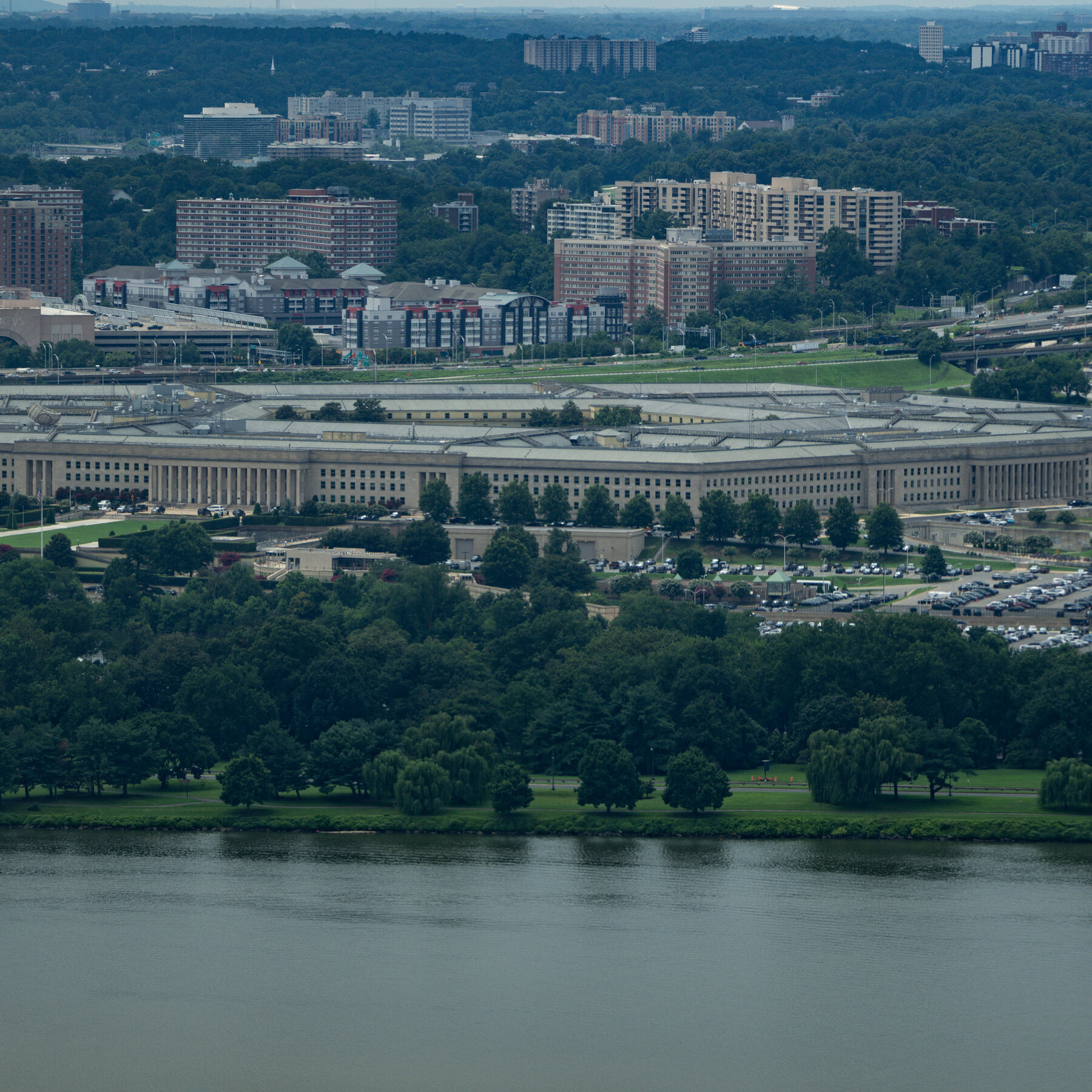
Pentagon-Anthropic Standoff: The Future of A.I. in Warfare Hangs in the Balance
- The Pentagon and Anthropic are locked in a contract dispute that could determine the course of A.I. development for national security.
- The standoff reflects a deeper clash over the role of A.I. in warfare and who should decide on safeguards.
- The outcome will have significant implications for the future of warfare, international relations, and global security.
A New Era of Warfare: The Intersection of A.I. and National Security
ARTIFICIAL INTELLIGENCE—The use of artificial intelligence in warfare is no longer a topic of speculation but a rapidly evolving reality. As nations around the world invest heavily in A.I. technologies, the Pentagon finds itself at the forefront of this revolution, navigating the complex landscape of A.I. development and deployment. At the heart of this journey is a critical contract dispute with Anthropic, a leading A.I. company, which has brought to the forefront the question of who decides on the safeguards for A.I. used in national security.
This dispute is more than just a contractual issue; it represents a crossroads in how A.I. will be integrated into military operations. The Pentagon’s stance on A.I. development and deployment reflects a broader strategy aimed at leveraging technology to enhance national security. However, concerns about the ethics, safety, and potential misuse of A.I. in warfare have introduced a layer of complexity that requires careful consideration.
As the standoff between the Pentagon and Anthropic continues, the world watches with keen interest. The outcome of this dispute will not only influence the trajectory of A.I. development in the United States but also send a signal to other nations about the standards and ethics of using A.I. in warfare. This is a moment that will define the future of warfare and set precedents for international cooperation and competition in the age of A.I.
The Evolution of A.I. in Warfare
The integration of A.I. into military operations is not a new concept. For decades, militaries around the world have explored the potential of A.I. to enhance their capabilities, from intelligence gathering to weapon systems. However, the current pace of A.I. development and its potential applications have brought about a new era in warfare. A.I. systems can now process vast amounts of data, learn from experiences, and make decisions at speeds and scales that human operators cannot match.
One of the most significant applications of A.I. in warfare is in the realm of autonomous weapons. These are systems that can select and engage targets without human intervention, raising both the potential for more precise and efficient military operations and ethical concerns about the delegation of life-and-death decisions to machines. The Pentagon has been investing in the development of such systems, seeing them as a critical component of future warfare.
Despite the potential benefits, the development and deployment of autonomous weapons have sparked a global debate. There are concerns about the potential for these weapons to be used in ways that violate international humanitarian law, such as attacking civilians or causing unnecessary harm. The lack of transparency and accountability in the decision-making processes of A.I. systems further complicates these issues.
The contract dispute between the Pentagon and Anthropic reflects these broader challenges. Anthropic, as a leading A.I. developer, has been working with the Pentagon on projects aimed at enhancing national security through A.I. However, the company’s insistence on certain safeguards and transparency measures has led to a standoff. This standoff is not just about contractual terms but about the principles that will guide the development and use of A.I. in warfare.
As the world moves forward into an era where A.I. will play an increasingly significant role in warfare, the need for clear guidelines, regulations, and international agreements becomes more pressing. The Pentagon-Anthropic dispute serves as a catalyst for these discussions, highlighting the need for a balanced approach that leverages the potential of A.I. while mitigating its risks.
The Ethics of A.I. in Warfare
The ethical considerations surrounding the use of A.I. in warfare are complex and multifaceted. On one hand, A.I. systems can potentially reduce the risk of casualties by allowing for more precise and controlled military operations. They can also help in minimizing collateral damage by identifying and avoiding civilian targets. However, the same technologies also raise profound questions about accountability, transparency, and the potential for A.I. systems to make decisions that are morally or legally questionable.
At the heart of these ethical considerations is the issue of autonomy. Autonomous weapons systems, which can select and engage targets without human intervention, challenge traditional notions of warfare and accountability. International humanitarian law requires that distinction be made between military targets and civilians, and that attacks be proportionate to the military advantage anticipated. The question remains as to whether A.I. systems can reliably make these distinctions and adhere to these principles.
The role of human oversight and control in A.I.-driven military operations is another critical ethical concern. While A.I. can process information and react faster than humans, the absence of human judgment and empathy in decision-making processes can lead to outcomes that are morally unacceptable. The need for human oversight, therefore, becomes a critical safeguard, ensuring that A.I. systems operate within ethical and legal boundaries.
The dispute between the Pentagon and Anthropic touches on these ethical considerations, particularly in regards to the level of human oversight and the safeguards that should be in place for A.I. systems used in warfare. Anthropic’s stance on these issues reflects a broader concern within the A.I. development community about the responsible use of A.I. and the need for transparent and accountable decision-making processes.
Ultimately, the ethical implications of A.I. in warfare require a comprehensive and international response. The development of norms, laws, and regulations that guide the use of A.I. in military operations is essential to ensuring that the benefits of A.I. are realized while minimizing its risks. The Pentagon-Anthropic standoff serves as a call to action, highlighting the urgency of addressing these ethical challenges before A.I. becomes even more deeply embedded in the conduct of warfare.
Global Implications and International Cooperation
The implications of the Pentagon-Anthropic standoff extend far beyond the United States, reflecting a global challenge in the use of A.I. in warfare. As countries around the world invest in A.I. technologies for military applications, the international community is faced with the task of establishing norms and standards that can guide the development and use of these technologies. The dispute between the Pentagon and Anthropic highlights the need for international cooperation and agreement on the principles that should govern the use of A.I. in warfare.
One of the key challenges in achieving international cooperation is the diversity of perspectives and interests among nations. Some countries may view A.I. as a critical component of their military modernization and strategic deterrence, while others may be more cautious due to concerns about ethical and legal implications. This divergence in views complicates the process of establishing universally accepted norms and standards for A.I. in warfare.
Despite these challenges, there are signs of movement towards international dialogue and cooperation. Discussions within the United Nations and other international forums have begun to address the issues surrounding A.I. and warfare, with a focus on establishing principles that can mitigate the risks associated with A.I. systems. The development of international law and norms in this area is seen as crucial to preventing the misuse of A.I. and ensuring that its benefits are realized in a way that is consistent with humanitarian principles and international law.
The Pentagon-Anthropic dispute serves as a catalyst for these international discussions, underscoring the need for a concerted effort to address the challenges posed by A.I. in warfare. As the world navigates this new landscape, the importance of cooperation, transparency, and the establishment of clear norms and standards cannot be overstated. The future of warfare and global security depends on the ability of nations to come together and forge a common path forward, one that balances the potential of A.I. with the need to protect humanity and uphold international law.
Ultimately, the resolution of the Pentagon-Anthropic standoff will be a decisive moment in the journey towards this future. Whether through a renewed contract that reflects a commitment to ethical principles and international norms, or through the establishment of new guidelines and regulations that govern the use of A.I. in warfare, the outcome will set a precedent for how A.I. is developed and used in military operations. The world watches with anticipation, knowing that the decisions made today will shape the course of warfare and international relations for generations to come.
A Path Forward: Balancing A.I. Development with Ethical Considerations
As the Pentagon and Anthropic navigate their dispute, the broader community of A.I. developers, policymakers, and international stakeholders must also consider the path forward. Balancing the development and use of A.I. in warfare with ethical considerations is a complex task, requiring a multifaceted approach that addresses the technical, legal, and ethical dimensions of A.I. systems.
Firstly, there is a need for transparency and accountability in A.I. development and deployment. This includes ensuring that A.I. systems are designed with built-in safeguards, that their decision-making processes are understandable, and that there are mechanisms for human oversight and intervention when necessary. Transparency is also crucial in regards to the data used to train A.I. systems, ensuring that it is free from bias and represents a diverse range of scenarios and contexts.
Secondly, international cooperation and the development of norms and standards for A.I. in warfare are essential. This requires a concerted effort from nations around the world to establish principles that can guide the use of A.I., ensuring that its benefits are realized while minimizing its risks. International law and norms should be developed and agreed upon to provide a framework for the development, deployment, and use of A.I. systems in military operations.
Thirdly, the ethical implications of A.I. in warfare must be addressed through a comprehensive and ongoing dialogue. This involves not just policymakers and A.I. developers but also ethicists, legal scholars, and representatives from civil society. The goal should be to establish a consensus on the ethical principles that should guide the use of A.I. in warfare, and to ensure that these principles are reflected in the development and deployment of A.I. systems.
Finally, there is a need for continuous monitoring and evaluation of A.I. systems as they are developed and used in military operations. This includes assessing their performance, identifying any unforeseen consequences, and making adjustments as necessary to ensure that A.I. systems operate within established ethical and legal boundaries.
The path forward for A.I. in warfare is fraught with challenges, but it also presents opportunities for innovation, cooperation, and the advancement of humanitarian principles. As the Pentagon and Anthropic work towards a resolution, their actions will be watched closely, not just for their immediate impact but for the precedent they set for the future of A.I. in warfare. The world is at a crossroads, and the decisions made today will shape the course of history for generations to come.
Conclusion: A New Era for Warfare and International Relations
The standoff between the Pentagon and Anthropic over the use of A.I. in warfare marks a significant moment in the evolution of modern warfare. It reflects a broader challenge that the international community must address: how to balance the potential benefits of A.I. with the need to ensure that its development and use are guided by ethical principles and legal norms.
The dispute is not just about a contract or the specifics of A.I. technology; it is about the future of warfare and the kind of world we want to live in. The decisions made today about A.I. will have far-reaching consequences, influencing not just the conduct of warfare but also the nature of international relations and global security.
As nations and international organizations navigate this new landscape, they must prioritize cooperation, transparency, and the establishment of clear norms and standards for A.I. in warfare. The development of A.I. should be guided by a commitment to humanitarian principles, international law, and the protection of human rights. The future of warfare and international relations depends on the ability of the global community to come together and forge a common path forward, one that harnesses the potential of A.I. while safeguarding humanity and promoting peace and stability.
The world is entering a new era, one in which technology will play an increasingly significant role in shaping the course of human history. The use of A.I. in warfare is just the beginning, and how we navigate this challenge will set a precedent for how we address the broader implications of emerging technologies. The Pentagon-Anthropic standoff is a wake-up call, a reminder of the need for vigilance, cooperation, and a commitment to ethical principles as we embark on this journey into the unknown.
Ultimately, the future of A.I. in warfare will be decided by the choices we make today. It is a future that holds great promise but also significant risks. As we move forward, it is crucial that we prioritize dialogue, cooperation, and the establishment of norms and standards that can guide the development and use of A.I. in a way that promotes peace, stability, and the protection of humanity. The journey ahead will be complex and challenging, but together, we can create a future where the benefits of A.I. are realized, and its risks are mitigated.
