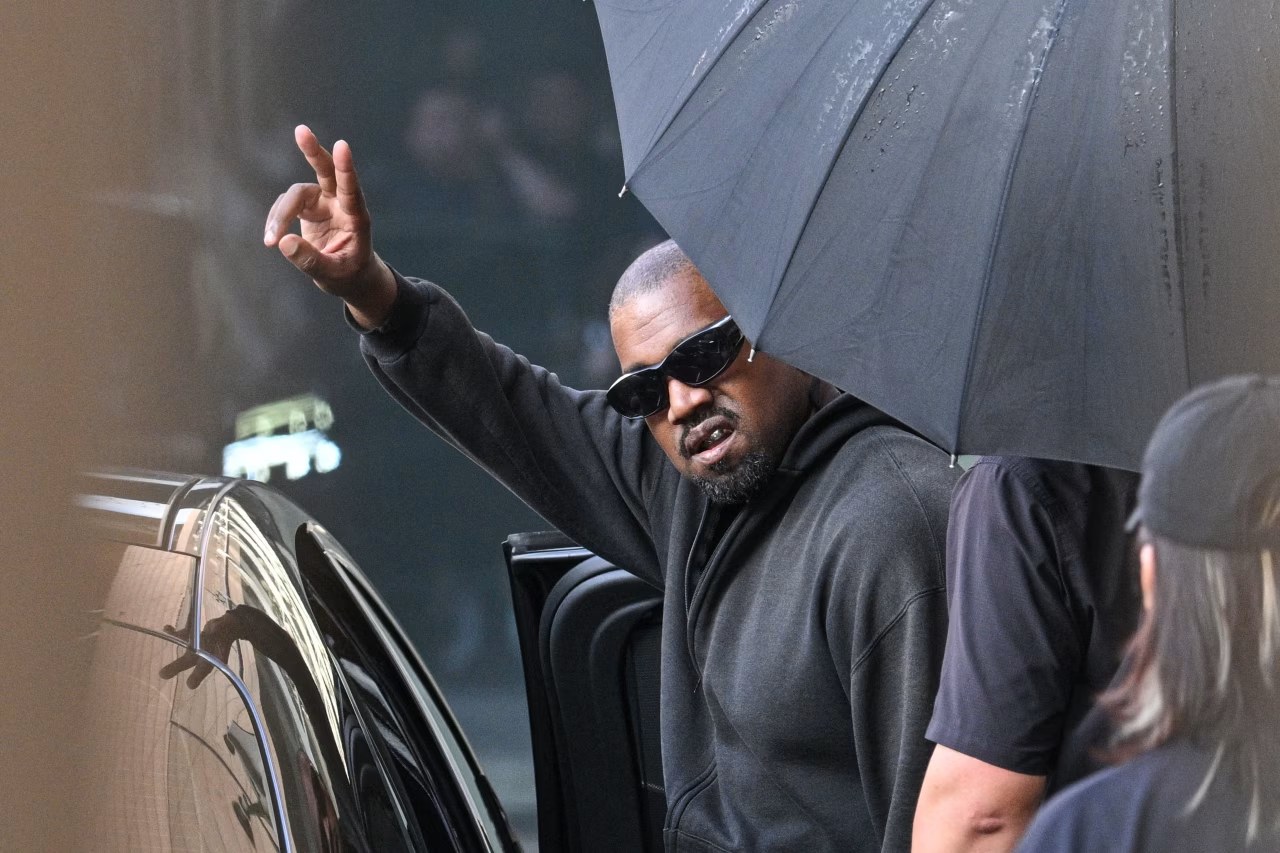
PepsiCo Withdraws Sponsorship from Wireless Festival Over Kanye West’s Controversial Remarks
- PepsiCo has rescinded its sponsorship of the Wireless Festival.
- The festival was set to feature Kanye West, also known as Ye, as its headline performer.
- West’s booking followed a series of controversial statements, including praise for Adolf Hitler and Holocaust denial.
- This decision reflects a broader corporate trend of distancing from figures embroiled in public scandal.
Corporate sponsorships are increasingly scrutinized for their association with public figures.
PEPSICO—In a swift and decisive move, PepsiCo has pulled its sponsorship from the upcoming Wireless Festival in London. The decision, announced recently, comes as the festival faced mounting pressure over its booking of Kanye West—who now goes by the name Ye—as its headline performer. This action underscores the delicate balance corporations must strike between brand association and public perception, especially when partnering with high-profile personalities known for controversy.
The festival, slated for July at London’s iconic Finsbury Park, had announced Ye as its marquee act just the previous week. His inclusion ignited immediate debate, particularly given his recent public statements. These remarks have included deeply offensive comments such as praising Adolf Hitler, questioning the historical reality of the Holocaust, and controversially framing slavery as a ‘choice.’
PepsiCo’s decision to disassociate from the event signifies a recognition of the reputational risks associated with such endorsements. As corporate responsibility and ethical alignment become paramount for consumers and stakeholders, brands are increasingly vigilant about the values and statements of the individuals they associate with, even indirectly through event sponsorships. This situation highlights the magnified impact of celebrity statements in the digital age, where controversial remarks can rapidly escalate into widespread public backlash and corporate crises.
The High Stakes of Celebrity Sponsorships
Corporate alignment in the spotlight
The decision by PepsiCo to withdraw sponsorship from the Wireless Festival, headlined by Kanye West (Ye), sends a clear signal about the evolving landscape of corporate brand partnerships. In recent years, companies have become acutely aware that their sponsorships extend beyond mere brand visibility; they represent an implicit endorsement of the sponsored individual or event’s values. Ye’s history of controversial remarks, which have included praise for Adolf Hitler and denying the Holocaust, created an untenable situation for a global brand like PepsiCo, which aims for broad consumer appeal and positive brand association.
Historically, celebrity endorsements were primarily driven by reach and popularity. However, the proliferation of social media and the 24/7 news cycle mean that controversies can erupt and spread with unprecedented speed and intensity. As such, brands are now far more proactive in risk assessment, employing rigorous vetting processes for talent and events. A study by the Harvard Business Review in 2023 highlighted that 70% of consumers consider a brand’s social and environmental impact when making purchasing decisions, amplifying the need for careful vetting in sponsorship deals. PepsiCo’s action aligns with this trend, prioritizing reputational integrity over the potential audience reach that Ye might have offered.
The impact of such associations can be profound. According to a report by Nielsen, a brand’s reputation is significantly influenced by the controversies surrounding its celebrity endorsers. A negative association can lead to consumer boycotts, decreased sales, and long-term damage to brand equity. For PepsiCo, which has a diverse portfolio ranging from beverages to snacks, maintaining a broad and positive market image is crucial. The withdrawal from the Wireless Festival, therefore, appears to be a strategic move to mitigate potential damage and reaffirm its commitment to generally accepted societal values, thereby protecting its bottom line and consumer trust. The situation also sets a precedent for how other brands might navigate similar challenges in the future, emphasizing a more cautious and value-driven approach to sponsorship in the entertainment sector.
Navigating Ye’s Controversial Statements and Market Impact
A pattern of problematic pronouncements
Kanye West, now known as Ye, has been at the center of public attention for reasons extending far beyond his music and fashion ventures. His recent public statements have included deeply offensive remarks, such as praising Adolf Hitler, denying the Holocaust, and controversially stating that slavery was a “choice.” These comments, disseminated rapidly across social media platforms, have drawn widespread condemnation from civil rights organizations, public figures, and the general public alike. For a global consumer goods giant like PepsiCo, associating with such statements, even indirectly through festival sponsorship, carries significant brand risk.
The implications of Ye’s statements are not merely social; they have tangible economic consequences for brands. A 2022 survey by Sprout Social indicated that over 50% of consumers have stopped using a brand due to its association with a controversial public figure. This reality forces major corporations to carefully evaluate their partnerships. PepsiCo’s decision to withdraw sponsorship from the Wireless Festival, where Ye was slated to headline, reflects this heightened awareness of potential market backlash. The festival, scheduled for July in London, faced immediate scrutiny upon announcing Ye’s headlining role, prompting PepsiCo’s swift disengagement.
The economic ramifications can be far-reaching, impacting not just immediate sales but long-term brand loyalty. Companies like Adidas, a former major partner of Ye’s Yeezy brand, eventually terminated their relationship in October 2022, citing his antisemitic remarks. This move came after significant public pressure and a reported decline in consumer sentiment towards the brand’s association with the artist. The Wireless Festival scenario, therefore, is emblematic of a broader industry trend where brands are compelled to make difficult decisions to protect their market standing and consumer trust, even if it means forfeiting a high-profile association. This careful calibration of risk versus reward is becoming a defining characteristic of modern corporate sponsorship strategy.
Why Did PepsiCo Drop Wireless Festival Sponsorship?
Brand integrity over celebrity association
PepsiCo’s withdrawal of sponsorship from the Wireless Festival is a direct response to the controversy surrounding its headlining artist, Kanye West (Ye). The festival, scheduled for July in London, found itself in a precarious position after Ye’s repeated controversial statements, including praise for Adolf Hitler and Holocaust denial. For PepsiCo, a company with a global reach and a commitment to inclusivity, continued association with an event featuring an artist making such abhorrent remarks was deemed too high a reputational risk. This decision aligns with a growing trend of corporate brands prioritizing ethical considerations and public perception over association with polarizing figures.
The economic impact of sponsorships is carefully weighed against potential brand damage. A 2023 report by Edelman found that 60% of consumers make purchasing decisions based on a brand’s values. By severing ties with the Wireless Festival, PepsiCo signals that its brand values—presumably centered on respect and inclusivity—are non-negotiable. This proactive stance aims to prevent a potential consumer backlash that could have negatively impacted sales and brand loyalty, particularly among demographics that are sensitive to issues of hate speech and historical revisionism. The festival’s organizers now face the challenge of securing new sponsors or proceeding without a major backer.
This situation also highlights the power consumers and advocacy groups wield in influencing corporate behavior. Public outcry and media attention can quickly turn a high-profile sponsorship into a public relations nightmare. As such, companies like PepsiCo are increasingly adopting a ‘brand safety’ approach to their marketing and sponsorship activities. This involves not only vetting the direct associations but also considering the broader implications and potential controversies that might arise from their partners or affiliated talent. The withdrawal serves as a stark reminder that in today’s interconnected world, brand reputation is a fragile asset that requires constant vigilance and decisive action to protect.
The Festival’s Future Without a Major Sponsor
Securing future events amidst controversy
The departure of PepsiCo as a sponsor poses a significant challenge for the Wireless Festival organizers. With Ye, formerly known as Kanye West, announced as the headline act, the festival faced immediate scrutiny. The controversy surrounding Ye’s public statements—including praise for Adolf Hitler and denial of the Holocaust—created an environment where major corporate sponsors like PepsiCo felt compelled to withdraw. This leaves organizers needing to either find alternative sponsors willing to associate with the event under its current headliner or potentially rethink the festival’s lineup to attract broader corporate backing.
The financial implications for the festival could be substantial. Sponsorships are a crucial revenue stream for music festivals, helping to cover artist fees, production costs, and marketing expenses. According to data from the International Association of Event Professionals, sponsorships can account for anywhere from 20% to 60% of a festival’s total revenue. Losing a key sponsor like PepsiCo, especially close to the event date, could necessitate budget cuts, impact the overall scale of the festival, or force organizers to seek less prominent, perhaps more risk-tolerant, sponsors. This places additional pressure on the festival’s management to ensure a successful and financially viable event.
Looking ahead, the Wireless Festival’s organizers face a complex decision-making process. They must balance artistic integrity and the appeal of their chosen headliner against the commercial realities of securing sponsorships and ensuring the event’s financial stability. The incident serves as a potent reminder of the interconnectedness of the entertainment industry and the corporate world. As Ye continues to promote his new album, the fallout from these controversies will likely continue to shape brand partnerships and the broader landscape of public endorsements in the music and festival circuit, potentially leading to more stringent vetting processes for artists and events alike in the future.
Frequently Asked Questions
Q: Why did PepsiCo withdraw its sponsorship?
PepsiCo withdrew its sponsorship of the Wireless Festival because the headline performer, Kanye West (Ye), had made highly controversial remarks, including praising Adolf Hitler and denying the Holocaust.
Q: What festival was PepsiCo sponsoring?
PepsiCo was sponsoring the Wireless Festival, a planned music festival scheduled for July at London’s Finsbury Park, which had announced Kanye West as its marquee act.
Q: What were Kanye West’s controversial statements?
Kanye West, who now goes by Ye, has a history of controversies. His recent statements included praising Adolf Hitler, denying the Holocaust, and controversially calling slavery a ‘choice’.
Q: When was Kanye West announced as the headliner?
Kanye West was announced as the marquee act for the Wireless Festival last week, according to reports, as he was also promoting a new album.
