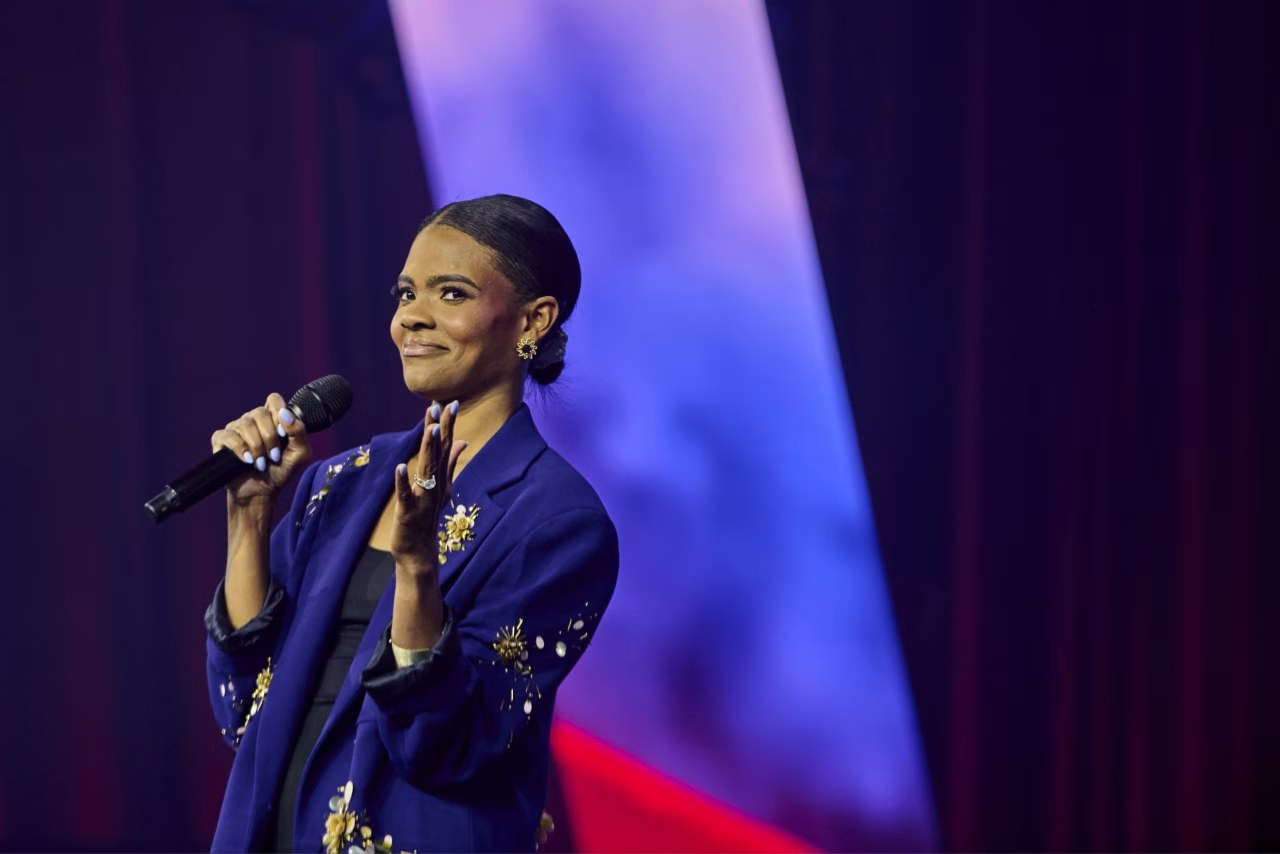
Provocative Podcast Pundits Degrade National Dialogue With Over 100,000 Listeners Tuning Into Divisive Rhetoric
- Influential podcast personalities are sidestepping fact-based debate.
- They cater to audiences seeking moral validation without intellectual effort.
- This fosters a negative feedback loop that increases national divisiveness.
- Constructive dialogue is actively being eroded by this trend.
The digital age has amplified voices that trade in outrage over insight, a trend demonstrably harming public discourse.
NEW YORK—In the burgeoning landscape of audio content, a concerning pattern has emerged: certain prominent podcast personalities are actively choosing to bypass the rigors of considered, fact-based debate. Instead, they opt for a more sensationalist approach, one that often prioritizes inflammatory rhetoric and the stoking of division over genuine intellectual engagement. This deliberate departure from reasoned discourse carries significant implications for the health of the national conversation.
Figures like Tucker Carlson and Candace Owens, frequently cited examples in this domain, exemplify a style of commentary that resonates with specific demographics. These personalities appear to play to an audience that is eager to align with a particular moral stance, but perhaps less inclined to undertake the demanding intellectual labor required for nuanced understanding. The appeal lies in the perceived moral high ground, a position attainable without the challenging process of critical evaluation and deliberation.
This dynamic creates a problematic environment where critical thinking skills are frequently sidelined. The content produced often functions as a self-reinforcing echo chamber, a negative feedback loop that amplifies existing grievances and prejudices. Such an ecosystem, by its very nature, serves primarily to deepen societal divisions rather than bridge them, leaving constructive dialogue increasingly marginalized and impotent in the face of amplified discord.
The Mechanics of Divisive Punditry
The Siren Song of Simplification
The rise of influential podcasters who eschew factual debate for provocative pronouncements is reshaping the intellectual terrain of public discourse. These figures, operating outside the traditional gatekeepers of journalism, have cultivated massive followings by tapping into a potent mix of affirmation and antagonism. As Kimberley A. Strassel noted in a recent commentary, these pundits often refuse to engage in what could be described as considered, fact-based debate. This isn’t merely a difference in opinion; it’s a strategic sidestepping of evidence and reasoned argument in favor of emotionally charged appeals that solidify group identity and opposition to perceived adversaries.
The audience for such content is often characterized by a desire for validation. Many listeners, as Strassel’s analysis suggests, wish to feel morally superior or ideologically aligned without investing the significant intellectual capital required for thorough analysis. This creates fertile ground for what can only be described as ‘astroturf’ commentary – a manufactured sense of consensus or outrage that mimics genuine grassroots movements but is, in fact, carefully curated for maximum impact. The digital platforms on which these podcasts thrive are perfectly suited for this, allowing for rapid dissemination and targeted amplification of their messages to receptive audiences.
The consequence of this approach is a discernible degradation of the national dialogue. When complex societal issues are reduced to soundbites designed to provoke rather than inform, the space for genuine understanding shrinks. Critical thinking, the bedrock of informed citizenship, is actively discouraged in favor of reflexive adherence to pre-approved narratives. This fosters an environment where nuanced perspectives are not just ignored but actively attacked, pushing the discourse further into polarized camps.
This trend is particularly alarming given the scale at which these podcasts operate. Figures like Tucker Carlson and Candace Owens command audiences that number in the millions, providing them with a platform to influence public opinion on a grand scale. Their commentary, while often lacking in substantive analysis, carries weight due to its broad reach and the perceived authenticity of the podcasting format. This creates a powerful engine for division, one that operates with alarming efficiency in the modern media ecosystem.
The implications extend beyond mere political disagreement. When the fundamental tools of critical engagement are set aside, the very fabric of a functioning democracy is weakened. The ability to find common ground, to compromise, and to collectively address challenges relies on a shared understanding of reality, or at least a willingness to engage with differing interpretations of facts. This is precisely what is being eroded by the purveyors of unreasoned, divisive punditry, leaving the national conversation poorer and more fractured.
The Role of Audience Psychology in Amplifying Division
Catering to the Desire for Certainty
The success of provocative podcast personalities is intrinsically linked to a deep understanding of audience psychology. As Kimberley A. Strassel’s observations highlight, these influencers excel at identifying and catering to a segment of the population that seeks intellectual comfort and moral affirmation. The appeal of figures like Tucker Carlson and Candace Owens lies not in their rigorous argumentation, but in their ability to articulate pre-existing grievances and provide listeners with a sense of belonging and righteous certainty. This creates a powerful, albeit artificial, sense of community built on shared opposition rather than shared understanding.
This strategy effectively bypasses the often uncomfortable process of critical thinking. Engaging with complex issues requires acknowledging ambiguity, considering alternative viewpoints, and potentially revising one’s own conclusions. For individuals seeking the moral high ground without the deliberative work, this can be an arduous and unappealing path. Podcasts that offer simple, often black-and-white, narratives that confirm existing biases provide an easier, more gratifying alternative. The ‘negative feedback loop’ described by Strassel is precisely this phenomenon: listeners are continually fed content that reinforces their worldview, and in turn, they share and promote this content, further amplifying its reach and impact within like-minded communities.
The structure of many podcasts further facilitates this echo chamber effect. The conversational format, the personal anecdotes, and the direct address to the listener can foster a sense of intimacy and trust, making the pundit appear as a relatable guide rather than a detached analyst. This perceived authenticity can be a powerful tool for persuasion, allowing divisive messages to be absorbed more readily. When presented in a seemingly informal setting, inflammatory claims may seem less like propaganda and more like candid observations, lowering the audience’s critical defenses.
The implication for national discourse is profound. Instead of fostering an environment where diverse perspectives can be aired and debated constructively, this model exacerbates polarization. It creates distinct information silos where opposing groups consume vastly different ‘truths,’ making dialogue and compromise increasingly difficult. The emphasis shifts from persuasion through reason to mobilization through emotion, a dynamic that is inherently destabilizing for a pluralistic society. The very platforms that could facilitate broad understanding are instead being utilized to deepen societal rifts.
Ultimately, the demand for such content suggests a broader societal appetite for certainty and belonging, which these pundits expertly exploit. By providing readily digestible narratives that confirm biases and rally adherents against perceived enemies, they carve out significant influence. The challenge for a healthy public sphere is to foster an environment that values intellectual humility and rigorous debate over the seductive simplicity of divisive rhetoric, a task that becomes ever more difficult as these platforms grow.
How Punditry Undermines Critical Thinking and Dialogue
The Erosion of Nuance
The pervasive influence of certain podcast pundits who prioritize spectacle over substance poses a direct threat to the foundations of critical thinking and constructive national dialogue. As noted by Kimberley A. Strassel, figures like Tucker Carlson and Candace Owens often steer clear of detailed, evidence-based arguments, opting instead for rhetoric designed to provoke emotional responses and reinforce group identities. This approach, while effective in building large audiences, actively discourages the intellectual rigor necessary for navigating complex societal issues. The result is a national conversation that is increasingly shallow and polarized.
The intellectual climate fostered by such punditry is one that actively suppresses critical thinking. Instead of encouraging listeners to question assumptions, evaluate evidence, and consider diverse perspectives, these personalities often present a curated reality that confirms existing biases. This creates a ‘negative feedback loop,’ where listeners are rewarded for ideological conformity and discouraged from exploring viewpoints that might challenge their established beliefs. As Strassel puts it, critical thinking skills are cast aside in favor of what serves to advance divisiveness, making reasoned debate an increasingly rare commodity.
The impact on dialogue is stark. When public discourse is dominated by those who refuse to engage with factual complexities, the potential for genuine understanding and compromise dwindles. Complex policy debates, for example, are reduced to simplistic slogans and personal attacks, making it difficult for citizens to make informed decisions. This environment is antithetical to the deliberative process required for a healthy democracy, where differing ideas are explored and debated in good faith. The podcasting format, in this context, becomes a powerful engine for entrenching division rather than bridging it.
The sheer reach of these popular podcasts amplifies the problem significantly. Millions of listeners tune in regularly, absorbing narratives that often lack factual grounding and are designed to inflame rather than inform. This widespread dissemination of unreasoned commentary pollutes the information ecosystem, making it harder for individuals to access and trust reliable sources. The ease with which such content can be shared across social media platforms further accelerates its impact, creating viral waves of opinion that can drown out more thoughtful analyses.
Moving forward, fostering a more robust national dialogue requires a concerted effort to counter this trend. This involves not only demanding greater accountability from media platforms and influencers but also equipping citizens with the critical thinking skills needed to discern reasoned arguments from emotionally manipulative rhetoric. Without this, the space for productive conversation will continue to shrink, leaving the nation more divided and less capable of addressing its most pressing challenges.
The Amplification Effect: How Podcasts Drive National Divisiveness
From Niche Opinion to Mainstream Influence
The digital audio landscape has empowered a new breed of commentator, transforming niche opinions into influential national narratives. Podcasters like Tucker Carlson and Candace Owens, often cited for their provocative styles, have leveraged these platforms to cultivate massive followings by sidestepping traditional journalistic standards of evidence and balance. As highlighted in the source commentary, these personalities eschew considered, fact-based debate in favor of rhetoric that readily advances divisiveness. This strategic choice has profound implications for the health of public discourse, turning audio platforms into potent engines of polarization.
The psychological appeal of such content is a key driver of its success. Strassel’s analysis points to an audience that often seeks to occupy a perceived moral high ground without undertaking the demanding intellectual work of critical analysis. This dynamic creates a fertile ground for what can be termed ‘echo chamber punditry.’ Listeners are fed a consistent stream of content that validates their existing beliefs and prejudices, reinforcing their worldview and solidifying their allegiance to the pundit. This self-reinforcing cycle, a ‘negative feedback loop,’ ensures listener engagement and loyalty, but at the cost of intellectual openness and reasoned debate.
The very nature of the podcast medium lends itself to this form of communication. The intimate, often conversational, format can foster a sense of personal connection between the host and listener, enhancing the perceived authenticity and impact of the message. This can make audiences more receptive to emotionally charged claims and less critical of unsupported assertions. Consequently, divisive narratives, when delivered with conviction and apparent sincerity, can gain traction far more rapidly than nuanced, fact-based arguments that require more cognitive effort from the audience.
The scale of this amplification effect is staggering. Popular podcasts command millions of listeners, providing these personalities with a platform to shape public opinion on an unprecedented scale. This reach allows divisive rhetoric to permeate the broader information ecosystem, influencing not just dedicated followers but also contributing to a general coarsening of public discourse. When outrage and simplistic pronouncements become the dominant mode of communication, the space for constructive dialogue, compromise, and collaborative problem-solving inevitably shrinks.
This trend represents a significant challenge to the health of democratic societies. A populace exposed primarily to divisive rhetoric, lacking engagement with fact-based debate, is less equipped to make informed decisions or to find common ground. As these platforms continue to grow in influence, the deliberate erosion of constructive dialogue by provocative pundits will remain a critical issue for those concerned with the future of national discourse, necessitating a greater emphasis on media literacy and critical engagement with audio content.
Frequently Asked Questions
Q: What is the primary criticism of certain podcast pundits?
The main criticism is that these podcast personalities avoid fact-based debate and instead engage in divisive rhetoric. This approach is seen as degrading the national dialogue by prioritizing emotional appeal over reasoned argument.
Q: How do these pundits influence their audiences?
These influencers cater to audiences seeking moral validation without engaging in deep intellectual work. They foster a negative feedback loop, reinforcing existing biases and discouraging critical thinking, thus advancing divisiveness.
Q: What is the impact of this punditry on national discourse?
The constant promotion of divisive and unreasoned arguments leads to the erosion of constructive dialogue. When public discourse relies on emotional appeals rather than facts, the ability to engage in productive conversation about complex issues diminishes significantly.
