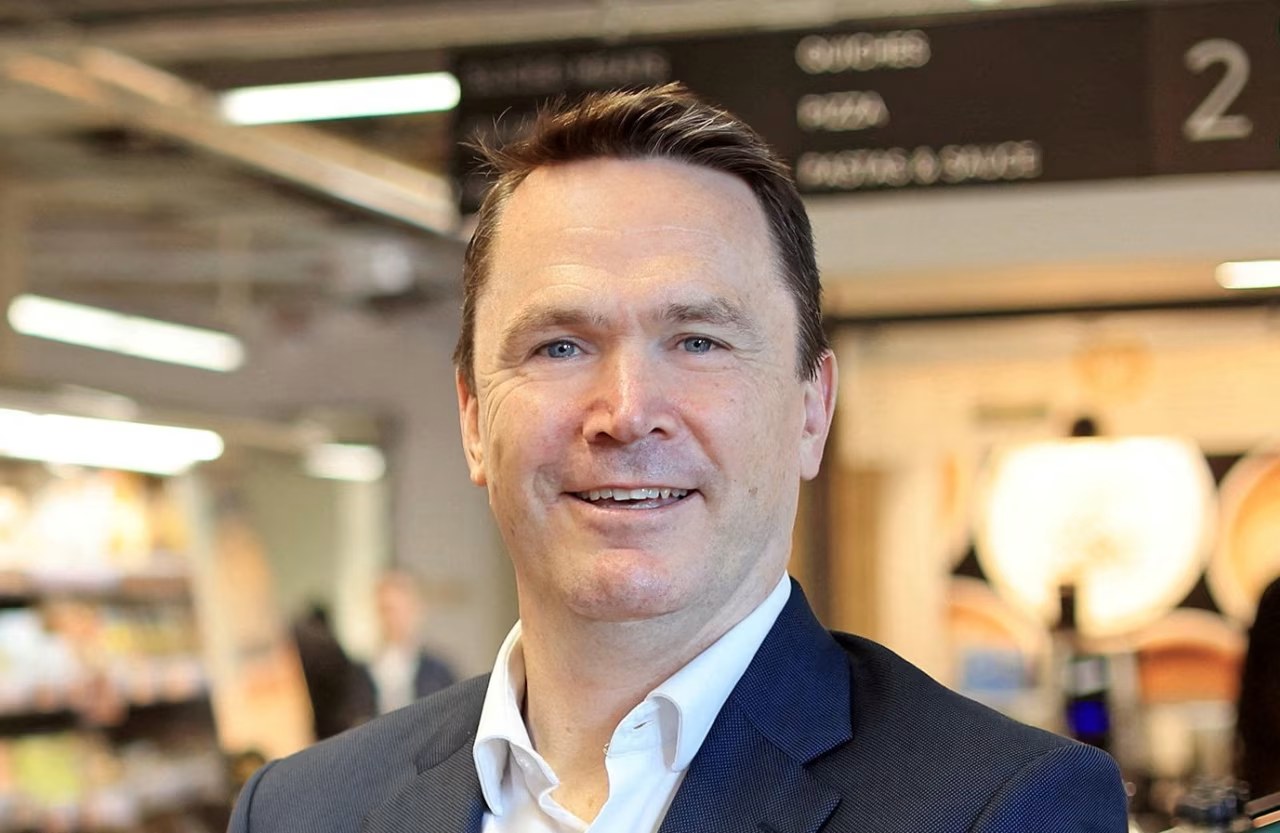
2.7 % quarterly revenue drop drives ABF to install Eoin Tonge as permanent Primark CEO
- Primark revenue fell 2.7 % in the latest fiscal quarter after currency adjustments, parent ABF disclosed.
- Europe like-for-like sales slipped almost 6 %, pressured by cautious consumer spending.
- Eoin Tonge, ex-M&S CFO, moves from interim to permanent CEO after joining ABF in 2023.
- Leadership shuffle signals ABF’s urgency to steady the fast-fashion chain before peak trading season.
Can an insider with only fifteen months at the group reverse a deepening European slowdown?
PRIMARK—Associated British Foods has ended months of speculation by handing Eoin Tonge the permanent chief-executive reins at Primark, betting that the former Marks & Spencer finance chief can revive a retailer battered by inflation-wary shoppers and patchy footfall across its core European estate.
The promotion, confirmed on Friday, follows a bruising three-month period in which Primark’s total revenue retreated 2.7 % on a constant-currency basis, while comparable-store sales in Europe tumbled almost twice that rate, exposing the scale of the turnaround task ahead.
For ABF, whose shares have lagged the FTSE-100 by 14 % over the past year, stabilising its biggest earnings contributor has become a board-room imperative as interest costs rise and clothing rivals slash prices to shift inventory.
The Numbers Behind the Board-room Shake-up
Primark’s latest trading update lays bare why ABF moved decisively. Total revenue for the quarter declined 2.7 % year-on-year once currency swings are stripped out, reversing the 1.8 % growth logged in the preceding three months.
The pain is concentrated in Europe, where 83 % of Primark’s 232 strong-store estate sits. Like-for-like sales there contracted 5.9 %, dragged lower by weaker discretionary spend in Ireland, France and Iberia, where inflation still hovers above 3 %.
ABF finance director Cathryn Ratcliffe told analysts that footfall in the retailer’s Spanish and Italian stores fell by mid-single digits, while basket sizes shrank as shoppers swapped £8 T-shirts for £5 multipacks. Gross margin is now expected to be 100 basis points lower than last year, even after the company’s decision to trim autumn-winter buying by 4 %.
Margin under pressure
Internal data seen by investors show average selling prices rose just 1 %, half the rate of input-cost inflation, squeezing operating profit by an estimated £30 million in the quarter. ABF declined to give formal guidance but hinted that full-year adjusted operating profit for Primark could fall below last year’s £756 million unless trends reverse.
The sobering figures explain why Tonge’s interim role has been made permanent barely eight months after he replaced Paul Marchant, who left abruptly in October 2023. Analysts at Barclays called the timing ‘defensive but necessary’, noting that leadership flux during a consumer downturn can accelerate market-share losses.
Looking ahead, investors will scrutinise October’s crucial back-to-school performance in the U.K., which typically contributes 15 % of annual revenue. Early weather forecasts point to a cooler September, potentially boosting outerwear demand, but any further like-for-like decline would put Tonge under immediate pressure to outline store-specific fixes before the Christmas ordering cycle begins.
Who Is Eoin Tonge and Why Did ABF Bet on Him?
Tonge, 52, spent 14 years at Marks & Spencer, rising to CFO in 2020 where he oversaw a £2.8 billion turnaround plan that closed 125 stores yet kept gross margin above 37 %. Recruited to ABF in April 2023 as group finance director, he inherited a conglomerate juggling sugar-price volatility and a fashion chain losing share to Shein and Zara.
Colleagues describe him as ‘data-obsessed’, insisting on weekly cash-margin dashboards broken down by SKU. Within six weeks of joining he commissioned a store-by-store profitability review which identified 38 under-performing European outlets, 12 of which are now earmarked for downsizing or closure in 2025.
Early wins and sceptics
Despite the revenue dip, Tonge managed to cut Primark’s inbound freight costs by 8 % in Q2, rerouting 11 % of volume from air to sea and renegotiating Bangladeshi supplier contracts. HSBC analysts credit these moves with saving £18 million, partially offsetting cotton-price headwinds.
Yet critics argue he lacks merchant experience, having never run buying or merchandising teams. A former M&S peer, speaking anonymously, said Tonge’s strength is ‘cost discipline, not product vision’, raising questions over whether he can replicate the social-media buzz rivals generate.
ABF chief executive George Weston dismissed those concerns, pointing out that Tonge chaired the Primark trading committee since January and signed off on the autumn children’s range that tested strongly in Birmingham Bull Street. Weston told investors the board interviewed external candidates but concluded Tonge’s ‘insider knowledge plus financial rigour’ offered the fastest route to stabilise earnings.
His incentive package underscores the urgency: a £1.2 million base salary, plus up to 200 % bonus tied to Primark’s 2025 operating-cash-flow target of £600 million. Failure to hit 80 % of that goal triggers zero payout, people familiar with the scheme said.
Can Primark Win Back Europe’s Thrift Shoppers?
Europe remains Primark’s profit engine, generating 68 % of sales, but also its Achilles’ heel. Kantar data show the chain’s market share in value clothing slipped to 7.1 % in June 2024 from 7.6 % a year earlier, as Shein captured 2.3 % and Zara’s basic line grew 1.1 %.
Tonge’s response is a three-pronged plan: sharper opening-price points, localised ranges and faster click-and-collect roll-out. Starting this month, 150 essential kids’ T-shirts will retail at £3.50, £1 below last year, sacrificing 60 basis points of margin to regain basket traffic.
Localised test labs
Trials in Barcelona and Munich stores introduced plus-size mannequins and extended sizing up to 4XL, lifting conversion by 3.2 %. If scaled across 98 stores, Berenberg estimates incremental sales of £90 million.
Digital expansion is accelerating. ABF earmarked £35 million capex for 2024 to widen the U.K. click-and-collect pilot from 32 to 100 stores by December; early data show online-assisted sales carry a 25 % higher average order value. Yet pan-European rollout waits until supply-chain integration with IBM and SAP is complete—now scheduled for late 2025.
Meanwhile, cost-of-living pressures intensify. Eurostat reports real wages in the euro zone fell 0.9 % in Q1, the sixth consecutive quarterly decline. Against that backdrop, Tonge must balance price cuts with profitability, a dilemma described by RBC analyst Richard Chamberlain as ‘walking a tightrope wearing concrete boots’.
What a Weakening Pound Means for Inventories and Margins
Primark sources 78 % of its garments in U.S. dollars, exposing earnings to sterling volatility. Since the Bank of England hinted at slower rate cuts, GBP/USD has slid 4 % to $1.26, adding roughly £50 million of cost pressure for the second half.
Tonge has reinstated currency hedging to 80 % of forecast exposure, up from 55 % under Marchant, locking in rates near $1.27 through December. While this caps upside, it shields 2025 budgets from further FX pain.
Inventories climb
ABF data show Primark’s inventory days rose to 68 in Q2 from 59 last year, partly because spring lines arrived early to dodge Red Sea delays. Warehousing costs in Derby and Madrid jumped 12 %, prompting plans to sub-let 200,000 sq ft of third-party space.
Suppliers feel the squeeze. A Bangladesh knitwear factory owner, Mohammad Haroon, said Primark now demands 4 % cost-downs yet insists on organic cotton premiums. Negotiations are ‘tense’, he noted, with lead times stretched to 90 days.
Still, a weaker pound could aid tourist spend in London flagship stores. VisitBritain forecasts a 6 % uplift in overseas visitors this summer; Oxford Economics estimates each 1 % drop in sterling correlates with a 0.4 % rise in Primark’s Oxford Street sales, potentially worth £8 million over the quarter.
Timeline: Primark’s Leadership and Sales Shifts Since 2020
Understanding the current crisis requires context. In 2020 Primark became the first major European fashion chain to lose 100 % of sales when stores shut overnight—no online channel existed to soften the blow. That trauma shaped the board’s cautious digital stance but also masked brewing structural issues.
Paul Marchant steered the chain through the pandemic, cutting 1,700 jobs and renegotiating rents to slash £450 million of fixed costs. Yet by 2022 energy-driven inflation began eroding the value proposition just as Shein accelerated.
Tonge inherits a chain with 31 % more selling space than in 2019 but only 9 % higher constant-currency sales, highlighting a productivity gap. Closing it will define his tenure, with investors watching Christmas trading for the first verdict on whether the new permanent CEO can steady the ship before macro headwinds intensify in 2025.
Frequently Asked Questions
Q: Who is Primark’s new permanent CEO?
Eoin Tonge, former Marks & Spencer CFO, has been appointed permanent CEO of Primark after joining parent Associated British Foods in 2023.
Q: Why did ABF make this leadership change now?
The move caps a leadership shuffle meant to steady Primark after Q2 revenue slid 2.7 % and European like-for-like sales dropped nearly 6 % amid weak consumer demand.
Q: How are Primark sales performing in 2024?
Currency-adjusted revenue fell 2.7 % in the latest quarter, with the core Europe market down 6 %, as inflation-hit shoppers trim discretionary spend on fast fashion.
