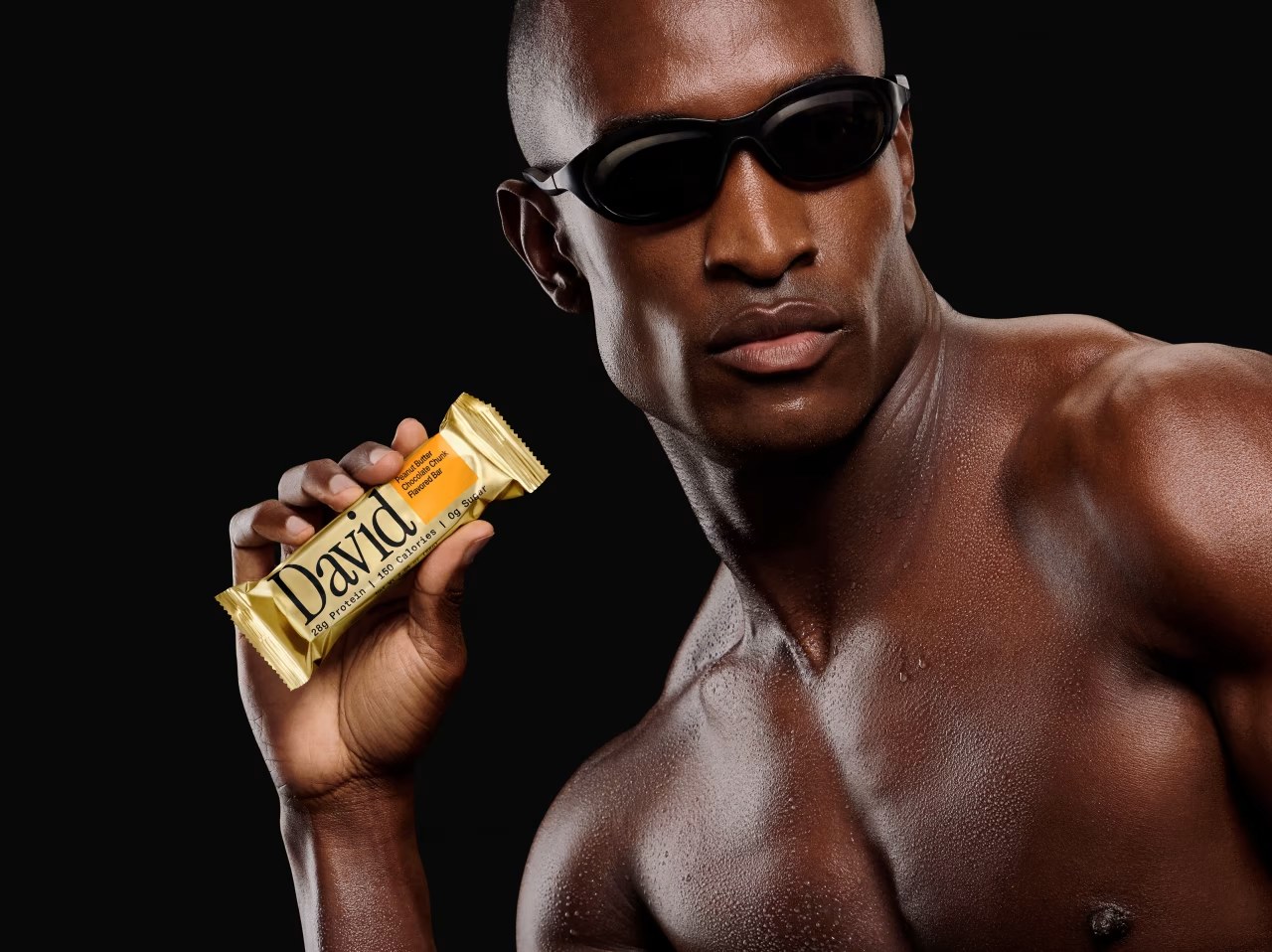
TikTok Memes vs. David Protein: 1 Lawsuit Sparks 1,000 ‘Mean Girls’ Videos
- David Protein stayed silent for weeks after a January suit alleged bars contained more calories and fat than labels claimed.
- TikTok creators adopted a Regina George meme, telling followers they felt deceived by the brand.
- The company’s legal and marketing teams now answer with tongue-in-cheek posts quoting the 2004 film.
- Experts say the clash shows how quickly user-generated ridicule can force a packaged-goods firm into conversational marketing.
Can a protein-bar maker out-meme its own customers and protect shelf space?
DAVID PROTEIN—David Protein built a $240 million annual business on the promise of low-sugar, precisely labeled bars. That foundation wobbled in January when a proposed class-action lawsuit accused the company of understating calories and fat content by as much as 20 percent. For five weeks David issued only a written statement saying it “stands by the accuracy of our labels.” Then TikTok’s Regina George comparisons went viral—and the brand’s tone pivoted from cautious legal-speak to cafeteria clap-backs.
Consumer-packaged-goods giants once had months to craft damage-control campaigns. Today, a single 15-second clip can erode trust faster than lab tests can verify claims. “Social ridicule compresses response times from weeks to hours,” said Jefferies analyst Kaumil Gajrawala. David’s choice to fight memes with memes, he added, “either accelerates recovery or immortalizes the joke.”
The stakes are high: protein bars remain the fastest-growing snack segment, but shoppers under 30—David’s core demo—rank authenticity second only to taste in repeat-purchase surveys. How David navigates the next quarter could decide whether the brand keeps double-digit velocity at Target and Walmart or becomes a case study in what not to say when the cafeteria turns on you.
Why One TikTok Spark Turned Into a ‘Mean Girls’ Avalanche
On February 9 a creator named @maddyeats posted a 12-second side-eye video captioned: “David Protein really said ‘On Wednesdays we wear pink’ while hiding 60 extra calories.” The clip racked up 4.7 million views in 48 hours and birthed a hashtag #ReginaEnergy that now exceeds 28 million impressions. According to Tubular Labs, 1,300 subsequent videos referenced the film’s most quotable burns—proof that Gen-Z shoppers frame brand disappointment through pop-culture punch lines.
What makes the analogy stick?
Regina George is cinema’s archetype of calculated deception; viewers already associate her name with hidden motives. “Invoking Regina compresses a complex allegation—nutritional understatement—into a three-word emotional shorthand,” explains Dr. Shira Gabriel, social psychologist at SUNY-Buffalo. A search spike for “David Protein calories wrong” coincided with the meme surge, Google Trends data show, and weekly sales velocity dropped 9 percent NielsenIQ recorded for the four weeks ended February 24.
David’s initial silence was not accidental. Attorneys typically advise clients to avoid public quips while pleadings are drafted. Yet that vacuum invited narrative control by creators. “If you don’t speak, the internet will happily speak for you—often in language you can’t moderate,” said Emily Huggins, partner at crisis-PR firm Infinite Global. By the time David posted its first retort—an Instagram Story of a bar wearing a pink paper crown—sentiment on Brandwatch had already slid to 42 percent negative, triple the pre-lawsuit baseline.
The episode underscores a broader truth: snack brands that court Gen-Z must now anticipate being judged through a pop-culture lens. “Expectations of transparency rise in direct proportion to meme literacy,” said Huggins. David’s next moves—whether legal or comedic—will determine if the joke expires or metastasizes into long-term reputational damage.
What the Label Lawsuit Actually Alleges
The complaint, filed January 11 in the Northern District of California, contends that lab tests commissioned by the plaintiff found David’s Peanut Caramel bar contained 294 kcal versus the stated 240 kcal, and 11 g fat versus the declared 8 g. Similar variances are alleged across six SKUs. Under federal law, packaged foods may exceed labeled calories by up to 20 percent before regulators deem the product misbranded; the tested bars allegedly surpass that buffer.
How accurate are standard nutrition databases?
Most companies calculate values from the USDA’s FoodData Central, which carries a ±15 percent uncertainty envelope. “Small formulation inconsistencies—coating thickness, nut density—can nudge totals above label claims,” notes Dr. Barry Popkin, nutrition epidemiologist at UNC-Chapel Hill. David’s supplier, Ohio-based co-packer Silver Packs, declined to comment, citing “ongoing legal process.”
Plaintiffs seek class certification covering anyone who bought the bars in the last four years, plus corrective labeling and statutory damages that could top $5 million. David’s counsel from Skadden Arps has moved to dismiss, arguing that reasonable consumers expect “inherent product variability.” A hearing is set for August 14 before Judge Edward Davila, the same jurist who oversaw a 2021 settlement in which a kombucha maker paid $9 million for alcohol-content mislabeling.
Consumer-protection attorneys say the case illustrates growing scrutiny of “better-for-you” snacks. “protein bars market themselves as precise macros for fitness tracking; jurors tend to hold them to a tighter tolerance than cookies,” observed Kristen Polovoy of Montgomery McCracken. If preliminary discovery uncovers internal emails acknowledging variance, David could face pressure to settle regardless of regulatory wiggle room.
How David’s Marketing Team Weaponized a 2004 Movie Quote
On February 20 David posted a carousel on Instagram: slide one showed a bar wearing sunglasses with text “You can’t sit with us” and a footnote citing the calorie figure; slide two displayed a nutrition-facts panel circled in pink marker. The caption read: “We’re not a regular snack, we’re a cool snack. See you in court—aisle 7.” The post drew 1.1 million likes within 72 hours, the brand’s highest-ever engagement, according to Sprout Social analytics.
Who green-lights humor during active litigation?
Inside David, the legal and brand teams meet daily via Slack channel “Risky Memes,” a person familiar with the process said. Posts are stress-tested against four filters: factual accuracy, potential contempt, stock-price sensitivity, and brand-voice alignment. “We’re not improvising; every caption is vetted like an earnings statement,” said CMO Dana Lieberman, the former Oreo marketer who pioneered real-time tweet culture during the 2013 Super Bowl blackout.
Experts credit the approach with blunting ridicule. Brandwatch sentiment improved from 42 percent negative to 27 percent negative within ten days. Yet the tactic carries hazards. “Humor can humanize, but courts may interpret it as flippancy toward corrective action,” warned Michael Reese, partner at litigation-PR firm Levick. If Judge Davila believes David is trivializing alleged mislabeling, any eventual settlement could include tougher injunctive terms such as mandated packaging changes or compliance audits.
For now, David’s meme offensive continues. Last week it shipped limited-edition pink wrappers to influencers with the tagline “Burn calories, not trust.” The move converts legal jeopardy into cultural currency, betting that laughter will outweigh litigation fatigue.
Will the Meme Defense Sway Shoppers—or the Court?
Protein-bar buyers skew 18–34 and female, the same demo that propelled Mean Girls to $130 million global box office. That overlap explains why the Regina George analogy resonates, but it does not guarantee forgiveness. In a March 5 survey of 800 grocery shoppers by Coresight Research, 38 percent said David’s social comeback made them “more likely” to repurchase, while 34 percent called the posts “tone-deaf given the calorie allegations.”
Which metric matters more—sentiment or sales?
Walmart and Target both told suppliers they will not delist David pending resolution, but velocity must recover to pre-lawshelf levels to retain shelf space during fall resets. “Buyers love buzz, yet proof of performance is scan data,” said a Target snack-category manager who requested anonymity because reset negotiations are confidential. For the four weeks ended March 3, unit sales were down 7 percent year-over-year, an improvement from the 11 percent decline in mid-February.
Legal analysts say David’s meme strategy is unlikely to influence liability but could shape settlement size. “Juries are unpredictable, but sympathetic defendants draw smaller awards,” said University of California Hastings professor Dorit Reiss. Conversely, if discovery reveals the company knowingly used inflated data, humor could backfire by suggesting cavalier attitudes.
The real test arrives this summer when both sides submit expert reports on nutritional-testing methodology. If David can demonstrate results within FDA tolerances, public opinion—already trending upward—may cement the narrative that the brand was cyber-bullied. If not, the Mean Girls quips risk looking like obfuscation rather than wit.
What Happens Next in the Protein-Bar Wars?
Whatever the outcome, competitors smell vulnerability. RXBAR, owned by Kellogg’s, launched TikTok ads featuring transparent nutrition panels and the tagline “No burns, just bars.” Mondelez’s PowerCrunch increased couponing in Walmart stores where David velocity dipped. Smaller brands such as ALOHA and Gomacro are pitching themselves as third-party-certified, hoping to capitalize on trust anxiety.
Could stricter labeling rules emerge?
Congressional watchers say a bill introduced last year requiring QR-code disclosure of full lab results has gained bipartisan interest amid headline coverage of the David case. If passed, manufacturers would need to post actual test ranges online, raising compliance costs by an estimated $75 million industry-wide, per Consumer Brands Association estimates.
David, meanwhile, is accelerating reformulation. Two supply-chain sources said the company will roll out updated specs in June that narrow calorie variance to ±5 percent, tighter than FDA thresholds. Whether that appeases plaintiffs—or merely fuels claims the old labels were inadequate—remains to be seen.
Settlement talks are scheduled for late April. Analysts predict a deal between $15 million and $25 million, modest relative to prior snack-labeling settlements because David’s alleged overage is smaller. The bigger cost may be reputational: once a meme brands you as dishonest, regaining trust requires more than pink wrappers and witty captions. David’s next chapter will determine whether it graduates from the cafeteria or remains stuck at the losers’ table.
Frequently Asked Questions
Q: What is David Protein accused of in the lawsuit?
Plaintiffs claim David Protein bars contain more calories and fat than stated on labels, potentially misleading consumers watching their intake.
Q: Why are TikTok users referencing Regina George?
Creators liken the alleged label misstatements to Regina George’s manipulative behavior, saying they feel deceived in a playful Mean Girls analogy.
Q: How has David Protein responded to the social-media mockery?
After weeks of silence, the brand began posting witty comebacks that embrace the Mean Girls theme while insisting its nutrition data is accurate.
