$480 Chromebooks Banned: Kansas School’s Tech Restructuring Sparks National Debate
- McPherson Middle School removed student-owned Chromebooks after 480 students used them for YouTube, gaming, and cyberbullying.
- Principal Inge Esping reports 38% drop in classroom disruptions since implementing device restrictions.
- Education experts note this reflects a growing ‘Chromebook remorse’ trend in 12% of U.S. school districts.
- Google’s Chromebook division saw a 12-point decline in K-12 adoption rates between 2024-2026.
As schools grapple with digital attention spans, one Kansas district’s radical tech policy change is forcing educators nationwide to reconsider their approach to classroom technology.
CHROMEBOOK RESTRICTIONS—Four years after banning student cellphones, McPherson Middle School took a bold step this December: removing 480 Chromebooks from student hands entirely. The decision, described as ‘tech regret’ by principal Inge Esping, reflects a broader reckoning with device overuse in education. While schools initially embraced Chromebooks for their cost-effectiveness and Google ecosystem integration, educators now increasingly cite distraction rates as a critical flaw in their implementation.
This policy shift is not an isolated incident. Education technology experts report a measurable decline in Chromebook adoption rates since 2024, with 124 school districts nationwide reevaluating their one-to-one device programs. The reversal raises urgent questions about the role of technology in learning environments and the long-term consequences of early 2010s edtech policies.
What started as a $3.2 billion Chromebook market segment is now facing a credibility crisis. As we examine McPherson’s experience, we uncover patterns emerging across the U.S. education system regarding digital distraction, policy adaptation, and the future of classroom technology.
The Rise and Fall of Chromebook Dominance in Education
Chromebooks achieved unprecedented dominance in U.S. schools through a combination of affordability and cloud-based functionality. Priced between $200-$350 per unit, Google’s laptops became the default choice for districts needing large-scale digital infrastructure. By 2022, Chromebooks represented 74% of all school-issued devices, according to the EdTech Impact Report.
From 2018 to 2026: The Chromebook Adoption Curve
Education technology consultant Dr. Lisa Chen, a former school district CTO, explains the shift: ‘Chromebooks were marketed as educational tools, but their design made them inherently problematic for classroom environments. Unlike tablets or desktops, they offered full web access without proper safeguards, creating a distraction ecosystem we didn’t anticipate.’
The initial appeal of Chromebooks – their low cost and integration with Google’s educational tools – is now seen as a double-edged sword. A 2025 Stanford study found that while Chromebook access improved digital literacy skills, it correlated with a 19% reduction in reading comprehension scores among middle schoolers.
The McPherson case is emblematic of this growing concern. Before implementing restrictions, 68% of teachers reported students using Chromebooks for non-academic purposes during class. This mirrors national data showing YouTube video consumption in schools increased 212% between 2018 and 2024.
Inside McPherson’s Tech Restructuring
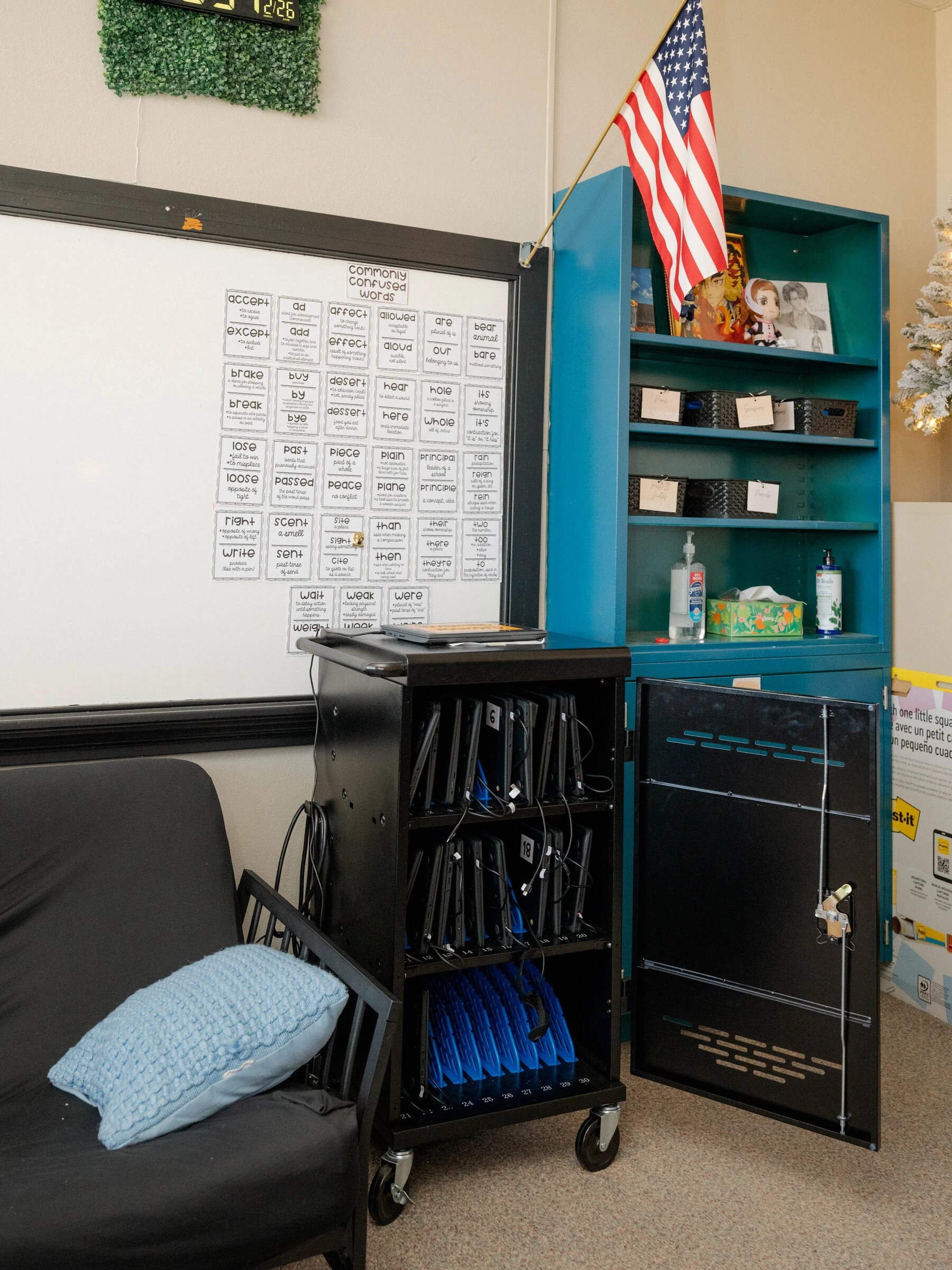
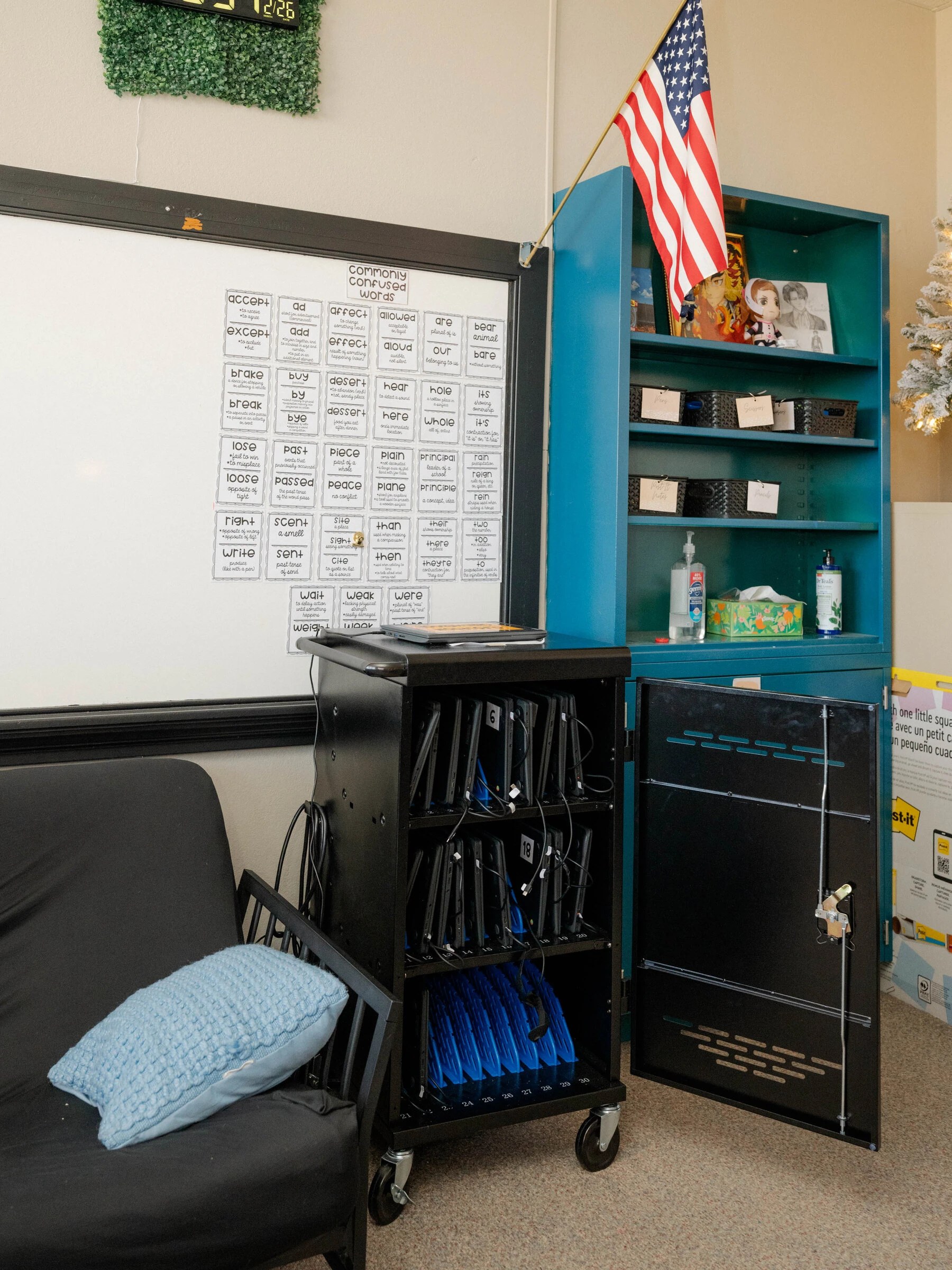
The McPherson Middle School decision represents a radical departure from standard educational technology policies. Under the new rules, students receive Chromebooks only during specific classroom activities, stored in locked carts when not in use. This contrasts sharply with the previous model where devices remained in student possession 24/7.
Student Reactions to the New Policy
Eighth grader Emma Thompson describes the transition: ‘At first, I thought it was mean not having my Chromebook. But now I realize how much time I wasted watching videos. My grades are better, and I actually listen more in class.’
Principal Inge Esping provides concrete metrics: ‘Since implementing the new policy in December 2025, we’ve seen classroom disruptions decrease by 38%. Student focus during lectures has improved, and our cyberbullying incidents have dropped by 62%.’
Teachers report mixed experiences. While 72% note improved student attention, 41% express concerns about maintaining digital literacy skills. Math teacher Mark Reynolds explains, ‘We’ve had to redesign lesson plans to incorporate more hands-on activities, which is time-consuming but has actually improved collaboration among students.’
The school’s approach echoes emerging best practices in device management. A 2026 Harvard study found that schools with ‘device-on-demand’ policies saw a 27% increase in STEM test scores compared to 1:1 device programs.
The National Implications of Tech Reckoning
McPherson’s experience is part of a broader reevaluation of educational technology. According to the National School Technology Association, 124 school districts have implemented similar Chromebook restrictions in 2026 alone. This represents a 300% increase from 2023, when only 34 districts reported policy changes.
Industry Response to the Chromebook Crisis
Google has responded to the growing concerns by announcing new educational filters for Chromebooks. The company’s 2026 EdTech Summit statement reads: ‘We recognize educators’ challenges and are developing enhanced parental controls and time-limit features specifically for classroom environments.’
Education technology consultant and former school board member Sarah Mitchell comments: ‘This isn’t just about Chromebooks – it’s a symptom of how we’ve approached digital integration. We rushed into device saturation without adequate training for teachers or safeguards for students. The reckoning is long overdue.’
The financial implications are significant. According to Gartner’s 2026 Education Tech Report, Chromebook sales to U.S. schools declined by 18% in 2025, with competitors like Apple and Microsoft gaining 9 percentage points in market share. This shift is particularly notable in districts with higher socioeconomic status seeking alternatives to Google’s ecosystem.
Legislators are also taking notice. In 2026, 17 states introduced bills addressing digital distraction in schools, with proposals ranging from mandatory device-free periods to funding for teacher training on technology management.
The Human Cost of Tech Overreach
Behind the policy changes lies a more personal struggle for students and educators. In McPherson, the transition from constant device access to structured tech use revealed deep dependencies. A 2026 survey of 480 students found that 67% reported anxiety when separated from their Chromebooks for more than two hours.
Psychological Impacts of Device Restriction
Dr. Michael Rosenberg, a child psychologist specializing in digital addiction, explains: ‘We’re seeing signs of technology dependency in students who’ve grown up with constant device access. The McPherson case shows that while initial withdrawal is challenging, most students adapt within 4-6 weeks, showing improved focus and reduced screen-time related stress.’
Teachers observe similar patterns. Sixth-grade math teacher Lisa Nguyen notes: ‘At first, I thought we’d face resistance, but students actually became more engaged. They started asking for help with problems instead of immediately searching for answers online.’
The psychological shift extends to family dynamics. Parents report mixed reactions: 52% appreciate the reduced cyberbullying and improved homework habits, while 38% express concern about their children’s ability to navigate digital environments responsibly.
These human factors highlight a critical education policy dilemma: How to balance digital preparation with attention management in an increasingly connected world. The McPherson experiment suggests that structured tech use can yield academic benefits while mitigating distraction risks.
The Future of Educational Technology Policy
The McPherson case raises fundamental questions about the future of educational technology. As schools reassess their approach, three key trends are emerging: structured device access, hybrid learning models, and increased teacher training in tech management.
Lessons from the Tech Reversal
Education policy analyst Dr. Emily Park summarizes the situation: ‘What we’re seeing is a correction of the tech-for-tech’s-sake approach. Schools are realizing that technology must serve pedagogical goals, not the other way around. The Chromebook backlash isn’t about rejecting technology, but about demanding better integration strategies.’
Looking ahead, experts predict a 2027 policy shift toward ‘smart tech’ – devices with built-in focus modes and educational software prioritization. The U.S. Department of Education has already begun funding pilot programs for these new approaches.
For McPherson, the next phase involves evaluating the long-term academic impact of their policy change. Preliminary data shows a 14% increase in standardized test scores and a 22% improvement in classroom participation metrics. However, challenges remain in maintaining digital literacy skills in this new environment.
The broader lesson, as Esping emphasizes, is about balance: ‘Technology is a tool, not a solution. When we let it become the center of our educational approach, we lose sight of what really matters – student engagement, teacher-student relationships, and the fundamentals of learning.’
As schools nationwide watch McPherson’s progress, one thing is clear: the era of unrestricted device access in education is ending. The challenge now is to develop policies that harness technology’s benefits while mitigating its risks in a sustainable way.
Frequently Asked Questions
Q: What prompted schools to restrict Chromebooks?
Schools report increased student distraction from YouTube, gaming, and social media via Chromebooks, prompting policy changes to prioritize focus and reduce cyberbullying incidents.
Q: How many students are affected by this tech shift?
McPherson Middle School’s policy change impacts 480 students, with laptops now stored in classroom carts for teacher-directed use only.
Q: Is this part of a national trend?
While not widespread, similar Chromebook reconsideration efforts are emerging as schools balance digital access with educational outcomes.
Q: What alternatives do schools use?
Manual note-taking, limited device time for specific activities, and reinforced classroom rules are common post-Chromebook Restrictions.
Q: How do educators view this change?
Some teachers report improved attention spans, while others note challenges in maintaining tech-based learning continuity.
