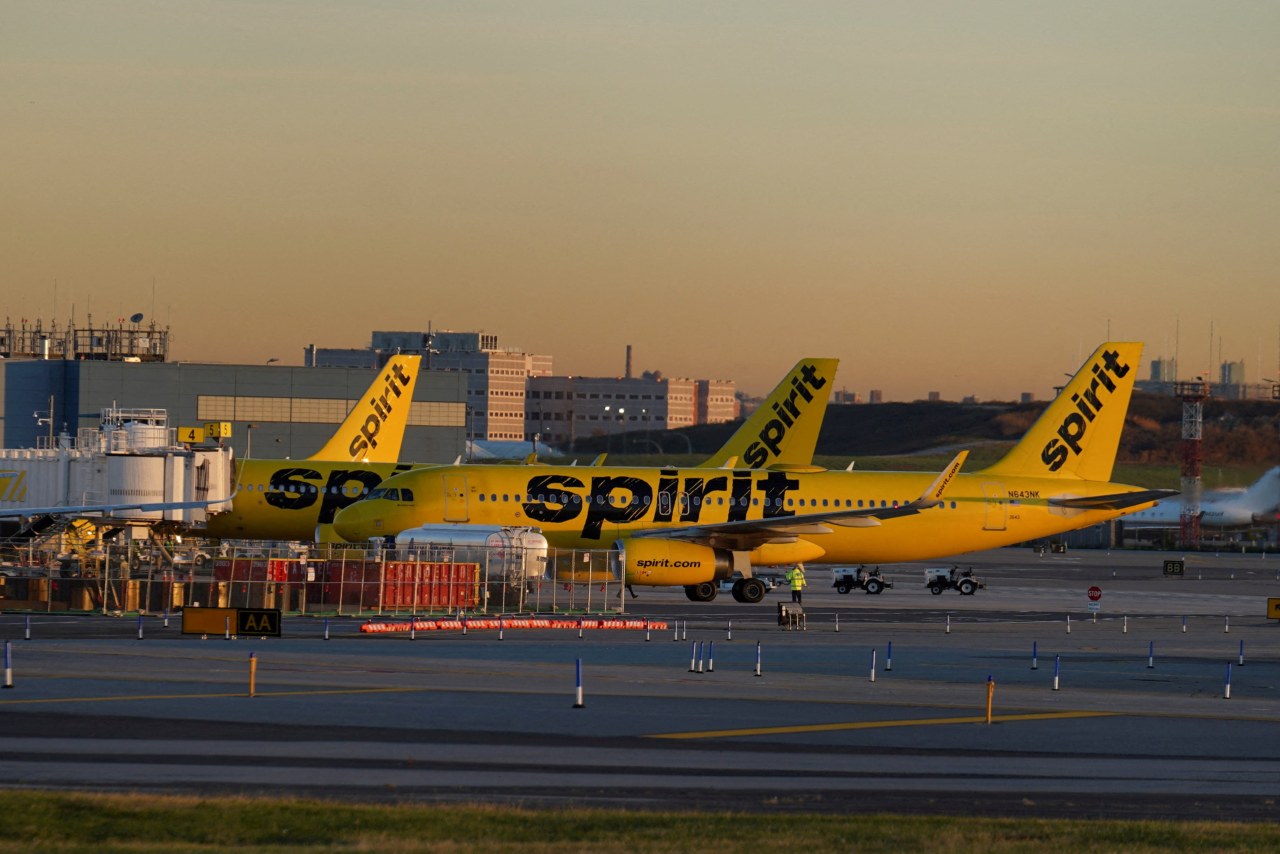
SPIRIT AIRLINES—In a significant step towards recovery, Spirit Airlines has unveiled a plan to exit Chapter 11 bankruptcy proceedings by early summer, marking a pivotal moment for the airline as it seeks to redefine its operational structure and financial health. This move comes as part of a broader strategy to navigate the challenges posed by the aviation industry’s post-pandemic landscape, characterized by fluctuating demand, heightened competition, and the imperative for airlines to adapt and evolve.
Rebirth Through Restructuring: Spirit Airlines’ Strategic Overhaul
Introduction to Chapter 11 Proceedings
Spirit Airlines’ decision to file for Chapter 11 bankruptcy protection was a strategic move aimed at facilitating a comprehensive restructuring of the company. This legal framework provides the airline with the necessary tools to renegotiate debts, reorganize its operational and financial structure, and ultimately emerge as a leaner, more competitive entity.
The Role of Creditors in Restructuring
A crucial aspect of Spirit Airlines’ bankruptcy exit plan is the agreement reached with its creditors. This deal represents a mutual understanding between the airline and its financial stakeholders, outlining the terms under which debts will be settled or restructured. The support of creditors is vital for the airline’s successful emergence from bankruptcy, as it ensures that the company can meet its financial obligations while it works towards regaining profitability.
Operational Adjustments for a Smaller Footprint
Central to Spirit Airlines’ plan is the anticipation of exiting bankruptcy as a smaller company. This downsizing involves a series of strategic adjustments, including potential reductions in fleet size, route networks, and workforce. Such measures are designed to align the airline’s operations more closely with the current market demand, thereby enhancing efficiency and reducing costs.
Navigating the Aviation Industry’s Post-Pandemic Challenges
Global Aviation Industry Outlook
The COVID-19 pandemic has had a profound impact on the global aviation industry, leading to a significant decline in air travel demand. As the industry begins to recover, airlines are faced with the challenges of fluctuating demand, increased competition, and evolving consumer preferences. Spirit Airlines, like its peers, must navigate these challenges while simultaneously addressing its own financial and operational restructuring.
Competitive Landscape and Market Dynamics
The post-pandemic aviation market is characterized by heightened competition, with airlines vying for market share in a demand-constrained environment. Spirit Airlines’ ability to compete effectively will depend on its success in implementing its restructuring plan, improving operational efficiency, and offering attractive services and fares to its customers.
Future Prospects and Growth Strategies
Despite the challenges it faces, Spirit Airlines has the potential to emerge from its current difficulties as a more resilient and competitive airline. The key to achieving this outcome lies in the successful execution of its restructuring plan, coupled with a strategic focus on growth opportunities, such as expanding into new markets or enhancing its service offerings to better meet the evolving needs of its customers.
Creditor Deal and Financial Restructuring
Terms of the Creditor Deal
The agreement reached between Spirit Airlines and its creditors is a critical component of the airline’s bankruptcy exit strategy. The deal’s specific terms, including any debt forgiveness, repayment schedules, and equity stakes granted to creditors, will have a significant impact on the airline’s financial health and its ability to operate effectively in the future.
Implications for Financial Sustainability
The financial restructuring facilitated by the creditor deal aims to restore Spirit Airlines’ financial sustainability. By reducing its debt burden and creating a more manageable financial structure, the airline seeks to improve its cash flow, invest in essential operational areas, and build a stronger foundation for long-term growth and profitability.
Regulatory and Stakeholder Considerations
The agreement with creditors must also navigate regulatory requirements and stakeholder interests. Spirit Airlines must ensure compliance with all relevant bankruptcy laws and regulations, while also addressing the concerns of its various stakeholders, including employees, customers, and suppliers, to maintain a stable operational environment during its restructuring process.
Conclusion: Spirit Airlines’ Path to Recovery
Challenges Ahead
Spirit Airlines faces a complex and challenging path as it seeks to exit bankruptcy and establish itself as a viable, competitive airline in the post-pandemic aviation industry. The success of its restructuring plan, particularly the agreement with creditors, will be crucial in determining the airline’s ability to navigate these challenges and secure a sustainable future.
Opportunities for Renewal
Despite the uncertainties, Spirit Airlines’ current situation also presents opportunities for renewal and growth. By leveraging its restructuring efforts to create a more efficient, customer-focused operation, the airline can position itself for success in a rapidly evolving market landscape.
Future Outlook
The outcome of Spirit Airlines’ bankruptcy exit plan will have significant implications for the airline’s future. A successful restructuring could pave the way for renewed growth, improved profitability, and an enhanced competitive position, allowing Spirit Airlines to thrive in the dynamic and highly competitive aviation industry.
