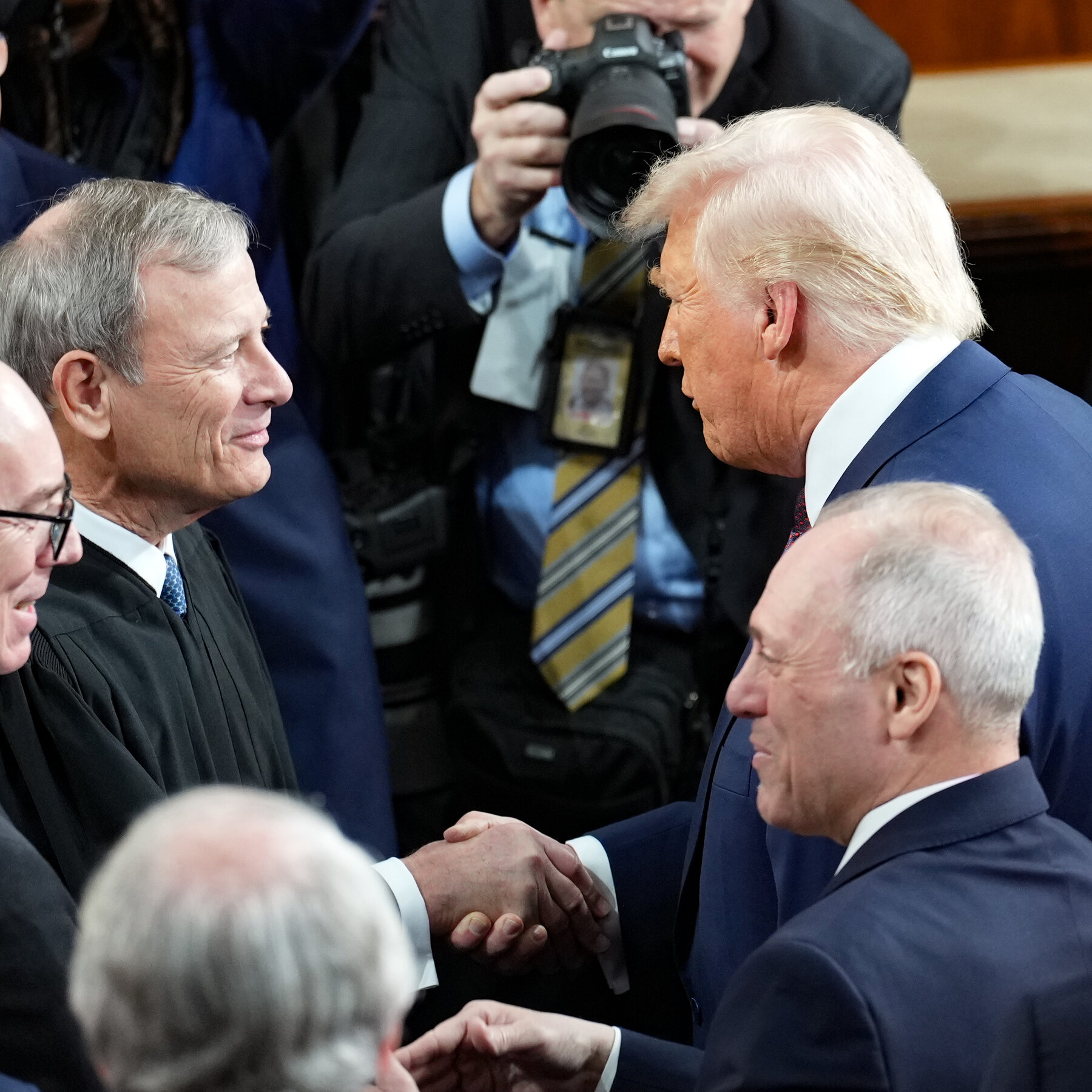
STATE OF THE UNION—The annual State of the Union address is set to take place in a politically charged environment, with members of the Supreme Court potentially in attendance, just days after a pivotal ruling against the legality of certain tariffs imposed by the Trump administration. This scenario presents a complex dynamic, highlighting the delicate balance between the executive, legislative, and judicial branches of the U.S. government.
State of the Union Address
Introduction to the State of the Union
The State of the Union address is a longstanding tradition in American politics, where the President reports on the current state of the nation and outlines their legislative agenda for the upcoming year. It is a moment of significant political importance, often watched by millions and scrutinized by policymakers, media, and the public alike.
Historical Context of Supreme Court Attendance
Traditionally, members of the Supreme Court have attended the State of the Union address, symbolizing the coequal status of the judicial branch within the U.S. system of government. However, their attendance is not mandatory and has been subject to individual justices’ discretion, especially in times of political tension or controversy.
The Tariff Ruling and Its Implications
Background on the Tariff Dispute
The recent ruling by the Supreme Court against the Trump administration’s tariffs marks a significant development in the ongoing saga of trade policies and their legal challenges. The tariffs, aimed at certain imported goods, were contested on grounds of their legality and the authority under which they were imposed.
Impact on Trade and Economy
The ruling is expected to have far-reaching implications for U.S. trade policies, potentially affecting not only the targeted industries but also the broader economy. It underscores the complex interplay between the executive branch’s authority to shape trade policy and the constitutional checks placed on such authority by the legislative and judicial branches.
The Delicate Balance of Branches
The System of Checks and Balances
The U.S. system of government is founded on the principle of separation of powers, with each branch designed to provide checks and balances on the actions of the others. The potential attendance of Supreme Court justices at the State of the Union, following a ruling against the administration, highlights the delicate nature of these relationships.
Implications for Political Discourse
This scenario also touches on the broader themes of political civility, respect for institutions, and the rule of law. In an era marked by political polarization, the interactions between the branches of government take on a heightened significance, with each move scrutinized for its political and legal implications.
Conclusion: A Test of Institutions
Looking Forward
The confluence of the State of the Union address with the recent Supreme Court ruling on tariffs presents a unique test for the U.S. system of government. It challenges the notion of institutional resilience and the ability of the branches to maintain their integrity and independence in the face of political pressure.
Future Directions
As the political landscape continues to evolve, the relationship between the executive, legislative, and judicial branches will remain under close scrutiny. The attendance of Supreme Court justices at the State of the Union address, in the context of recent legal rulings, serves as a poignant reminder of the enduring importance of these institutions and the principles they embody.
