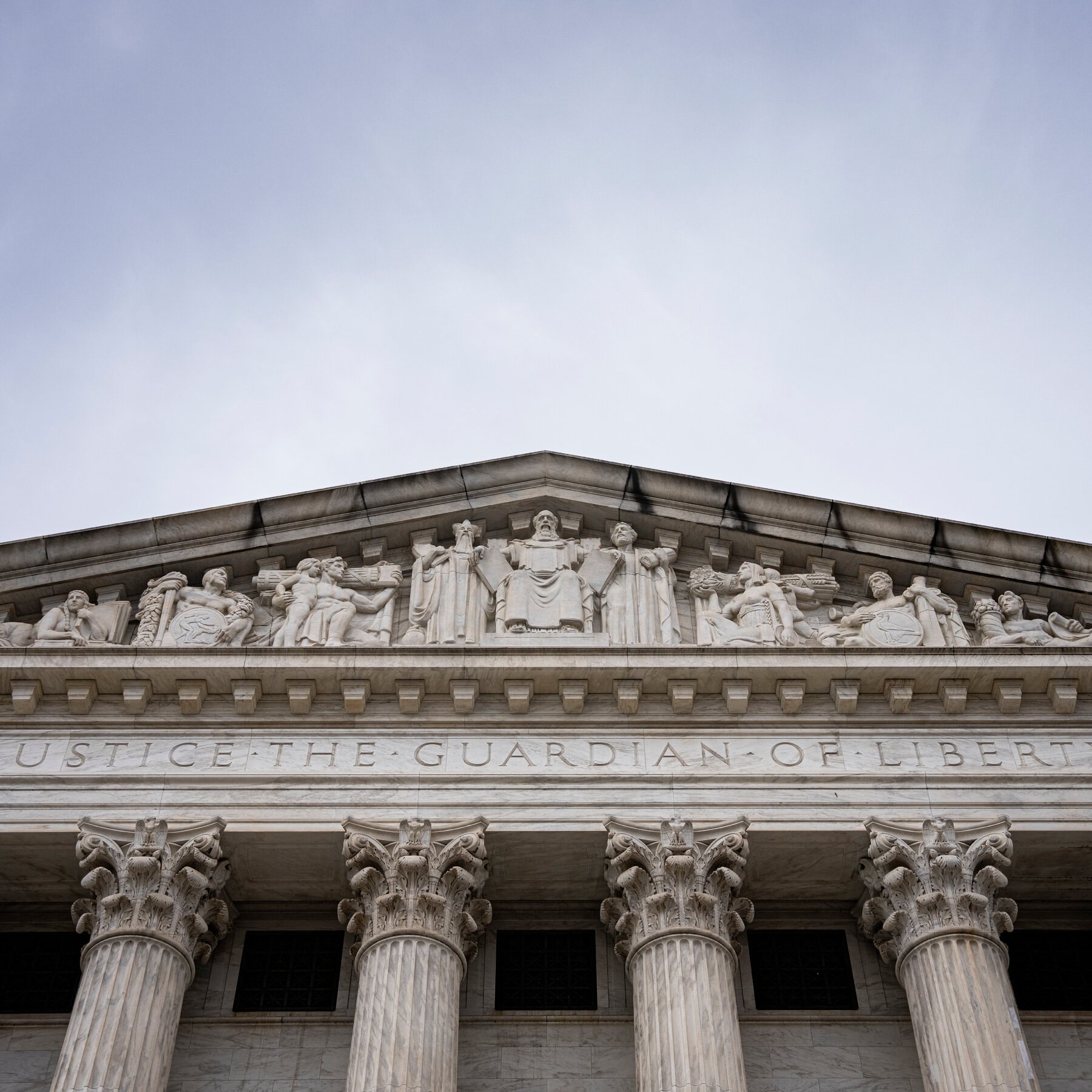
Thousands of Mail-In Votes at Risk as Supreme Court Weighs In
- The Supreme Court may limit mail-in voting in the midterms.
- The Republican National Committee wants to discard ballots received after Election Day.
- Thousands of votes, mostly cast by Democrats, are at stake.
- The decision could impact the outcome of the midterms.
- Voting rights advocates are sounding the alarm.
The Supreme Court’s decision could have far-reaching consequences for voters.
SUPREME COURT—The Supreme Court is considering a case that could make it harder for people to vote by mail in the midterms, a move that critics say could throw out thousands of votes.
The Case Before the Supreme Court
The Republican National Committee is pushing to discard ballots that arrive after Election Day, a move that could impact the outcome of the midterms. This case centers on a long-standing debate about the validity of mail-in ballots received after Election Day. The Supreme Court’s decision could set a crucial precedent for the midterms and potentially affect the balance of power in Congress.
What are the implications of the Supreme Court’s decision?
The decision could have far-reaching consequences for voters, particularly those who rely on mail-in voting. For instance, in the 2020 presidential election, over 80 million Americans voted by mail, with a significant portion of those votes coming from Democratic-leaning states. If the Supreme Court rules in favor of the Republican National Committee, it could lead to a substantial number of ballots being discarded, potentially altering the outcome of closely contested races.
The case has its roots in a long-standing dispute between Republicans and Democrats over the legitimacy of mail-in voting. Republicans have long argued that mail-in voting is vulnerable to fraud, while Democrats contend that it is a vital tool for increasing voter turnout and ensuring that all citizens have an equal opportunity to participate in the electoral process.
What are the arguments for and against the Republican National Committee’s position?
The Republican National Committee argues that allowing ballots received after Election Day to be counted undermines the integrity of the electoral process and creates opportunities for voter fraud. On the other hand, Democrats and voting rights advocates assert that discarding these ballots would disproportionately affect Democratic voters, who tend to rely more heavily on mail-in voting.
In 2018, the Supreme Court upheld a federal law that prohibited states from counting ballots received after Election Day, but the court’s decision left room for states to set their own rules on the matter. This has led to a patchwork of different policies across the country, with some states counting ballots received within a certain timeframe after Election Day and others rejecting them outright.
According to data from the Federal Election Commission, in the 2020 presidential election, 43 states and the District of Columbia allowed voters to cast mail-in ballots without an excuse. However, the rules for counting these ballots vary significantly from state to state.
What are the potential consequences of the Supreme Court’s decision?
The potential consequences of the Supreme Court’s decision are significant. If the court rules in favor of the Republican National Committee, it could lead to a substantial number of ballots being discarded, potentially altering the outcome of closely contested races. For example, in the 2018 midterm elections, Democrats won the House of Representatives by a margin of just 14 seats. If a substantial number of mail-in votes from Democratic-leaning areas are discarded, it could be enough to change the balance of power in Congress.
Impact on Democratic Voters
Thousands of votes, mostly cast by Democrats, are at stake in this case. According to data from the Federal Election Commission, in the 2020 presidential election, Democratic voters accounted for approximately 60% of all mail-in votes. If the Supreme Court rules in favor of the Republican National Committee, it could lead to a substantial number of Democratic votes being discarded, potentially altering the outcome of closely contested races.
What are the potential consequences for Democratic voters?
The consequences could be significant, potentially altering the outcome of the midterms. For example, in the 2018 midterm elections, Democrats won the House of Representatives by a margin of just 14 seats. If a substantial number of mail-in votes from Democratic-leaning areas are discarded, it could be enough to change the balance of power in Congress.
Democrats have long relied heavily on mail-in voting as a key component of their get-out-the-vote efforts. In states like California, Oregon, and Washington, where mail-in voting is widespread, Democrats have tended to perform well. If the Supreme Court’s decision limits mail-in voting, it could disproportionately affect Democratic voters in these states.
What are the historical implications of mail-in voting for Democratic voters?
Historically, mail-in voting has been a crucial tool for Democratic voters, particularly in areas with high concentrations of minority and low-income voters. In the 1960s and 1970s, mail-in voting was used as a means of increasing voter turnout among African American voters in the South, who faced significant barriers to in-person voting.
In recent years, mail-in voting has continued to play a vital role in Democratic campaigns. In the 2020 presidential election, for example, mail-in voting was a key factor in Joe Biden’s victory in states like Pennsylvania and Michigan.
Data from the US Census Bureau shows that in 2020, approximately 77 million Americans aged 18-24 and 65 million aged 65 and older voted by mail. These age groups tend to vote for different parties, with younger voters leaning Democratic and older voters leaning Republican.
What are the implications for voter engagement?
The Supreme Court’s decision could have significant implications for voter engagement, particularly among young and minority voters who tend to rely on mail-in voting. If the decision limits mail-in voting, it could lead to decreased voter turnout and a lack of trust in the electoral process among these groups.
Voting Rights Advocates Sound the Alarm
Voting rights advocates are sounding the alarm about the potential impact of the Supreme Court’s decision. They argue that limiting mail-in voting could undermine the integrity of the electoral process and disenfranchise voters, particularly those who rely heavily on mail-in voting.
What are the concerns about the Supreme Court’s decision?
The concerns are that the decision could lead to a decrease in voter turnout and a lack of trust in the electoral process. For instance, in the 2020 presidential election, mail-in voting was used by over 40% of all voters, with many more relying on it as a backup option.
Voting rights advocates assert that the Supreme Court’s decision could disproportionately affect marginalized communities, who tend to rely more heavily on mail-in voting. They point out that limiting mail-in voting could exacerbate existing disparities in voter turnout and undermine efforts to increase civic engagement.
What are the potential consequences for voter turnout?
The potential consequences for voter turnout could be significant. If the Supreme Court’s decision limits mail-in voting, it could lead to a decrease in voter turnout, particularly among communities that rely heavily on this method of voting.
In response to the Supreme Court’s decision, voting rights advocates are calling for Congress to pass legislation that would protect and expand mail-in voting. They argue that federal law is needed to ensure that all citizens have an equal opportunity to participate in the electoral process, regardless of their party affiliation or socioeconomic status.
The National Association of Secretaries of State has expressed concerns about the potential impact of the Supreme Court’s decision on voter turnout. They argue that states have implemented mail-in voting systems to increase voter access and convenience, and that limiting these systems could undermine the integrity of the electoral process.
Frequently Asked Questions
Q: What is the Republican National Committee’s stance on mail-in voting?
The Republican National Committee wants to discard ballots that arrive after Election Day.
Q: How many votes are potentially at stake?
Thousands of votes, with a majority cast by Democrats.
Q: What is the potential impact of the Supreme Court’s decision?
The Supreme Court’s decision could make it harder for people to vote by mail in the midterms.
Q: What is the current status of mail-in voting in the US?
The article does not provide specific information on the current status of mail-in voting.
Q: What are the potential consequences of limiting mail-in voting?
Limiting mail-in voting could impact the number of votes cast, particularly among Democratic voters.
