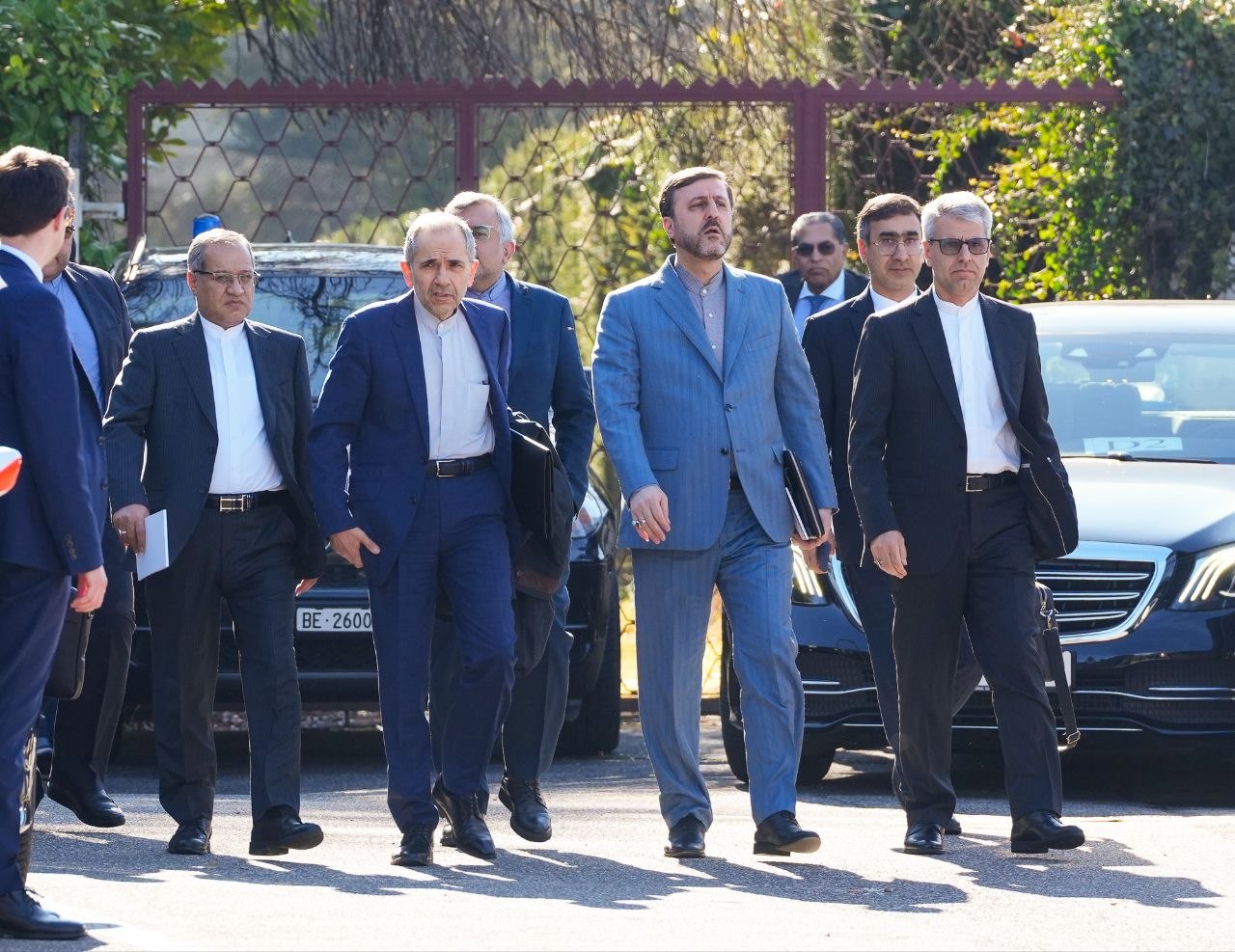
The Ayatollah Is Choosing War
- Iran’s refusal to compromise on its Nuclear Program
- Its insistence on developing Missiles
- The implications of these choices for international relations
A Path to Confrontation
IRAN—The recent stance of Iran’s regime has sparked significant concern globally, as it appears to be moving away from diplomatic solutions and towards a more confrontational approach.
This shift is primarily driven by the regime’s unwillingness to compromise on two critical issues: its missile program and its nuclear ambitions.
The Nuclear Program: A Point of No Return
The development of Iran’s nuclear program has been a point of contention for many years, with the international community expressing deep concerns over its potential military applications.
Despite efforts to negotiate and reach a mutually acceptable agreement, Iran’s regime has shown little willingness to compromise, insisting that its program is for peaceful purposes only.
This inflexibility has led to increased tensions, as other nations worry about the potential consequences of an unrestrained nuclear program in the hands of a regime that has historically been hostile to many of its neighbors and the West.
The implications of Iran’s nuclear program are far-reaching, affecting not only the Middle East but also global security and stability.
As the situation continues to escalate, the world watches with bated breath, wondering if a path to Diplomacy can still be found, or if the choice of war will become the only option left.
The international community has called for Iran to adhere to its commitments and to work towards a peaceful resolution, but so far, these calls have been met with resistance.
The future of Iran’s nuclear program remains uncertain, but one thing is clear: the choices made now will have lasting consequences for generations to come.
Iran’s regime must consider the long-term effects of its actions and the impact they will have on its people and the world at large.
Only through open and honest dialogue can a solution be found that satisfies all parties involved and prevents the region from slipping further into chaos.
Missiles and the Balance of Power
Beyond its nuclear program, Iran’s development and deployment of missiles have also become a significant point of contention, both within the region and internationally.
These missiles, with their increased range and accuracy, pose a direct threat to many of Iran’s neighbors, as well as to the interests of other global powers in the region.
The regime’s insistence on pursuing this aspect of its military capabilities has led to increased tensions, as countries feel their security and stability are being directly challenged.
The balance of power in the Middle East is delicate, and the introduction of advanced missiles by Iran upsets this balance, potentially leading to an arms race and further destabilization of the region.
Efforts to curb Iran’s missile program through diplomatic means have been met with resistance, as the regime sees these capabilities as essential to its defense and as a means to project power within the region.
The international community is faced with the challenge of how to address Iran’s missile program in a way that respects the country’s legitimate security concerns while preventing the proliferation of weapons that could be used against other nations.
This challenge is complicated by the complex web of alliances and rivalries within the Middle East, where any action against Iran could have unintended consequences and potentially lead to wider conflict.
As such, finding a solution that balances the security needs of all parties involved is crucial, requiring careful diplomacy and a deep understanding of the regional dynamics at play.
The choice of war, as opposed to diplomacy, in addressing Iran’s missile program would have devastating consequences, not just for the Middle East, but for global peace and security.
The Path Forward: Diplomacy or War
The question of whether Iran’s regime will choose diplomacy or war hangs precariously in the balance, with the outcome having profound implications for the future of the Middle East and beyond.
Diplomacy, though challenging, offers a path forward that could address the concerns of all parties involved, from the nuclear program to the development of missiles.
However, this path requires flexibility and a willingness to compromise, qualities that have been in short supply in the current negotiations.
On the other hand, the choice of war would lead to catastrophic consequences, not just for Iran and its immediate neighbors, but for the global community as a whole.
The economic, humanitarian, and political fallout of such a conflict would be immense, potentially drawing in other nations and leading to a wider, more devastating war.
As the international community considers how to proceed, it must weigh the potential outcomes of each path carefully, recognizing that the choice between diplomacy and war is not just a moral one, but a practical one with far-reaching consequences.
The future of Iran, the stability of the Middle East, and the security of the world depend on the choices made now.
It is imperative that all parties involved work towards a solution that promotes peace, stability, and the well-being of all people in the region, rather than pursuing a path that leads to conflict and destruction.
This requires a commitment to dialogue, a willingness to listen to and address the concerns of all sides, and a determination to find a peaceful resolution to the current impasse.
Only through such a commitment can the region move away from the brink of war and towards a more secure and prosperous future for all.
