The Power and Pitfalls of Video in the Digital Age
- Videos are increasingly being used to expose the truth, but they can also be manipulated to spread misinformation
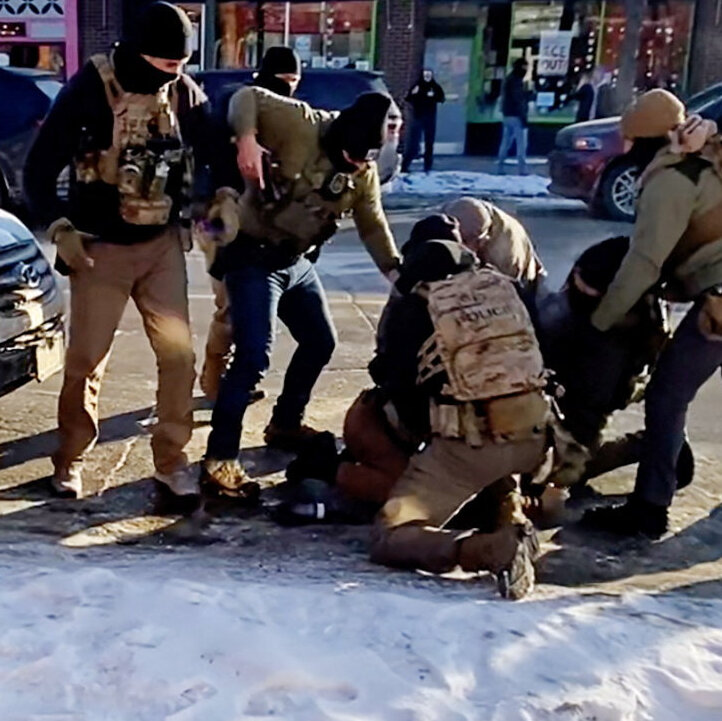
- The case of the Alex Pretti killing in Minneapolis highlights the importance of video evidence in holding authorities accountable
- However, the emergence of AI-generated videos, such as the fake Brad Pitt video, raises concerns about the potential for manipulation and deception
The Far-Reaching Consequences of Video Manipulation
[‘The use of video evidence has become a crucial tool in holding authorities accountable for their actions, as seen in the case of the Alex Pretti killing in Minneapolis. The videos captured by bystanders and security cameras contradicted the initial account of the federal government, leading to a re-examination of the incident. This highlights the importance of video evidence in ensuring transparency and accountability.’, ‘However, the rise of AI-generated videos poses a significant threat to the integrity of video evidence. The fake Brad Pitt video, which was created using advanced AI technology, demonstrates the potential for videos to be manipulated and fabricated. This raises concerns about the ability to distinguish between real and fake videos, and the potential consequences of spreading misinformation.’, ‘The implications of video manipulation are far-reaching, with potential consequences for individuals, communities, and society as a whole. In the context of law enforcement, manipulated videos could be used to frame innocent individuals or exonerate guilty ones. In the realm of politics, AI-generated videos could be used to spread disinformation and influence public opinion.’]
The Killing of Alex Pretti: A Case of Contradictory Accounts
The killing of Alex Pretti in Minneapolis brought attention to the importance of video evidence in holding authorities accountable. The initial account of the federal government was contradicted by videos captured by bystanders and security cameras, highlighting the need for transparency and accountability. The use of video evidence in this case demonstrated its potential to expose the truth and bring about justice.
The videos, which were widely shared on social media, showed a different version of events than the one presented by the authorities. This discrepancy raised questions about the accuracy of the official account and highlighted the need for a thorough investigation. The case of Alex Pretti serves as a prime example of the power of video evidence in ensuring that those in power are held accountable for their actions.
The use of video evidence in this case also highlights the importance of preserving and verifying the integrity of such evidence. As technology continues to evolve, it is essential to develop methods to authenticate and secure video evidence to prevent tampering and manipulation. This will ensure that video evidence remains a reliable tool for seeking truth and justice.
The incident also sparked a broader conversation about the role of video evidence in modern society. With the proliferation of smartphones and social media, videos are increasingly being used to document and share information. This has created new opportunities for holding authorities accountable, but also raises concerns about the potential for misinformation and manipulation.
The case of Alex Pretti serves as a reminder of the complexities surrounding video evidence and the need for a nuanced approach to its use. As we move forward, it is essential to develop strategies for verifying the authenticity of video evidence and preventing its manipulation. This will require collaboration between law enforcement, technologists, and policymakers to ensure that video evidence is used in a way that promotes transparency, accountability, and justice.
In the context of the Alex Pretti case, the use of video evidence highlighted the importance of community involvement in seeking truth and justice. The videos captured by bystanders and shared on social media played a crucial role in bringing attention to the incident and prompting an investigation. This demonstrates the potential for video evidence to empower communities and promote accountability.
A Brief History of Video Evidence: From Analog to Digital
The use of video evidence has a long history, dating back to the advent of analog recording technology. Initially, video evidence was used primarily in the context of law enforcement, with cameras being installed in public spaces to deter crime and aid in investigations. The introduction of digital technology and the proliferation of smartphones have dramatically expanded the scope and accessibility of video evidence.
The rise of social media has also played a significant role in the increased use of video evidence. Platforms such as YouTube, Facebook, and Twitter have made it possible for individuals to share videos with a global audience, creating new opportunities for holding authorities accountable and promoting transparency. However, this has also raised concerns about the potential for misinformation and manipulation.
Historically, video evidence has been used in a variety of contexts, from law enforcement and courts to journalism and activism. The use of video evidence has been instrumental in exposing human rights abuses, documenting police brutality, and promoting social justice. However, the emergence of AI-generated videos poses a significant threat to the integrity of video evidence, highlighting the need for new strategies and technologies to verify and secure video evidence.
The development of AI-generated videos is a relatively recent phenomenon, with significant advancements being made in the field of deep learning and computer vision. The creation of AI-generated videos, such as the fake Brad Pitt video, demonstrates the potential for videos to be manipulated and fabricated. This raises concerns about the ability to distinguish between real and fake videos, and the potential consequences of spreading misinformation.
The history of video evidence is complex and multifaceted, reflecting the ongoing evolution of technology and society. As we move forward, it is essential to consider the implications of video manipulation and the need for new approaches to verifying and securing video evidence. This will require collaboration between technologists, policymakers, and law enforcement to ensure that video evidence is used in a way that promotes transparency, accountability, and justice.
Unpacking the Technology Behind AI-Generated Videos: A Deep Dive
The creation of AI-generated videos, such as the fake Brad Pitt video, is made possible by advances in deep learning and computer vision. These technologies enable machines to learn from data and generate new content, including videos, that are indistinguishable from the real thing. The use of AI-generated videos raises significant concerns about the potential for manipulation and deception.
One of the key technologies behind AI-generated videos is the use of generative adversarial networks (GANs). GANs consist of two neural networks, one that generates new content and another that evaluates the generated content, enabling the machine to learn and improve. This technology has been used to create realistic images and videos, including the fake Brad Pitt video.
The use of AI-generated videos poses a significant challenge for law enforcement and other authorities, who rely on video evidence to investigate crimes and hold individuals accountable. The potential for videos to be manipulated and fabricated undermines the integrity of video evidence, creating uncertainty about what is real and what is not. This highlights the need for new technologies and strategies to verify and secure video evidence.
In addition to the use of GANs, other technologies, such as deepfakes and voice synthesis, are also being used to create AI-generated videos. Deepfakes, for example, use machine learning algorithms to replace the face of one person with another, creating a realistic and convincing video. Voice synthesis, on the other hand, enables machines to generate realistic audio, including voices and sounds.
The development of AI-generated videos is a rapidly evolving field, with significant advancements being made in recent years. The use of AI-generated videos raises important questions about the potential consequences of spreading misinformation and the need for new approaches to verifying and securing video evidence. As we move forward, it is essential to consider the implications of video manipulation and the need for collaboration between technologists, policymakers, and law enforcement to ensure that video evidence is used in a way that promotes transparency, accountability, and justice.
In the context of AI-generated videos, the need for transparency and accountability is paramount. The potential for videos to be manipulated and fabricated highlights the importance of verifying and securing video evidence, ensuring that it remains a reliable tool for seeking truth and justice. This will require the development of new technologies and strategies, including the use of digital watermarking and blockchain, to verify and secure video evidence.
Global Reactions to the Emergence of AI-Generated Videos: A Mixed Response
The emergence of AI-generated videos has sparked a mixed response globally, with some hailing the technology as a revolutionary tool for creativity and self-expression, while others raise concerns about the potential for manipulation and deception. The use of AI-generated videos has significant implications for a range of fields, from law enforcement and journalism to entertainment and education.
In the context of law enforcement, the use of AI-generated videos raises concerns about the potential for manipulation and fabrication of video evidence. The potential for videos to be created and manipulated using AI technology undermines the integrity of video evidence, creating uncertainty about what is real and what is not. This highlights the need for new technologies and strategies to verify and secure video evidence, ensuring that it remains a reliable tool for seeking truth and justice.
The reaction to AI-generated videos has also been mixed in the realm of journalism, with some seeing the technology as a potential tool for creating engaging and immersive content, while others raise concerns about the potential for misinformation and manipulation. The use of AI-generated videos in journalism raises important questions about the role of technology in storytelling and the need for transparency and accountability in the use of AI-generated content.
In the entertainment industry, the use of AI-generated videos has been hailed as a revolutionary tool for creativity and self-expression. The creation of AI-generated videos, such as the fake Brad Pitt video, demonstrates the potential for machines to generate realistic and convincing content, including videos and audio. However, the use of AI-generated videos in entertainment also raises concerns about the potential for manipulation and deception, highlighting the need for transparency and accountability in the use of AI-generated content.
The reaction to AI-generated videos has also been significant in the realm of education, with some seeing the technology as a potential tool for creating engaging and immersive content, while others raise concerns about the potential for misinformation and manipulation. The use of AI-generated videos in education raises important questions about the role of technology in learning and the need for transparency and accountability in the use of AI-generated content.
In the context of global reactions to AI-generated videos, the need for collaboration and cooperation is paramount. The use of AI-generated videos has significant implications for a range of fields, from law enforcement and journalism to entertainment and education. As we move forward, it is essential to consider the potential consequences of spreading misinformation and the need for new approaches to verifying and securing video evidence, ensuring that it remains a reliable tool for seeking truth and justice.
Looking to the Future: The Potential Consequences of AI-Generated Videos
The emergence of AI-generated videos has significant implications for the future, with potential consequences for a range of fields, from law enforcement and journalism to entertainment and education. The use of AI-generated videos raises important questions about the role of technology in society and the need for transparency and accountability in the use of AI-generated content.
One of the potential consequences of AI-generated videos is the erosion of trust in video evidence. The potential for videos to be manipulated and fabricated using AI technology undermines the integrity of video evidence, creating uncertainty about what is real and what is not. This highlights the need for new technologies and strategies to verify and secure video evidence, ensuring that it remains a reliable tool for seeking truth and justice.
Another potential consequence of AI-generated videos is the spread of misinformation and disinformation. The use of AI-generated videos to create fake news and propaganda raises important questions about the role of technology in shaping public opinion and the need for transparency and accountability in the use of AI-generated content.
The future of AI-generated videos is uncertain, with significant advancements being made in the field of deep learning and computer vision. The use of AI-generated videos has the potential to revolutionize a range of fields, from entertainment and education to law enforcement and journalism. However, the potential consequences of spreading misinformation and the need for new approaches to verifying and securing video evidence must be carefully considered.
In the context of the future of AI-generated videos, the need for collaboration and cooperation is paramount. The use of AI-generated videos has significant implications for a range of fields, from law enforcement and journalism to entertainment and education. As we move forward, it is essential to consider the potential consequences of spreading misinformation and the need for new approaches to verifying and securing video evidence, ensuring that it remains a reliable tool for seeking truth and justice.
The development of AI-generated videos is a rapidly evolving field, with significant advancements being made in recent years. The use of AI-generated videos raises important questions about the role of technology in society and the need for transparency and accountability in the use of AI-generated content. As we look to the future, it is essential to consider the potential consequences of AI-generated videos and the need for new approaches to verifying and securing video evidence, ensuring that it remains a reliable tool for seeking truth and justice.
