The Feta Cheese Dispute: A Wedge Between US and European Trade Relations
- The US and Europe are at odds over the use of traditional European cheese names.
- The dispute has strained US-Europe trade relations.
- American producers are restricted from using names like feta, Asiago, Parmesan, and Romano.
- Europe has imposed restrictions on US cheese imports.
- The issue has significant implications for the global cheese trade.
The Stakes: A Threat to Global Cheese Trade
US-EUROPE TRADE—The ongoing dispute between the US and Europe over the use of traditional European cheese names has significant implications for the global cheese trade.
The Origins of the Dispute
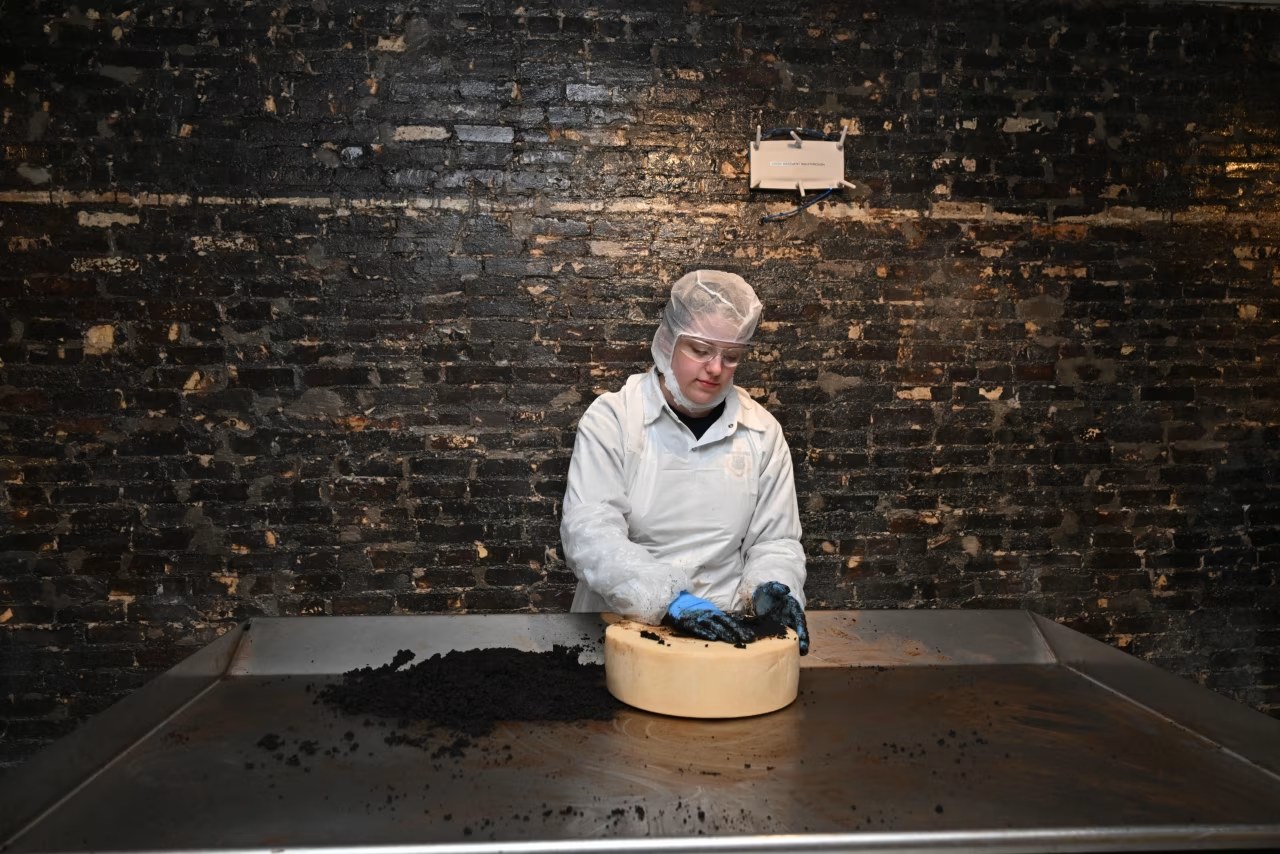
The dispute over traditional European cheese names has its roots in the way these names are used by American producers. For four generations, the Sartori family of Plymouth, Wis., has been making Asiago cheese in a tradition that dates to patriarch Paolo Sartori, who hailed from a town near Asiago, Italy.
However, under pressure from Europe, many countries around the world are blocking American producers such as the Sartoris from using the Asiago name, saying it can be used only for cheese made the right way in Italy. The same goes for Parmesan and Romano cheese made by the Sartoris.
Restricting Cheese Sales
To avoid generic descriptions such as ‘Italian-style hard cheese,’ the company restricts where it sells its products outside the US.
The Impact on US-Europe Trade Relations
The dispute has strained US-Europe trade relations, with both sides imposing restrictions on each other’s cheese imports and exports. The US has blocked feta cheese imports from Greece, while Europe has restricted American cheese producers from using traditional European cheese names.
A Delicate Balance
The cheese dispute highlights the delicate balance between trade and cultural heritage. As the global cheese trade continues to evolve, it remains to be seen how the US and Europe will navigate this complex issue.
Frequently Asked Questions
Q: What is the main issue in the US-Europe cheese dispute?
The main issue is the use of traditional European cheese names, such as feta, Asiago, Parmesan, and Romano, by American producers.
Q: How has Europe responded to the US use of European cheese names?
Europe has restricted American cheese producers from using these names, citing the need to protect traditional European cheese-making methods and geographical indications.
Q: What are the implications of this dispute for US-Europe trade relations?
The dispute has strained US-Europe trade relations, with both sides imposing restrictions on each other’s cheese imports and exports.
