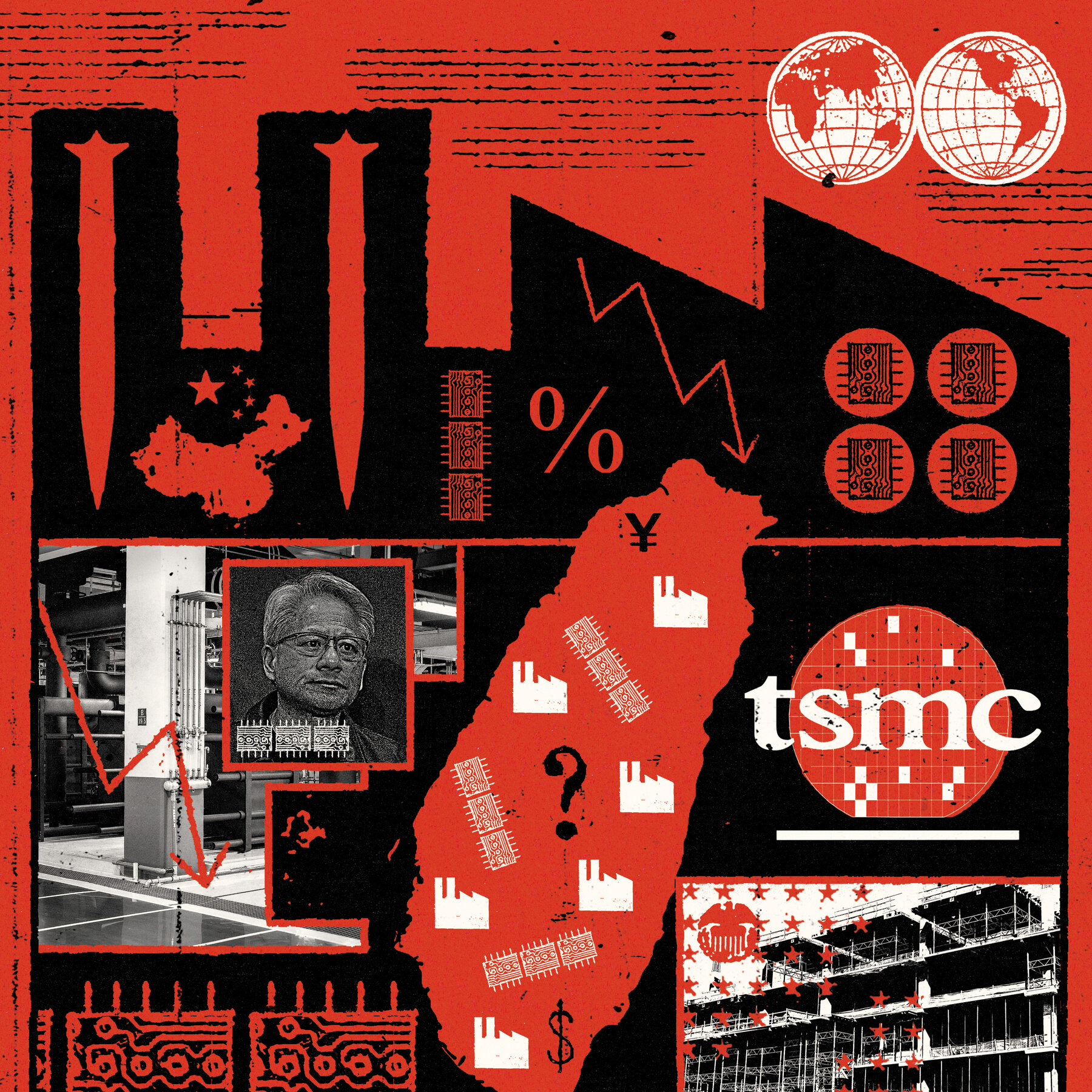
TAIWAN—The tech industry, particularly Silicon Valley, has long been aware of its dependence on Taiwan for the production of cutting-edge semiconductors. However, the looming threat of China invading Taiwan and subsequently cutting off chip exports to American companies has been largely ignored. This oversight could have catastrophic consequences for the US economy, crippling the tech industry and beyond.
Taiwan’s Critical Role in the Global Chip Supply Chain
Taiwan’s semiconductor industry, led by companies like Taiwan Semiconductor Manufacturing Company (TSMC), is the world’s leading producer of advanced chips, accounting for over 60% of global production. The island nation’s unique combination of skilled workforce, favorable business environment, and significant investments in research and development has made it an indispensable partner for tech giants like Apple, Google, and Amazon.
The implications of Taiwan’s dominance in the chip market cannot be overstated. The production of cutting-edge semiconductors is a complex process that requires significant expertise and resources. As such, the global tech industry has become highly reliant on Taiwanese companies to meet their chip demands. This dependence is evident in the numerous partnerships and collaborations between Taiwanese manufacturers and American tech firms.
However, the threat of China’s aggression towards Taiwan poses a significant risk to the stability of the global chip supply chain. If China were to invade Taiwan, it would likely lead to a disruption in chip exports, causing a severe shortage of critical components for the tech industry.
The Consequences of a Chip Export Ban for Silicon Valley and the US Economy
In the event of a chip export ban, the tech industry would be severely impacted, with widespread disruptions to production lines and supply chains. The effects would be far-reaching, from delayed product launches to significant losses in revenue. The US economy, which is heavily reliant on the tech sector, would also suffer greatly, with potential losses running into billions of dollars.
The consequences of a chip export ban would not be limited to the tech industry alone. The automotive, aerospace, and healthcare sectors, among others, also rely heavily on advanced semiconductors. A disruption to chip supplies would have a ripple effect throughout the economy, leading to widespread job losses and economic instability.
Furthermore, the strategic implications of a chip export ban cannot be ignored. The US government has long recognized the importance of semiconductors in maintaining its technological edge and military superiority. A disruption to chip supplies would compromise national security, leaving the US vulnerable to aggression from rival nations.
The Role of the US Government in Mitigating the Risks of a Taiwan Chip Disaster
In light of the looming threat of a Taiwan chip disaster, the US government must take proactive steps to mitigate the risks and ensure the long-term stability of the global chip supply chain. This could involve developing a comprehensive chip strategy, including investments in domestic semiconductor production, diversification of chip sources, and strengthening partnerships with allied nations.
The US government could also play a crucial role in promoting dialogue and cooperation between Taiwanese and American companies, facilitating the development of new technologies and manufacturing processes that reduce dependence on any single region or supplier.
Moreover, the US government must recognize the strategic importance of semiconductors and take steps to protect its domestic chip industry. This could involve providing incentives for companies to invest in US-based manufacturing, as well as implementing policies to prevent the transfer of sensitive technologies to rival nations.
The Imperative of Diversification and Investment in Domestic Chip Production
The threat of a Taiwan chip disaster highlights the need for the US to diversify its chip sources and invest in domestic production. By reducing its reliance on any single region or supplier, the US can mitigate the risks associated with disruptions to the global chip supply chain.
Investing in domestic chip production would not only enhance national security but also create new opportunities for economic growth and job creation. The US government could provide incentives for companies to invest in US-based manufacturing, such as tax breaks, grants, and low-interest loans.
Furthermore, the development of new technologies and manufacturing processes could help reduce the costs and complexities associated with chip production, making it more feasible for companies to establish domestic manufacturing operations. This could involve investments in research and development, as well as partnerships between industry, academia, and government.
Conclusion: The Looming Taiwan Chip Disaster and the Future of the US Tech Industry
In conclusion, the looming threat of a Taiwan chip disaster poses a significant risk to the US tech industry and the broader economy. The consequences of a chip export ban would be far-reaching, with widespread disruptions to production lines and supply chains, as well as significant losses in revenue.
However, by recognizing the risks and taking proactive steps to mitigate them, the US can reduce its dependence on any single region or supplier and ensure the long-term stability of the global chip supply chain. This requires a comprehensive chip strategy, including investments in domestic semiconductor production, diversification of chip sources, and strengthening partnerships with allied nations.
