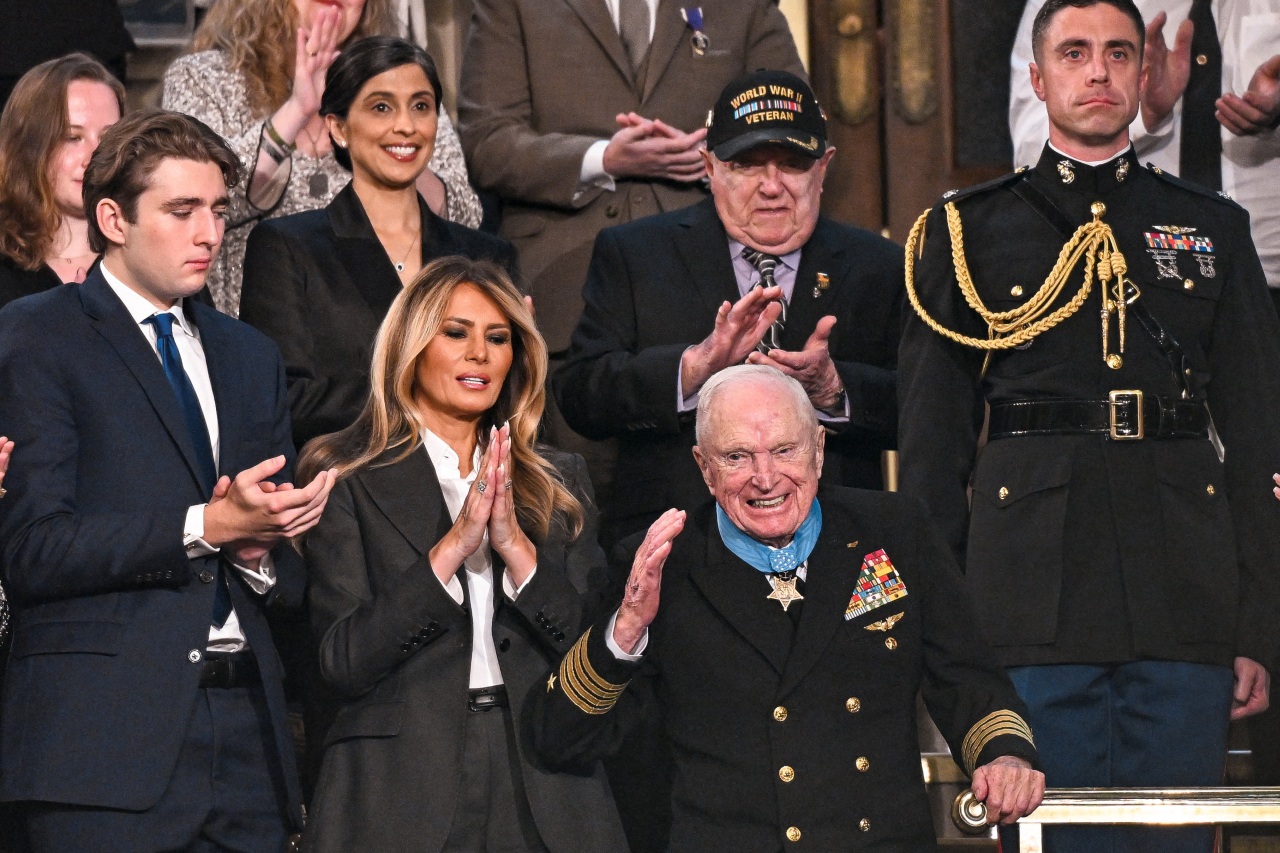
Oprah Takes Center Stage
- The highly anticipated event brought together tears, cheers, and spectacle, with awards that left the audience in awe.
- Despite the grandeur, Democrats are still grappling with understanding the enigmatic figure of Trump and his impact on the nation.
- As the evening unfolded, it became clear that this was more than just a State of the Union address – it was a cultural phenomenon.
A Night of High Drama and Politics
OPRAH—The air was electric as the crowd gathered, eager to witness the spectacle that would unfold. With Oprah at the helm, the evening promised to be an unforgettable experience, and it did not disappoint. The audience was treated to a rollercoaster of emotions, from the depths of sorrow to the heights of jubilation.
As the lights shone brightly, Oprah took to the stage, her presence commanding attention and inspiring awe. With each word, she wove a spell that entranced the crowd, leaving them hanging on her every sentence. It was an evening that would be etched in the memories of all who witnessed it, a testament to the power of one woman to bring people together in a shared experience.
And yet, amidst all the pomp and circumstance, there was a sense of unease, a feeling that despite the grandeur of the event, there were still questions left unanswered. The Democrats, in particular, seemed to be struggling to come to terms with the Trump phenomenon, unsure of how to respond to the challenges he posed. As the evening drew to a close, it was clear that this was a problem that would not be solved overnight, but one that would require careful consideration and strategic planning.
The Oprah Effect
The Oprah effect is a phenomenon that has been observed time and time again, where the mere presence of Oprah can bring people together, inspire them, and leave a lasting impact. It is a testament to her power as a cultural icon, a woman who has transcended the boundaries of entertainment and become a symbol of hope and inspiration for millions. As she took to the stage, it was clear that this was an event that would be remembered for years to come, a night that would go down in history as a defining moment in American politics.
But what is it about Oprah that makes her so compelling, so able to inspire and uplift? Is it her charisma, her charm, or her unwavering optimism? Perhaps it is a combination of all these factors, a unique blend of qualities that sets her apart from others. Whatever the reason, it is clear that Oprah has a special gift, one that allows her to connect with people on a deep and meaningful level, to touch their hearts and inspire their souls.
As the evening wore on, it became clear that this was not just a night about politics, but about the human experience. It was about the struggles, the triumphs, and the hopes of a nation, all woven together into a rich tapestry of emotions. And at the center of it all was Oprah, a constant presence, a guiding light that shone brightly, illuminating the path forward. Whether or not one agrees with her politics, it is impossible to deny the impact she had on the audience, the way she seemed to bring people together in a shared moment of connection and understanding.
And yet, despite all the fanfare, there were still those who were skeptical, who questioned the relevance of Oprah’s message, who wondered if she was truly the right person to be leading the charge. These critiques are valid, and they highlight the complexities of the issue, the challenges of navigating a complex and ever-changing political landscape. But they also serve to underscore the importance of Oprah’s role, the need for a unifying figure, someone who can bring people together and inspire them to action.
In the end, it is clear that Oprah’s impact will be felt for a long time to come, a lasting legacy that will continue to inspire and uplift. Whether or not she chooses to pursue a career in politics, her influence will be felt, a reminder of the power of one person to make a difference. As the audience filed out of the auditorium, they were left with a sense of hope, a feeling that perhaps, just perhaps, there was a way forward, a way to heal the divisions and come together as one.
But as the dust settles, and the excitement of the evening wears off, there are still questions to be answered. What does the future hold for Oprah, and for the nation? Will she continue to be a force for change, a beacon of hope in a time of uncertainty? Only time will tell, but one thing is certain – the Oprah effect will be felt for a long time to come, a lasting reminder of the power of one person to inspire and uplift.
The days and weeks that followed the event were filled with speculation and analysis, as pundits and commentators weighed in on the significance of the evening. Some saw it as a turning point, a moment when the tide of public opinion began to shift. Others were more skeptical, questioning the relevance of Oprah’s message, and the impact it would have on the wider political landscape. But one thing was certain – the event had sparked a conversation, a debate that would continue to rage on for months to come.
The Democrats’ Dilemma
The Democrats are facing a dilemma, one that has been exacerbated by the rise of Trump. They are struggling to understand the man, to grasp the reasons behind his popularity, and to develop a response that will resonate with the American people. It is a challenge that has left them reeling, unsure of how to proceed, and uncertain of what the future holds. As they grapple with the complexities of the issue, they are forced to confront their own weaknesses, their own failures, and their own uncertainties.
But what is it about Trump that has the Democrats so flummoxed? Is it his unpredictability, his tendency to defy convention, and to push the boundaries of what is considered acceptable? Perhaps it is his ability to connect with the grassroots, to tap into the frustrations and the fears of the American people. Whatever the reason, it is clear that Trump has a unique gift, one that allows him to inspire loyalty, and to mobilize his base in ways that the Democrats can only dream of.
As the Democrats struggle to come to terms with the Trump phenomenon, they are forced to confront their own vulnerabilities. They are a party that has traditionally been guided by a sense of ideology, a commitment to certain core principles and values. But in the age of Trump, these principles are being challenged, and the Democrats are being forced to adapt. They are having to navigate a new landscape, one that is dominated by social media, and by the 24-hour news cycle. It is a world that is fast-paced, and ever-changing, and one that requires a new kind of politics, a new kind of leadership.
And yet, despite all the challenges, there are signs of hope. The Democrats are beginning to find their voice, to rediscover their sense of purpose, and to develop a new kind of politics, one that is more inclusive, more diverse, and more responsive to the needs of the American people. It is a process that will take time, one that will require patience, and perseverance, but it is a journey that is necessary, if the Democrats are to survive, and to thrive in the age of Trump.
As the party looks to the future, they are faced with a series of difficult choices. They must decide whether to continue down the path of opposition, to resist the Trump agenda at every turn, or to seek common ground, to find areas of agreement, and to work towards a more bipartisan approach. It is a dilemma that is fraught with risk, but also full of opportunity. If the Democrats can find a way to navigate this complex landscape, to develop a new kind of politics, and to inspire a new generation of leaders, then they may yet emerge stronger, and more united than ever before.
The road ahead will not be easy, but it is a journey that is necessary, if the Democrats are to reclaim their place as a major force in American politics. They must be willing to take risks, to challenge their own assumptions, and to push the boundaries of what is possible. They must be prepared to listen, to learn, and to adapt, to respond to the changing needs of the American people. And they must be guided by a sense of purpose, a commitment to certain core principles, and a vision for a better future.
In the end, it is clear that the Democrats’ dilemma is not just about Trump, but about themselves. It is about their own identity, their own sense of purpose, and their own vision for the future. As they navigate the complexities of the modern political landscape, they must be willing to confront their own weaknesses, to challenge their own assumptions, and to develop a new kind of politics, one that is more inclusive, more diverse, and more responsive to the needs of the American people.
The future is uncertain, but one thing is clear – the Democrats will emerge from this period of uncertainty stronger, and more united than ever before. They will have developed a new kind of politics, one that is more resilient, more adaptable, and more responsive to the needs of the American people. And they will have discovered a new sense of purpose, a new vision for the future, one that is guided by a commitment to certain core principles, and a dedication to the values of justice, equality, and freedom.
The Power of Media
The media plays a crucial role in shaping our understanding of the world around us. They have the power to inspire, to educate, and to inform, but they also have the power to mislead, to manipulate, and to deceive. In the age of Trump, the media has become increasingly polarized, with different outlets taking diametrically opposed views on the same issue. It is a phenomenon that has left many people feeling confused, and unsure of what to believe.
But what is the impact of this polarization on our democracy? How does it affect our ability to engage in meaningful discourse, to listen to opposing viewpoints, and to find common ground? These are questions that are at the heart of the democratic process, and ones that require careful consideration, and thoughtful analysis. As we navigate the complexities of the modern media landscape, we must be aware of the potential pitfalls, and the dangers of misinformation, and disinformation.
The rise of social media has added a new layer of complexity to the issue, with fake news, and propaganda becoming increasingly prevalent. It is a challenge that requires a new kind of literacy, one that enables us to critically evaluate the information we consume, to identify biases, and to seek out multiple sources. It is a skill that is essential in the modern world, one that will enable us to navigate the complexities of the media landscape, and to make informed decisions about the world around us.
And yet, despite all the challenges, there are signs of hope. The media is beginning to adapt, to respond to the changing needs of the public, and to develop new ways of engaging with their audience. They are using social media to reach new people, to build new communities, and to foster a sense of connection, and shared understanding. It is a process that is ongoing, one that requires experimentation, and innovation, but it is a journey that is necessary, if the media is to remain relevant, and to continue playing a vital role in our democracy.
The future of the media is uncertain, but one thing is clear – it will be shaped by the choices we make, and the values we hold dear. If we value truth, accuracy, and fairness, then we must be willing to support media outlets that share these values, and to hold them accountable when they fail to meet our expectations. We must also be willing to engage in critical thinking, to question our assumptions, and to seek out multiple sources. It is a responsibility that is shared by all of us, one that requires effort, and dedication, but it is a necessary part of maintaining a healthy, and functioning democracy.
In the end, the power of media is a double-edged sword. It has the potential to inspire, to educate, and to inform, but it also has the potential to mislead, to manipulate, and to deceive. As we navigate the complexities of the modern media landscape, we must be aware of the potential pitfalls, and the dangers of misinformation, and disinformation. We must be critical thinkers, seeking out multiple sources, and evaluating the information we consume. And we must be willing to hold the media accountable, to demand truth, accuracy, and fairness, and to support outlets that share these values.
The media has the power to shape our understanding of the world, to inspire us to action, and to bring us together in a shared sense of purpose. But it also has the power to divide us, to mislead us, and to undermine our trust in institutions. As we look to the future, we must be mindful of these dangers, and we must be willing to take responsibility for the media we consume, and the information we share.
The State of the Union
The State of the Union address is a time-honored tradition, one that provides the President with an opportunity to report on the state of the nation, and to outline their vision for the future. It is a moment of great pomp, and circumstance, one that is watched by millions of Americans, and one that has the potential to inspire, to educate, and to inform. But it is also a moment of great challenge, one that requires the President to be honest, to be transparent, and to be accountable.
As the President stands before Congress, and the nation, they are faced with a series of difficult choices. They must decide what to include, and what to leave out, they must balance the need to inspire, with the need to inform, and they must be mindful of the potential consequences of their words. It is a delicate balancing act, one that requires great skill, and great diplomacy. But it is also a moment of great opportunity, one that allows the President to shape the narrative, to set the agenda, and to inspire the nation.
And yet, despite all the challenges, the State of the Union address remains a vital part of our democracy. It is a moment when the President can speak directly to the American people, when they can outline their vision, and when they can inspire the nation to action. It is a moment that has the potential to bring us together, to foster a sense of shared purpose, and to remind us of our common values, and our common goals.
As we look to the future, it is clear that the State of the Union address will continue to play a vital role in our democracy. It will remain a moment of great pomp, and circumstance, one that is watched by millions of Americans, and one that has the potential to inspire, to educate, and to inform. But it will also be a moment of great challenge, one that requires the President to be honest, to be transparent, and to be accountable. It is a responsibility that is shared by all of us, one that requires effort, and dedication, but it is a necessary part of maintaining a healthy, and functioning democracy.
The State of the Union address is a time-honored tradition, one that provides the President with an opportunity to report on the state of the nation, and to outline their vision for the future. It is a moment of great importance, one that has the potential to inspire, to educate, and to inform. As we look to the future, it is clear that this tradition will continue, and that it will remain a vital part of our democracy. But it is also a moment that requires great care, and great consideration, one that demands honesty, transparency, and accountability.
In the end, the State of the Union address is a reflection of our democracy, a reflection of our values, and our principles. It is a moment that has the potential to bring us together, to foster a sense of shared purpose, and to remind us of our common values, and our common goals. As we navigate the complexities of the modern world, we must be mindful of the importance of this tradition, and we must be willing to defend it, to protect it, and to preserve it for future generations.
The future of the State of the Union address is uncertain, but one thing is clear – it will continue to play a vital role in our democracy. It will remain a moment of great importance, one that has the potential to inspire, to educate, and to inform. And it will continue to be a reflection of our values, and our principles, a reminder of our common goals, and our shared purpose.
The Future of Politics
The future of politics is uncertain, but one thing is clear – it will be shaped by the choices we make, and the values we hold dear. If we value truth, accuracy, and fairness, then we must be willing to support politicians who share these values, and to hold them accountable when they fail to meet our expectations. We must also be willing to engage in critical thinking, to question our assumptions, and to seek out multiple sources. It is a responsibility that is shared by all of us, one that requires effort, and dedication, but it is a necessary part of maintaining a healthy, and functioning democracy.
As we look to the future, it is clear that politics will continue to be a vital part of our lives, a way of shaping our world, and of creating a better future for ourselves, and for our children. But it is also a challenging, and often fraught process, one that requires great skill, and great diplomacy. As we navigate the complexities of the modern world, we must be mindful of the potential pitfalls, and the dangers of polarization, and division.
And yet, despite all the challenges, there are signs of hope. The rise of new technologies, and new forms of media is creating new opportunities for engagement, and participation. It is allowing people to connect with each other, to share their experiences, and to build new communities. It is a process that is ongoing, one that requires experimentation, and innovation, but it is a journey that is necessary, if we are to create a more just, and equitable society.
The future of politics is uncertain, but one thing is clear – it will be shaped by the choices we make, and the values we hold dear. If we value truth, accuracy, and fairness, then we must be willing to support politicians who share these values, and to hold them accountable when they fail to meet our expectations. We must also be willing to engage in critical thinking, to question our assumptions, and to seek out multiple sources. It is a responsibility that is shared by all of us, one that requires effort, and dedication, but it is a necessary part of maintaining a healthy, and functioning democracy.
In the end, the future of politics is a reflection of our values, and our principles. It is a reflection of our commitment to justice, equality, and freedom. As we navigate the complexities of the modern world, we must be mindful of the importance of these values, and we must be willing to defend them, to protect them, and to preserve them for future generations. The future of politics is uncertain, but one thing is clear – it will be shaped by the choices we make, and the values we hold dear.
The future of politics is a journey, one that requires effort, and dedication, but it is a necessary part of creating a better world for ourselves, and for our children. As we look to the future, we must be mindful of the potential pitfalls, and the dangers of polarization, and division. But we must also be willing to take risks, to challenge our assumptions, and to seek out new ways of doing things. It is a process that is ongoing, one that requires experimentation, and innovation, but it is a journey that is necessary, if we are to create a more just, and equitable society.
The Role of Celebrity in Politics
The role of celebrity in politics is a complex, and multifaceted issue. On the one hand, celebrities have the power to inspire, to educate, and to inform. They have a platform, and a voice, and they can use it to bring attention to important issues, and to mobilize people to action. But on the other hand, celebrities are not always taken seriously, and their involvement in politics can be seen as superficial, or self-serving.
And yet, despite all the challenges, there are many examples of celebrities using their platform to make a positive impact. They are using their influence to raise awareness about important issues, to support social justice causes, and to inspire people to get involved in the political process. It is a trend that is ongoing, one that requires effort, and dedication, but it is a necessary part of creating a more just, and equitable society.
As we look to the future, it is clear that the role of celebrity in politics will continue to evolve. Celebrities will continue to use their platform to inspire, to educate, and to inform. They will continue to bring attention to important issues, and to mobilize people to action. But they will also be held accountable, and they will be expected to use their influence in a responsible, and ethical way.
The role of celebrity in politics is a complex, and multifaceted issue. It is a trend that is ongoing, one that requires effort, and dedication, but it is a necessary part of creating a more just, and equitable society. As we navigate the complexities of the modern world, we must be mindful of the potential pitfalls, and the dangers of polarization, and division. But we must also be willing to take risks, to challenge our assumptions, and to seek out new ways of doing things.
In the end, the role of celebrity in politics is a reflection of our values, and our principles. It is a reflection of our commitment to justice, equality, and freedom. As we look to the future, we must be mindful of the importance of these values, and we must be willing to defend them, to protect them, and to preserve them for future generations. The role of celebrity in politics is a journey, one that requires effort, and dedication, but it is a necessary part of creating a better world for ourselves, and for our children.
The future of celebrity in politics is uncertain, but one thing is clear – it will be shaped by the choices we make, and the values we hold dear. If we value truth, accuracy, and fairness, then we must be willing to support celebrities who share these values, and to hold them accountable when they fail to meet our expectations. We must also be willing to engage in critical thinking, to question our assumptions, and to seek out multiple sources. It is a responsibility that is shared by all of us, one that requires effort, and dedication, but it is a necessary part of maintaining a healthy, and functioning democracy.
